
Cat Grinding Teeth: Pain, Nausea, Dental Causes & When to See a Vet
A cat grinding teeth is rarely just a harmless habit. The sound—called bruxism—can point to mouth pain, nausea, abdominal disease or another source of discomfort. This practical guide explains what the movement looks like, which clues change the urgency, what your veterinarian may test, and what you can safely do while arranging care.
Cat grinding teeth: What does teeth grinding in cats look and sound like?
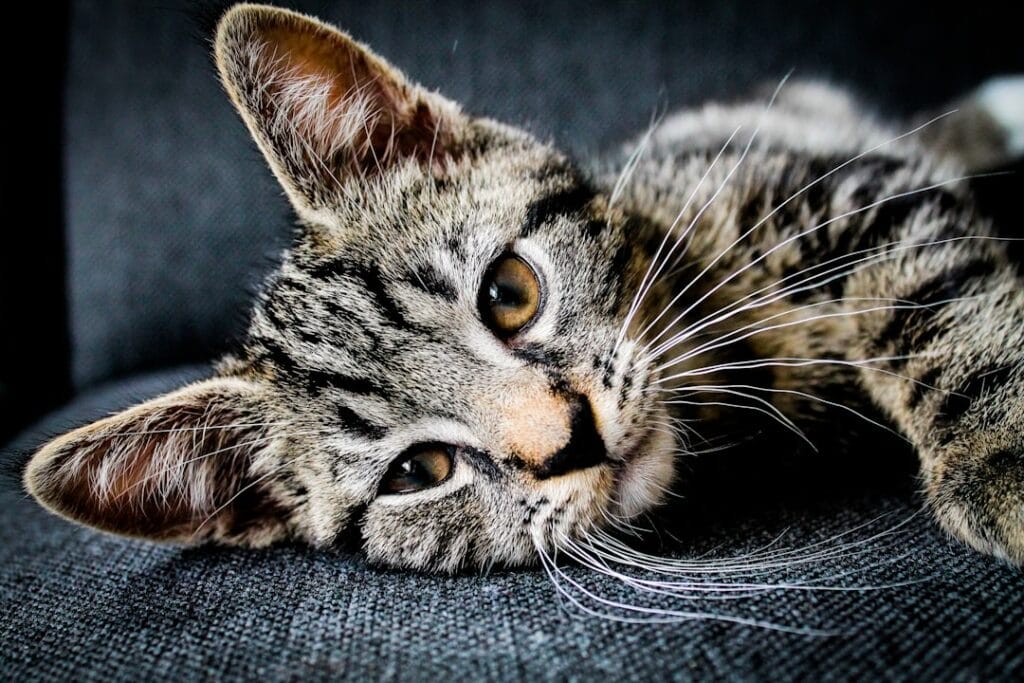
Feline bruxism is repeated rubbing or clenching of the upper and lower teeth. Some owners hear a faint crunch, scrape or clicking noise. Others see the lower jaw moving from side to side while the cat is resting, swallowing or approaching food. It is different from normal chewing because there is no food in the mouth, and it is usually more forceful or repetitive than the tiny jaw movements a relaxed cat may make while dreaming.
It is also important to separate grinding from chattering. A cat watching a bird through a window may rapidly chatter the front teeth while excited. That behavior is brief, linked to visible prey and not usually accompanied by pain. A cold or frightened cat may chatter too. Bruxism tends to occur in an ordinary setting and may be paired with a tense face, lip licking, drooling, reduced appetite, hiding or an unusual posture.
One brief sound does not identify a disease, but repeated episodes deserve attention. Cats conceal pain well, and an owner may notice jaw movement before noticing weight loss or a damaged tooth. Look at the entire pattern rather than trying to diagnose the sound alone.
| Jaw behavior | Typical context | What it may mean |
|---|---|---|
| Rapid front-tooth chatter while staring outdoors | Bird, insect or other prey is visible | Often normal predatory excitement |
| Soft chewing-like movement during sleep | Cat remains relaxed and wakes normally | May be a normal dream movement; record it if frequent |
| Side-to-side grinding while awake | No food present; may recur around meals | Pain, nausea or discomfort should be investigated |
| Jaw movement with drool or pawing | Eating is slow or avoided | Oral pain, foreign material, ulcer or dental disease is possible |
| Grinding with vomiting or hunched posture | Cat appears unwell away from the mouth | Nausea, abdominal pain or systemic illness may be involved |
Cat grinding teeth: Why is my cat grinding its teeth?
Bruxism is a sign, not a diagnosis. The most useful first question is whether the problem begins in the mouth or reflects discomfort elsewhere. A full examination matters because a clean-looking front tooth does not rule out painful disease below the gumline, at the back of the mouth or in another organ.
Cat grinding teeth: 1. Periodontal disease and inflamed gums
Plaque hardens into tartar, bacteria accumulate around the gumline, and the tissues supporting teeth become inflamed. Gingivitis may cause red gums, bad breath and sensitivity. More advanced periodontal disease can loosen teeth, create infected pockets and damage bone. A cat may chew on one side, drop kibble, prefer soft food or walk away after sniffing a meal.
Visible tartar does not reliably show how painful the mouth is. Some cats have severe disease under the gum while the exposed tooth looks fairly ordinary. Dental radiographs under anesthesia allow the veterinarian to assess roots and surrounding bone. If breath odor is one of the main changes, the detailed guide to bad breath in cats explains why odor should not be dismissed as normal.
2. Tooth resorption, fractures and root problems
Tooth resorption is a common and painful feline dental condition in which tooth structure is progressively destroyed. A lesion may begin near or below the gumline, so owners cannot always see it. Cats may jerk the head when a tooth is touched, chatter at food, salivate, stop eating crunchy treats or grind the jaw. Broken teeth, retained roots and infection around a root can cause similar signs.
Do not poke a suspicious tooth or scrape tartar at home. A painful cat may bite, and manipulating a damaged tooth can worsen pain. Veterinary dental treatment is performed with pain control, a protected airway and appropriate imaging—not with an awake cosmetic scaling.
3. Stomatitis, ulcers or inflammation at the back of the mouth
Feline chronic gingivostomatitis causes severe inflammation in the mouth and can be intensely painful. Oral ulcers may also occur with viral disease, caustic exposure, trauma, kidney disease or immune-mediated problems. Because lesions can sit beneath the tongue or far back in the throat, they may not be visible during a quick look at home.
Clues include ropey saliva, blood-tinged drool, crying at food, a sudden preference for liquids, poor grooming, weight loss and a foul odor. These cats need a careful examination and an individualized treatment plan; repeated short courses of unprescribed medication do not correct the underlying problem.
4. Something caught in the mouth
Grass, plant material, bone fragments, sewing thread and other objects can become trapped between teeth, around the tongue or across the roof of the mouth. A linear object may extend under the tongue and continue into the digestive tract. If you see string from the mouth, never pull it. Tension can injure or cut the tissues inside the body. Prevent access to needles, thread, dental floss, tinsel and toys that shed strands, and seek urgent veterinary help when ingestion is possible.
5. Nausea and gastrointestinal discomfort
Cats experiencing nausea may lick their lips, swallow repeatedly, drool, turn away from food or grind their teeth. Causes range from a short-lived stomach upset to pancreatitis, intestinal obstruction, toxin exposure, liver disease and other significant conditions. A cat does not have to vomit to be nauseated.
Watch for a hunched posture, hiding, repeated trips to the water bowl, diarrhea, constipation, abdominal sensitivity or reduced stool. If appetite has fallen, use the companion guide on why a cat is not eating to assess timing and warning signs. Cats—especially overweight cats—should not go for prolonged periods without food because serious metabolic complications can follow.
6. Kidney, liver or other systemic disease
Illness outside the digestive tract can produce nausea, mouth ulcers, dehydration or a generally painful state. Kidney disease can be associated with poor appetite, weight loss, increased thirst, vomiting and an ammonia-like breath odor. Liver disease, endocrine problems, infections and cancer can also change appetite and behavior. Grinding alone cannot distinguish these conditions; blood and urine tests may be needed when the oral exam does not explain the sign.
7. Jaw, facial or neurologic pain
Trauma, temporomandibular joint disease, a mass, nerve dysfunction or pain referred from the eye or ear may alter jaw movement. A cat with facial asymmetry, an inability to close the mouth, a suddenly dropped jaw, unequal pupils, loss of balance or seizure-like activity needs urgent assessment. Bruxism after a fall, bite or road accident should never be watched at home without veterinary advice.
Cat grinding teeth: How urgent is cat teeth grinding?
A cat that grinds once but remains bright, eats normally and has no other changes can be monitored closely while you arrange a routine conversation with the veterinary clinic. Repeated grinding, a behavior change or any appetite reduction moves the problem into the “prompt appointment” category. Because cats can continue approaching food despite dental pain, do not use interest in food as the only test. Notice whether the cat actually chews and swallows a normal amount.
| Situation | Suggested response | Why |
|---|---|---|
| One uncertain episode; otherwise completely normal | Record a video, check meals and monitor closely | The movement may not be true bruxism, but recurrence provides useful evidence |
| Repeated grinding with normal breathing and some appetite | Book a veterinary exam promptly | Dental pain and nausea commonly worsen without treating the cause |
| Grinding plus drooling, bad breath, dropping food or weight loss | Same-day advice or earliest available appointment | These signs support clinically important oral or systemic disease |
| No food intake, repeated vomiting, severe pain or foreign-body concern | Urgent or emergency evaluation | Dehydration, obstruction, toxin exposure and metabolic complications can progress |
Cat grinding teeth: What to check at home without hurting your cat
Cat grinding teeth: What you can safely do before the appointment
Keep your cat indoors, quiet and easy to observe. Offer the cat’s familiar food rather than introducing multiple rich foods. If chewing seems painful and your cat can swallow normally, a familiar wet food may be easier—but changing texture is supportive, not a cure. Keep clean water nearby and separate the affected cat during meals if other pets make intake difficult to measure.
Remove thread, string, bones, toxic plants, cleaners and medications from reach. Bring packaging to the clinic if exposure may have occurred. If your veterinarian has previously prescribed a specific diet or medication for this cat, call before changing the plan.
Cat grinding teeth: What the veterinarian may do
The visit begins with history: timing, relation to meals, diet, indoor/outdoor access, possible trauma or toxin exposure, and changes in appetite, thirst, stool and urine. The veterinarian may examine the face, lymph nodes, eyes, ears, jaw motion, teeth, tongue and accessible oral tissues, then perform a full body examination. A painful or frightened cat may not allow a complete awake oral exam, and forcing it would be unsafe.
When dental disease is suspected, a comprehensive oral assessment under anesthesia with dental radiographs may be recommended. Radiographs reveal roots, bone and resorptive lesions hidden below the gumline. Treatment might include extracting a painful tooth, cleaning diseased areas and providing cat-safe analgesia. Antibiotics are used when indicated but do not repair a resorbing, fractured or severely diseased tooth.
If the mouth does not explain the grinding—or if vomiting, weight loss, thirst or lethargy is present—the work-up may include blood tests, urinalysis, blood pressure, imaging or other targeted diagnostics. The correct plan depends on age, examination findings and how unwell the cat is. The goal is to treat the source of discomfort, not merely suppress the jaw movement.
Does the cat’s age change the likely causes?
Age helps the veterinarian prioritize possibilities, but it never replaces an examination. A kitten may grind because of oral injury, a retained baby tooth, an abnormal bite, foreign material or nausea from an infectious or dietary problem. Teething can change chewing behavior, yet persistent bruxism, drooling or refusal of food should not be attributed to teething without checking the mouth.
In adult cats, periodontal disease, tooth resorption, fractured teeth and inflammatory mouth disease become important considerations. Indoor cats are not protected from dental disease. Cats that hunt, chew hard objects or have a history of facial trauma may have an additional risk of tooth damage. A seemingly healthy adult can also develop pancreatitis, a foreign-body obstruction or another gastrointestinal cause of nausea.
Senior cats deserve a whole-body assessment even when tartar is visible. Chronic kidney disease, hyperthyroidism, liver disease, tumors and several painful conditions become more common with age. Finding dental disease does not always mean it is the only problem. Bloodwork and urinalysis before anesthesia can also help the veterinary team plan safer treatment and recognize conditions that need simultaneous management.
How to prepare for the veterinary visit
A concise timeline is more valuable than a long guess about the diagnosis. Write down when you first noticed the sound, how many times it occurs, whether it happens before or after meals, and whether it follows medication. Note the brand and texture of food, treats, recent diet changes, access to string or plants, and any fall or fight. Bring the video on the device where it was recorded so quality is not lost through messaging.
Measure appetite in practical terms: “ate one tablespoon of wet food” is more informative than “ate a little.” Record vomiting, stool, urine, drinking and body weight if a reliable scale is available. List every medication and supplement with dose and time, including flea products and anything applied to the mouth. Do not fast the cat unless the clinic gives instructions, because the correct fasting plan depends on age, health and whether sedation is expected.
Use a secure carrier lined with a washable towel. If the cat is very anxious during travel, ask the clinic ahead of time whether a pre-visit medicine is appropriate; never improvise with a sedative. Keeping the visit calmer can make examination easier and reduce the chance that pain-related behavior is hidden by fear.
Recovery and monitoring after treatment
Follow feeding and medication instructions exactly. After a dental procedure, the clinic may recommend a temporary food texture, activity restriction and a recheck. Give every dose with the method prescribed; do not crush medication into the entire meal unless the veterinarian confirms this is appropriate, because refusal could spoil both food and dose.
Track appetite, comfort, drooling, breath odor and recurrence of grinding. Contact the clinic if your cat will not eat, vomits repeatedly, develops swelling or bleeding, seems more painful, or cannot take prescribed medicine. Improvement in sound is encouraging, but completion of the treatment and recheck plan remains important.
Long term, home dental care should be matched to the individual cat. Brushing can help prevent plaque when the mouth is healthy and the cat accepts training, but brushing a painful inflamed mouth is inappropriate. Ask about products accepted by the Veterinary Oral Health Council and schedule oral checks rather than relying on breath odor alone.
Common mistakes that delay the right care
- Assuming the cat is “just stressed.” Stress can change behavior, but persistent bruxism still warrants a medical assessment.
- Waiting until the cat stops eating completely. Many cats adapt by chewing differently or swallowing food with less chewing.
- Looking only at the front teeth. Painful disease is often at the premolars, molars, roots or back of the mouth.
- Using antibiotics as the whole dental plan. Medication cannot restore a fractured or resorbing tooth.
- Pulling visible string. A linear foreign body can be anchored internally and must be handled by a veterinarian.
- Giving over-the-counter painkillers. Several common human medicines are poisonous to cats.
Frequently asked questions
Why does my cat grind its teeth while eating?
Grinding at the food bowl makes oral pain especially suspicious. Periodontal disease, tooth resorption, a fracture, an ulcer or material caught in the mouth can make chewing painful. Nausea can also appear around food. Record the behavior and arrange an examination; do not test painful teeth yourself.
Why is my cat grinding teeth and drooling?
This combination can occur with painful dental disease, stomatitis, an oral foreign body, ulcers, nausea or toxin exposure. Blood, severe odor, facial swelling, inability to swallow, vomiting or reduced food intake increase urgency. Call a veterinary clinic the same day for triage.
Can stress make a cat grind its teeth?
Stress may contribute to abnormal repetitive behaviors, but medical causes should be excluded first. It is unsafe to label new, repeated grinding as anxiety when dental pain, nausea and systemic illness are more actionable possibilities.
Do cats grind their teeth when in pain?
They can. Bruxism is associated with oral pain and may also accompany abdominal or other discomfort. Because it does not identify the location, a complete examination is more useful than treating the mouth based on sound alone.
Is teeth grinding an emergency?
Grinding by itself is usually a prompt-exam problem rather than an automatic emergency. It becomes urgent when paired with no food intake, repeated vomiting, breathing difficulty, collapse, severe weakness, facial trauma, uncontrolled bleeding, string or toxin exposure, inability to swallow or neurologic signs.
Can I brush my cat’s teeth when it is grinding?
No. Pause brushing until a veterinarian has ruled out painful disease. Brushing inflamed gums, a fractured tooth or a resorptive lesion can hurt and may make future dental handling more difficult.
Will teeth grinding stop after a dental cleaning?
It may stop when the painful cause is correctly treated, but a cosmetic cleaning alone may miss disease beneath the gumline. A proper dental procedure includes a detailed examination and often dental radiographs, with treatment of affected teeth.
What if my cat grinds only while asleep?
A single mild sleep movement may be benign. Frequent or forceful grinding, waking discomfort, appetite change or any daytime episode deserves a video and veterinary discussion. Seizure-like movements, collapse or altered awareness require urgent care.
Bottom line
A cat grinding teeth is communicating discomfort more often than displaying a quirky habit. Mouth disease is common, but nausea, abdominal pain, foreign material, trauma and systemic illness can produce a similar sign. Observe the pattern, measure actual food intake, record a video and arrange veterinary care. Escalate immediately when breathing, swallowing, consciousness or possible poisoning is involved.
Cat pain is often subtle. If grinding is accompanied by hiding, reduced grooming, reluctance to jump or a changed expression, review the broader guide to subtle signs of pain in cats while you organize an examination.
Medical disclaimer: This article is educational and does not replace an examination, diagnosis or treatment from a veterinarian. Contact an emergency clinic immediately for breathing difficulty, collapse, severe trauma, uncontrolled bleeding, suspected poisoning or a swallowed linear object.



6 Comments