

Cat Sleeping More Than Usual: Normal Changes vs Illness
Cats naturally sleep for much of the day, so the useful question is not “How many hours?” but “What changed for this cat?” Learn how to distinguish deeper sleep from lethargy, check appetite and breathing, recognize pain or disease, and know when a suddenly sleepy cat needs urgent care.
How much do cats normally sleep?
Cats sleep in multiple periods across day and night. Many spend roughly half to two-thirds of a day asleep or dozing, while kittens and seniors may sleep longer. The apparent total depends on whether the cat is in light sleep, whether anyone is home to observe, season, activity and individual temperament. A universal hour cutoff is therefore less useful than a clear change from normal.
During light sleep, ears may rotate toward sounds and the cat may wake quickly. In deeper sleep, muscles relax and the paws, whiskers or eyelids may twitch during dreaming. A healthy cat generally becomes alert when something meaningful happens—food preparation, a favorite person arriving or a toy moving—and then walks normally.
A lethargic cat may remain withdrawn even when awake. It may move slowly, resist standing, stop grooming, avoid jumping or lie in a tense hunched posture. Owners often describe lethargy as “sleeping,” so observing what happens after the cat wakes is essential.
| Feature | Normal extra sleep | Possible illness/lethargy |
|---|---|---|
| Waking | Wakes readily to familiar cues | Hard to rouse, dull or quickly lies down |
| Appetite | Eats normal measured amount | Sniffs, licks only gravy, refuses or drops food |
| Movement | Normal gait, jumps and stretches | Weak, stiff, limping, hiding or reluctant to jump |
| Grooming | Coat remains normal | Greasy, matted or overgroomed painful area |
| Breathing | Quiet and effortless at rest | Fast, labored, open-mouth or abdominal effort |
Normal reasons a cat may sleep more
Age and development
Kittens sleep extensively while growing and may crash after energetic play. Senior cats often rest more because activity and muscle mass decline. Neither age group should be weak, stop eating or develop a sudden major change. A kitten that is difficult to wake, cold, not feeding or vomiting can deteriorate rapidly. A senior’s new sleep pattern deserves an examination rather than being dismissed as aging.
Weather and household rhythm
Hot days can reduce daytime activity, while cold or rainy weather may encourage a cat to stay curled up. Indoor cats often align some activity with their household. A change in work schedule can reveal sleep that was always occurring or reduce enrichment enough that the cat dozes from boredom.
Temperature-related rest remains less concerning when food, water, litter-box use, grooming and normal social behavior continue. Provide cool resting areas and water during heat; panting or open-mouth breathing is not a normal way for a resting cat to handle warmth.
A stimulating or stressful event
A long play session, visitors, travel or a veterinary appointment can lead to extra rest. Stress can also cause hiding and altered sleep. The cat should trend back toward normal as the event passes. Persistent withdrawal, appetite loss, diarrhea, urinary signs or aggression suggests more than ordinary recovery.
Too little enrichment
A safe but unchanging indoor environment may leave a cat with few reasons to be active. Rotate toys, use short interactive play, scatter suitable food puzzles and add vertical resting/perching choices. Enrichment should invite activity without forcing an older or painful cat. A sudden reduction in play drive still requires health assessment before “boredom” is accepted.
Medical reasons a cat may sleep more than usual
Pain
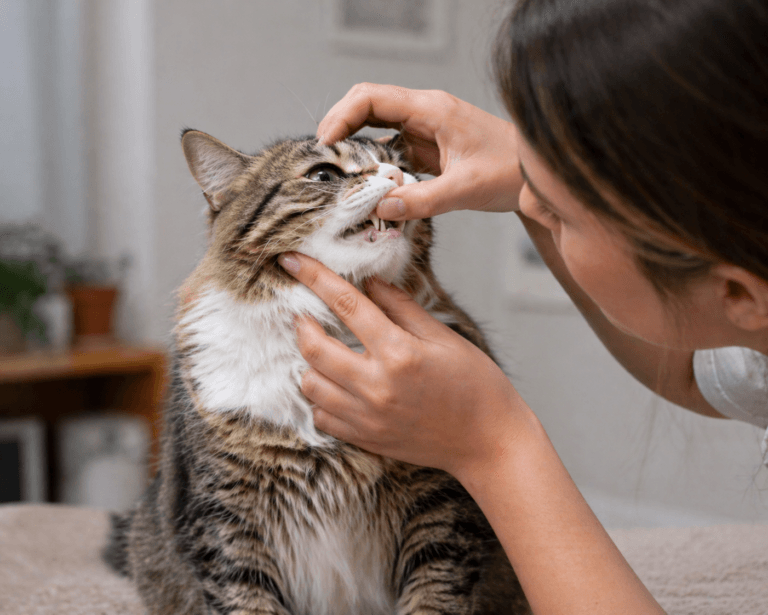
Cats in pain often become quiet instead of crying. Dental disease, arthritis, injury, abdominal pain and urinary disease can reduce movement and increase hiding or sleep. Look for a tense face, flattened ears, reluctance to jump, changed stairs use, licking one area, poor grooming or aggression when touched. The guide to subtle signs of pain in cats gives a fuller checklist.
Fever or infection
Respiratory, urinary, bite-wound and other infections can cause lethargy and appetite loss. Sneezing, eye/nose discharge, coughing, a swelling, odor, vomiting or painful urination may identify the affected system. A warm nose does not diagnose fever; temperature measurement is best performed safely by a veterinary professional if you are not trained.
Gastrointestinal disease and nausea
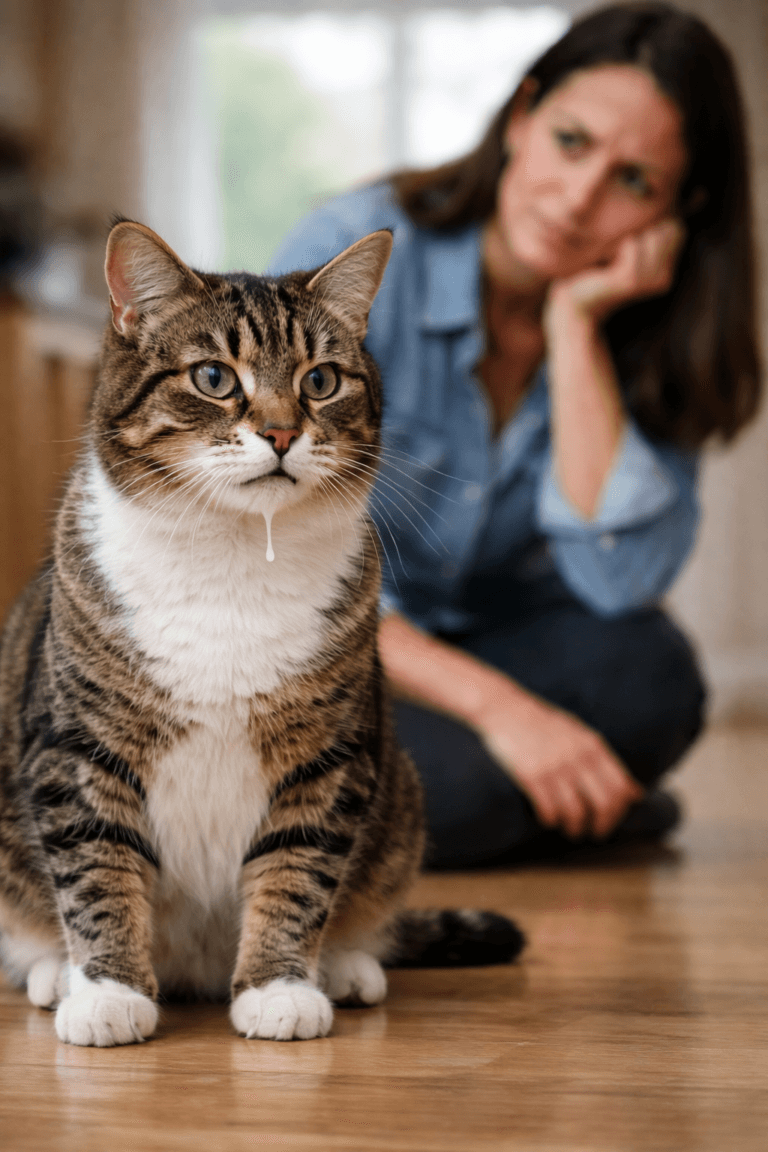
Nausea may make a cat sleep, hide, lip-lick, drool or approach food and turn away. Vomiting, diarrhea or constipation can accompany the change, but some nauseated cats never vomit. Pancreatitis, obstruction, dietary problems and organ disease are possibilities. If eating has dropped, the comprehensive cat not eating guide explains why prolonged fasting is risky.
Kidney, liver or endocrine disease
Kidney disease can cause increased thirst and urine, weight loss, nausea and low energy. Liver disease may cause appetite loss, vomiting or yellow gums/eyes. Diabetes may produce thirst, increased urine, weight change and weakness. Hyperthyroidism often increases appetite and activity early, but advanced illness can cause weakness. Blood and urine tests distinguish these overlapping patterns.
Anemia or heart/lung disease
Anemia reduces oxygen delivery and can cause weakness, pale gums and fast breathing. Heart or lung disease may make activity tiring. Count resting breaths only when the cat is asleep and not purring; sustained elevation or visible effort needs veterinary advice. Open-mouth breathing, blue/gray gums or collapse is an emergency. For technique and warning signs, see why a cat is breathing fast.
Urinary obstruction
A male cat may appear quiet, hide or repeatedly visit the litter tray when the urethra is blocked. Straining with little or no urine, crying, vomiting, licking the genital area and a painful abdomen require emergency treatment. Owners sometimes mistake straining for constipation. Any uncertain repeated straining in a male cat should be triaged urgently.
Toxin or medication effect
Human medicine, lilies, dog flea products containing permethrin, cannabis, cleaners and many other substances can cause lethargy. Sedatives and some prescribed medicines also change sleepiness. Contact a veterinarian or animal poison service with the exact product; do not induce vomiting or give a home antidote unless instructed.
A 10-minute home check
When to book a routine visit versus urgent care
| Situation | Suggested timing | Reason |
|---|---|---|
| Gradual mild increase, otherwise normal | Discuss at a scheduled check; monitor closely | Age, routine or enrichment may contribute |
| Sudden extra sleep lasting into the next active period | Prompt veterinary advice | New pain or illness may be developing |
| Sleepiness plus appetite, weight, thirst or litter change | Same-day or earliest appointment | Systemic disease needs evaluation |
| Weakness, breathing effort, collapse, seizure, blocked urine | Emergency now | Potentially life-threatening condition |
What the veterinarian may investigate
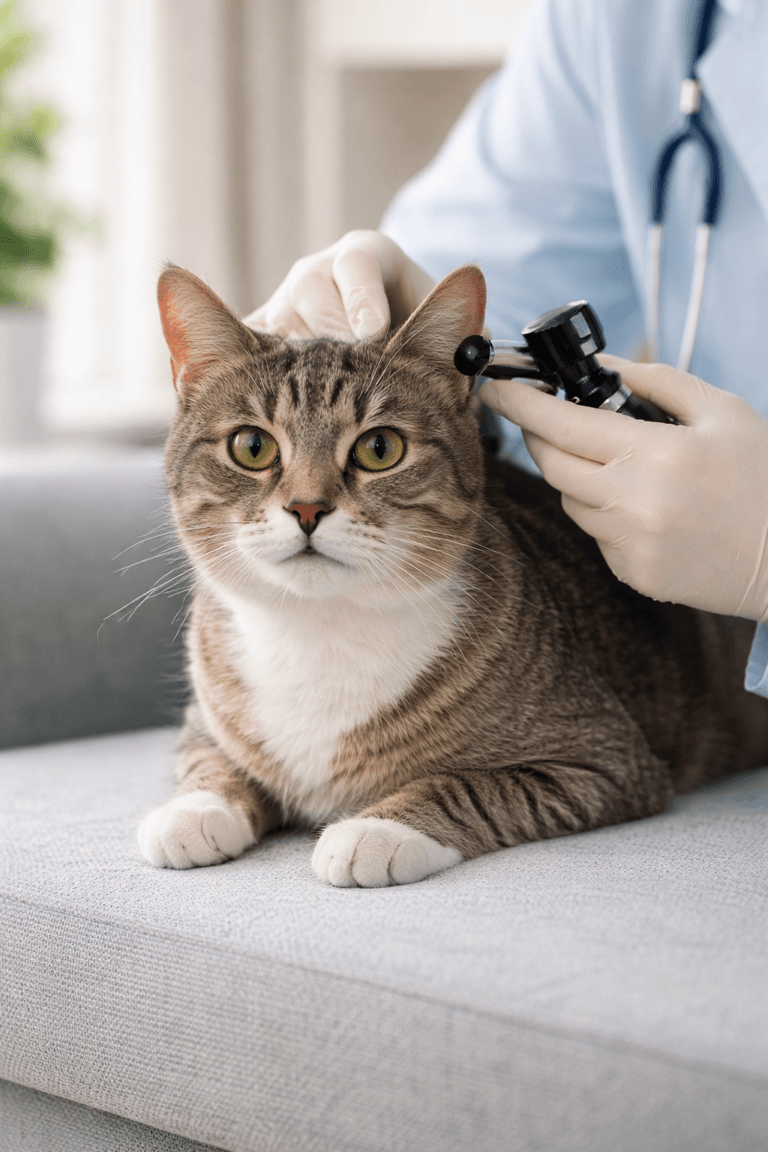
Bring a timeline, measured food intake, medication list, litter-box observations, videos and any possible exposure packaging. The veterinarian assesses temperature, hydration, weight, gums, heart, lungs, abdomen, joints, mouth and neurologic function. The cat’s age and examination guide testing.
Blood count and chemistry may identify anemia, infection clues, kidney/liver changes, glucose problems and electrolyte abnormalities. Urinalysis, thyroid testing, blood pressure, X-rays or ultrasound may be added. There is no single “lethargy test”; the work-up narrows causes based on the whole pattern.
Treatment may range from pain control and dental care to fluids, nausea management, antibiotics when infection is documented, or specific therapy for heart, kidney, endocrine or urinary disease. The objective is to restore comfort and normal function, not simply keep the cat awake.
Helping a healthy cat maintain a good activity rhythm
Once illness and pain are excluded, use two or three short interactive play sessions rather than one exhausting session. Let the cat stalk, chase and “catch” the toy, then offer a small appropriate meal. Rotate toys instead of leaving every toy out. Provide scratching surfaces, window views and vertical territory suited to mobility.
For seniors, use steps or ramps, low-entry litter trays, warm padded beds and food/water on accessible levels. Keep body weight lean and schedule regular examinations. An older cat may sleep more but should still have predictable periods of interest and comfort.
Maintain a simple weekly record of weight if possible, appetite, litter output and play. Trends are easier to see on paper than from memory. A phone video of normal walking and breathing can provide a useful baseline if a later change occurs.
What the sleeping position may tell you
A comfortable cat often curls loosely, stretches on the side or changes positions over time. A painful cat may remain tightly hunched with paws tucked, head lowered and eyes partly closed. A cat with breathing difficulty may sit upright with the neck extended and elbows held away from the chest, avoiding lying flat. Position is a clue, not a diagnosis, but an unusual posture paired with extra sleep should be recorded and reported.
Seeking a warm place can be normal, yet persistent heat-seeking in a weak cat may accompany low body temperature. Conversely, a feverish or overheated cat may choose cool surfaces. Touch is too subjective to diagnose temperature. If the cat seems cold, very hot, trembles or is poorly responsive, contact a clinic instead of using a heating pad without monitoring.
Subtle changes that count even when the cat still eats
Some cats maintain appetite during early disease but change how they eat. They may arrive late, chew slowly, leave part of the meal or stop jumping to a counter where food is served. Others drink more, produce larger urine clumps or ask for food while losing weight. These details can expose dental pain, arthritis, kidney disease, diabetes or thyroid disease before total appetite loss.
Grooming is another window. A greasy coat, mats over the lower back, dandruff or dirty rear may mean the cat cannot bend comfortably. Overgrooming one joint or abdomen can signal pain. Claws that become thick or overgrown may reflect reduced scratching and movement. Photograph changes rather than waiting for a dramatic symptom.
Sleep changes in kittens
Kittens sleep deeply after play and growth spurts, but they should wake to nurse or eat, maintain warmth and have bursts of age-appropriate activity. A kitten that misses meals, has diarrhea, vomits, feels cool, develops pale gums or becomes difficult to wake needs rapid veterinary assessment. Young kittens can become dehydrated or hypoglycemic quickly.
Do not force cow’s milk, sugar water or food into an unresponsive kitten. Keep the kitten gently warm, contact a veterinarian or rescue experienced with neonatal care and follow instructions. Flea burden can cause dangerous anemia in small kittens; heavy fleas plus pale gums and weakness is urgent.
Sleep changes in senior cats
Senior cats often sleep more, but normal aging is a diagnosis of exclusion. Arthritis can make the route to food or litter painful. Kidney disease, high blood pressure, hyperthyroidism, diabetes, dental disease, anemia and cognitive dysfunction can change sleep and engagement. Twice-yearly or veterinarian-recommended senior checks help identify trends.
Cognitive dysfunction may shift the sleep–wake cycle, cause night vocalization, disorientation, house-soiling and altered interactions. Before treating it as dementia, the veterinarian checks pain, hearing/vision, thyroid function, blood pressure and organ health. Environmental support—night lights, consistent resources and predictable routines—can help after medical needs are addressed.
How to count a sleeping respiratory rate
Do not chase a breath-count target while the cat is visibly struggling. Open-mouth breathing in a cat is an emergency unless it occurs for a few seconds after extreme exertion and stops immediately—yet even then, call if it is unusual.
Preparing a high-value history for the vet
Write down when the sleep pattern changed and whether it was sudden or gradual. Estimate awake active periods rather than only total sleep. Measure daily food, water and litter output. Include vomiting, stool, grooming, jumping, vocalization and social behavior. Bring videos of walking and breathing and a list of every medicine, flea product and supplement.
Consider environment: new pet, visitors, renovation, travel, temperature change, outdoor access or possible exposure to lilies, rodenticide, human medicines and dog-only flea products. If several people care for the cat, combine observations; one person may notice nighttime pacing while another sees daytime sleep.
Why a “normal” check at home does not end monitoring
Cats can have intermittent fever, pain or nausea. They may rally for a favorite treat and then return to hiding. One normal urine clump does not rule out early urinary disease, and pink gums do not rule out every anemia or heart problem. Home observations guide urgency but cannot replace examination and testing.
If the cat returns fully to baseline after a clear one-off event, continue to watch for recurrence. A repeated pattern deserves an appointment even if each episode resolves. Keeping a dated log helps identify whether episodes follow medication, stress, meals or outdoor access.
Common myths about sleepy cats
- “Cats always sleep 20 hours.” Individual patterns vary; a major change matters more than an internet maximum.
- “If the cat purrs, it is fine.” Cats may purr when painful, frightened or ill as well as when content.
- “Eating treats rules out illness.” Total nutrition may be low, and selective eating can accompany nausea or dental pain.
- “Senior cats are simply lazy.” Arthritis and organ disease are common and often treatable or manageable.
- “A warm dry nose means fever.” Nose temperature and moisture vary; they do not diagnose fever.
- “Indoor cats cannot be poisoned.” Plants, medicine, cleaners and topical products create indoor risks.
Frequently asked questions
Why is my cat suddenly sleeping all day?
A quiet day may follow activity, heat or stress, but a sudden persistent change can indicate pain, fever, nausea, anemia, organ disease or another illness. Check appetite, movement, litter use and breathing, then contact a veterinarian if the cat is not clearly normal when awake.
Do cats sleep more when they are sick?
Yes, but owners often call lethargy “sleep.” A sick cat may be weak or disengaged even while awake. Associated appetite, grooming, weight, breathing and litter changes are important.
Do cats sleep more in winter?
Some cats rest more when days are shorter or the household is less active. Seasonal change should not cause appetite loss, weakness, pain or breathing difficulty.
Is my senior cat sleeping too much?
Seniors commonly rest more, but new or progressive sleepiness deserves an examination for arthritis, dental disease, kidney disease, thyroid problems, anemia and other age-related conditions.
Should I wake my cat to eat?
A healthy cat normally wakes for meals. You can use a gentle familiar cue, but do not repeatedly force a weak cat awake. If food is refused or the cat is difficult to rouse, seek advice.
What if my cat sleeps more after vaccination?
Mild sleepiness for a short period can occur. Contact the clinic for signs that are intense, persistent or paired with facial swelling, repeated vomiting, breathing difficulty, collapse or very pale gums; severe allergic signs are an emergency.
Can boredom make a cat sleep all day?
Low enrichment can reduce activity, but a medical and pain assessment comes first when the change is new. Add enrichment gradually after health concerns are excluded.
How can I tell if a sleeping cat is breathing normally?
Breathing should be quiet, regular and effortless with the mouth closed. Count while asleep and not purring. Visible abdominal effort, open-mouth breathing, blue/gray gums or collapse requires immediate care.
Bottom line
Cats sleep a lot, but a change from the individual’s normal routine can be an early health signal. Focus on how the cat wakes, moves, eats, grooms, breathes and uses the litter tray. Prompt veterinary assessment is warranted when extra sleep persists or comes with another change; breathing difficulty, collapse, toxin exposure and urinary obstruction are emergencies.
Medical disclaimer: Educational information only. It does not diagnose your cat. Seek immediate care for breathing difficulty, collapse, seizure, severe trauma, poisoning, very pale/blue gums or repeated straining without urine.




3 Comments