Dog Diarrhea: Home Treatment, What to Feed, Common Causes, and When to See a Vet (2025)
Dog diarrhea is one of the most common reasons pet parents panic—because it can be harmless (diet change, stress) or a warning sign of something serious (parvovirus, pancreatitis, poisoning, intestinal obstruction). This guide is written in a simple “clinic-to-home” style to help you decide what to do today: how to treat mild diarrhea at home, what to feed, what to avoid, which red flags mean go to a vet now, and how to prevent diarrhea from coming back.
Internal links
Dogs ·
Emergencies ·
Nutrition ·
Parasites
Quick triage: Is this an emergency?
Use this quick checklist. If any item below is true, treat it as an emergency and contact a veterinarian immediately:
- Blood in stool (red blood or black/tarry stool)
- Repeated vomiting, severe nausea, or can’t keep water down
- Weakness, collapse, pale gums, or trouble breathing
- Severe abdominal pain (hunched posture, crying, bloated belly)
- Suspected toxin exposure (chocolate, xylitol, rat poison, human meds, pesticides)
- Puppy (especially under 6 months) with diarrhea, lethargy, or loss of appetite
- Dehydration signs (dry gums, sunken eyes, skin “tents” and stays up)
- Diarrhea lasting more than 24–48 hours or getting worse
- Dog has a serious condition (kidney/liver disease, diabetes, heart disease) or is very old
What counts as “mild” diarrhea (safe for home care)?
Mild diarrhea usually means:
- Dog is bright/active, still wants to eat
- No vomiting (or only once, mild)
- No blood, no black tarry stool
- Stool is soft or watery but the dog is otherwise normal
- Duration is under 24 hours (sometimes up to 48 hours if improving)
If your dog fits this “mild” category, you can start home care while closely monitoring.
Common causes of dog diarrhea (simple list)
These are the most frequent reasons dogs get diarrhea:
- Diet change (new food, too many treats, table scraps)
- Dietary indiscretion (garbage, spoiled food, bones, fatty leftovers)
- Stress (travel, boarding, thunderstorms, new home)
- Parasites (roundworms, hookworms, whipworms, Giardia)
- Viral infections (parvovirus in puppies, distemper—less common with vaccination)
- Bacterial overgrowth or contaminated food/water
- Pancreatitis (often after fatty foods; vomiting + pain are common)
- Food intolerance or allergy
- Medications (antibiotics, NSAIDs) or sudden supplements
- IBD (inflammatory bowel disease), chronic colitis
- Obstruction (toy, cloth, corn cob) — can become life-threatening
- Toxins (chocolate, xylitol, certain plants, chemicals)
Home treatment for dog diarrhea (step-by-step)
If your dog is stable and you have no emergency red flags, use this plan:
Step 1: Protect hydration (most important)
- Offer fresh water at all times.
- If your dog drinks too fast and vomits, offer small amounts frequently.
- For mild cases, you can use an oral rehydration solution made for humans only if your vet approves and the dog is not vomiting. Avoid anything with xylitol.
Step 2: Short “gut rest” (optional and only for adults)
For healthy adult dogs with mild diarrhea, a brief fast of 8–12 hours can help. Do not fast:
- Puppies
- Very small dogs prone to low blood sugar
- Dogs with diabetes or serious chronic disease
Step 3: Feed a bland diet (24–48 hours)
This is the most searched question: what to feed a dog with diarrhea. The goal is easy-to-digest food with low fat.
Best bland diet options
- Boiled white rice + boiled chicken breast (no skin, no spices, no oil)
- Boiled rice + lean turkey
- Plain pumpkin (100% pumpkin, not pie mix) — small amount mixed into food
- Veterinary GI diet (best option if you can get it)
How much to feed
Feed small meals 3–4 times a day. Start with about 25–33% of the normal meal size, then increase if stools improve.
Foods to avoid during diarrhea
- Fatty foods (cheese, butter, oils, gravy)
- Milk and most dairy (many dogs are lactose intolerant)
- Spicy foods, seasoning, onions/garlic
- Raw diets during active diarrhea
- High-fiber treats and rich chews
Step 4: Add probiotics (often helpful)
Probiotics can help restore healthy gut bacteria. Choose a veterinary probiotic if possible. Use as directed for 5–10 days. If diarrhea worsens, stop and consult your vet.
Step 5: Monitor stool and energy every 6–8 hours
Write down:
- How many episodes
- Any blood or mucus
- Appetite and water intake
- Energy level
- Vomiting (yes/no)
If your dog is not clearly improving within 24 hours, get veterinary advice.
Can I give my dog human anti-diarrhea medicine?
Be careful. Some human medicines can be harmful or can hide serious disease. In general:
- Do not give any medication without veterinary approval if your dog is a puppy, has vomiting, blood in stool, fever, pain, or possible toxin exposure.
- Never give bismuth products to cats, and avoid use in dogs without vet approval.
- Some cases may use specific medications under a veterinarian’s guidance, especially for colitis, parasites, or bacterial infection.
Dog diarrhea with blood: what it may mean
Red blood often points to large intestine irritation (colitis), parasites, stress, or dietary upset—but it can also occur with parvovirus or severe infection. Black/tarry stool suggests digested blood from the stomach or small intestine and should be treated as urgent.
Dog diarrhea and vomiting together
When vomiting and diarrhea occur together, dehydration happens quickly. This combination can be caused by viruses, pancreatitis, toxins, obstruction, or severe gastroenteritis. If vomiting repeats or the dog becomes lethargic, seek urgent vet care.
When to see a vet (clear timeline)
- Immediately: blood, black stool, repeated vomiting, weakness, pain, suspected toxin, puppy sick, dehydration signs
- Within 24 hours: diarrhea not improving, poor appetite, fever, frequent watery stool
- Within 48 hours: diarrhea persists even if mild, or keeps recurring every few days
What your vet may do (so you know what to expect)
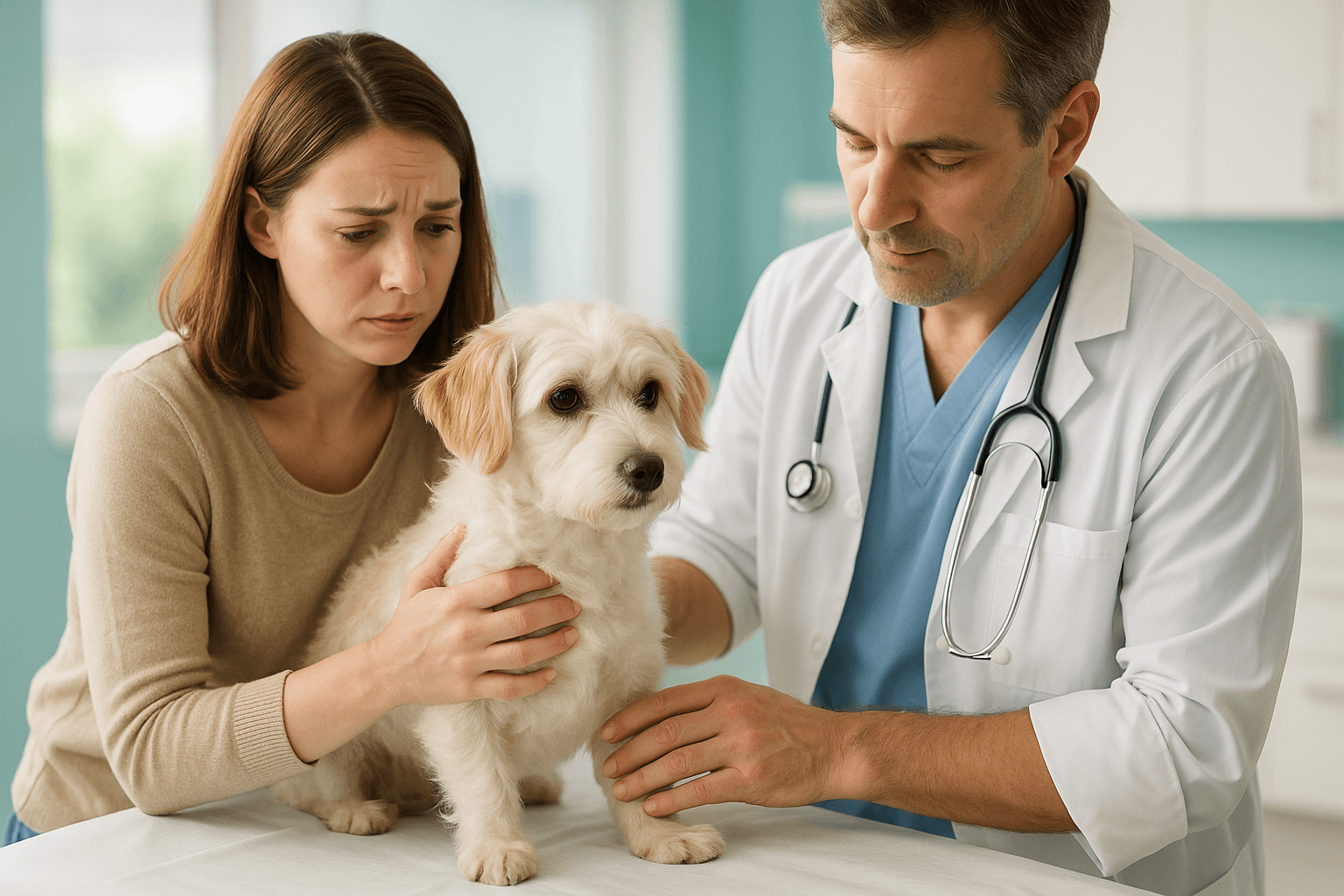
- Physical exam and dehydration assessment
- Fecal test for parasites/Giardia
- Parvo test for puppies or unvaccinated dogs
- Blood work if dehydration, pancreatitis, or systemic illness is suspected
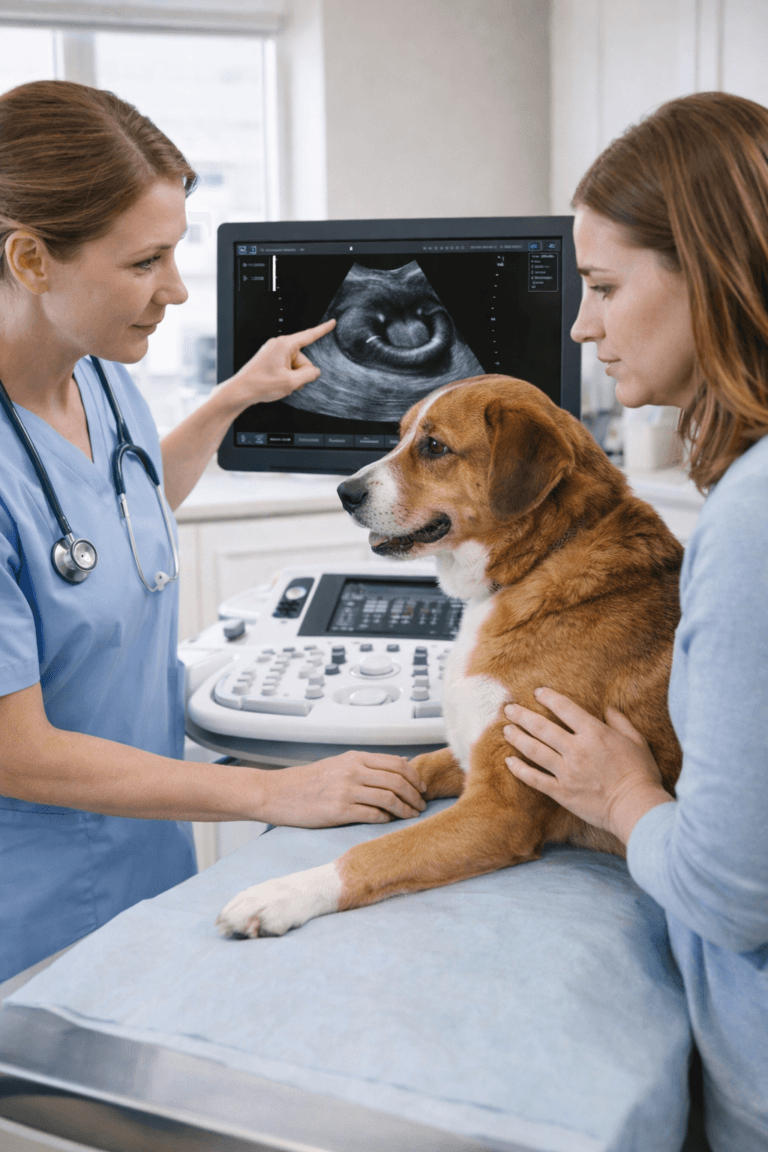
- X-rays/ultrasound if obstruction or foreign body is possible
- Fluids (subcutaneous or IV) to prevent complications
- Targeted meds such as dewormers, anti-nausea meds, GI protectants, or antibiotics only when indicated
Prevention: how to reduce future diarrhea
- Transition foods slowly over 7–10 days
- Keep garbage locked and avoid table scraps
- Use routine parasite prevention and fecal checks
- Keep vaccines up to date (especially for puppies)
- Use probiotics during stressful events (travel/boarding) if your vet agrees
- Don’t let dogs drink from dirty puddles or drains
Internal links
- Emergency First Aid for Pets
- Parasites & Deworming Guides
- Nutrition & Feeding Guides
- All Dog Health Guides
FAQ
What can I give my dog for diarrhea at home?
For mild diarrhea in a stable adult dog: offer water, feed a bland diet (boiled chicken + rice) in small meals, consider a veterinary probiotic, and monitor closely. Avoid fatty foods and do not give human medication without veterinary approval.
What should I feed my dog with diarrhea?
Boiled chicken breast (no skin) and white rice is a common bland diet. Plain pumpkin can help some dogs. Feed small meals 3–4 times daily for 24–48 hours, then gradually return to the normal diet over 3–5 days.
How long is diarrhea normal in dogs?
Mild diarrhea may improve within 24 hours and resolve within 48 hours. If it lasts more than 48 hours, keeps recurring, or comes with vomiting, blood, lethargy, or pain, seek veterinary advice.
When should I worry about dog diarrhea?
Worry immediately if there is blood (red or black stool), repeated vomiting, weakness, dehydration signs, abdominal pain, suspected toxins, or if the dog is a puppy. These can become serious quickly.
Can stress cause dog diarrhea?
Yes. Stress colitis is common with travel, boarding, thunderstorms, and changes in routine. It usually improves with bland diet and stress reduction, but blood or prolonged diarrhea still needs veterinary guidance.
Is pumpkin good for dog diarrhea?
Plain 100% pumpkin (not pie filling) can help some dogs because it provides gentle fiber. Use small amounts mixed into food. If diarrhea worsens, stop and consult your vet.
Small Disclaimer
This article is for general educational purposes and does not replace an in-person veterinary examination. If your dog is weak, vomiting repeatedly, has blood in stool, is a young puppy, or you suspect poisoning, seek urgent veterinary care immediately.
Authentic References (External Links)
- Merck Veterinary Manual: Diarrhea in Dogs
- AVMA: Vomiting and Diarrhea in Pets
- CDC: Giardia
- Companion Animal Parasite Council (CAPC) Guidelines
- ASPCA Animal Poison Control (Toxin guidance)
Reviewed by: Dr. Zahid Afzal, DVM (PVMC) — 11+ years experience • 25,000+ patients treated • 1,000+ complex surgeries • Senior Veterinary Consultant, General Veterinary Hospital Lahore.