
Written for pet-owner education by Dr. Zahid Afzal, DVM. This guide does not replace an examination by a veterinarian, especially when a rabbit has stopped eating.
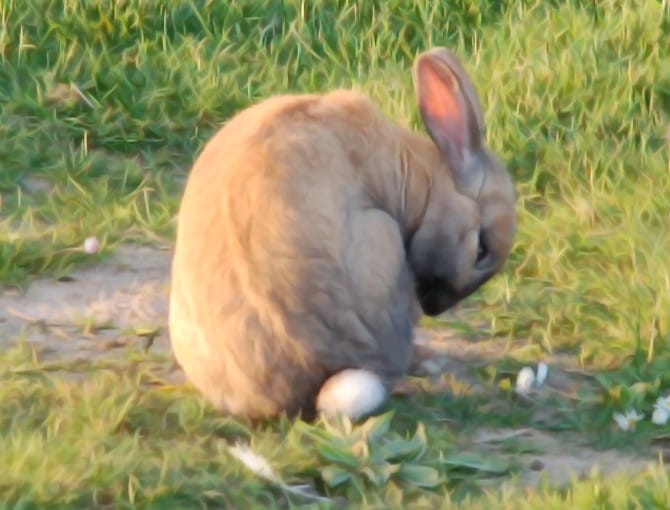
Why a Rabbit Not Eating Is Different From a Dog or Cat
Rabbits are hindgut fermenters designed to eat fibrous plant material throughout the day. Their digestive system relies on constant movement of food and fiber through the stomach and intestines. A rabbit that skips food is therefore not simply being picky. Loss of appetite can be both a sign of disease and a cause of worsening gastrointestinal function.
In clinical practice, the important question is not only “Why is my rabbit not eating?” but also: Is the rabbit still passing feces? Is there abdominal distension? Is there dental pain? Has water intake changed? Is the rabbit alert or depressed? Could a foreign material or true obstruction be present?
Rabbit not eating: What Is GI Stasis in Rabbits?
GI stasis is a commonly used term for markedly reduced gastrointestinal motility. Food and hair remain in the stomach and intestines longer than normal, the contents become dehydrated, gas can accumulate, appetite falls further and the rabbit becomes increasingly uncomfortable. It is often a secondary problem rather than a disease that appears without a cause.
Pain, dental disease, an inappropriate low-fiber diet, dehydration, stress, systemic illness and other disorders may all reduce food intake and gut movement. This is why simply trying to make the intestines move without investigating the underlying problem can miss the real diagnosis.
Rabbit not eating: Signs of GI Stasis and Appetite Loss
| Finding | What It May Mean |
|---|---|
| Eating less hay or refusing favorite foods | Early pain, dental disease, GI slowdown or systemic illness |
| Smaller, fewer or absent fecal pellets | Reduced intake and gastrointestinal motility |
| Hunched posture or reluctance to move | Pain or abdominal discomfort |
| Loud tooth grinding | Often significant pain |
| Bloated or tense abdomen | Gas, severe GI disease or possible obstruction |
| Weakness, cold ears, poor response | Potentially advanced illness requiring emergency care |
Rabbit not eating: Common Reasons a Rabbit Stops Eating
Rabbit not eating: 1. Dental disease
Rabbit teeth grow continuously. Overgrown molars, sharp dental points, root disease, abscesses and painful incisors can make chewing difficult. Some rabbits approach food eagerly and then drop it, choose soft foods while avoiding hay, drool or develop a wet chin. A proper oral examination may require specialized equipment and, in some cases, sedation and skull imaging.
2. Low-fiber or inappropriate diet
Hay should form the foundation of most adult pet rabbits’ diet. Diets dominated by pellets, treats or high-carbohydrate foods may reduce fiber intake and contribute to gastrointestinal problems and obesity. Sudden diet changes can also disrupt normal eating patterns.
3. Pain elsewhere in the body
Arthritis, urinary disease, injury, postoperative discomfort and many other painful conditions can suppress appetite. Rabbits often hide illness, so reduced eating may be one of the first signs owners notice.
4. Dehydration
Dehydration makes gastrointestinal contents drier and harder to move. A rabbit that is sick may drink less, while reduced food intake also decreases water obtained from fresh greens.
5. Stress
Travel, a new environment, predator exposure, excessive heat, loss of a bonded companion and sudden husbandry changes can reduce appetite. Stress should never automatically be assumed, however, until medical causes have been considered.
6. Systemic illness
Kidney, liver, respiratory, urinary and infectious diseases can all present with anorexia. Female rabbits may also develop serious reproductive disease, particularly when unspayed.
7. Gastrointestinal obstruction
A true obstruction is particularly important because it may require a different approach from uncomplicated hypomotility. Severe abdominal pain, rapid deterioration, marked distension and complete cessation of feces increase concern. Imaging helps a veterinarian distinguish patterns of obstruction from generalized GI slowdown.
Rabbit not eating: GI Stasis vs. Possible Obstruction
| Feature | GI Hypomotility/Stasis | Possible Obstruction |
|---|---|---|
| Appetite | Reduced or absent | Often abruptly absent |
| Droppings | Small/fewer to absent | May become completely absent |
| Pain | Variable | Can be severe |
| Diagnosis | Exam ± imaging | Prompt examination and imaging important |
This table is only a guide. Owners cannot reliably rule out an obstruction at home.
Rabbit not eating: What You Can Check at Home While Arranging Veterinary Care
- When did the rabbit last eat normally?
- When were normal fecal pellets last seen?
- Are pellets becoming progressively smaller?
- Is the rabbit drinking?
- Is the abdomen visibly enlarged or unusually firm?
- Is the rabbit hunched, hiding or grinding its teeth?
- Has there been a recent diet, environment or medication change?
- Could the rabbit have chewed carpet, plastic, fabric or another foreign material?
Take photographs of abnormal droppings and note the foods offered. This history can help the veterinarian.
Rabbit not eating: Should You Syringe Feed a Rabbit That Is Not Eating?
Assisted feeding is frequently used in rabbit medicine, but it should not be treated as an automatic first step in every rabbit that stops eating. If a complete obstruction or severe gastric distension is possible, force-feeding before veterinary assessment may be inappropriate. A veterinarian can determine whether assisted feeding is indicated and demonstrate a safe technique.
Rabbit not eating: How Veterinarians Diagnose a Rabbit That Has Stopped Eating
The workup starts with temperature, hydration, body condition, abdominal palpation, oral assessment and evaluation for pain. Depending on findings, the veterinarian may recommend radiographs to assess gas patterns, stomach size and possible obstruction. Blood tests can identify dehydration, metabolic abnormalities or systemic disease. Dental imaging may be required when molar or tooth-root disease is suspected.
For any pet that appears critically ill, our emergency first-aid guide explains general principles for stabilizing an animal while seeking professional help. Rabbit-specific treatment, however, should be directed by a clinician experienced with rabbits.
Rabbit not eating: Veterinary Treatment of GI Stasis
Treatment depends on the cause and severity. Common components may include fluid therapy, pain relief appropriate for rabbits, nutritional support when safe, treatment of dental or systemic disease, and carefully selected gastrointestinal medications when obstruction has been excluded. Severely affected rabbits may need hospitalization, temperature support and repeated monitoring.
The goal is not merely to produce feces. Successful treatment addresses pain + hydration + nutrition + gut function + the underlying cause.
Rabbit not eating: How Long Does Recovery Take?
Mild cases treated early may begin eating and producing better droppings relatively quickly, while severe or complicated disease can take longer. Appetite often returns gradually. Fecal pellets may initially be small or irregular before normalizing. A rabbit that does not respond as expected needs reassessment rather than repeated home treatment.
Preventing Future Episodes
Provide abundant grass hay
Constant access to appropriate grass hay supports chewing, dental wear and normal intestinal motility.
Offer fresh water
Many rabbits drink well from a heavy bowl, although individual preferences vary. Clean water should always be available.
Use pellets as a measured part of the diet
Pellets should not displace hay. Amounts vary with age, body size and health status, so discuss individual feeding with your veterinarian.
Introduce dietary changes gradually
Sudden changes may reduce food acceptance or disturb the digestive system.
Schedule dental and health checks
Early recognition of dental disease, weight loss and chronic pain may prevent an appetite crisis.
Monitor fecal output every day
For rabbit owners, droppings are an important health indicator. A noticeable change in number, size or shape deserves attention.
When Is It an Emergency?
Seek urgent veterinary care when your rabbit has stopped eating and also has no droppings, marked abdominal swelling, severe pain, weakness, collapse, breathing difficulty, suspected poisoning or foreign-body ingestion. If you are uncertain whether symptoms can safely wait, use our pet symptoms checker only as a triage aid—not as a substitute for examination.
Owners who need help interpreting a rabbit’s history, reports or next steps can also review our online veterinary consultation and second-opinion service. An in-person emergency clinic remains the correct choice for unstable animals.
Frequently Asked Questions
Can a rabbit die from not eating?
Yes. Prolonged anorexia can accompany or worsen serious gastrointestinal and metabolic problems. The underlying disease may also be life-threatening. Early veterinary assessment improves the chance of identifying the cause before the rabbit deteriorates.
How many hours without food is concerning?
There is no universally safe number of hours to wait. A meaningful reduction in appetite combined with fewer droppings, pain or lethargy warrants prompt veterinary advice. Complete refusal of food should be treated more urgently.
Can stress cause a rabbit to stop eating?
Stress can reduce appetite, but medical causes must not be overlooked. If appetite does not rapidly normalize or droppings decrease, seek veterinary care.
Can I give my rabbit human gas medicine?
Do not give medications based solely on internet advice. A veterinarian should first determine whether the rabbit has uncomplicated gas, GI hypomotility, obstruction or another illness.
Does eating a little mean my rabbit is safe?
Not necessarily. A rabbit may nibble treats while consuming inadequate hay and still have significant disease. Evaluate overall intake, fecal output, behavior and comfort.
Why is my rabbit eating treats but not hay?
Dental pain is an important possibility because hay requires prolonged chewing. Diet preference can also contribute, but persistent avoidance of hay deserves a dental and medical assessment.
Key Takeaway
A rabbit that stops eating is giving you an important medical warning. Check fecal output, behavior and abdominal comfort, remove obvious stressors, keep hay and water available, and contact a rabbit-experienced veterinarian promptly. Do not delay care simply because the rabbit is quiet—rabbits commonly hide illness until disease is advanced.
What Normal Rabbit Eating and Droppings Should Look Like
Knowing your rabbit’s normal routine makes early disease easier to recognize. A healthy adult rabbit usually spends a large part of the day nibbling hay and produces many dry, round fecal pellets. Rabbits also produce nutrient-rich cecotropes, which are normally eaten directly and may rarely be noticed by owners. A sudden reduction in hay intake, smaller fecal pellets, fewer pellets in the litter area or uneaten cecotropes can be early clues that something has changed.
Do not judge appetite only by whether a rabbit accepts a favorite treat. Some rabbits with dental pain or early gastrointestinal disease will still take a soft or highly palatable food while avoiding the fibrous hay they actually need. The trend in hay consumption and fecal output is often more useful than a single treat test.
Dental Disease: A Common Hidden Cause of Appetite Loss
Dental problems deserve special attention because rabbit teeth grow continuously. The front incisors are easy to see, but many painful problems involve the cheek teeth farther back in the mouth. Sharp points, uneven wear, elongated roots, infection and abscesses may not be visible to an owner.
Clues include dropping food, chewing slowly, preferring pellets or soft greens over hay, a wet chin, reduced grooming, eye discharge, facial swelling and gradual weight loss. A rabbit may appear hungry and approach the bowl but stop after trying to chew. When this pattern occurs, simply changing foods does not solve the underlying problem.
A veterinarian may examine the mouth with an otoscope or specialized oral equipment. A complete examination can require sedation, particularly when the back teeth need careful evaluation. Skull radiographs or other imaging may be recommended when tooth-root disease or an abscess is suspected.
Why Hydration Matters During GI Slowdown
Water is essential to normal gastrointestinal contents. When a rabbit eats less, it also receives less moisture from food, and a sick rabbit may drink less than usual. As dehydration develops, stomach and intestinal contents can become drier and more difficult to move.
Veterinary fluid therapy may be given under the skin or intravenously depending on severity. At home, owners can keep clean water available and offer the rabbit’s usual safe leafy greens if the rabbit is willing to eat them, but a weak or severely ill rabbit should not have water forcibly syringed into the mouth because aspiration is possible.
Temperature and Environment During Illness
Very sick rabbits can become hypothermic, while excessive environmental heat can also cause serious illness. Keep an unwell rabbit in a quiet, secure area away from predators, loud activity and temperature extremes while arranging care. If the rabbit feels unusually cold, is weak or minimally responsive, this should increase the urgency of veterinary assessment rather than trigger aggressive home warming.
Transport should be in a secure carrier lined with a towel or non-slip material. Bring a small sample or photograph of recent droppings, a list of the normal diet and any medications or supplements the rabbit has received.
What a Rabbit GI Stasis Examination May Include
- Assess alertness, temperature, hydration and circulation.
- Palpate the abdomen for distension, gas, stomach size and discomfort.
- Listen for gastrointestinal sounds while recognizing that sounds alone cannot diagnose obstruction.
- Examine incisors and, when possible, cheek teeth.
- Check body weight and body condition for evidence of chronic disease.
- Consider radiographs, blood testing or additional imaging based on the examination.
The exact workup varies. A young rabbit with sudden severe abdominal pain may require a different diagnostic approach from an older rabbit that has slowly lost weight and progressively stopped chewing hay.
Why Pain Control Is So Important
Pain suppresses appetite and movement. A rabbit in abdominal or dental pain may eat less, which further reduces gut motility and creates a cycle of worsening discomfort. Veterinarians therefore often consider appropriate analgesia an important part of treatment while investigating the cause.
Human pain medicines should never be improvised. Some drugs can be toxic, and even medications that veterinarians use in rabbits require correct selection and dosing based on the patient’s condition, hydration and other risk factors.
Gut Motility Medicines: Useful but Not for Every Rabbit
Owners sometimes ask for a medication that will simply “restart the gut.” Prokinetic medicines can be useful in selected cases, but they are not a substitute for diagnosis. If a mechanical obstruction is present, the treatment priorities can differ substantially. This is one reason a rabbit with complete appetite loss, severe pain or absent droppings should be examined before owners rely on gut-motility drugs at home.
Hair in the Stomach: Cause or Consequence?
Rabbits naturally swallow hair while grooming. Unlike cats, they do not normally vomit hairballs. Hair found in the stomach of a rabbit with GI stasis does not automatically mean that hair caused the problem. When food intake and gastrointestinal movement decrease, normal ingested hair and food can remain in the stomach longer and become part of dehydrated stomach contents.
Regular grooming during heavy shedding, adequate dietary fiber and hydration are sensible preventive measures, but recurrent appetite loss still requires investigation for dental disease, pain, diet problems and other medical causes.
Rabbit Diet After Recovery
Once the rabbit is medically stable and eating again, the long-term diet should support dental and gastrointestinal health. For most healthy adult rabbits, unlimited grass hay is central. Fresh leafy greens can add variety and moisture, while pellets are generally offered in measured quantities rather than as the main food. Sugary treats and high-starch foods should remain limited.
Young, pregnant, lactating, underweight or medically complicated rabbits may have different nutritional needs, so feeding plans should be individualized. Any major diet change should be gradual.
Monitoring Your Rabbit During Recovery
| Monitor | Encouraging Change | Reason to Recheck |
|---|---|---|
| Appetite | Increasing hay and normal food intake | Still refusing food or only nibbling treats |
| Droppings | Number and size gradually normalize | No feces or progressively fewer pellets |
| Behavior | More active, grooming and interacting | Hunched, hiding, weak or tooth grinding |
| Abdomen | Comfortable appearance | Increasing distension or obvious pain |
Common Home-Care Mistakes to Avoid
Waiting until tomorrow because the rabbit is still alert
Rabbits can remain quiet and relatively composed despite significant disease. Appetite and fecal changes may appear before dramatic outward deterioration.
Offering only treats to test appetite
A rabbit accepting fruit or a favorite snack does not prove normal gastrointestinal function. Hay intake and droppings remain important indicators.
Giving leftover antibiotics
Antibiotic choice in rabbits requires veterinary knowledge. Some orally administered antibiotics can severely disrupt intestinal flora, while an inappropriate drug may also delay diagnosis of the actual problem.
Force-feeding without considering obstruction
Assisted nutrition is valuable in many rabbit cases, but it should be used after the clinical situation has been assessed. Severe distension, sudden intense pain and suspected obstruction warrant urgent evaluation.
Assuming every episode is “just stasis”
GI stasis describes reduced gastrointestinal movement; it does not explain why it happened. Recurrent episodes should trigger investigation for dental disease, chronic pain, diet problems, urinary disease, environmental stress and other underlying disorders.
Special Considerations for Older Rabbits
Senior rabbits may eat less because of arthritis that makes reaching food or entering a litter tray uncomfortable, chronic dental disease, kidney problems, tumors or other age-related conditions. Weight should be monitored regularly. Unexplained weight loss, reduced grooming or a gradual change in food preference deserves veterinary attention even if the rabbit continues to eat something every day.
Simple environmental changes—non-slip flooring, an easy-entry litter tray, hay placed within comfortable reach and appropriate pain management prescribed by a veterinarian—can make a substantial difference for rabbits with mobility problems.
What If a Rabbit Stops Eating After Surgery?
Reduced appetite after a procedure should be discussed with the treating veterinarian. Pain, stress, medication effects and the original disease can all contribute. Because maintaining nutrition and gut movement is particularly important in rabbits, veterinary teams often plan pain relief, feeding and hydration carefully around surgery. Do not discontinue prescribed medicines or add over-the-counter drugs without discussing it with the clinic.
Can GI Stasis Keep Coming Back?
Yes, but repeated episodes should not simply be accepted as normal. Keeping a diary can help identify patterns: record diet, hay consumption, body weight, shedding, stressful events, medication use and previous dental findings. The veterinarian can use that history to decide whether further dental imaging, blood testing, diet modification or investigation of chronic pain is appropriate.
A Practical Rabbit Appetite Checklist
- Eating normally + normal droppings: continue routine observation.
- Eating less + smaller/fewer droppings: contact a rabbit-experienced veterinarian promptly.
- Not eating + no droppings: treat as urgent.
- Not eating + bloated abdomen, severe pain, weakness or collapse: seek emergency veterinary care.
- Repeated episodes: investigate the underlying cause rather than repeatedly treating symptoms at home.
References & Further Reading
- Merck Veterinary Manual. Gastrointestinal diseases and disorders of rabbits.
- VCA Animal Hospitals. Gastrointestinal stasis in rabbits.
- Harcourt-Brown F. Textbook of Rabbit Medicine. Elsevier.
- Quesenberry KE, Carpenter JW. Ferrets, Rabbits, and Rodents: Clinical Medicine and Surgery. Elsevier.
Related reading: see our guides to rabbit head tilt and rabbit dental disease.
About the author: Dr. Zahid Afzal, DVM, writes practical veterinary health information for pet owners through Vet & Pet Health Guide.
Medical disclaimer: This article provides general veterinary education and cannot diagnose your rabbit. Rabbits with loss of appetite, reduced fecal output, severe pain, bloating, weakness or other emergency signs require direct veterinary assessment.



3 Comments