
Dog Behavior & Health Guide
A dog licking lips constantly may be showing a harmless behavior signal, but it can also be an early warning sign of nausea, mouth pain, dental disease, anxiety, acid reflux, poisoning, or stomach trouble. If your dog licking lips constantly also has drooling, vomiting, loss of appetite, swallowing, restlessness, bad breath, pawing at the mouth, bloating, pale gums, weakness, or possible toxin exposure, do not treat it as a simple habit. A dog licking lips constantly should be judged by the full pattern: when it happens, what other signs are present, and whether the behavior is new or getting worse.
Lip licking is one of those dog behaviors that can mean many different things. A dog may lick the lips after eating, when smelling food, during training, when feeling nervous, or when trying to calm a tense situation. That type of lip licking is often short and linked to a clear trigger.
The concern begins when the lip licking becomes repeated, intense, unexplained, or paired with physical signs. A dog licking lips and swallowing may feel nauseous. A dog licking lips and drooling may have dental pain, mouth irritation, or toxin exposure. A dog licking lips at night may have reflux, anxiety, abdominal discomfort, or pain that becomes more noticeable when the house is quiet.
At General Veterinary Hospital Lahore, Dr Zahid Afzal DVM often explains this sign to owners in a practical way: do not diagnose the dog by the tongue movement alone. Look at appetite, vomiting, drooling, gum color, mouth odor, abdominal shape, stool, behavior, and exposure history. The lip licking is the clue; the surrounding signs tell the story.
This guide is written for dog owners in the US, UK, Canada, Australia, and other English-speaking countries who want clear veterinary-style guidance before deciding whether home monitoring is enough or a vet visit is needed.
Emergency Warning: When Lip Licking Needs Urgent Care
Seek urgent veterinary care if your dog is licking lips constantly and you also notice any of these signs:
- Repeated vomiting or trying to vomit without bringing anything up
- Swollen or painful belly, restlessness, or retching
- Possible poisoning, medication exposure, chemical exposure, or toxic food ingestion
- Drooling heavily, pawing at the mouth, or sudden facial swelling
- Pale, blue, gray, or very dark gums
- Weakness, collapse, tremors, seizures, or severe lethargy
- Breathing difficulty, choking, or repeated gagging
- Blood in vomit, stool, saliva, or around the mouth
Do not wait overnight if lip licking is paired with distress, bloating, toxin exposure, collapse, or breathing difficulty.
Worried About Your Dog’s Symptoms?
If your dog is licking lips constantly and you are unsure whether it is nausea, dental pain, anxiety, or an emergency, you can request online veterinary guidance from General Veterinary Hospital.
Start Online Vet ConsultationIs Lip Licking Normal in Dogs?
Yes, lip licking can be normal in dogs. A dog may lick the lips after eating, after drinking, while smelling food, or while cleaning the mouth. Many dogs also lick their lips when they are unsure, nervous, or trying to avoid conflict. In behavior terms, lip licking can be a subtle communication signal.
Normal lip licking is usually brief and connected to a clear situation. For example, a dog may lick the lips when a treat appears, when another dog approaches too closely, during a confusing training session, or after waking from sleep. If the dog then relaxes and acts normally, it is less concerning.
Abnormal lip licking is different. It may happen repeatedly with no obvious trigger. The dog may also swallow, drool, pace, refuse food, vomit, burp, gag, hide, paw at the mouth, or seem restless. When the behavior is new or persistent, it deserves attention.
Behavioral Lip Licking: Stress, Anxiety, or Appeasement
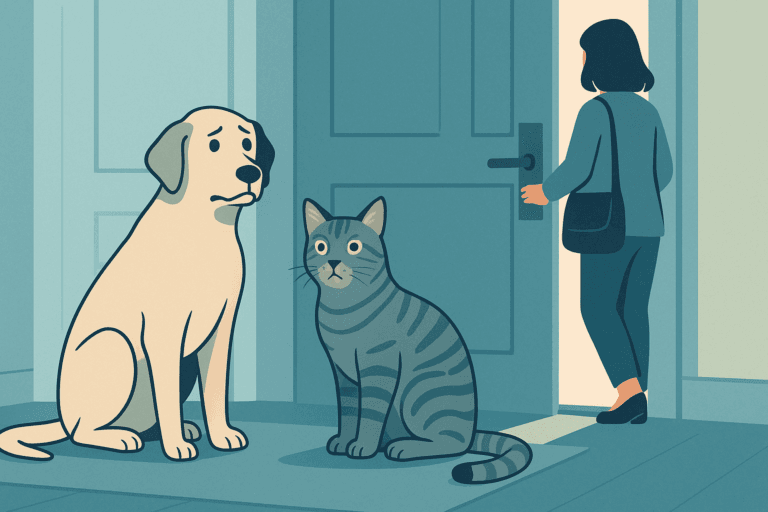
Some dogs lick their lips when they feel uncomfortable. This can happen during scolding, grooming, nail trimming, vet visits, loud noises, unfamiliar visitors, tense dog interactions, or confusing training. The dog may also turn the head away, yawn, blink, lower the body, avoid eye contact, or move slowly.
If the lip licking appears mainly in stressful situations and the dog is otherwise healthy, the solution is usually behavior support rather than medical treatment. Remove pressure, use gentle training, avoid punishment, and reward calm behavior. A dog that licks lips because of fear needs reassurance through safety and predictable handling, not force.
However, anxiety and medical problems can overlap. A nauseous dog may look anxious. A dog with dental pain may become defensive. A dog with abdominal discomfort may pace and lick the lips at night. That is why the full body picture matters.
More Likely Behavioral
- Happens during stress or training
- No vomiting or drooling
- Normal appetite
- Normal energy
- Stops when the trigger is removed
More Likely Medical
- New or constant lip licking
- Swallowing, drooling, or gagging
- Vomiting or poor appetite
- Bad breath or mouth pain
- Restlessness, bloating, weakness, or toxin risk
1. Nausea: One of the Most Common Medical Reasons
A dog licking lips constantly may be nauseous. Dogs cannot say they feel sick, so they show it through body language. Lip licking, swallowing, drooling, eating grass, turning away from food, burping, gulping, pacing, or suddenly becoming quiet can all appear when a dog feels nauseated.
Nausea may come from eating something unusual, stomach irritation, pancreatitis, intestinal upset, motion sickness, medication side effects, kidney or liver problems, infection, parasites, or dietary changes. Some dogs vomit soon after lip licking. Others only swallow repeatedly and act uncomfortable.
If your dog is also vomiting, internally link readers to your guide on vomiting in dogs. If your dog is refusing food, your article on why dogs stop eating is also relevant.
2. Acid Reflux or Empty Stomach Discomfort
Some dogs lick their lips at night or early morning because of stomach acid, reflux, or an empty stomach feeling. These dogs may swallow repeatedly, gulp, burp, lick blankets, eat grass, or vomit yellow bile. The signs may appear before breakfast or several hours after dinner.
Occasional mild signs may improve with diet timing, but repeated reflux-like behavior should be discussed with a veterinarian. Long-term throat or stomach irritation can make dogs uncomfortable, and similar signs can also occur with more serious digestive disease.
Do not start antacids or human stomach medicine without veterinary direction. Dogs need the correct diagnosis and safe dosing.
3. Dental Disease, Mouth Pain, or Oral Injury
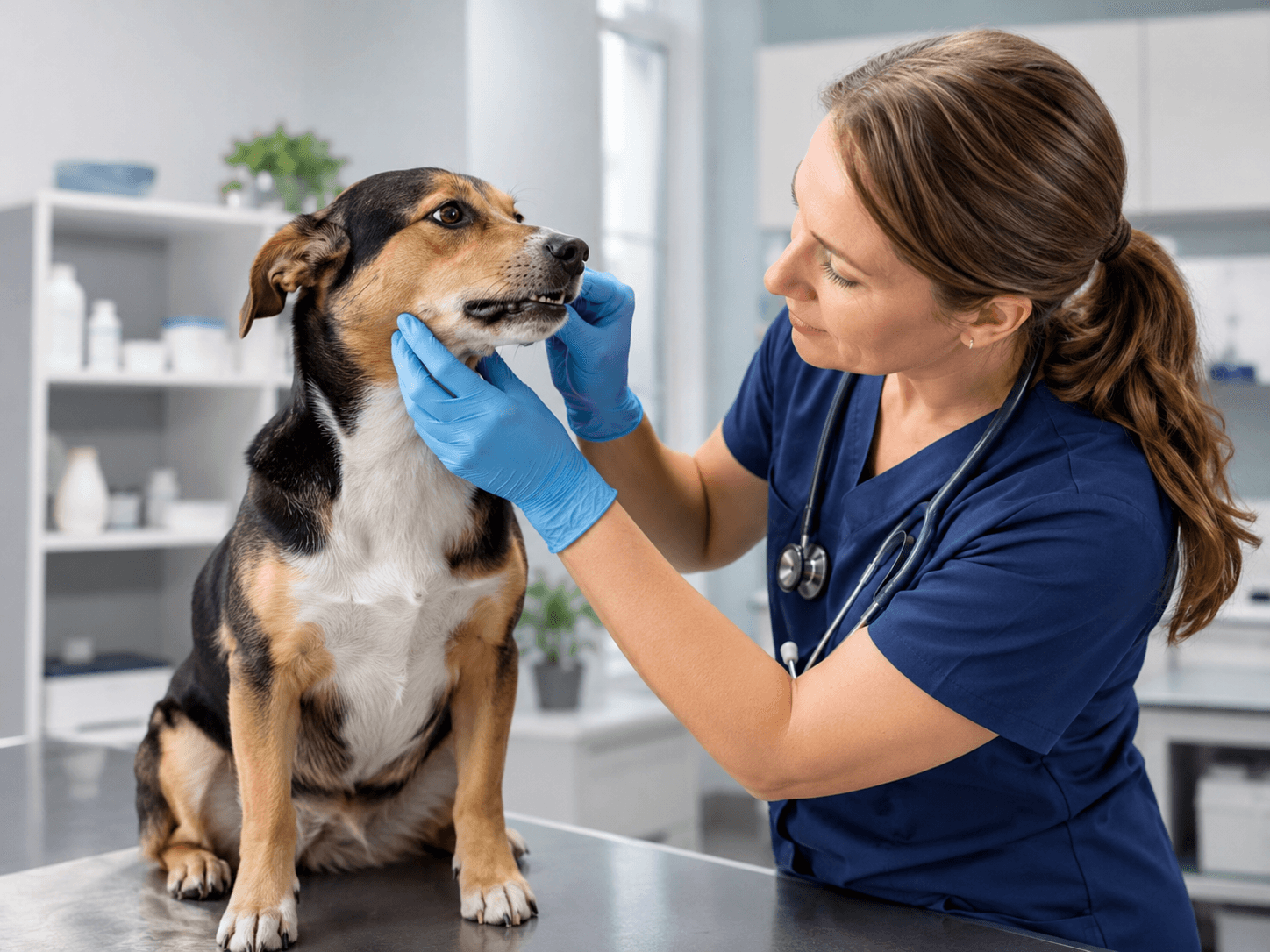
A dog licking lips constantly may have pain inside the mouth. Dental disease, broken teeth, gum infection, mouth ulcers, foreign material stuck between teeth, oral tumors, burns, and jaw pain can all cause lip licking or drooling.
Many dogs with dental pain still eat, especially if they are hungry or highly food-motivated. Instead of refusing food, they may chew on one side, drop kibble, avoid hard treats, paw at the mouth, drool, have bad breath, or become sensitive when the face is touched.
Warning signs of mouth pain include:
- Bad breath that is stronger than usual
- Drooling or thick saliva
- Pawing at the mouth
- Bleeding from the mouth
- Difficulty chewing
- Dropping food
- Swelling around the jaw or face
- Sudden refusal of chew toys or hard food
For prevention and home care basics, link to your existing article on dog dental care at home. But if your dog is already painful, drooling, bleeding, or unable to chew, a veterinary dental exam is needed.
4. Something Stuck in the Mouth
Dogs may lick their lips repeatedly when something is stuck in the mouth or between the teeth. Common examples include a piece of stick, bone fragment, grass awn, string, toy material, food piece, or sharp object. The dog may paw at the face, rub the mouth on the floor, gag, drool, or refuse food.
If your dog allows safe inspection, you can look briefly without forcing the mouth open. Do not push your fingers deep into the mouth of a painful or panicked dog. Do not pull string from under the tongue or throat because it may be anchored deeper. If you see an object and cannot remove it easily and safely, contact a veterinarian.
5. Poisoning or Toxin Exposure
Dog licking lips and drooling can be an early sign of toxin exposure, especially if the dog has chewed something bitter, irritating, or dangerous. Some toxins irritate the mouth. Others cause nausea, vomiting, weakness, tremors, seizures, bleeding, or organ damage.
Possible toxin risks include human medications, chocolate, grapes or raisins, xylitol-containing products, rodenticides, insecticides, toxic plants, cleaning products, nicotine, recreational substances, antifreeze, and unsafe flea or tick products.
If poisoning is possible, do not wait for severe signs. Do not induce vomiting unless a veterinarian or poison control professional instructs you. Keep the packaging, take a photo of the product, estimate the amount, and contact a vet or poison helpline immediately.
For related emergency reading, use your article on chocolate poisoning in dogs and your broader emergency first aid guide for dogs and cats.
Symptom Clues: What Lip Licking May Mean
| What You Notice | Possible Meaning | Best Next Step |
|---|---|---|
| Lip licking during scolding or stress | Anxiety, appeasement, uncertainty | Reduce pressure and use gentle training |
| Lip licking and swallowing | Nausea, reflux, throat irritation, stomach discomfort | Monitor closely; call vet if persistent |
| Lip licking and drooling | Mouth pain, dental disease, toxin exposure, nausea | Check mouth safely and contact vet |
| Lip licking with vomiting | Digestive upset, pancreatitis, toxin, infection, obstruction | Vet advice if repeated or unwell |
| Lip licking with bloated belly or retching | Possible bloat/GDV or abdominal emergency | Emergency care now |
What If Your Dog Keeps Licking Lips, Swallowing, or Burping?
These combinations can provide more useful clues than lip licking alone, but they still do not diagnose the cause. Pay attention to timing, appetite, breathing, abdominal shape, and whether the episode is getting more frequent.
Licking Plus Swallowing or Gulping
A dog that repeatedly licks the lips and swallows may be managing extra saliva or discomfort in the mouth, throat, esophagus, or stomach. Nausea, reflux, dental pain, oral injury, and foreign material are possible. Note whether the behavior happens after food or medication and whether it appears with drooling, refusing food, pawing at the mouth, dog gagging but not throwing up, or regurgitation.
Burping Plus Lip Licking
An occasional burp after fast eating may be harmless, but repeated burping with lip licking can occur with swallowed air, reflux, or stomach discomfort. Record when it happens and whether your dog eats quickly. Recurrent episodes, reduced appetite, pain, vomiting, weight loss, or trouble swallowing deserve a veterinary assessment.
Lip Licking and Swallowing at Night
Night-time timing does not identify one disease. Empty-stomach discomfort, reflux, oral pain, anxiety, or another illness may simply become more noticeable when the house is quiet. Record a short video and note the last meal, medications, treats, and any coughing or gagging. Do not start an antacid or other human medicine without veterinary advice.
Emergency now: Repeated attempts to vomit with nothing coming up, a rapidly enlarging or tense abdomen, heavy drooling, restlessness, breathing trouble, pale gums, weakness, or collapse can indicate a life-threatening problem such as GDV. Go to an emergency veterinarian rather than waiting for the lip licking to stop.
Need a Vet to Review Your Dog’s Signs?
If your dog is licking lips, swallowing, drooling, vomiting, or acting restless and you need professional guidance, request an online vet consultation. Share your dog’s age, symptoms, photos, videos, appetite, and any possible toxin exposure.
Request Online Vet Advice6. Bloat, GDV, or Abdominal Pain
One of the most serious patterns is lip licking with restlessness, retching, drooling, pacing, abdominal swelling, or repeated attempts to vomit without success. In deep-chested dogs, this can be a warning sign for bloat or gastric dilatation-volvulus, also called GDV.
GDV is a life-threatening emergency. Dogs may look anxious, lick lips, drool, pant, stand with a tense posture, retch, or have a swollen abdomen. Do not wait to see if the dog vomits. If this pattern appears, go to an emergency vet.
Internally link to your article on dog bloat and GDV emergency symptoms whenever lip licking appears with retching or abdominal swelling.
7. Pain, Fever, or General Illness
Dogs may lick their lips when they feel generally unwell. Pain, fever, infection, pancreatitis, kidney disease, liver disease, anal gland pain, orthopedic pain, or abdominal discomfort may all change behavior. Some dogs become clingy. Others hide. Some appear restless at night and cannot settle.
A dog licking lips constantly and not eating should be taken seriously. Appetite loss is one of the most useful signs that the problem is not just behavioral. If your dog is refusing food, vomiting, or acting dull, a vet check is safer than waiting several days.
8. Medication Side Effects
Some medications can cause nausea, drooling, reflux, or mouth irritation. Antibiotics, pain medications, anti-inflammatory drugs, supplements, dewormers, and certain long-term prescriptions may upset the stomach in some dogs. A bitter tablet may also make a dog lick the lips immediately after dosing.
If lip licking started after a new medication, tell your vet the drug name, dose, timing, and whether it was given with food. Do not stop prescribed medication suddenly unless your veterinarian advises it, especially if it was given for seizures, heart disease, infection, or pain.
9. Allergies or Irritation Around the Mouth
Some dogs lick around the lips because the skin near the mouth is itchy or irritated. Food residue, skin fold irritation, contact allergy, insect sting, grooming products, grass awns, or environmental allergies can affect the lips and muzzle.
Look for redness, swelling, rubbing the face, scratching, hives, or repeated licking of other body areas. If your dog also has skin problems, your articles on dog skin problems and allergy treatment and dog hair loss causes can support internal linking.
What You Can Check at Home
If your dog is stable, breathing normally, not bloated, not collapsed, and has no known toxin exposure, you can make a careful home assessment before calling your vet. The goal is not to diagnose everything yourself. The goal is to collect useful clues.
Check the Timing
Write down when the lip licking happens. Is it after meals, before vomiting, during car rides, at night, during storms, after medication, during training, or around other dogs? Timing often reveals whether the cause is digestive, behavioral, environmental, or medication-related.
Look at Appetite
A dog that eats normally and only lip licks during stress is different from a dog that refuses food. Loss of appetite, nausea, vomiting, or food refusal makes a medical cause more likely.
Watch for Swallowing and Gulping
Repeated swallowing, gulping, burping, or licking surfaces can suggest nausea, reflux, throat irritation, or stomach discomfort. If this happens repeatedly, record a short video for your veterinarian.
Check the Mouth Safely
If your dog is calm and safe to handle, look for bad breath, drooling, bleeding, broken teeth, swelling, foreign objects, or gum redness. Do not force the mouth open if your dog is painful, fearful, or likely to bite.
Check Gum Color
Healthy gums are usually pink, though some dogs naturally have dark pigment. Pale, white, blue, gray, or very red gums can be concerning, especially with weakness, collapse, or breathing difficulty.
Review Possible Exposures
Think about what your dog could have reached: trash, chocolate, grapes, medications, plants, cleaning products, bones, toys, string, insecticides, rodent poison, or spoiled food. Exposure history can change the urgency.
What Your Vet May Check
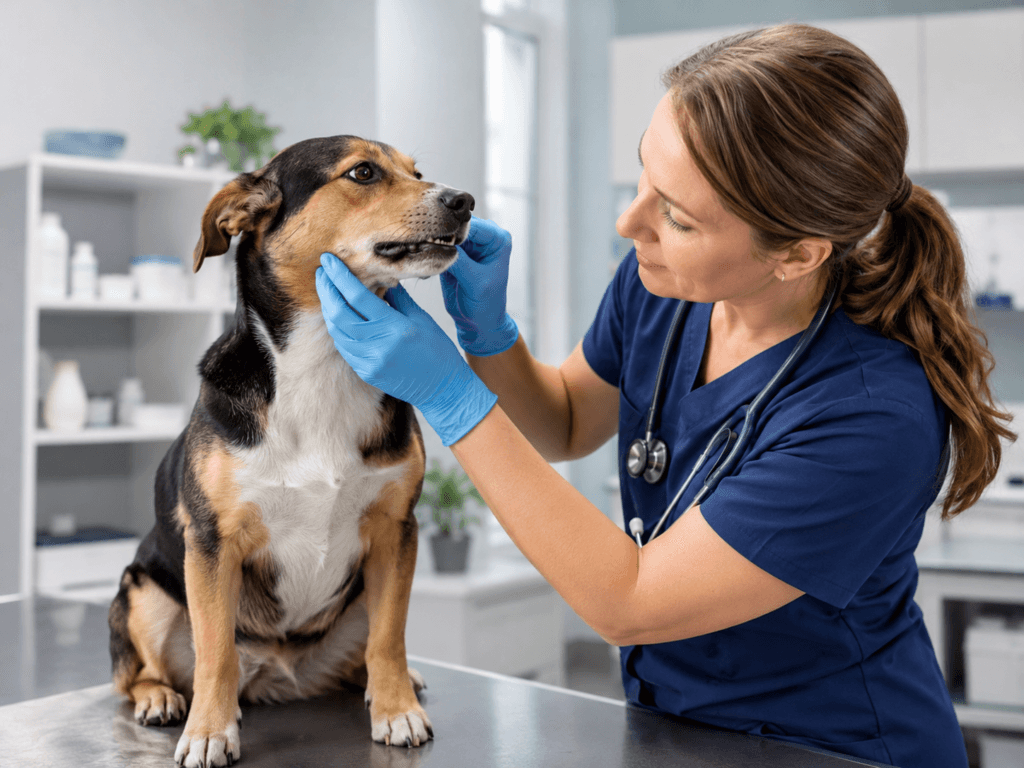
A vet visit for dog licking lips constantly may include a physical exam, mouth exam, abdominal palpation, temperature check, hydration assessment, and questions about diet, vomiting, stool, behavior, medication, and toxin exposure.
Mouth & Dental Exam
Checks teeth, gums, tongue, ulcers, foreign material, swelling, and oral pain.
Abdominal Exam
Looks for pain, bloating, nausea clues, intestinal discomfort, or emergency patterns.
Blood Work
May assess infection, dehydration, liver values, kidney values, electrolytes, and systemic illness.
X-rays or Imaging
May be recommended for foreign body, bloat, obstruction, abdominal pain, or swallowing concerns.
Toxin Assessment
Important if your dog may have eaten medication, chemicals, toxic food, plants, or rodent poison.
Behavior Review
Useful when lip licking is linked with anxiety, fear, training stress, or environmental triggers.
What Not to Do
Do Not Give Human Medicine
Do not give antacids, painkillers, nausea medicine, sedatives, antibiotics, or home remedies unless your veterinarian specifically advises it. Many human medicines are unsafe for dogs or may hide important symptoms.
Do Not Ignore Bloating or Retching
Lip licking with a swollen belly, repeated retching, drooling, and restlessness can be an emergency. Waiting for the dog to vomit can waste critical time.
Do Not Punish Anxiety-Related Lip Licking
If the lip licking is stress-related, punishment can make the dog more anxious. Use calm redirection, remove the stress trigger when possible, and reward relaxed behavior.
Do Not Assume Dental Pain Is Mild
Dogs can eat despite serious dental pain. Bad breath, drooling, pawing at the mouth, or chewing changes deserve an oral exam.
Still Unsure What Your Dog’s Lip Licking Means?
If your dog’s signs are confusing, a short video and symptom history can help. You can request online veterinary guidance and share details about lip licking, swallowing, appetite, vomiting, drooling, dental signs, and behavior changes.
Get Online Vet ConsultationFAQs About Dog Licking Lips Constantly
Why is my dog licking lips constantly?
Your dog may be licking lips because of nausea, anxiety, dental pain, mouth irritation, reflux, poisoning, medication side effects, or abdominal discomfort. Brief lip licking can be normal, but constant or new lip licking should be watched closely.
Does dog lip licking mean nausea?
It can. Lip licking, swallowing, drooling, eating grass, refusing food, and vomiting can all appear when a dog feels nauseous. If nausea signs continue or your dog seems unwell, contact a vet.
Why is my dog licking lips and swallowing?
Lip licking and swallowing may suggest nausea, reflux, throat irritation, mouth pain, or something stuck in the mouth. If it is repeated or paired with vomiting, drooling, or distress, veterinary advice is recommended.
Can dental disease make a dog lick lips?
Yes. Dental pain, gum disease, broken teeth, mouth ulcers, and foreign material in the mouth can cause lip licking, drooling, bad breath, chewing changes, or pawing at the mouth.
Is lip licking a sign of anxiety in dogs?
Yes, lip licking can be a stress or appeasement signal. It may happen during scolding, grooming, training pressure, new situations, or tense dog interactions. If the dog is otherwise healthy and the sign appears only during stress, behavior support may help.
When is lip licking an emergency?
It is urgent if lip licking happens with bloating, repeated retching, poisoning risk, collapse, pale or blue gums, seizures, heavy drooling, breathing difficulty, or severe weakness.
Should I give my dog medicine for lip licking?
No. Do not give human medicine or leftover pet medication without veterinary direction. The correct treatment depends on whether the cause is nausea, dental pain, toxin exposure, anxiety, reflux, or another condition.
Final Takeaway
A dog licking lips constantly may be showing stress, but it can also be showing nausea, dental pain, reflux, mouth irritation, poisoning, or abdominal discomfort. The behavior becomes more concerning when it is new, repetitive, unexplained, or paired with drooling, vomiting, swallowing, bad breath, poor appetite, bloating, weakness, or possible toxin exposure.
Look at the full pattern, keep your dog safe, avoid human medication, and contact a veterinarian if the signs continue or worsen. If your dog is retching, bloated, collapsed, exposed to toxins, breathing abnormally, or showing pale or blue gums, seek emergency care immediately.
Medical disclaimer: This article is for educational purposes only and does not replace veterinary examination, diagnosis, or treatment. If your dog may have eaten something toxic, is bloated, repeatedly vomiting, weak, collapsed, drooling heavily, or breathing abnormally, contact a veterinarian urgently.




2 Comments