
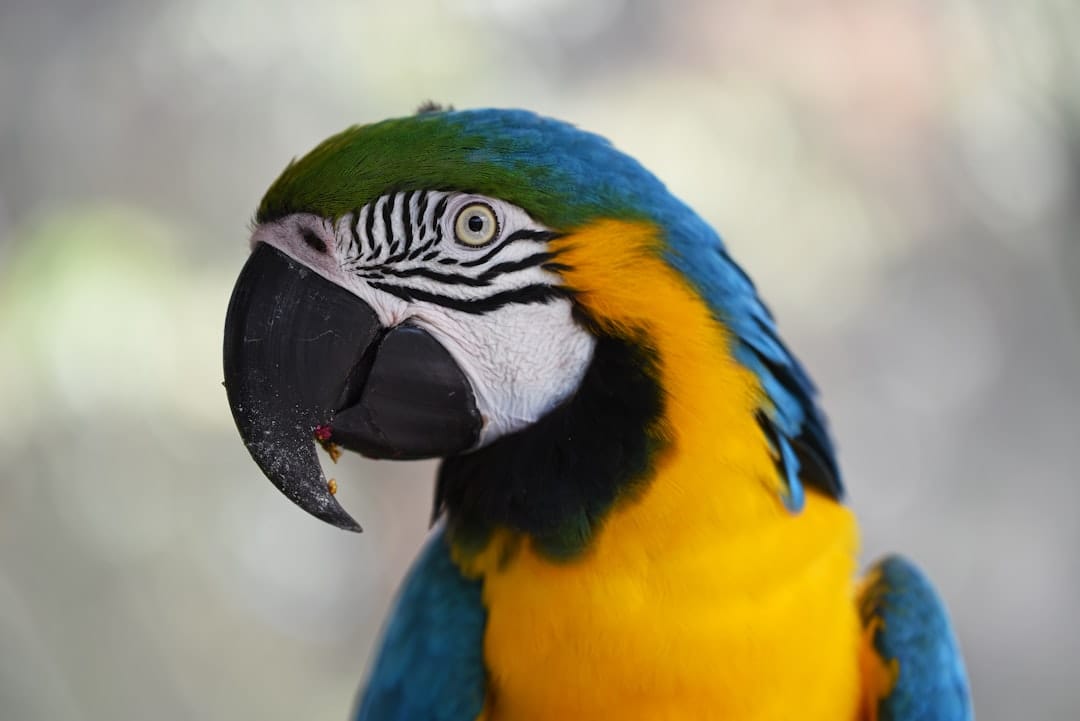
Bird breathing problems should never be judged by sound alone. A pet bird may show tail bobbing, open-mouth breathing, wheezing, clicking, a changed voice, nasal discharge, or simply become quiet and fluffed up. Some brief panting after flight or during heat can settle with rest, but labored breathing at rest can worsen rapidly because birds often hide illness until they have little respiratory reserve left.
This practical guide explains how to recognize respiratory distress, what you can safely do while arranging care, which causes an avian veterinarian may investigate, and which home remedies can make the situation worse. It applies broadly to budgies, cockatiels, parrots, lovebirds, canaries, finches, doves, pigeons, and other companion birds; however, diagnosis and treatment must always be tailored to the individual bird and species.
Bird breathing problems: Emergency alert: go now if breathing is difficult at rest
Contact an avian veterinarian or emergency clinic immediately if your bird is open-mouth breathing at rest, stretching the neck to breathe, showing pronounced tail movement with every breath, turning blue or gray around the mouth, collapsing, unable to perch, becoming minimally responsive, or worsening after smoke, a cooking-fume incident, or another possible toxin exposure. Keep handling and travel stress as low as possible. Do not wait for every symptom on this list to appear.
Bird breathing problems: Quick answer: what does breathing trouble look like in a bird?
A bird in respiratory distress may breathe faster or with more effort than usual, move the tail up and down in time with each breath, hold the wings slightly away from the body, breathe with the beak open, make wet or high-pitched sounds, or assume a stretched-neck posture. Respiratory illness can also look less dramatic: reduced singing, sleeping more, sitting low, poor appetite, weight loss, stained feathers above the nostrils, or a bird that no longer wants to fly.
Watch briefly
Fast breathing that follows vigorous flight, excitement, or a warm room and returns completely to normal within a few quiet minutes may be physiologic. Observe without chasing or restraining the bird.
Call today
Repeated sneezing, a new breathing noise, mild tail bobbing at rest, discharge, voice change, reduced appetite, or lower activity deserves same-day veterinary advice—even if your bird is still perching.
Emergency now
Open-beak breathing at rest, marked effort, neck extension, collapse, blue-gray color, severe weakness, or possible PTFE/smoke exposure should be treated as an emergency.
Bird breathing problems: Bird breathing signs and how urgently to respond
| What you notice | What it may mean | Recommended response |
|---|---|---|
| Brief panting after flight that resolves with quiet rest | Exertion, excitement, or warmth | Observe closely; correct heat or stress and confirm complete recovery |
| Mild but persistent tail bobbing while resting | Increased respiratory effort, pain, weakness, or abdominal pressure | Call an avian veterinarian the same day |
| Sneezing with wet nostrils or eye discharge | Upper-airway irritation or infectious disease | Prompt examination; isolate from other birds until advised |
| Clicking, wheezing, squeaking, or a changed voice | Airway narrowing, mucus, mites, inflammation, or obstruction | Veterinary assessment; video the sound without stressing the bird |
| Open-mouth breathing while quiet | Significant respiratory effort, overheating, obstruction, or systemic disease | Emergency evaluation |
| Neck stretched, wings held out, unable to perch | Severe respiratory compromise | Emergency transport with minimal handling |
| Sudden distress after overheated nonstick cookware, smoke, or aerosol | Potential inhaled toxin | Fresh air and immediate emergency veterinary care |
Bird breathing problems: Why respiratory disease can become serious so quickly
A bird’s respiratory system is highly efficient and differs substantially from a mammal’s. Air moves through the lungs with help from a network of thin-walled air sacs extending through the body. This design supports the oxygen demands of flight, but it also means disease can involve the trachea, lungs, air sacs, sinuses, or several areas at once. Swelling, mucus, fungal material, an inhaled particle, fluid, or pressure from an enlarged organ can interfere with airflow.
Birds also tend to conceal weakness. In nature, an obviously unwell bird may attract predators or aggression from flock members. A companion bird can therefore appear only “a little quiet” while compensating for meaningful illness. By the time it sits on the cage floor or breathes with an open beak at rest, the margin for further stress may be small. This is why an avian clinician may provide warmth and oxygen before performing a complete hands-on examination.
A useful rule for owners
Judge breathing when the bird is calm and has not just flown, struggled, been handled, or become overheated. Persistent effort at rest is more concerning than respiratory rate alone. Species, body size, temperature, activity, and fear all affect the number of breaths per minute.
Bird breathing problems: Is tail bobbing always abnormal?
A tiny rhythmic tail movement can be visible in some healthy birds, especially small species, because the tail and body naturally move with respiration. The concern is a new, obvious up-and-down motion that occurs with every breath while the bird is resting, particularly when combined with abdominal effort, fluffed feathers, reduced activity, discharge, or an abnormal sound. Increased tail motion means the bird may be recruiting more muscles to move air.
Do not provoke exercise to “test” the bird. Instead, step away, let it settle, and record a short video from a distance. Compare the movement with older videos if available. A video can help the veterinarian because birds sometimes mask signs in the clinic or breathe faster simply from travel stress.
Bird breathing problems: When can open-mouth breathing be normal?
Temporary open-beak breathing can occur after strenuous flight, intense fear, or overheating. It should lessen promptly when activity stops and the bird is moved to a comfortable, well-ventilated environment. The bird should remain alert, retain normal color, perch normally, and return completely to its usual breathing pattern.
Open-mouth breathing is not normal when it starts at rest, continues after recovery time, repeatedly returns, or is accompanied by tail bobbing, neck stretching, noise, weakness, a drooping posture, or color change. A bird with those signs should not be caught repeatedly, examined forcefully at home, or made to fly. Seek veterinary help.
Bird breathing problems: What to do right now if your bird is struggling to breathe
Low-stress emergency checklist
- Call first. Tell the clinic the species, current signs, when they began, and whether fumes, trauma, heat, or a foreign object may be involved. Confirm that the clinic can stabilize birds.
- Stop exertion. Dim the room, keep children and pets away, and avoid repeated handling, photographs, or attempts to inspect the throat.
- Move away from fumes. If smoke, aerosol, gas, or overheated cookware is suspected, move the bird to clean air without delaying emergency care. Protect yourself from unsafe air as well.
- Use a small secure carrier. Keep the carrier quiet and stable. A low perch may be appropriate only if the bird can grip; otherwise pad the bottom with a clean towel and remove objects that could cause injury.
- Maintain a comfortable temperature. Prevent chilling, but do not overheat a panting bird. Heat should never be intense, direct, or unmonitored.
- Bring evidence. Take a short breathing video, note recent diet and environmental changes, and bring product labels if exposure is possible.
What not to do
Do not give leftover antibiotics, human cold medication, essential oils, decongestants, or pet-store “respiratory drops.” Do not place medication in drinking water unless an avian veterinarian has prescribed that exact method; sick birds may drink unpredictably, causing underdosing or dehydration. Avoid force-feeding or syringing water into a bird that is weak or breathing hard because aspiration can be fatal. Steam and humidity are not substitutes for oxygen, diagnosis, or targeted treatment, and dirty humidifiers can disperse mold.
Common causes of bird breathing problems
The same outward sign can arise from very different diseases. Antibiotics will not treat a fungal infection, an air sac mite infestation, toxin injury, a mass, or heart disease. That is why treatment based only on the sound of breathing is risky.
1. Bacterial infection and avian chlamydiosis
Bacteria can affect the nostrils, sinuses, trachea, lungs, or air sacs. Signs may include nasal or eye discharge, sneezing, a swollen area around the eye, labored breathing, poor appetite, lethargy, and abnormal droppings. Infection may be primary or develop after stress, poor nutrition, crowding, or another disease weakens normal defenses.
Chlamydia psittaci causes avian chlamydiosis and can infect people, where the illness is called psittacosis. Affected birds may have respiratory signs, reduced appetite, fluffed feathers, low energy, eye or nasal discharge, or greenish droppings, yet some infected birds appear normal and still shed the organism. If chlamydiosis is suspected, isolate the bird from other birds, avoid creating dust while cleaning, wash hands, and follow veterinary and public-health instructions. Anyone who develops fever, headache, muscle aches, or cough after bird exposure should tell a healthcare professional about that exposure.
2. Fungal disease, including aspergillosis
Aspergillosis can involve the lungs, air sacs, or airway and may produce tail bobbing, coughing, difficulty breathing, voice change, lethargy, and weight loss. Risk can increase with poor ventilation, moldy feed or bedding, heavy environmental spore exposure, malnutrition, chronic stress, or immune suppression. It may develop slowly, so a bird can lose condition before obvious distress appears. Diagnosis can require imaging, laboratory testing, or endoscopy; treatment is prolonged and must be directed by an avian veterinarian.
3. Air sac mites and other parasites
Air sac mites are especially recognized in canaries and Gouldian finches, although other birds may be affected. Heavy infestations can cause clicking, a high-pitched respiratory sound, sneezing, tail bobbing, open-mouth breathing, and reduced song or exercise tolerance. A quiet-room recording made at night may help document the sound. Antiparasitic medication must be correctly chosen and dosed for the bird’s species and weight; concentrated livestock or dog products can be dangerous.
4. Smoke, aerosols, scents, and PTFE fumes
Birds are highly vulnerable to airborne irritants. Cigarette and vape smoke, incense, scented candles, perfume, hairspray, cleaning sprays, paint fumes, solvents, and cooking smoke may inflame the respiratory tract. Polytetrafluoroethylene (PTFE) and related nonstick coatings can release lethal fumes when overheated. Sources may include cookware as well as certain self-cleaning ovens, heat lamps, irons, appliances, and coated equipment. Birds can become acutely distressed or die with little warning.
If an inhaled toxin is possible, remove the bird from the exposure only if you can do so safely, ventilate the area, and seek emergency veterinary care. A bird that seems to improve may still have lung injury. Long-term second-hand and residue exposure from tobacco can also contribute to chronic respiratory and skin problems.
5. Vitamin A deficiency and inappropriate diet
Seed-heavy diets can be deficient in vitamin A and other nutrients. Vitamin A supports healthy epithelial surfaces lining the mouth, choana, and respiratory tract. Deficiency can impair these tissues, alter the small papillae in the mouth, and increase vulnerability to secondary infection. Diet history matters, but owners should not give high-dose vitamin A without veterinary guidance because excessive supplementation can be harmful. A gradual, species-appropriate transition to a balanced formulated diet plus suitable vegetables is safer than abrupt restriction.
6. Foreign material, obstruction, trauma, and aspiration
A seed hull, mucus plug, inhaled particle, mass, or traumatic swelling can narrow the airway. Hand-fed chicks and weak adult birds are at risk of aspirating formula, food, or liquid into the respiratory tract. Sudden noisy breathing, repeated swallowing, gag-like motion, voice loss, or distress after feeding needs urgent assessment. Do not probe the beak or throat: the object can be pushed deeper, delicate tissue may be injured, and restraint itself may exhaust the bird.
7. Heart, liver, reproductive, and abdominal disease
Not every breathing problem begins in the respiratory tract. Heart disease, anemia, liver enlargement, fluid within the body cavity, obesity, tumors, or reproductive disease can reduce oxygen delivery or compress air sacs. A hen with egg binding may strain, sit low, widen the stance, or breathe with visible effort. Weight loss, abdominal enlargement, altered droppings, exercise intolerance, or repeated episodes help the veterinarian build a broader differential list.
8. Heat stress, exertion, pain, and fear
A hot environment, intense flight, struggling during restraint, or acute fear can cause panting. Heat-stressed birds may hold the wings away from the body and breathe with the beak open. Move the bird calmly to a cooler, well-ventilated space and stop activity, but avoid sudden chilling. If panting fails to resolve quickly, the bird becomes weak, or other signs are present, treat it as an emergency rather than assuming it is merely hot.
Bird breathing problems: Upper airway, lower airway, or a non-respiratory problem?
| Pattern | Clues an owner may notice | Examples a veterinarian may consider |
|---|---|---|
| Upper respiratory tract | Sneezing, blocked nostril, nasal or eye discharge, stained facial feathers, swollen sinus area, voice change | Irritation, bacterial or chlamydial disease, fungal material, foreign body, nutritional change |
| Lower respiratory tract and air sacs | Tail bobbing, cough, wheeze, click, reduced stamina, open-mouth breathing, marked abdominal effort | Pneumonia, airsacculitis, aspergillosis, air sac mites, inhaled toxin, aspiration |
| Systemic or space-occupying disease | Weakness, weight change, distended abdomen, abnormal droppings, reproductive signs, exercise intolerance | Anemia, heart or liver disease, obesity, fluid, mass, egg-related disease |
These patterns overlap, and a sick bird may have more than one problem. The table is a guide for communicating observations—not a method for home diagnosis.
Bird breathing problems: Species-specific clues worth mentioning to the vet
Budgies and cockatiels
Note cere or nostril changes, sneezing, facial staining, flock exposure, diet, and reproductive behavior. A budgie that is breathing harder and also sitting fluffed up may be significantly ill; see our guide to a fluffed-up budgie.
Canaries and finches
Report clicking or loss of song, whether noise is worse at night, and any new birds. Air sac mites are an important consideration in some small finches and canaries, but infections and environmental disease can look similar.
African greys and larger parrots
Share changes in voice, flight stamina, body weight, household renovation, mold exposure, and long-term diet. Aspergillosis, cardiovascular disease, obesity, and masses may enter the differential list depending on the history and examination.
Pigeons, doves, and poultry
Tell the veterinarian about outdoor access, contact with wild birds, flock illness, new additions, parasites, and local disease alerts. Separate a sick flock member and use dedicated cleaning equipment while obtaining professional advice.
Bird breathing problems: How an avian veterinarian investigates breathing problems
The first priority is often stabilization, not an immediate full workup. The veterinary team may observe the bird in its carrier, assess effort and posture, and provide a warm oxygenated enclosure before restraint. Handling can increase oxygen demand, so examination and testing may be staged according to the bird’s condition.
Your history is diagnostically important. Be prepared to describe the onset and progression, recent new birds, quarantine practices, diet, weight trend, cage location, ventilation, cooking appliances, smoke or fragrance exposure, cleaning products, mold, reproductive behavior, medications, and any response to activity. Bring videos and photographs of droppings if they show a change.
Possible tests
- Physical examination and accurate weight: body condition, nostrils, mouth, choana, eyes, heart, respiratory sounds, abdomen, and hydration are assessed when safe.
- Blood tests: a complete blood count and chemistry profile can identify inflammation, anemia, dehydration, and organ involvement.
- Radiographs: whole-body X-rays can reveal changes in lungs and air sacs, enlarged organs, fluid, eggs, or masses. Stabilization or sedation may be needed first.
- Sampling: nasal flush, sinus aspirate, choanal or tracheal samples, cytology, culture, and antimicrobial sensitivity may be used depending on the location of disease.
- Targeted infectious testing: polymerase chain reaction or other tests may investigate chlamydiosis and selected pathogens based on species and exposure.
- Advanced imaging or endoscopy: CT or direct examination of air sacs and internal structures may be recommended for subtle, chronic, fungal, or mass-like disease.
No single test fits every bird. A critically dyspneic patient may need oxygen and minimal disturbance before blood collection or imaging is safe.
Bird breathing problems: How bird respiratory problems are treated
Treatment depends on both the cause and the bird’s stability. Emergency support may include supplemental oxygen, controlled warmth, fluids, and carefully selected nutritional support. A bacterial infection may require an antimicrobial chosen from likely organisms or culture results. Chlamydiosis requires a specific, sufficiently long treatment plan plus environmental control and attention to zoonotic risk. Fungal disease needs antifungal therapy and correction of environmental or nutritional factors. Air sac mites require a properly dosed antiparasitic. An obstruction, egg, fluid, or mass may require a procedure or disease-specific treatment.
Owners should complete the prescribed course and attend rechecks even when breathing appears better. Stopping medication early, using a shared flock water dose without monitoring intake, or leaving mold, smoke, crowding, or dietary deficiency uncorrected can lead to treatment failure or recurrence. Some diseases need repeat imaging or laboratory tests before they can be considered resolved.
Why “just give an antibiotic” is unsafe
Respiratory signs are not a diagnosis. Antibiotics do not treat fungi, mites, toxins, foreign material, heart disease, or reproductive pressure. An incorrect drug or dose can delay effective care, disturb normal organisms, cause toxicity, and make later culture results harder to interpret.
Bird breathing problems: Caring for the bird during recovery
Follow the treating veterinarian’s instructions because the correct environment varies with the condition. In general, recovery is easier in a quiet hospital cage with easy access to food and water, low perches for a bird that is weak, stable temperature, and clean air. Monitor food intake, droppings, activity, medication delivery, and daily weight when weighing is safe. A sudden drop in weight can be important even when feathers make the bird look unchanged.
Keep the patient separate from flock mates if infection is possible, but consider visual or vocal contact if the veterinarian says it is safe and separation causes severe stress. Use dedicated bowls and cleaning tools. Clean damply rather than sweeping dried material into the air. Wash hands after handling the bird or cage, and follow specific protective instructions when chlamydiosis is being investigated.
How to reduce the risk of respiratory disease
Clean air
Keep birds away from kitchens, smoke, vaping, aerosols, candles, incense, strong fragrances, solvents, and renovation dust. Verify whether heated appliances contain PTFE or related coatings.
Dry, hygienic housing
Replace soiled cage paper, wash bowls daily, store feed dry, and discard moldy food or bedding. Ventilate without placing the cage in a strong draft. Clean humidifiers meticulously.
Nutrition and prevention
Use a species-appropriate balanced diet, monitor weight, arrange avian wellness visits, and quarantine new birds with veterinary guidance. Our complete bird care guide covers housing and feeding foundations.
Watch each bird’s normal behavior. Daily familiarity with song, appetite, droppings, flight, perch position, and resting breathing makes subtle change easier to detect. For budgies, the budgie care guide provides additional husbandry detail. If loose droppings occur alongside respiratory or systemic illness, review the warning signs in our budgie diarrhea guide and contact your veterinarian.
A simple breathing observation record
Good observations can speed triage. Record the time, what the bird was doing before the episode, whether the beak was open, the degree of tail movement, any sound, posture, color, discharge, appetite, droppings, room temperature, and possible exposure. Film 20–30 seconds from a distance without flash. If your veterinarian asks for a resting respiratory rate, count while the bird is calm and follow the clinic’s instructions; do not handle the bird simply to obtain a number.
| Time and trigger | Breathing and posture | Other changes |
|---|---|---|
| At rest, after flight, after handling, during heat, or sudden exposure | Beak open/closed, tail movement, sound, neck position, wing position, ability to perch | Appetite, activity, voice, eyes/nose, droppings, weight, medication |
Frequently asked questions
Why is my bird breathing heavily but acting normal?
Recent flight, fear, restraint, and heat can temporarily increase breathing. Allow quiet rest and observe from a distance. If effort persists, repeatedly returns, includes tail bobbing or noise, or occurs without a clear trigger, contact an avian veterinarian. Birds can compensate while still appearing alert.
Why is my bird’s tail bobbing while sleeping?
A very slight movement may reflect normal breathing, but a pronounced new bob at rest or during sleep can indicate increased effort. Record a video without waking or frightening the bird and arrange veterinary advice, especially if the bird is fluffed, quiet, losing weight, or making respiratory sounds.
Can a bird recover from a respiratory infection?
Many birds recover when the cause is identified early and treated appropriately. Prognosis depends on the organism or underlying disease, severity, species, duration, and whether the lungs or air sacs are involved. Delayed care and severe distress worsen risk.
Is sneezing always a respiratory infection?
No. An occasional sneeze can clear dust or seed debris. Repeated sneezing, discharge, blocked nostrils, swollen tissues, facial staining, reduced appetite, or breathing effort is abnormal and needs assessment. Irritants, nutritional disease, foreign material, and infection can overlap.
Should I use steam for a bird that is breathing hard?
Do not delay emergency care for steam. Carefully controlled humidity may be part of supportive management in selected cases, but heat, handling, bathroom fumes, or a contaminated humidifier can add risk. Ask the avian veterinarian what environment is appropriate for the diagnosed condition.
Can I catch a respiratory infection from my bird?
Some avian infections are zoonotic. Chlamydia psittaci, the cause of psittacosis in people, is an important example. Most breathing problems are not automatically dangerous to humans, but hygiene and veterinary diagnosis matter. If you become unwell after bird exposure, tell your healthcare professional that you keep or handled birds.
Should I separate a bird with breathing problems?
Separation can reduce exposure and make food, droppings, and medication easier to monitor, but sudden isolation may stress a bonded bird. Place the bird in a calm separate enclosure and ask the veterinarian about distance, ventilation, and whether visual contact is appropriate.
How can I transport a bird that is short of breath?
Call the clinic, use a small secure carrier, keep it quiet, avoid unnecessary perches for a weak bird, and maintain a comfortable temperature. Do not chase the bird around a large cage if there is a safer low-stress transfer method. The clinic can give species-specific transport instructions.
Can respiratory disease change a bird’s droppings?
Yes, indirectly or as part of systemic infection. A sick bird may eat less, become dehydrated, or have liver and intestinal involvement. Chlamydiosis can be associated with greenish droppings. Dropping changes do not identify the cause, but a photograph and fresh sample may help your veterinarian.
Related GVH bird health guides
Bird Care Guide
Species, housing, diet, enrichment, routine health, and preventive-care foundations for companion birds.
Budgie Sitting Fluffed Up
How to separate cold or resting behavior from pain, weakness, infection, and emergency illness.
Egg Binding in Budgies
Warning signs, safe first response, veterinary treatment, and prevention for an important breathing mimic.
GVH veterinary takeaway
A quiet bird with new tail bobbing, a changed voice, wet breathing, or reduced stamina may be giving an early warning. Open-mouth breathing at rest, severe effort, collapse, color change, or sudden distress after fumes is an emergency. Keep the bird calm, avoid unprescribed medication and force-feeding, and let an avian veterinarian stabilize and diagnose the cause.
Veterinary references
- Merck Veterinary Manual: Lung and Airway Disorders of Pet Birds
- Merck Veterinary Manual: Management and Examination of Pet Birds
- Merck Veterinary Manual: Toxicoses of Pet Birds
- VCA Animal Hospitals: Respiratory Disease in Birds
- US Centers for Disease Control and Prevention: About Psittacosis
Medical disclaimer: This educational article does not replace an examination by an avian veterinarian. Breathing difficulty in a bird can be life-threatening. If your bird is struggling to breathe, seek urgent professional care rather than attempting home diagnosis or treatment.






2 Comments