
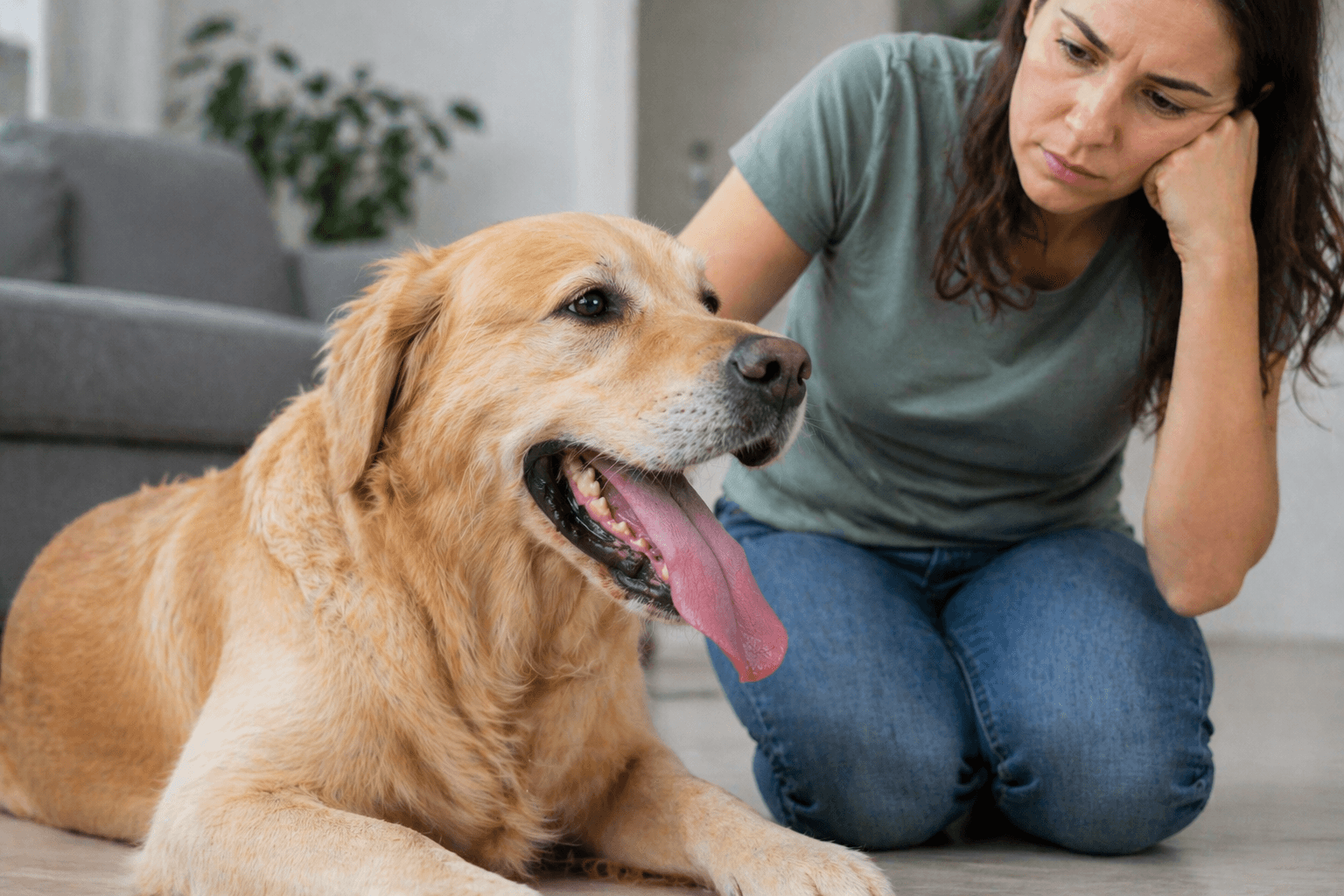
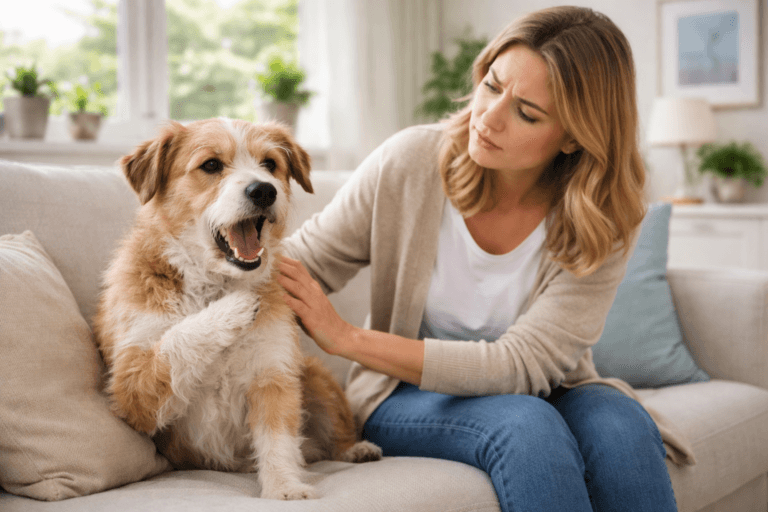
Why is my dog panting so much is a question many owners ask when their dog suddenly starts breathing fast, keeping the mouth open, or looking restless even while resting. Sometimes why is my dog panting so much has a simple answer, such as hot weather, exercise, excitement, or stress. But in other cases, why is my dog panting so much can point toward pain, fever, heatstroke, heart disease, breathing difficulty, poisoning, abdominal discomfort, or another serious condition. The key is to understand whether the panting fits the situation or feels unusual for your dog.
At General Veterinary Hospital Lahore, panting is a very common complaint, especially during hot months. Some dogs arrive after a long walk in warm weather and recover quickly with rest, cooling, and hydration. But we also see dogs whose panting is actually the first visible sign of a painful abdomen, heatstroke, pyometra, heart stress, or severe anxiety. This is why panting should never be judged alone. It should always be assessed with the dog’s temperature, energy, gum color, breathing pattern, appetite, posture, and recent history.
Many owners say, “Doctor, he is just panting but not crying,” or “She is breathing with her mouth open but still standing.” In dogs, panting may be the way the body shows stress, pain, overheating, or internal discomfort before more obvious signs appear. This guide explains normal panting, dangerous panting, common causes, home checks, first-aid steps, and when your dog needs veterinary care.
Is panting normal in dogs?
Yes, panting can be completely normal. Dogs do not sweat like humans do. They mainly cool themselves by panting. When a dog pants, moisture evaporates from the tongue and upper airways, helping release heat from the body.
Normal panting usually happens after:
- Exercise or play
- Hot weather
- Excitement
- Stress or fear
- Travel
- Short activity in warm surroundings
Normal panting should gradually settle when the dog rests in a cool, calm place. If the panting continues, becomes very heavy, happens at rest, or comes with other symptoms, it may not be normal.
| Panting Pattern | What It May Mean |
|---|---|
| Panting after exercise, then settling with rest | Usually normal |
| Panting in hot weather with weakness or drooling | Possible heat stress or heatstroke |
| Panting at rest or during sleep | Pain, fever, heart or breathing problem may be present |
| Panting with vomiting, bloating, collapse, or pale gums | Emergency warning sign |
Common causes of heavy panting in dogs
The most common causes include:
- Heat and exercise
- Stress, fear, or anxiety
- Pain or internal discomfort
- Fever or infection
- Heatstroke
- Heart disease
- Respiratory disease
- Poisoning or toxin exposure
- Medication side effects
- Hormonal disease such as Cushing’s disease
1. Heat and exercise
The simplest reason for panting is heat or physical activity. After running, playing, climbing stairs, or walking in hot weather, dogs pant to cool down. This is expected, especially in thick-coated, overweight, senior, or flat-faced dogs.
However, Lahore’s hot weather can make ordinary panting turn dangerous quickly. A dog that is panting heavily, drooling, stumbling, vomiting, or refusing to move may be overheating, not just tired.
At General Veterinary Hospital Lahore, we commonly see heat-related cases during summer. Some dogs are brought in after being walked during peak heat, kept on rooftops, left in poorly ventilated rooms, or transported in hot vehicles. Early panting may be the first warning sign before heatstroke develops.
If heat is involved, your related article on heatstroke in dogs is highly relevant for owners.
2. Stress, fear, or anxiety
Dogs may pant when they are nervous, scared, or overstimulated. Fireworks, thunderstorms, car rides, visitors, clinic visits, grooming, separation, or loud noises can trigger anxiety panting.
An anxious dog may also show:
- Pacing
- Whining
- Trembling
- Hiding
- Lip licking
- Wide eyes
- Restlessness
At General Veterinary Hospital Lahore, nervous panting is common in dogs during their first clinic visit. Some dogs pant heavily while their temperature, heart, and lungs are normal. Once they calm down, the panting improves. But anxiety should only be assumed when other medical signs are absent.
3. Pain or internal discomfort
Pain is one of the most commonly missed causes of panting. Dogs do not always cry when they are in pain. Instead, they may pant, pace, stand awkwardly, refuse to lie down, or look restless.
Pain-related panting can happen with:
- Abdominal pain
- Back or neck pain
- Arthritis
- Injury
- Pancreatitis
- Bloat or GDV
- Urinary problems
- Post-surgical discomfort
A real-life pattern we see is the dog who keeps changing positions, pants at night, and cannot settle. The owner may think the dog is hot, but examination reveals abdominal pain, joint pain, or another painful condition.
If your dog is panting with a swollen belly, unproductive retching, restlessness, or collapse, dog bloat and GDV becomes an emergency concern.
4. Fever or infection
Dogs may pant when they have fever. Infection and inflammation raise body temperature and make the dog feel uncomfortable. Fever-related panting may come with dullness, poor appetite, weakness, shivering, or hiding.
Infections that may cause panting include:
- Uterine infection in unspayed females
- Urinary infection
- Lung infection
- Skin infection
- Ear infection with pain
- Internal infection or inflammation
In unspayed female dogs, panting with increased thirst, vomiting, appetite loss, or discharge should raise concern for pyometra in dogs. This condition can become life-threatening if treatment is delayed.
5. Heatstroke
Heatstroke is one of the most dangerous causes of excessive panting. It happens when the body becomes too hot and cannot cool itself properly. Heavy panting may be followed by drooling, red gums, vomiting, diarrhea, weakness, confusion, collapse, seizures, or death.
Flat-faced breeds, overweight dogs, senior dogs, puppies, thick-coated dogs, and dogs with heart or breathing problems are at higher risk. In Lahore, heatstroke can happen faster than many owners expect, especially during afternoon walks or transport in poor ventilation.
6. Heart disease
Heart problems can cause panting because the body is not getting oxygen and circulation as efficiently as it should. Dogs with heart disease may breathe faster, tire easily, cough, avoid exercise, or pant at rest.
Owners may notice the dog no longer wants to walk as far, pants after mild activity, or breathes faster while sleeping. Some dogs also cough at night or after excitement.
Heart-related panting is especially important in senior dogs and breeds prone to heart disease. It should not be dismissed as age alone.
7. Breathing problems
Respiratory disease can also cause panting or fast breathing. A dog may pant because it is struggling to move enough air. This can happen with airway disease, pneumonia, throat problems, collapsing trachea, asthma-like conditions, or flat-faced airway syndrome.
Warning signs include:
- Noisy breathing
- Blue or pale gums
- Open-mouth breathing at rest
- Neck stretched forward
- Severe coughing
- Weakness or collapse
Any dog that looks like it cannot breathe comfortably needs urgent attention.
8. Poisoning or toxin exposure
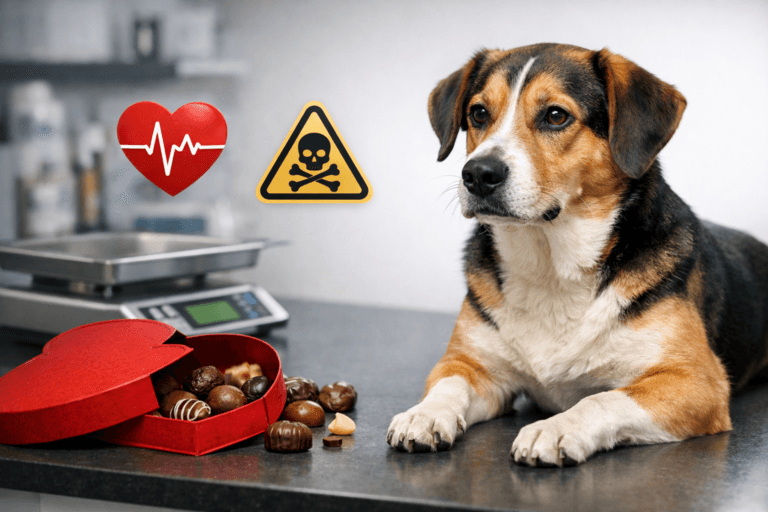
Some toxins cause panting, restlessness, tremors, vomiting, drooling, weakness, or seizures. Chocolate, insecticides, rodenticides, human medications, toxic plants, and spoiled food are common concerns.
At General Veterinary Hospital Lahore, we have seen dogs pant heavily after eating chocolate, unknown household items, or food scraps that caused serious digestive upset. In toxin cases, panting is often only one part of the picture.
If chocolate exposure is possible, your article on chocolate poisoning in dogs is a strong internal support.
9. Medication side effects
Some medicines can make dogs pant more. Steroids are a common example and may also increase thirst, appetite, and urination. Some pain medicines, heart medicines, and other drugs may also affect breathing or comfort depending on the dog’s condition.
If panting started after a new medication, inform your veterinarian. Do not stop prescribed medicine suddenly unless advised, because some medicines need careful adjustment.
10. Cushing’s disease and hormonal causes
Cushing’s disease is a hormonal condition that commonly affects middle-aged and older dogs. These dogs may pant more than usual, drink more water, urinate more, eat more, gain a pot-bellied appearance, or develop hair thinning.
Because these signs develop slowly, owners may not connect them at first. A dog that pants frequently at rest, especially with increased thirst and appetite, may need testing for hormonal disease.
How serious is your dog’s panting?
| Signs With Panting | Risk Level | What to Do |
|---|---|---|
| Panting after play or heat, settles with rest | Low | Cool, rest, observe |
| Panting with anxiety but otherwise normal | Mild to moderate | Calm environment and monitor |
| Panting at rest with pain, vomiting, or appetite loss | High | Same-day vet exam |
| Panting with collapse, blue gums, bloated belly, or heatstroke signs | Emergency | Urgent veterinary care |
What you can check at home
If your dog is stable, responsive, and breathing comfortably, you can quickly check a few things at home:
- Did panting start after exercise, heat, stress, or travel?
- Is the dog able to settle in a cool room?
- Are the gums pink, pale, blue, or very red?
- Is there vomiting, diarrhea, coughing, or collapse?
- Is the belly swollen or painful?
- Is the dog drinking more water than usual?
- Did the dog eat chocolate, medicine, garbage, or a chemical?
You can also count your dog’s resting breathing rate when sleeping or fully relaxed. Fast breathing at rest can be more concerning than panting after activity.
What not to do
- Do not give human painkillers
- Do not force exercise to “calm the dog down”
- Do not ignore panting at rest
- Do not delay if gums are pale, blue, or brick red
- Do not cover the dog with wet towels during suspected heatstroke without airflow
- Do not assume old dogs pant only because of age
One common mistake is waiting too long because the dog is still standing or wagging the tail. Dogs can remain responsive even when pain, heat stress, or internal illness is already serious.
When panting needs urgent veterinary care
Seek urgent care if panting is associated with:
- Collapse or severe weakness
- Blue, pale, grey, or very red gums
- Severe heat exposure
- Vomiting or diarrhea with weakness
- Bloated abdomen or unsuccessful retching
- Possible poisoning
- Open-mouth breathing at rest with distress
- Seizures or confusion
- Known heart disease with worsening breathing
At General Veterinary Hospital Lahore, one memorable case involved a dog brought in for heavy panting after a hot afternoon. The owner thought the dog was only tired, but the dog was also drooling heavily and becoming weak. Early cooling and treatment made a major difference. Another case involved a dog panting at night with restlessness, and the real problem was abdominal pain. These examples show why panting must be judged with the full body, not as a single sign.
For broader urgent care information, emergency first aid for dogs and cats is a helpful related guide.
How veterinarians diagnose the cause
Veterinary diagnosis begins with history and examination. Your veterinarian may ask when the panting started, whether it happens at rest, whether the dog was exposed to heat, and whether there are other signs such as coughing, vomiting, pain, anxiety, or increased thirst.
The work-up may include:
- Temperature check
- Heart and lung examination
- Gum color and hydration assessment
- Abdominal examination
- Blood tests if infection, organ disease, or hormonal disease is suspected
- X-rays or ultrasound if heart, lungs, abdomen, or bloat are concerns
Because panting has many possible causes, a proper exam is often the fastest way to separate normal panting from a dangerous problem.
How dog panting is treated
Treatment depends on the cause.
Heat or exercise
The dog may need rest, shade, fresh water, and careful cooling. Heatstroke needs urgent treatment.
Anxiety
Management may include behavior support, calming routines, safe spaces, and sometimes veterinary-prescribed medication for severe cases.
Pain
The painful condition must be diagnosed and treated. Pain relief should only be given under veterinary guidance.
Fever or infection
The source of infection needs to be found and treated properly.
Heart or lung disease
These dogs may need oxygen support, medication, imaging, and ongoing monitoring.
Poisoning
Toxin cases may need emergency stabilization, decontamination, fluids, and specific treatment depending on the substance.
Hormonal disease
Conditions such as Cushing’s disease need testing and long-term treatment planning.
Simple panting severity chart
Frequently asked questions
Why is my dog panting so much at night?
Night panting may happen because of pain, anxiety, heat, heart disease, hormonal disease, or discomfort. If it repeats or your dog cannot settle, a veterinary check is recommended.
Why is my dog panting while resting?
Panting at rest is more concerning than panting after exercise. Pain, fever, heart disease, breathing trouble, heat stress, or internal illness may be involved.
Can anxiety make dogs pant heavily?
Yes. Anxiety can cause panting, pacing, trembling, and restlessness. But anxiety should not be assumed if there are signs of pain, weakness, vomiting, or breathing difficulty.
Is panting a sign of pain in dogs?
Yes. Many dogs pant when they are in pain, even if they are not crying. Restlessness, hunched posture, poor appetite, or guarding the belly can support this suspicion.
Final thoughts
Why is my dog panting so much is an important question because panting can be normal or serious depending on the situation. A dog panting after exercise or heat may simply need rest and cooling. But why is my dog panting so much becomes a bigger concern when the panting happens at rest, continues too long, or appears with weakness, vomiting, pain, coughing, collapse, pale gums, or heat exposure. In those cases, panting may be a warning sign of pain, heatstroke, heart disease, poisoning, fever, or another urgent condition.
At General Veterinary Hospital Lahore, we often see that early action makes the biggest difference. Owners who notice abnormal panting and act quickly can prevent a mild problem from becoming dangerous. Panting is not a diagnosis by itself. It is a clue from your dog’s body that something may need attention.
If your dog is panting heavily without an obvious reason, cannot settle, seems weak, has abnormal gum color, vomits, collapses, or may have overheated, seek veterinary care without delay.

This article really helped clarify when dog panting is normal versus a cause for concern. As a dog owner, it’s easy to assume all panting is just heat-related, but understanding the difference between typical post-exercise breathing and signs of something more serious like heatstroke or pain is crucial. The emphasis on recognizing when to seek immediate vet care is especially valuable, especially during hot weather.