
Rabbit Head Tilt: Causes, Emergency Signs, Treatment & Home Nursing
A rabbit holding one ear lower than the other, losing balance or rolling may have vestibular disease. Ear infection and Encephalitozoon cuniculi are important possibilities, but trauma, toxins and other neurologic problems can look similar. Early rabbit-experienced veterinary care protects comfort, hydration and gut movement while the cause is investigated.
Rabbit head tilt: What is head tilt in rabbits?
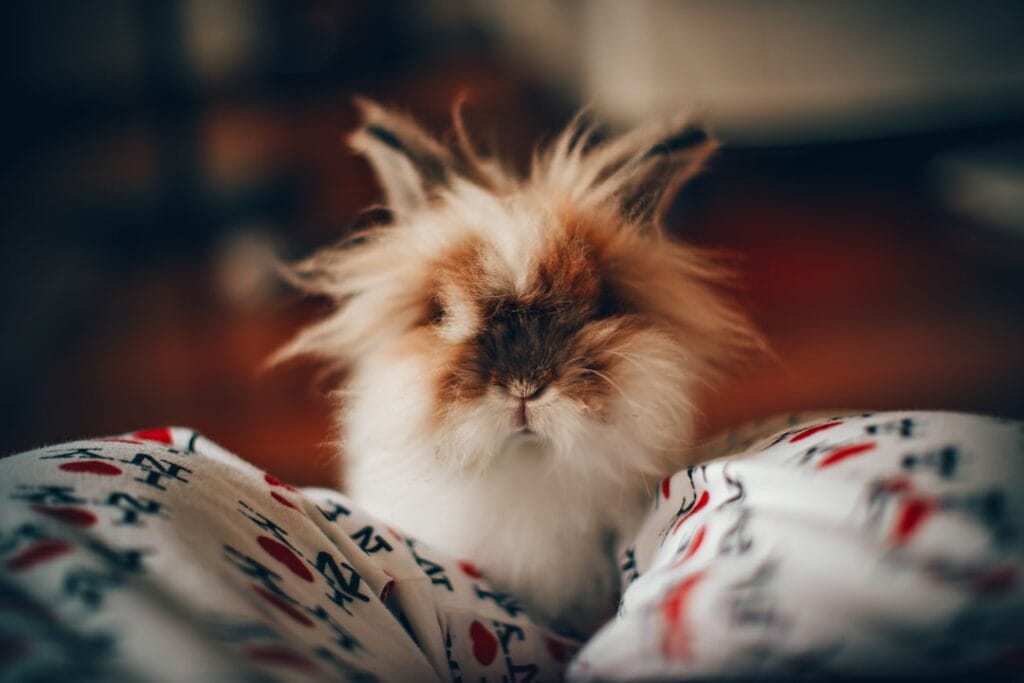
True head tilt means the head rotates so one ear is lower than the other. The rabbit may lean, circle, stumble, fall or roll. The eyes may flick rapidly from side to side or rotate; this involuntary movement is called nystagmus. These signs often arise when the vestibular system—which helps control balance and spatial orientation—does not function normally.
A tilted head should be distinguished from a rabbit simply turning to listen, resting in an odd position or carrying one ear differently because of breed. A lop rabbit can still develop true tilt. Compare the nose, eyes and skull position rather than the ear tips alone. A sustained rotation, especially with balance loss, is abnormal.
The dramatic appearance can frighten owners, but some rabbits improve greatly with treatment and careful nursing. The angle of tilt on the first day does not by itself predict outcome. Appetite, hydration, ability to remain safe, underlying cause and response over time are more useful.
| Sign | What you may see | Why it matters |
|---|---|---|
| Head tilt | One ear consistently lower, nose rotated | Suggests vestibular dysfunction |
| Nystagmus | Eyes flicking horizontally, vertically or rotationally | Helps the vet localize disease; vertical movement can be especially concerning |
| Circling/leaning | Rabbit moves toward one side or falls | Injury risk and neurologic information |
| Rolling | Cannot stop rotating along the body axis | Urgent stabilization and padding are needed |
| Not eating or fewer droppings | Hay untouched; stool becomes small or absent | Gut stasis can become a second emergency |
Rabbit head tilt: What causes a rabbit’s head to tilt?
Rabbit head tilt: 1. Middle or inner ear infection
Infection or inflammation behind the eardrum can disrupt the vestibular apparatus. A rabbit may develop tilt, nystagmus, loss of balance or facial-nerve changes. There may be visible ear discharge, scratching or pain, but the outer ear can look normal when disease lies deeper. Lop-eared rabbits can have narrow or poorly ventilated ear canals, yet ear disease can affect any breed.
Imaging such as skull radiographs or CT may be recommended because an awake look into the canal cannot show every middle-ear structure. Treatment can require a prolonged course of rabbit-appropriate medication, pain relief and sometimes surgery. Improvement may be gradual, and a residual tilt can remain even when infection is controlled.
2. Encephalitozoon cuniculi
E. cuniculi is a microscopic organism that can affect the nervous system, kidneys and eyes. Exposure is common, and a positive antibody result shows immune exposure rather than automatically proving that the current tilt is caused by active disease. Conversely, no single test perfectly answers every case. The veterinarian interprets history, examination, blood/urine testing and response alongside competing diagnoses.
Neurologic signs may include head tilt, weakness, loss of coordination, rolling, tremors or seizures. Eye disease and urinary changes can occur. Treatment often combines an antiparasitic plan, control of inflammation when appropriate and supportive nursing, but medication selection and duration must be individualized. Some antiparasitic drugs have safety considerations, so do not calculate a dose from an internet post.
3. Trauma
A fall, bite, being stepped on, unsafe restraint or collision can injure the head, neck or spine. Rabbits have powerful hind limbs and delicate skeletons, so struggling while unsupported can cause serious injury. Trauma becomes more likely when signs begin immediately after an event, but the lack of a witnessed accident does not rule it out.
Move an injured rabbit on a firm padded surface and minimize twisting. If spinal injury is possible, keep the body aligned and seek emergency advice. Do not manipulate the neck to “straighten” the head.
4. Toxin or medication exposure
Lead, certain plants, pesticides, inappropriate flea products, human medicines and other toxins can cause weakness, tremors, digestive signs or neurologic abnormalities. Bring the package or a photo of the ingredient list to the clinic. Do not induce vomiting—rabbits cannot vomit—and do not give oil, milk or activated charcoal without professional instruction.
5. Brain disease and other less common causes
Inflammation, abscesses, vascular events and tumors can affect the brain. Dental-root disease may extend toward nearby structures, and severe metabolic disturbance can alter coordination. The age of the rabbit, awareness, eye movements, limb reactions, facial symmetry and other examination findings help the veterinarian decide whether the problem is more likely peripheral (ear/vestibular nerve) or central (brain).
Rabbit head tilt: Why not eating makes head tilt more dangerous
Rabbits need a steady intake of fiber to support normal gastrointestinal movement. Pain, dizziness, stress and inability to reach a bowl can sharply reduce intake. The gut may slow, droppings become smaller and dehydration worsens. A rabbit with head tilt can therefore develop gastrointestinal stasis in addition to the original neurologic disease.
Count actual droppings and observe hay consumption rather than assuming the rabbit grazes when you are absent. If intake falls, contact the clinic promptly. The detailed rabbit not eating and GI stasis guide explains the warning pattern. Do not force-feed a rabbit with a very swollen abdomen, inability to swallow, severe respiratory distress or possible obstruction until a veterinarian advises you.
Rabbit head tilt: Safe first aid before the vet visit
Rabbit head tilt: How a veterinarian investigates head tilt
The examination includes posture, awareness, eye movements, limb coordination, facial nerve function, ear canals, teeth, hydration, body temperature and abdominal status. A rabbit may need stabilization before a complete diagnostic work-up. The clinician may recommend blood tests, urinalysis, antibody testing for E. cuniculi, ear sampling, radiographs, CT or MRI depending on availability and findings.
No single visible clue reliably separates ear infection from E. cuniculi. Both may occur, and treatment sometimes addresses more than one possibility while results are pending. Culture can guide antibiotic selection when a sample is safely obtainable. Imaging may reveal middle-ear material, bone change, dental-root disease or another lesion.
A history of dental problems matters because rabbit teeth grow continuously and disease can cause chronic pain, reduced eating and deep infection. The related rabbit dental disease guide explains signs that can be hidden until illness is advanced.
Rabbit head tilt: Treatment: what may be included
Treatment is based on the suspected cause and the rabbit’s stability. It may include rabbit-safe pain relief, anti-nausea or dizziness support, fluids, nutritional assistance, anti-inflammatory therapy, antibiotics selected for rabbits, and an antiparasitic medication when E. cuniculi is considered. Severe cases may need hospitalization, oxygen, warming or assisted feeding.
Never substitute antibiotics kept for a dog or cat. Certain orally administered antibiotics can dangerously disrupt a rabbit’s intestinal bacteria. Ear medication also depends on the condition of the eardrum and location of disease. Doses must be calculated for the individual rabbit and formulation.
Recovery is often uneven. Nystagmus may improve before the tilt, appetite may fluctuate, and the rabbit can have good and bad days. Owners should judge progress by comfort, eating, stool, hydration, safe mobility and engagement—not only by whether the head becomes perfectly straight.
Rabbit head tilt: Home nursing for a rabbit with balance problems
A stable nursing area should be small enough to prevent injury but large enough to change position. Use non-slip, washable flooring. Towel rolls can support the sides; replace wet or soiled material promptly. Avoid high litter-box edges, ramps and shelves. Keep the room comfortably warm and free of drafts without applying unmonitored direct heat.
Place hay in several low piles. Offer water in a heavy shallow bowl and follow the feeding plan from the clinic. Weigh the rabbit at the same time each day on an accurate scale if this can be done without struggling. Record food, water, droppings, urine, medications and rolling episodes.
A rabbit resting on one side may develop urine scald, pressure sores or eye irritation. Check the downward-facing eye and skin several times daily. The veterinarian may recommend lubrication or protective care, but use only the prescribed product. Gently change supported position when instructed and keep fur clean with localized methods rather than a full bath.
Social contact can be calming. A bonded companion may remain nearby if it is gentle and does not climb on, chase or block food. Supervise initially and provide separate resources. Complete separation can add stress, but safety comes first.
Monitoring chart
| Track twice daily | Improving trend | Call the vet |
|---|---|---|
| Eating and body weight | Voluntary hay intake; weight stable | Less food, trouble swallowing or ongoing loss |
| Droppings | Normal number and size returning | Very small, few or no droppings |
| Balance | Can rest, rise and reach resources | More rolling, falls or new weakness |
| Eyes and skin | Clear eye; dry intact skin | Red/cloudy eye, discharge, sores or urine scald |
| Awareness and comfort | Interested, responsive, able to settle | Seizure, poor awareness, severe pain or collapse |
Can a rabbit recover from head tilt?
Yes, many rabbits recover useful mobility and good quality of life, although the time course varies. Some become straight again; others keep a residual tilt but learn to eat, groom, explore and interact normally. A persistent tilt is not automatically a reason for euthanasia. Quality-of-life decisions should consider comfort, appetite, hygiene, mobility, response to treatment and whether complications can be managed.
The first days can be intense, especially when rolling is severe. Early veterinary support and practical nursing can make a major difference. Rechecks allow medication and feeding plans to change as balance and appetite evolve. If progress stalls, reconsidering the diagnosis or using advanced imaging may be appropriate.
Reducing future risk
- Schedule routine examinations with a rabbit-experienced veterinarian.
- Monitor ear odor, discharge, scratching, facial symmetry, appetite and body weight.
- Provide a high-fiber, hay-based diet and appropriate dental monitoring.
- Keep housing dry, clean, non-slip and free of fall hazards.
- Quarantine new rabbits and discuss parasite/infectious-disease prevention with the clinic.
- Store pesticides, medication and toxic plants securely.
- Support the spine and hindquarters during handling; never lift by the ears.
How to distinguish head tilt from similar problems
A rabbit with neck pain may hold the head awkwardly but not show classic nystagmus or rolling. A rabbit with a painful limb may circle because turning one way is easier. Blindness can cause hesitant routes and collisions. A rabbit that repeatedly turns the head toward one side without lowering an ear may have a head turn rather than a vestibular tilt. These differences help the veterinarian localize disease, but they are not reliable enough for home diagnosis.
Take video before rearranging the enclosure if it is safe to do so. Film from the front and above, showing the line between the eyes, nose position, all four limbs and any eye movement. Also record how the rabbit approaches hay and water. Do not deliberately make the rabbit walk or remove padding to “show” how severe the imbalance is.
Medication and feeding safety
Rabbit doses are calculated by body weight and formulation. Two bottles with the same drug name can have different concentrations. Confirm the amount in milliliters, the concentration, timing, storage and what to do if a dose is missed. Use the supplied syringe, label each syringe if several medicines are given, and keep a written chart so family members do not double-dose.
Place a syringe into the gap behind the incisors and direct it across the tongue only after the veterinary team demonstrates the technique. Give small amounts and allow swallowing. Stop if the rabbit coughs, struggles to breathe or liquid comes from the nose. A severely tilted rabbit may need a modified position or tube feeding in hospital; upright force is not automatically safe.
Assisted feeding formulas provide fiber and nutrients, but they do not correct dehydration, obstruction or dental pain by themselves. Measure voluntary hay intake and droppings even when supplemental feeding is used. The goal is a rabbit that resumes normal self-feeding, not merely a target number of syringes.
Cleaning and infection-control considerations
If E. cuniculi is suspected, urine hygiene is especially relevant because spores can be shed in urine during part of infection. Wear gloves for heavily contaminated bedding, wash hands and clean surfaces with a product and contact time recommended by the veterinarian. Keep food and water away from urine. People with severely weakened immune systems should ask their physician and veterinarian for individualized precautions.
Do not isolate the rabbit in a bare, frightening environment in the name of disinfection. Comfort, traction and access to hay remain important. Use washable layers that can be replaced frequently. Clean one part of the space at a time so the rabbit retains familiar scent and does not become chilled.
Eye care and facial-nerve complications
Vestibular and ear disease can occur with facial-nerve dysfunction. The rabbit may blink less on one side, have a drooping lip or develop a dry, irritated cornea. A down-facing eye can also rub against bedding during rolling. Check for redness, cloudiness, discharge or inability to close the lid and report it promptly.
Use only lubricant prescribed for the rabbit. Human redness-relief drops and products containing medication may be unsafe. Keep rough hay ends away from the exposed eye while still providing hay in an accessible rack or soft pile. An eye problem can become painful quickly and reduce appetite further.
Quality-of-life questions during recovery
Owners can feel overwhelmed by the appearance of a tilted rabbit. Use observable measures: Can the rabbit rest without constant panic? Does it show interest in food and companions? Can urine and stool be kept off the skin? Is pain controlled? Can the rabbit reach resources, or can the environment be adapted safely? Are good periods becoming longer?
A residual head angle alone does not equal suffering. Conversely, an apparently straighter head does not guarantee comfort if the rabbit will not eat or develops sores. Review these measures with the veterinarian at each recheck. Treatment goals can shift from stabilization to mobility, hygiene and prevention of recurrence. If suffering cannot be adequately controlled, a compassionate quality-of-life discussion is appropriate—but it should be based on the whole rabbit, not the visual tilt alone.
What to bring to a recheck
- A daily weight chart and record of voluntary food, assisted feeds and droppings.
- Videos showing changes in walking, rolling, nystagmus and ability to settle.
- Every medication bottle and dosing syringe.
- Notes about urine output, water intake, skin sores and the down-facing eye.
- Questions about enclosure size, companion contact and return to normal exercise.
Rechecks are not merely administrative. They allow the clinician to adjust pain control, nutritional support and the diagnostic plan, and to identify complications before they reverse progress.
Frequently asked questions
Is rabbit head tilt always caused by E. cuniculi?
No. Middle or inner ear disease is another major cause, and trauma, toxins, brain disease and other disorders are possible. Exposure tests for E. cuniculi require clinical interpretation because many rabbits have been exposed without current neurologic illness.
Is head tilt an emergency?
A new tilt needs prompt assessment. It becomes an immediate emergency when the rabbit rolls continuously, cannot eat or drink, passes no stool, has seizures, is poorly responsive, is injured, struggles to breathe or feels cold and weak.
Should I clean my rabbit’s ear?
Do not insert swabs or fluid into the canal unless the veterinarian directs you. Deep disease may exist behind an intact eardrum, and inappropriate cleaning or drops can hurt or complicate testing.
Can head tilt spread to another rabbit?
Head tilt itself is not contagious. Some underlying organisms may be transmitted, while others are not. Ask the veterinarian about hygiene, separation and testing based on the suspected cause. Wash hands and keep urine-contaminated materials away from immunocompromised people.
How do I stop a rabbit from rolling?
You may not be able to stop the neurologic movement immediately. Reduce injury with a snug, padded enclosure and veterinary treatment. Do not hold the rabbit tightly for long periods or force the head straight.
Can I syringe-feed a tilted rabbit?
Only after veterinary guidance confirms it is safe and shows you the technique. A rabbit that cannot swallow, is severely distressed, has a swollen abdomen or may have an obstruction can aspirate or worsen with force-feeding.
Will the head stay tilted forever?
It may resolve, partly improve or remain. Residual tilt does not necessarily prevent a good life if the rabbit is comfortable, eats, stays clean and moves safely.
How long does recovery take?
There is no fixed schedule. Eye movements may settle over days while balance and head position improve over weeks. Cause, severity, appetite and complications influence recovery. Keep recheck appointments even if progress begins.
Bottom line
Rabbit head tilt is a balance-system sign that deserves rapid veterinary attention, not a diagnosis to treat from appearance alone. Ear disease and E. cuniculi are important, but safe care requires considering other causes and protecting the rabbit from injury, dehydration and GI stasis. Pad the environment, keep food and water accessible, minimize stress and seek a rabbit-experienced clinician.
Medical disclaimer: This guide is educational. It cannot diagnose or dose medication for an individual rabbit. Seek urgent care for rolling, seizures, no food or stool, severe weakness, breathing difficulty, trauma or suspected poisoning.



One Comment