
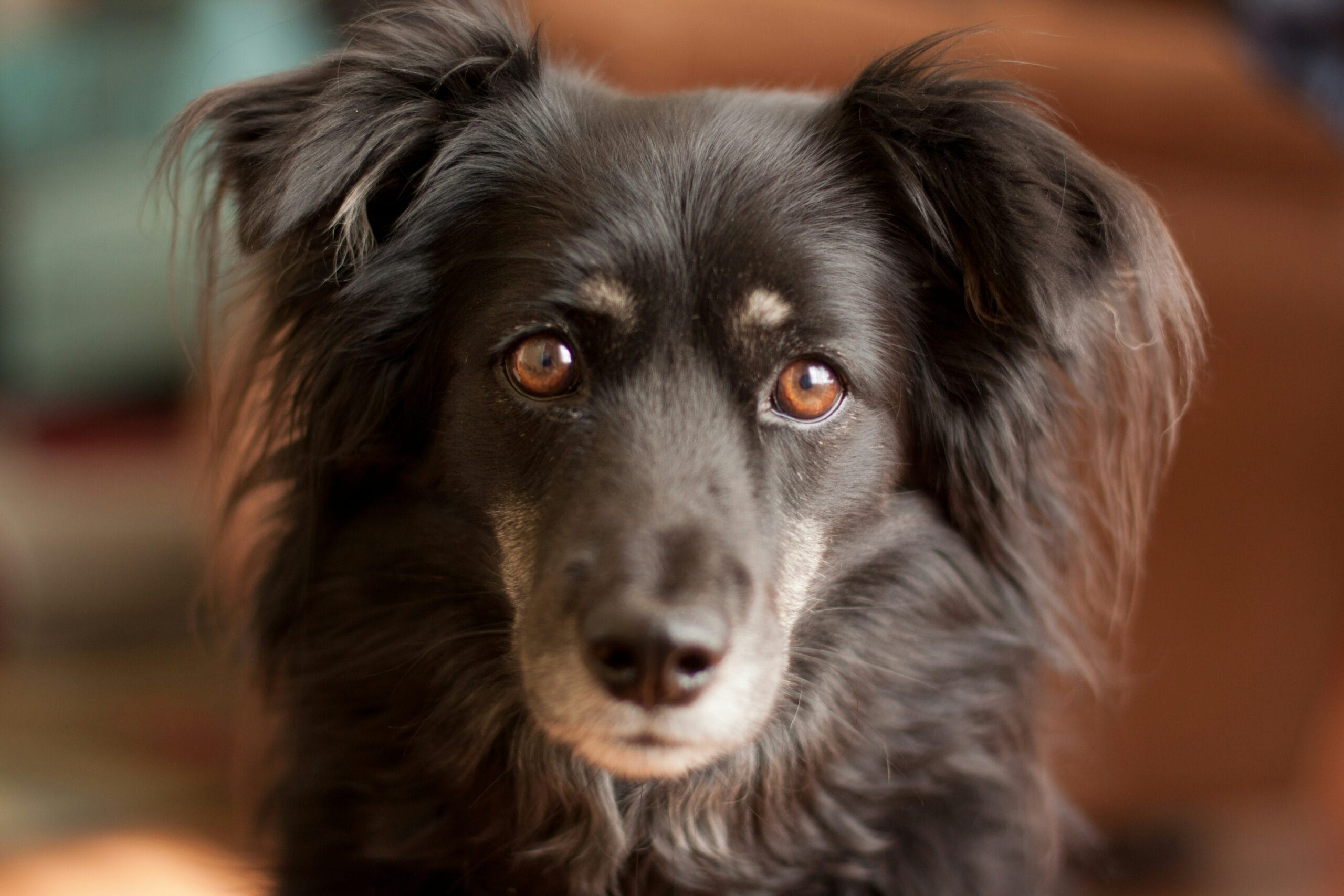
Why Do Dogs Tilt Their Head? Vet-Approved Guide to This Curious Behavior
Few dog behaviors are as universally recognized, or as endearing, as the classic head tilt. This guide covers why dogs tilt their heads, what current research suggests about the behavior, and the much less common situation where a head tilt is actually a medical sign rather than a curious response to your voice.
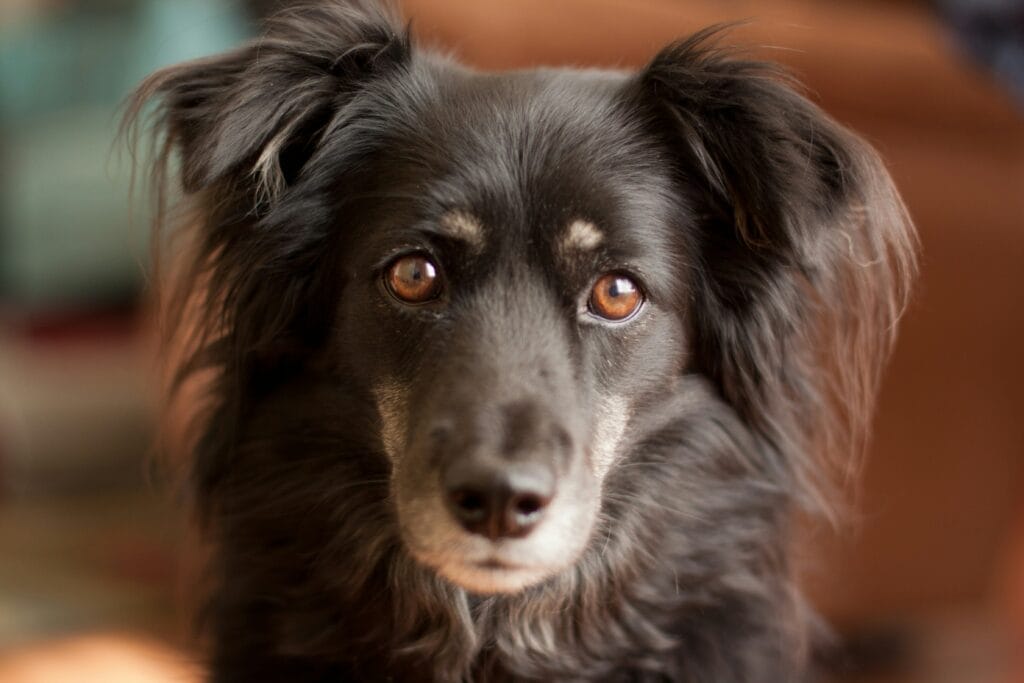
Why Do Dogs Tilt Their Head? The Leading Theories
Despite how familiar the behavior is, researchers still do not have a single confirmed explanation. Several theories are well supported by current behavioral research.
Listening and sound localization. Dogs hear a wider range of frequencies than humans. Tilting the head can help a dog pinpoint the direction and pitch of a sound more precisely, especially one that is faint, high-pitched, or unfamiliar.
Processing familiar words and tone. A 2025 study on canine attention found dogs tilted their heads almost exclusively in situations involving human speech and social language, more than in other startling or novel situations, supporting the idea that the tilt is linked specifically to listening closely to what you are saying.
Improving their view. A dog’s muzzle can partially block the lower part of their visual field. Tilting the head shifts the angle enough to get a clearer look at a face or object, particularly in longer-muzzled breeds.
Learned reinforcement. Owners often respond to a head tilt with a smile, an affectionate tone or a treat. Over time, some dogs may repeat the behavior because it reliably earns a positive reaction, even outside the original listening or looking context.
Cognitive processing. Some researchers describe the tilt as a kind of brief cognitive pause, similar to how a person might tilt their head or pause when thinking something through, though this idea remains less established than the listening and vision theories.
| Feature | Normal head tilt | Possible medical concern |
|---|---|---|
| Duration | Brief, seconds at a time, then resolves | Persistent, does not go away |
| Trigger | Responds to a sound, voice, or new object | Present even at rest, with no clear trigger |
| Balance | Normal gait and coordination | Stumbling, circling, or falling to one side |
| Eyes | Normal eye movement | Rapid, flickering eye movement (nystagmus) |
| Other signs | None | Vomiting, ear discharge, pain when the ear is touched |
Why do dogs tilt their head: When a Head Tilt Is a Medical Sign, Not a Behavior
A persistent, non-resolving head tilt is different from the quick, responsive tilt dogs show when listening. The most common medical causes include:
Ear infections. Infection or inflammation in the outer or middle ear is one of the most frequent causes of a true, lasting head tilt in dogs, often with visible ear discharge, odor, redness, or head shaking alongside it.
Vestibular disease. The vestibular system controls balance. Disease affecting it, whether from an inner ear problem, idiopathic (sudden, unexplained) vestibular disease, or in rare cases a neurological issue, commonly causes a persistent head tilt along with stumbling, circling and abnormal eye movements.
Trauma or foreign bodies. An object lodged in the ear canal or a head injury can also trigger a lasting tilt.
The distinguishing feature is persistence and accompanying signs. A dog that tilts its head for a few seconds while listening to you, then returns to normal, is showing ordinary behavior. A dog that holds a tilt continuously, especially alongside wobbliness or eye flickering, needs veterinary assessment.
Does Breed Affect Head Tilting?
Behavioral research has found that dogs with longer muzzles, such as greyhounds and collies, tilt their heads somewhat more often than flat-faced breeds, likely related to how much the muzzle blocks their lower field of vision. However, more than half of flat-faced dogs studied still tilted their heads regularly, so muzzle shape is only part of the picture, not a strict rule.
What Should You Do If Your Dog Tilts Its Head?
Peripheral vs. Central Vestibular Disease
When a persistent head tilt turns out to be medical rather than behavioral, veterinarians further distinguish between peripheral and central vestibular disease, a distinction that affects both prognosis and the diagnostic path forward. Peripheral vestibular disease originates in the inner or middle ear, outside the brain itself, and is the more common and generally more favorable form; idiopathic (unexplained) peripheral vestibular disease often improves substantially within one to two weeks even with supportive care alone, though the head tilt can take longer to fully resolve. Central vestibular disease originates within the brainstem and is less common but more serious, sometimes linked to inflammation, a vascular event, or in rare cases a tumor. Signs that lean toward a central cause include significant changes in mental alertness, weakness on one side of the body, or abnormal limb positioning alongside the head tilt, whereas peripheral cases typically preserve normal alertness and limb strength despite the balance disruption. This distinction is why a veterinary neurological exam, not just observing the head tilt itself, matters for working out the likely cause and appropriate next steps, which may include advanced imaging like an MRI for suspected central cases.
What Recovery Looks Like
For dogs with peripheral vestibular disease, especially the idiopathic form common in older dogs, the trajectory of recovery follows a fairly recognizable pattern. The first 24 to 72 hours are often the most dramatic, with the head tilt, stumbling, and disorientation at their most severe, which understandably alarms owners seeing it for the first time. Improvement typically begins within a few days, with balance and coordination recovering meaningfully over one to two weeks, though a mild residual head tilt sometimes persists permanently even after the dog is otherwise back to normal activity and demeanor. Supportive care during the acute phase, keeping the environment safe from falls, hand-feeding if nausea affects appetite, and anti-nausea medication if prescribed, helps a dog through the roughest days while the underlying inflammation resolves on its own. Dogs recovering from an ear infection–related tilt typically follow the treatment timeline for the infection itself, with the tilt easing as the underlying infection clears over one to several weeks depending on severity.
Supporting a Dog Through Vestibular Recovery
While a dog recovers from an episode of vestibular disease, small home adjustments make a meaningful difference in both safety and comfort. Keeping floors clear of obstacles and using non-slip mats on smooth surfaces reduces fall risk while balance is impaired, and blocking access to stairs temporarily prevents a serious tumbling accident during the roughest early days. Some dogs feel more secure staying low to the ground rather than being carried or placed on furniture, since sudden height changes can worsen the disorientation vestibular disease already causes. Offering food and water in a stable, easily reached spot, sometimes hand-feeding initially if nausea reduces appetite, helps maintain nutrition and hydration through a period when a dog may otherwise struggle to navigate normally to its bowls. Most dogs show clear, encouraging improvement day by day rather than a sudden full recovery, so tracking small daily changes, slightly steadier steps, a little more interest in food, rather than expecting an immediate return to normal, helps owners gauge genuine progress through what can otherwise feel like a slow and worrying recovery period.
Frequently Asked Questions
Do all dogs tilt their heads?
No. Head tilting is very common but not universal. Individual dogs vary widely, and some rarely tilt their heads even though the behavior is considered normal either way.
Why does my dog only tilt its head to one side?
Many dogs show a consistent side preference as an individual habit, similar to handedness, with no medical significance. A true one-sided medical head tilt is usually persistent and paired with other symptoms rather than a brief, responsive habit.
Can puppies tilt their heads too?
Yes, puppies often tilt their heads frequently as part of normal curiosity and learning about sounds and words in their environment.
Is a head tilt always a sign of an ear infection?
No. Most head tilting is a brief, voluntary listening behavior. A true medical head tilt caused by an ear infection or vestibular disease is typically persistent and accompanied by other signs such as stumbling, discharge, or abnormal eye movement.
What’s the difference between peripheral and central vestibular disease?
Peripheral disease originates in the ear and is generally more favorable, while central disease involves the brainstem and is less common but more serious, distinguished through a veterinary neurological exam.
How long does recovery from vestibular disease take?
Peripheral vestibular disease often improves substantially within one to two weeks, though a mild residual head tilt can sometimes persist permanently even after full recovery otherwise.
By Dr. Zahid Afzal, DVM — General Veterinary Hospital, Lahore. This article is for general education and does not replace a full physical examination or personalized assessment from your own veterinarian. If your dog’s head tilt is persistent or paired with balance problems, contact a veterinarian promptly.




3 Comments