
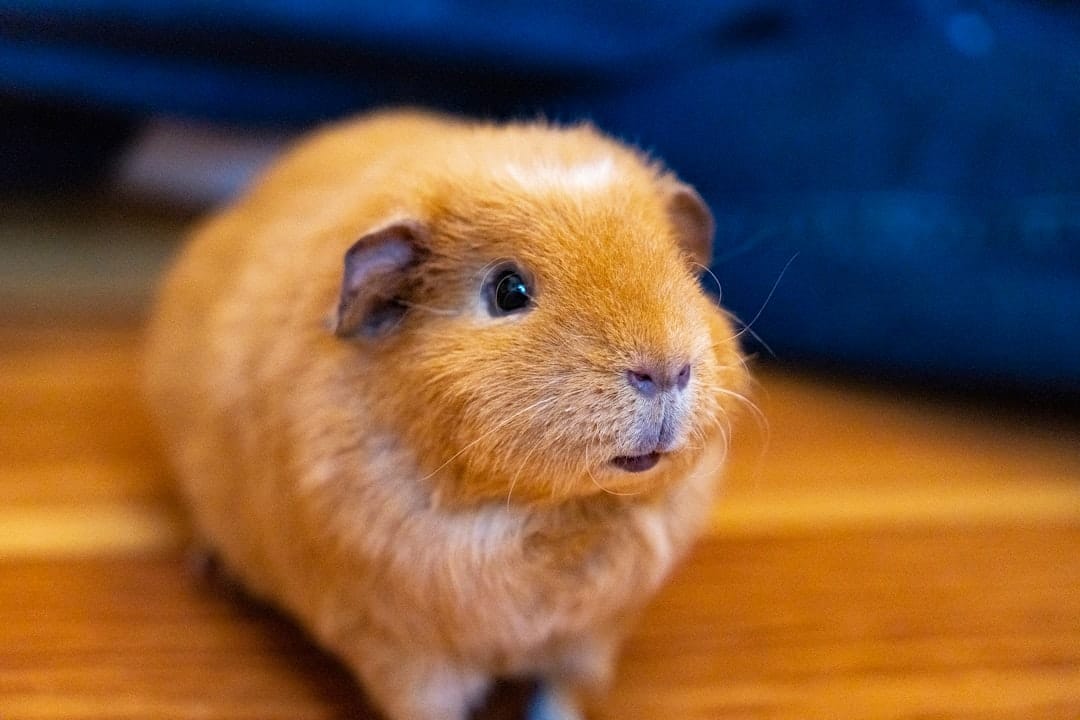
Guinea Pig Squeaking When Peeing: Bladder Stones, UTI & When It’s Urgent
A guinea pig that cries, squeaks or hunches while urinating is showing pain until proven otherwise. Bladder stones, urinary infection, sludge and reproductive disease are possible, and a blocked urinary tract can become critical. Here is how to recognize the pattern, collect useful evidence and get safe treatment.
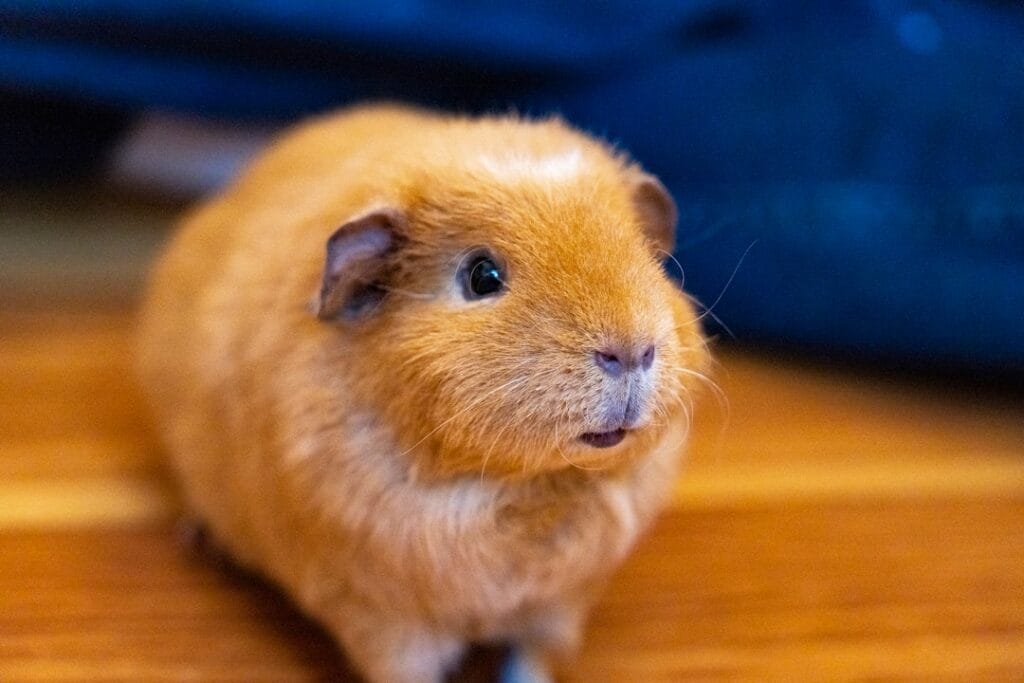
Guinea pig squeaking when peeing: Is the squeak really connected to urination?
Guinea pigs vocalize for food, attention, alarm and social communication. A happy “wheek” when a refrigerator opens is different from a sharp cry while the body hunches and a wet patch appears. Observe quietly on a clean, light-colored surface for a few minutes. Note the posture, timing, urine amount and whether the pig also strains to pass stool.
Urinary pain may look like repeated small squats, lifting the rear, stretching, rocking, teeth grinding or suddenly freezing. The guinea pig may lick the genital area, leave tiny drops, have a damp bottom or make several unsuccessful attempts. Pain can also cause hiding and reduced movement.
Do not wait for obvious red urine. Stones and infection can hurt without visible blood, while harmless plant pigments can sometimes color urine orange or red. Testing distinguishes pigment from blood and helps identify crystals, bacteria and inflammation.
| Observation | Possible meaning | Recommended action |
|---|---|---|
| One ordinary social squeak near a urine spot | May be unrelated | Observe another urination on a clean surface |
| Sharp cry every time urine passes | Painful lower urinary tract disease likely | Same-day exotic-vet advice |
| Frequent tiny wet spots | Inflammation, infection, stone or partial blockage | Prompt examination and imaging/urinalysis |
| Repeated straining but no urine | Possible obstruction | Emergency care now |
| Squeaking plus no appetite/fewer stools | Pain with secondary gut slowdown | Urgent veterinary treatment |
Guinea pig squeaking when peeing: Common reasons a guinea pig squeaks when peeing
Guinea pig squeaking when peeing: 1. Bladder or urethral stones
Guinea pigs commonly form mineral stones in the urinary tract. Calcium carbonate is a frequent component, and many stones can be seen on radiographs. A stone may remain in the bladder, enter the urethra or lodge higher in the tract. It irritates tissue, causes bleeding and can partly or completely block urine flow.
Signs include painful urination, blood, repeated small amounts, hunching, reduced appetite, weight loss or a gritty bottom. A male can obstruct because of the urethral anatomy, but females also develop serious stones. Size of the stone on an image does not tell the entire story; location, obstruction, pain and kidney effects guide treatment.
Stones rarely dissolve with a simple home remedy. Surgery or another procedure may be recommended, alongside pain control and supportive care. Diet and water management can reduce some risks but cannot guarantee prevention, because genetics, anatomy, urine chemistry and other factors also contribute.
2. Urinary tract infection or cystitis
Bacterial infection and sterile inflammation of the bladder can cause urgency, pain, blood and frequent small urinations. A urine culture is more informative than choosing an antibiotic by guesswork. Sample collection method matters because urine that touches bedding or skin can pick up bacteria that were not in the bladder.
Antibiotics safe for dogs, cats or people may be dangerous to guinea pigs by disrupting essential gut bacteria. Use only an exotic-veterinarian prescription and complete the plan. If symptoms return after treatment, rechecking urine and imaging for a hidden stone is often important.
3. Urinary sludge and excess sediment
Guinea pigs normally excrete calcium through urine, so dried urine may leave a pale chalky mark. Thick, gritty paste or heavy sediment is different and can irritate the bladder or accompany poor emptying. Owners may see white material on fleece, a damp rear end or discomfort.
Do not attempt to squeeze sediment from the bladder. Management may involve hydration, diet review, pain relief, imaging and treatment of underlying mobility or urinary problems. Removing all calcium from the diet is unsafe because calcium is essential; the goal is a balanced intake, not a zero-calcium diet.
4. Reproductive disease
In females, blood near the urinary opening may come from the reproductive tract rather than the bladder. Uterine disease, ovarian cysts and vaginal problems can cause discharge, pain, hair loss or abdominal change. In males, impaction or inflammation around the penis and perineal sac can cause discomfort. The veterinary examination identifies the source instead of assuming every red spot is urinary.
5. Skin irritation, urine scald or injury
A guinea pig with arthritis, weakness or an unclean enclosure may remain damp. Urine irritates skin, creating redness, hair loss and sores that sting when new urine touches them. Trauma, bite wounds or debris near the opening can also cause pain. Skin treatment helps comfort, but the reason for persistent wetness—such as urinary disease or poor mobility—must also be addressed.
6. Constipation, gut pain or another source of straining
Owners can mistake attempts to defecate for urination. Guinea pigs with gastrointestinal slowdown, dehydration or pain may hunch and vocalize. If both urine and stool output are uncertain, treat the case as urgent. A guinea pig that stops eating can decline quickly, regardless of whether urinary disease began the problem.
The companion guide to a guinea pig not eating explains why prompt nutritional and medical support is important. Teeth can also reduce food intake; see the guide to guinea pig dental problems for chewing and weight-loss clues.
Guinea pig squeaking when peeing: Red urine: blood or pigment?
Fresh guinea pig urine ranges from clear to yellow and may become orange, rust or brown as pigments oxidize. Beetroot and other foods can affect color. Blood may appear pink, red, streaked or clot-like, but color alone is unreliable. A dipstick and microscopic analysis help determine whether red blood cells or blood pigment is present.
Take a photograph in natural light and, if possible, collect a fresh sample as directed by the clinic. Do not delay an appointment because the urine later dries brown. Painful urination remains abnormal even when testing shows no blood.
What to do while arranging care
What the exotic veterinarian may do
The clinician checks body weight, hydration, temperature, abdomen, bladder, kidneys, genital area, skin, teeth and gastrointestinal movement. Gentle palpation may suggest a stone but cannot map the entire urinary tract. Radiographs often show calcium-containing stones; ultrasound can evaluate bladder content, wall thickness, kidneys, reproductive organs and some stones in greater detail.
Urinalysis assesses concentration, pH, blood, inflammatory cells and crystals. A culture may be recommended before antibiotics, ideally from a sample collected in a way that limits contamination. Blood testing can evaluate kidneys, inflammation, anemia and overall suitability for anesthesia or surgery.
Treatment depends on cause: pain relief, fluids, assisted nutrition, appropriate antibiotics, skin care, bladder management or surgery. A completely blocked patient needs rapid stabilization and relief. When a stone is removed, analysis can sometimes inform prevention, although recurrence remains possible.
Diet, calcium and hydration: a balanced approach
Unlimited grass hay should form the foundation of an adult guinea pig’s diet, alongside measured species-appropriate pellets and fresh vegetables. Vitamin C must be supplied because guinea pigs cannot produce it. Water should be clean and continuously available. Some pigs drink better from a bowl, others from a bottle; offering both can be helpful if kept hygienic.
Calcium is essential for bones, teeth and normal body function. The solution to stones is not to remove every calcium source. Review total diet with an exotic vet, including pellet quantity, hay type, vegetables, treats, supplements and local water mineral content. Adult alfalfa feeding and large quantities of high-calcium foods may be inappropriate for some individuals, but indiscriminate restriction can create nutritional disease.
Encourage safe movement and multiple water/feeding stations. Obesity, arthritis or enclosure design can reduce activity and normal emptying. Keep bottles functioning and clean; a blocked sipper tube can silently reduce water intake. Water additives may change taste and lead to less drinking, so give vitamin C through a reliable diet or veterinary plan rather than assuming a bottle additive remains potent.
After treatment: what to monitor
| Measure | Reassuring trend | Contact the clinic |
|---|---|---|
| Urination | Comfortable stream, normal frequency | Straining, tiny drops, blood or no urine |
| Appetite/weight | Eating hay; stable weight | Less food, weight loss or trouble chewing |
| Droppings | Usual number and size | Small, few, misshapen or absent droppings |
| Comfort | Normal posture and movement | Hunching, tooth grinding, hiding or vocalizing |
| Skin | Dry, intact fur and skin | Dampness, redness, sores or odor |
Preventing recurrence
Not all stones are preventable, but consistent care helps. Feed a balanced hay-based diet, avoid excess pellets and treats, maintain vitamin C, provide fresh water and support activity. Clean wet bedding promptly and check the bottom daily in pigs with mobility problems. Weigh weekly so small losses are noticed early.
After a stone or infection, follow the recheck schedule even if squeaking stops. Residual infection, a second stone or recurrence may be detectable before severe pain returns. Ask whether repeat urine testing or imaging is appropriate. Do not continue antibiotics longer or shorter than prescribed.
Because guinea pigs hide illness, make a one-minute daily scan part of routine care: food interest, hay consumption, water, urine patches, droppings, posture and interaction. Knowing the individual’s normal makes subtle urinary trouble easier to recognize.
Male and female guinea pigs: differences that matter
Both sexes develop bladder stones, infection and painful inflammation. Males have a longer narrower route through which a stone must pass, so a stone entering the urethra can create an acute obstruction. A boar that repeatedly extends the body, lifts the rear and produces no urine needs emergency care even if the belly does not yet look swollen.
Females may pass some small material more readily, but they are not protected from obstruction, kidney damage or severe pain. Blood or discharge can also originate in the uterus or vagina. A sow with a swollen abdomen, hair loss along the sides, enlarged nipples, abnormal discharge or persistent bleeding may need reproductive imaging in addition to urine testing.
Older intact animals can have more than one condition. The veterinarian may find a bladder stone and a reproductive problem, or arthritis that prevents normal posture while urinating. Avoid anchoring on the first visible red spot; a complete exam and appropriate imaging reduce missed diagnoses.
How to collect useful evidence without contaminating it
A photograph of urine on white absorbent material can show color and quantity, but it cannot diagnose infection. If the clinic requests a home sample, ask whether it is for a basic dipstick/microscopic look or for culture. A free-catch sample can pick up bacteria from fur, skin and the environment, so it may be unsuitable for deciding which antibiotic is needed.
Use the container and timing the clinic recommends. Label it with the guinea pig’s name and collection time and deliver promptly. Do not refrigerate or leave it at room temperature unless instructed. Never use pressure on the abdomen to obtain urine. A veterinarian may collect urine directly from the bladder under controlled conditions when a sterile culture is important.
For the appointment, bring photos, a short video of the posture, a fresh food list and any supplement packaging. Count water-bottle refills but also check for leaks; a bottle that empties quickly may be dripping rather than reflecting thirst.
Pain, gut stasis and the urinary–digestive cycle
Urinary pain makes a guinea pig move less and eat less. Reduced fiber and dehydration slow the gut, creating gas and discomfort. That additional pain further suppresses appetite. Breaking this cycle may require analgesia, fluids and nutritional support while the urinary cause is treated.
Watch for smaller droppings, fewer droppings, a hunched stance and refusal of hay. A pig may still accept a sweet treat while consuming too little total fiber. Do not wait until all droppings stop. Conversely, do not assume that every hunch is “gas” and treat only the digestive tract when urination is painful.
Assisted feeding should be performed with a veterinary plan. A guinea pig that is severely bloated, unable to swallow, struggling to breathe or suspected of obstruction needs assessment before food is syringed. When feeding is prescribed, use the recommended recovery diet, dose and technique rather than a homemade slurry with unknown nutrients.
Understanding test results
Crystals on urinalysis do not automatically prove that a stone is present, because crystal formation is influenced by urine chemistry, storage and temperature. Likewise, the absence of crystals does not rule out a stone. Radiographs and ultrasound show structure, while urinalysis describes the urine; these tests answer different questions.
Bacteria seen in a contaminated sample may not represent infection. Culture identifies growth and which antibiotics may work, but results must be interpreted with sample method and signs. Blood in urine confirms bleeding somewhere in the urinary tract but does not tell whether the source is infection, stone, inflammation, trauma or another condition.
Radiographs are useful because many guinea pig stones are radiopaque. Multiple views help locate material in the bladder, urethra, ureters or kidneys. Ultrasound can add information about bladder sludge, wall thickening and soft tissues. Ask the veterinarian to show where the finding is and how it changes treatment.
After bladder-stone surgery
Follow instructions for pain relief, antibiotics if prescribed, feeding, wound care and activity. Keep bedding clean and nonabrasive. Inspect the incision without repeatedly handling it. Prevent the guinea pig or a cage mate from chewing the wound; contact the clinic rather than applying a bitter spray near the genital area.
Appetite and droppings should be monitored closely after anesthesia. Report repeated straining, absent urine, increasing blood, swelling, discharge, a cold weak demeanor or failure to eat. A small amount of blood may occur depending on the procedure, but the surgical team should define what is expected.
Do not stop pain medication because the guinea pig appears quiet; quietness can be pain. Do not extend medication after the prescribed course without approval. Attend the recheck and discuss stone analysis, repeat imaging and a personalized prevention plan.
Myths that can delay treatment
- “Red urine always means a UTI.” Pigment, stones, reproductive bleeding and other disease can look similar.
- “Females can pass every stone.” Sows can have obstructive or surgically important stones too.
- “A no-calcium diet prevents recurrence.” Calcium is essential; extreme restriction creates its own risks.
- “Cranberry dissolves stones.” It does not remove calcium-carbonate calculi or relieve obstruction.
- “If the pig eats lettuce, appetite is normal.” Total hay and calorie intake may still be inadequate.
- “One antibiotic fits all small pets.” Some drugs disrupt guinea pig gut flora and can be dangerous.
Frequently asked questions
Why does my guinea pig squeak every time it pees?
Repeated vocalizing tied to urination strongly suggests pain. Stones, bladder inflammation, infection, sludge or genital/skin disease are possibilities. Arrange a same-day exotic-vet examination.
Can a UTI go away on its own?
Do not rely on it. Signs of infection overlap with stones and obstruction, and untreated disease can worsen. A urine test, culture when indicated and guinea-pig-safe treatment are needed.
How do I know if my guinea pig is blocked?
Repeated straining with no urine, only tiny drops, increasing distress, painful abdomen, weakness and appetite loss are warning signs. A blockage is an emergency and cannot be confirmed safely at home.
Is white urine normal?
A small chalky residue can be normal because guinea pigs excrete calcium in urine. Thick paste, obvious grit, pain, blood or repeated wetness is not normal and should be assessed.
Does cranberry juice treat guinea pig UTIs?
No reliable home dose treats infection or removes a stone, and sugary juice may disturb diet. It must not delay urinalysis, imaging or veterinary treatment.
Can I collect urine at home?
Sometimes the clinic may ask for a fresh free-catch sample, but it can be contaminated and may not be suitable for culture. Ask how to collect, store and transport it, and never squeeze the bladder.
Should I separate a sick guinea pig from its companion?
Not automatically. A calm bonded companion can reduce stress, but separate resources may be needed to measure intake and prevent interference. Ask the clinic and supervise if one pig bullies or climbs on the patient.
Can bladder stones return after surgery?
Yes. Recurrence is possible. Stone analysis, diet/hydration review, weight monitoring and scheduled rechecks help manage risk but cannot guarantee prevention.
Bottom line
A guinea pig squeaking when peeing should be treated as a pain signal. Confirm whether urine passes, monitor appetite and droppings, and obtain same-day exotic-veterinary advice. No urine, continuous straining, severe weakness or appetite loss raises the urgency. Correct testing matters because infection, stones, sludge and reproductive or skin disease require different treatment.
Medical disclaimer: Educational information only. It does not replace an exotic-pet examination. Seek emergency care for absent urine, continuous straining, collapse, severe pain, marked bleeding, no food/stool or suspected poisoning.



4 Comments