Why Do Cats Chatter at Birds? Vet-Approved Guide to This Curious Sound
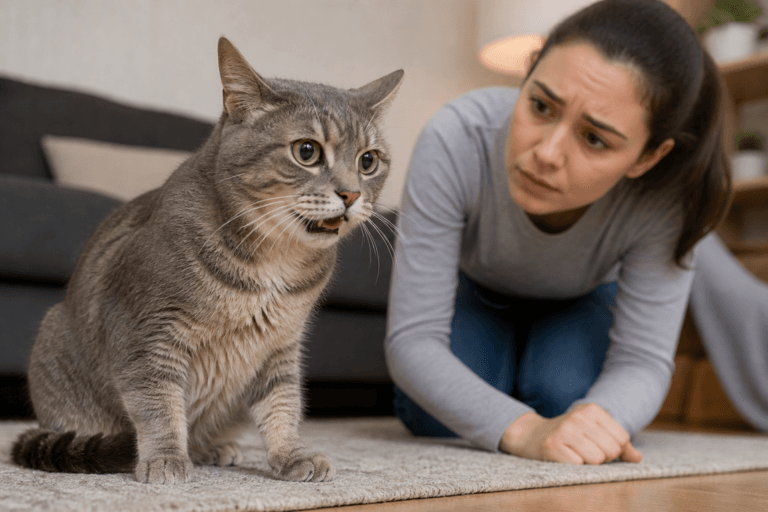
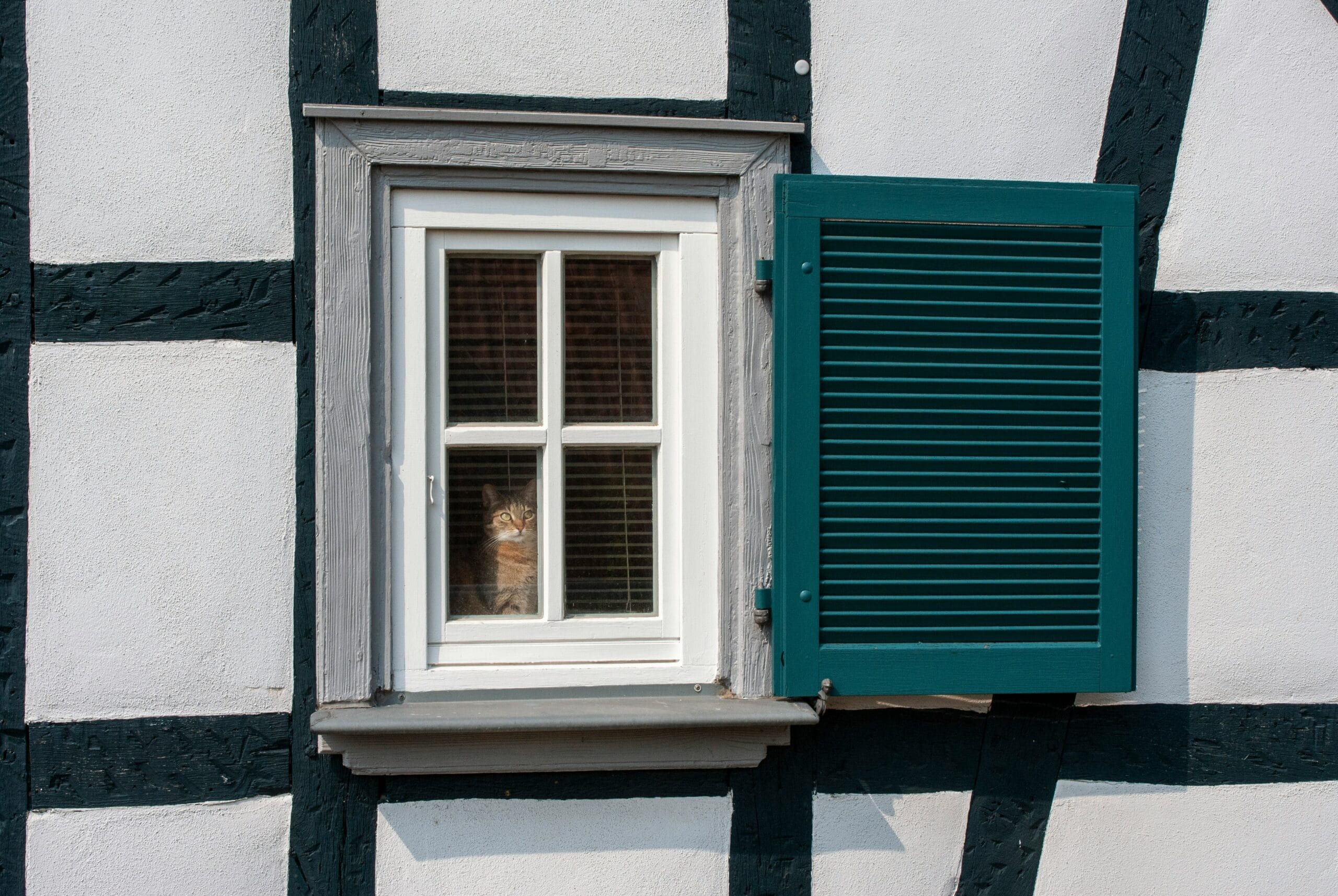
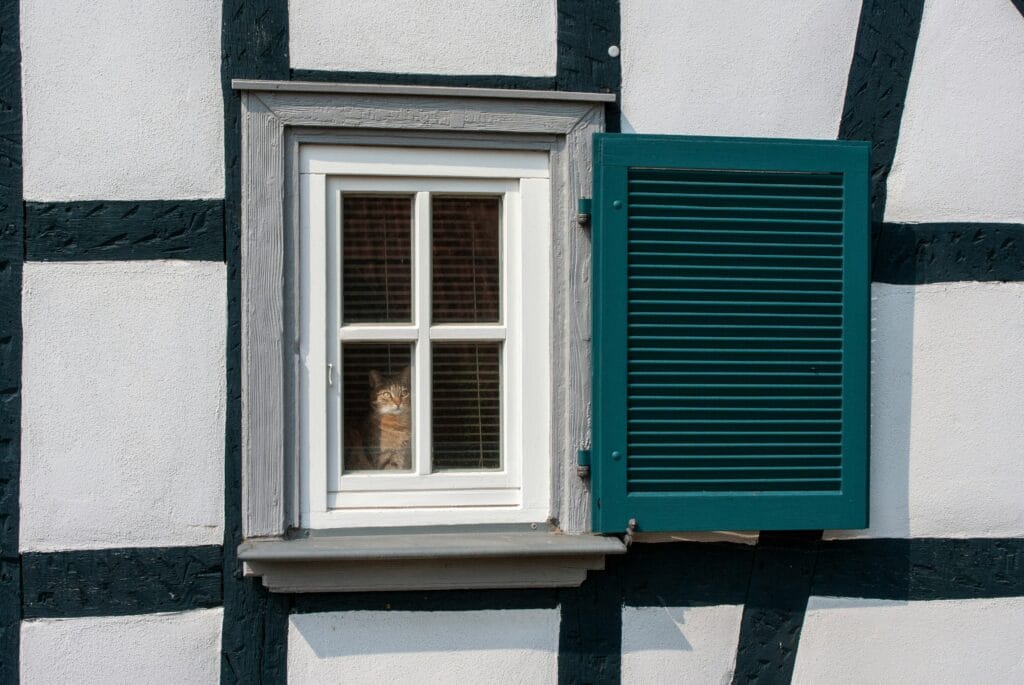
The rapid jaw-clattering sound cats make while watching birds or squirrels through a window is one of the most distinctive feline behaviors. This guide explains the leading theories behind chattering, what it likely means, and when unusual vocalizations are worth mentioning to your veterinarian.
Why Do Cats Chatter at Birds? The Leading Theories
Instinctive predatory response. The most widely supported theory is that chattering reflects an instinctive hunting behavior, possibly related to the killing bite cats use on prey. Watching birds through glass triggers the hunting sequence, but the inability to complete the catch may result in this distinctive jaw movement instead.
Frustration at an unreachable target. Many behaviorists describe chattering as a sign of frustration, since the cat is highly motivated to hunt but physically prevented from reaching the prey by a window or distance.
Imitating a prey call. Another theory suggests the chattering sound may mimic the vocalization of small prey animals, though this is less established than the instinctive hunting theory.
Excitement and arousal. Chattering commonly appears alongside other signs of high arousal, including a low crouch, twitching tail tip and fixed stare, all consistent with an aroused, hunting-focused state rather than distress.
| Feature | Normal chattering | Worth a vet check |
|---|---|---|
| Context | Occurs while watching birds, squirrels or insects | Occurs with no prey or trigger present |
| Body language | Focused stare, crouched posture, twitching tail | Disorientation or altered awareness |
| Duration | Stops when prey leaves or attention shifts | Persistent, unrelated to any visual trigger |
| Other signs | None | Drooling, facial twitching, difficulty eating |
Is Chattering Ever a Medical Concern?
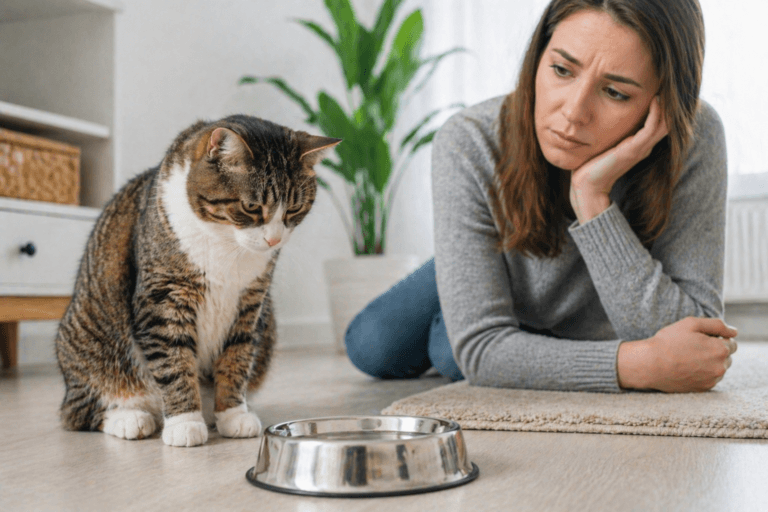
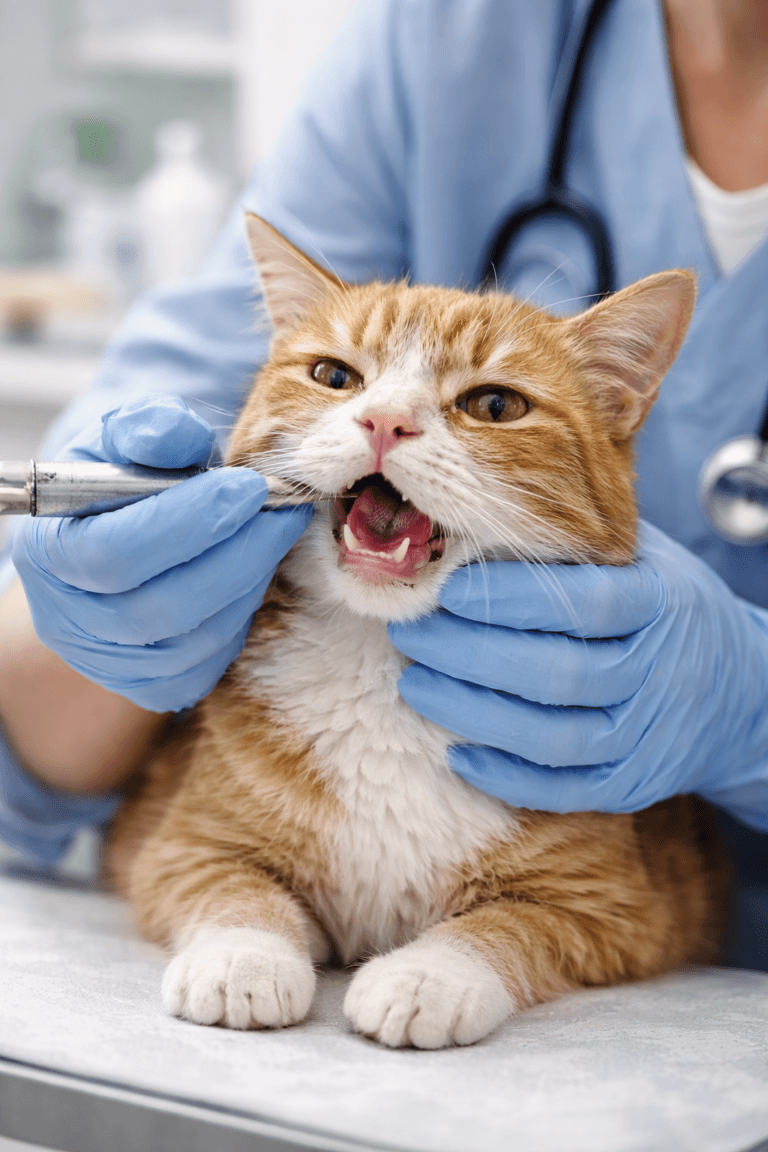
Chattering itself is almost always a normal behavioral response to visible prey. True dental pain or oral discomfort can sometimes cause jaw movements that owners mistake for chattering, but these typically occur outside hunting contexts, are not linked to watching prey, and are often accompanied by drooling, reduced appetite, or pawing at the mouth. If your cat shows jaw movement unrelated to watching birds or prey, especially with these other signs, a dental or oral examination is reasonable.
Should You Do Anything About Chattering?
How Common Is Chattering, and Does It Change With Age?
Chattering is widely reported across domestic cats of all ages, though kittens often show it as their predatory instincts develop and refine through play. Some cats chatter enthusiastically at every bird or squirrel they spot for their entire lives, while others show the behavior only occasionally or seem to lose interest in it as they mature into calmer adults. Indoor-only cats with regular visual access to birds, through a window perch or a view of a feeder, often chatter more frequently simply because they have more consistent opportunities to observe prey, not because indoor life makes the instinct stronger. Senior cats sometimes chatter less often, which is generally just a reflection of lower overall activity and interest rather than a health concern on its own, though a sudden and total loss of interest in previously exciting stimuli like birds at a window is worth mentioning at a wellness visit as one data point among others.
Should You Encourage or Discourage Chattering?
There’s no behavioral reason to discourage chattering; it’s a harmless expression of a cat’s natural hunting drive and doesn’t need correction. In fact, many behaviorists view a cat that regularly chatters and shows interest in visual stimuli as demonstrating healthy environmental engagement, which matters for indoor cats who may otherwise have limited outlets for predatory behavior. Encouraging the behavior through safe, structured opportunities, a window perch positioned near natural bird activity, a secure outdoor “catio” enclosure, or simply keeping a bird feeder within view, gives cats a consistent, low-stress way to express hunting instinct without any of the risks of actual outdoor hunting. Interactive toys that mimic small prey movements can supplement this further, giving a cat a chance to complete the full hunting sequence, stalk, chase, catch, in a way that passive window-watching alone doesn’t provide.
The Science Behind the Jaw Movement
Researchers have proposed a few overlapping explanations for the specific mechanics of chattering, and while no single study has definitively settled the question, the leading ideas connect to well-documented feline predatory anatomy. One prominent theory links chattering to the way cats deliver a killing bite to small prey, a precise, rapid jaw motion aimed at severing the spinal cord at the neck, and suggests the chattering movement may be a vestigial or anticipatory version of that same motor pattern, triggered by the sight of prey even when no bite is possible. Some researchers have also drawn a connection to specific vocalization patterns other small cats and even some other predatory mammals make when highly focused on prey, suggesting chattering may serve as a semi-vocal component of intense predatory focus rather than being purely mechanical. The behavior tends to be highly consistent within individual cats, meaning a given cat’s chattering pattern, intensity, and typical triggers often stay recognizable over years, which researchers studying feline behavior sometimes use as one marker of an individual cat’s overall predatory drive and personality. Whatever the precise underlying mechanism, the behavior is universally recognized by veterinary behaviorists as a normal expression of instinct rather than any kind of abnormal or concerning tic.
Chattering, Purring, and Other Quiet Cat Sounds
Cats have a surprisingly varied vocal and near-vocal repertoire, and placing chattering alongside these other quiet sounds helps build a fuller picture of feline communication. Purring, unlike chattering, is a low, continuous vibration produced through the voice box and is generally associated with contentment, though cats also sometimes purr when stressed or in pain, making context important rather than assuming purring always means happiness. Trilling, a short, rolling chirp often used as a greeting, is a distinctly different sound from chattering both acoustically and in the context it appears, typically directed at a person or another cat rather than at unreachable prey. Yowling and caterwauling, longer and more urgent-sounding vocalizations, usually signal something quite different, discomfort, a territorial dispute, or a mating-related call in unneutered cats, standing in clear contrast to the quick, quiet clicking of chattering. Recognizing which sound your cat is making, and in what context, gives you a genuinely useful window into what they’re experiencing moment to moment, since cats communicate a great deal through these subtle vocal distinctions that owners can learn to read with a bit of attention.
Chattering as a Bonding Moment to Watch
Many owners find that watching their cat chatter, rather than trying to stop or redirect it, becomes a small shared moment of enjoyment, sitting together at the window watching birds, with the chattering itself becoming a familiar, almost endearing sound associated with your cat’s personality. There’s no need to intervene during a chattering episode beyond simple observation; it’s one of the more purely enjoyable, harmless behaviors to witness in a domestic cat.
A Note for New Cat Owners
If you’re new to cats and hear chattering for the first time, it can genuinely sound alarming, an unfamiliar, rapid clicking that’s easy to mistake for distress. Once you connect it to prey-watching, most owners quickly come to recognize and even enjoy it as one of their cat’s distinctive quirks.
Prey-Related Behaviors Beyond Chattering
Chattering is one of several natural predatory behaviors worth understanding as part of a cat’s overall instinct set. The same hunting drive behind chattering also explains other common feline behaviors, from crouching low with a wiggling rear before pouncing on a toy, to the intense focus cats show while kneading, a behavior with different instinctual roots but similarly deep evolutionary origins. Recognizing these connected instinctual threads helps owners appreciate how much of a cat’s daily behavior, even indoors, remains genuinely wired for a hunting lifestyle their domestic environment doesn’t fully require.
Frequently Asked Questions
Do all cats chatter?
No. Chattering is common but not universal. Some cats chatter frequently when watching prey, while others rarely or never make the sound, even with the same visual triggers.
Is chattering a sign of aggression?
Chattering reflects hunting instinct and possible frustration rather than aggression toward people or other pets in the home. It is specifically tied to watching unreachable prey.
Why does my cat chatter at me sometimes?
This is uncommon, but a cat may chatter if focused intently on a hand, toy or object moved quickly in a way that mimics prey movement, triggering the same instinctive response.
Can kittens chatter too?
Yes, kittens often begin chattering as their hunting instincts and prey drive develop, sometimes even before their first real hunting experiences.
Should I give my cat more access to watch birds?
Yes, a safe window perch or secure outdoor enclosure gives cats a healthy, low-risk outlet for natural hunting instincts, including chattering, without the dangers of actual outdoor access.
Does chattering mean my cat wants to hunt indoors too?
Chattering reflects a general hunting instinct, but it doesn’t mean a cat is likely to become aggressive indoors; interactive toys are a better outlet than allowing rough play with hands or feet.
Cross-Species Note: Other Cats Chatter Too
This behavior isn’t unique to house cats; wild felids of many sizes show comparable jaw-chattering when watching prey they can’t immediately reach, reinforcing that this is a deep, shared instinctual response rather than something specific to domestic cats or any particular breed. If you keep other small pets alongside a cat that chatters at your window, our guides to guinea pig health and general small-pet safety around cats are worth a look, since supervised interactions matter for everyone’s safety.
By Dr. Zahid Afzal, DVM — General Veterinary Hospital, Lahore. This article is for general education and does not replace a full physical examination or personalized assessment from your own veterinarian. If your cat shows jaw movement with drooling or reduced appetite, contact a veterinarian promptly.