Feline Hypertension: Signs, Causes & Treatment
A senior cat that suddenly seems to be bumping into furniture is often assumed to be confused or clumsy with age, but this can also be the first visible sign of feline hypertension, a condition that frequently causes no obvious symptoms until it damages the eyes. This guide explains why high blood pressure in cats is so often a hidden consequence of another disease, the sudden vision emergency it can trigger, and how it’s managed once identified.
Feline hypertension: why Hypertension in Cats Is Usually a Secondary Problem
Unlike in people, where high blood pressure is often a standalone condition with its own independent causes, hypertension in cats is most frequently secondary, meaning it develops as a consequence of another underlying disease rather than occurring in isolation. Chronic kidney disease and hyperthyroidism are by far the two most common underlying causes, both conditions that become considerably more prevalent as cats age. This is an important practical point: diagnosing hypertension in a cat should prompt investigation for one of these underlying conditions if it hasn’t already been identified, and conversely, cats already diagnosed with kidney disease or hyperthyroidism should be routinely screened for hypertension as part of their ongoing management, since the two conditions frequently travel together.
The Eye Emergency: Why Vision Loss Happens
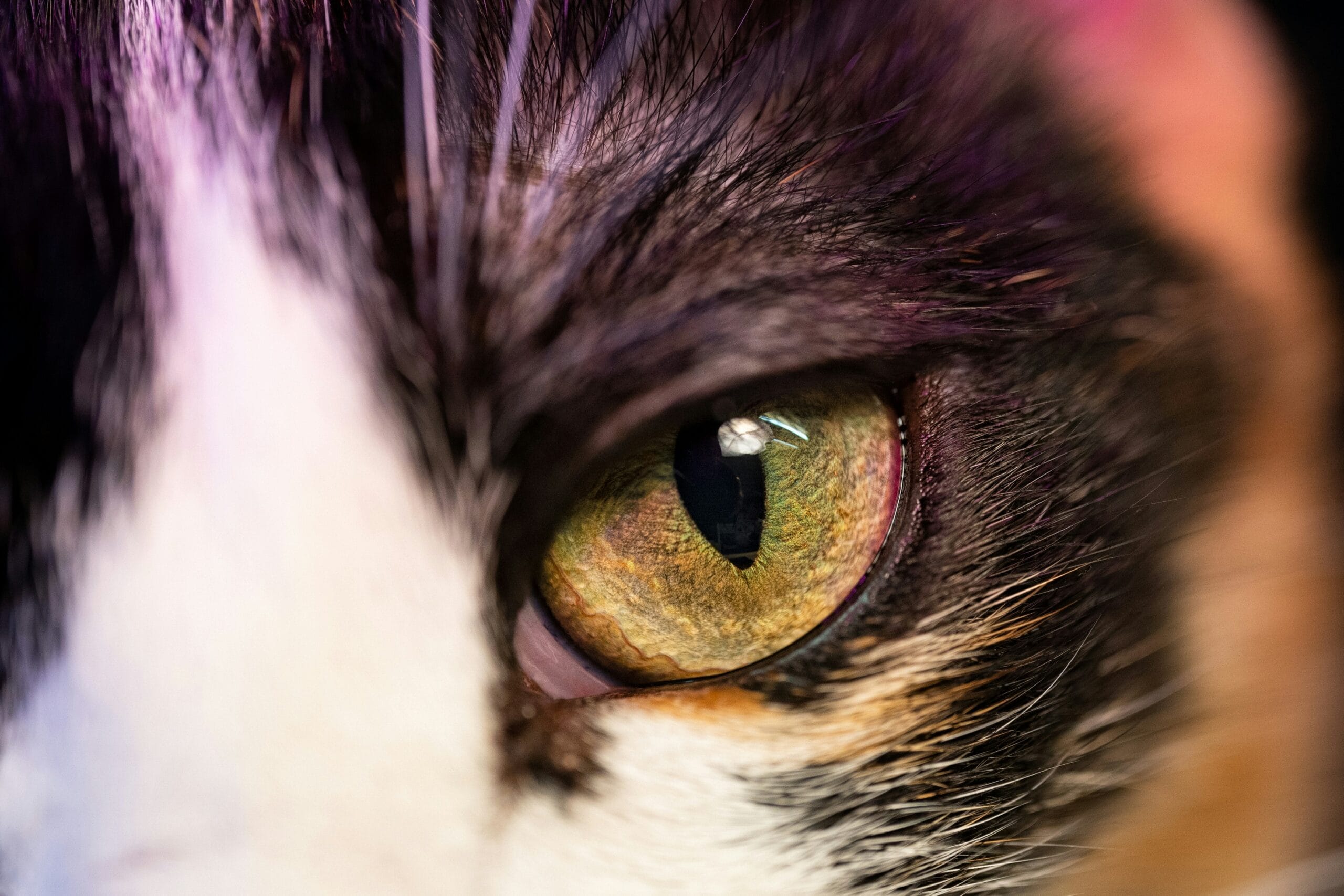
This is genuinely the most urgent and distinctive aspect of feline hypertension to understand. Persistently elevated blood pressure can damage the delicate blood vessels within the eye, sometimes causing sudden retinal detachment or bleeding within the eye, both of which can cause equally sudden, dramatic vision loss or complete blindness. Because cats compensate so well for gradual vision changes using their other senses, this sudden blindness is often the very first sign an owner notices, arriving with little to no warning beforehand. Dilated pupils that don’t constrict normally in bright light, and visible blood or an oddly colored appearance within the eye, are additional signs sometimes seen alongside or instead of complete vision loss.
| Underlying condition | Why hypertension develops | Screening recommendation |
|---|---|---|
| Chronic kidney disease | Impaired kidney function disrupts blood pressure regulation | Blood pressure check at every kidney disease recheck |
| Hyperthyroidism | Excess thyroid hormone affects heart and vessel function | Blood pressure check at diagnosis and during treatment monitoring |
| No identified cause | Less common (idiopathic) form | Still requires ongoing monitoring and treatment |
Other Signs Beyond Vision Changes
Sudden blindness or disorientation. Bumping into furniture, hesitating in familiar spaces, or generally seeming lost.
Dilated pupils. Pupils that appear unusually large and don’t constrict normally in bright light.
Lethargy or behavior changes. Less specific, but sometimes accompanies hypertension alongside its underlying cause.
Signs of the underlying condition. Increased thirst and urination (kidney disease), or weight loss with increased appetite (hyperthyroidism), often present alongside the hypertension itself.
Occasionally, no signs at all. Some cats show no outward symptoms whatsoever until an eye exam or routine blood pressure check reveals the problem.
Diagnosis and Treatment
What Blood Pressure Measurement Actually Involves
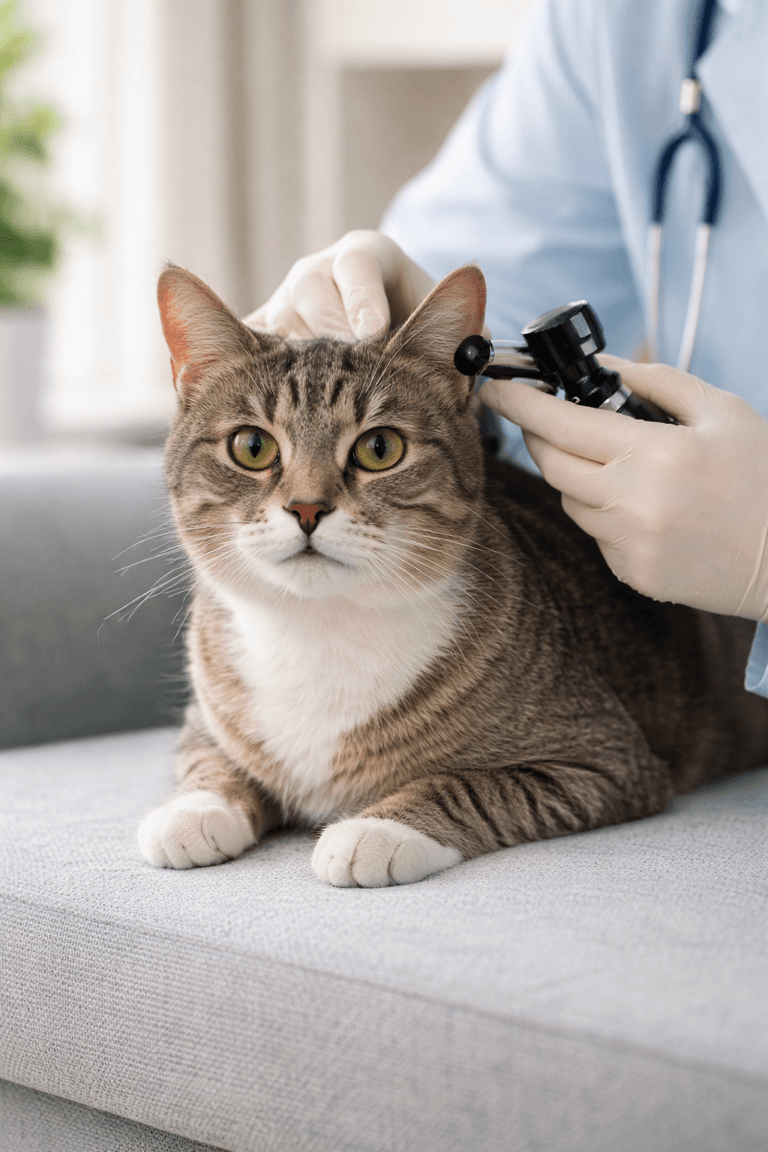
Understanding the process helps demystify what can otherwise feel like an unfamiliar procedure. A small cuff, similar in principle to one used for people, is placed around a leg or the base of the tail, and a Doppler device or oscillometric monitor measures blood pressure over several readings to get a reliable average, since a single reading can be affected by a cat’s stress response to the clinic environment itself. Taking multiple readings, and ideally allowing a cat a few minutes to settle before measuring, helps distinguish genuine hypertension from a temporary stress-related elevation, sometimes called “white coat” hypertension, a phenomenon well recognized in both human and veterinary medicine. The procedure itself is quick, non-invasive, and generally well tolerated, making it a genuinely low-burden addition to a routine senior wellness visit.
Living With a Cat on Blood Pressure Medication
For most cats, daily blood pressure medication becomes a straightforward part of an existing routine, particularly for cats already receiving medication for an underlying kidney or thyroid condition, since one more daily pill often integrates easily into an established pattern. Amlodipine is generally well tolerated, with most cats showing no noticeable side effects at an appropriately titrated dose. Consistency matters genuinely here, since missed or irregular doses allow blood pressure to fluctuate rather than staying reliably controlled, which is exactly the pattern that puts the eyes and other organs at ongoing risk. Regular rechecks, particularly in the weeks after starting or adjusting the dose, confirm the medication is achieving adequate control, and most cats settle into a stable, well-managed long-term routine once the right dose is established.
A Closing Thought
Feline hypertension is one of the clearer examples of why routine senior wellness screening matters even in cats who seem perfectly healthy day to day. A five-minute blood pressure check, done proactively rather than only after a vision emergency, is a genuinely simple step that protects against one of the more sudden, distressing complications a cat owner can face.
What to Ask at Your Cat’s Next Wellness Visit
If your cat hasn’t had blood pressure checked recently, particularly if they’re seven or older, or have any known kidney or thyroid concern, it’s a reasonable, specific thing to ask about at the next visit rather than assuming it’s automatically included in every exam. Some practices include it as standard for senior patients, while others offer it as an add-on, so a direct question ensures it doesn’t get overlooked simply because it wasn’t specifically requested.
Frequently Asked Questions
Can hypertension in cats be cured?
It depends on the cause; hypertension linked to a treatable underlying condition may improve once that condition is addressed, though many cats require ongoing blood pressure medication regardless.
Is blindness from hypertension permanent?
It can be, particularly if retinal detachment has been present for a while before treatment begins, though some vision may be preserved or occasionally partially restored with prompt treatment, making urgency genuinely important.
Does every senior cat need blood pressure checked?
It’s increasingly recommended as part of routine senior wellness care, and is especially important for cats with known kidney disease or hyperthyroidism.
Are there signs before vision loss occurs?
Sometimes, but often not; this is exactly why routine screening matters, since waiting for obvious symptoms means the eyes may already be affected by the time hypertension is identified.
By Dr. Zahid Afzal, DVM — General Veterinary Hospital, Lahore. This article is for general education and does not replace a full physical examination or personalized treatment plan from your own veterinarian. If your cat suddenly loses vision, seek emergency care immediately.