Osteosarcoma in Dogs: Signs, Diagnosis & Treatment Options
A large-breed dog with a limp that doesn’t improve with rest is one of the more common ways osteosarcoma in dogs, the most frequently diagnosed bone cancer in dogs, first announces itself. This guide explains why this limp looks deceptively like a simple sprain at first, what diagnosis and staging actually involve, and what treatment options exist for this aggressive but well-studied cancer.
Osteosarcoma in dogs: which Dogs Are Most at Risk
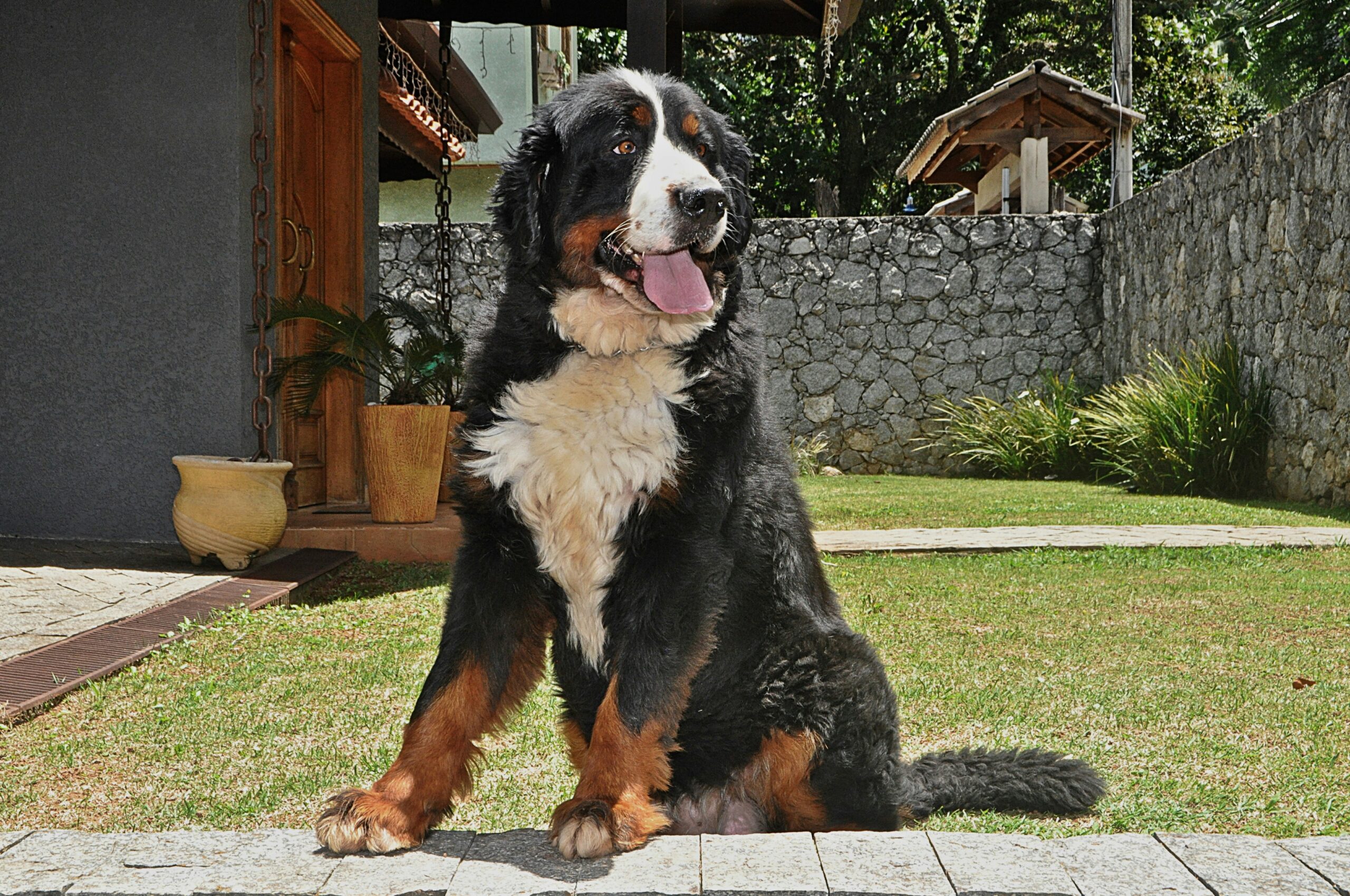
Osteosarcoma in dogs shows a strong, well-documented predisposition toward large and giant breed dogs, with research consistently identifying breeds like Scottish Deerhounds, Great Danes, Saint Bernards, Rottweilers and Leonbergers among those at notably elevated risk. It typically affects middle-aged to older dogs, and within affected breeds, dogs with longer legs and greater overall body size appear to carry proportionally higher risk, suggesting a genuine link between skeletal size and cancer development in the bones that support it. Small and toy breed dogs can develop osteosarcoma too, but it’s considerably less common in this group.
Why the Early Limp Is So Easily Misread
This is genuinely one of the more important things to understand about this cancer: the limping it causes in its early stages looks remarkably similar to a routine soft-tissue strain or minor joint injury, the kind that’s common and usually resolves with rest. A dog favoring a leg after active play, showing some reluctance to bear full weight, is a familiar, usually benign presentation that many owners and even some initial veterinary assessments reasonably attribute to a simple sprain first. What distinguishes osteosarcoma in dogs is that this limping persists or worsens despite rest, and localized swelling or a firm mass often becomes apparent over the following days to weeks, at which point X-rays become essential rather than optional. Any persistent limp in a large or giant breed dog that isn’t clearly improving within a few days of rest deserves imaging rather than continued waiting.
| Feature | Typical soft-tissue injury | Osteosarcoma |
|---|---|---|
| Response to rest | Usually improves within days | Persists or worsens |
| Swelling | Often diffuse, soft | Localized, firm, over the bone itself |
| Typical age/breed | Any age or breed | Middle-aged to older large/giant breeds |
| X-ray findings | Usually normal | Characteristic bone destruction pattern |
Recognizing the Signs
Persistent limping. Often the first and most noticeable sign, not resolving with rest the way a typical minor injury would.
Localized swelling. A firm swelling over the affected bone, most commonly near a joint in a limb.
Pain on touch. The affected area is often notably painful when gently palpated.
Reduced appetite and lethargy. General signs of illness sometimes accompany the more localized limb symptoms, particularly as the disease progresses.
Pathologic fracture. In some cases, the weakened, cancer-affected bone fractures with minimal or no trauma, sometimes the first dramatic sign that prompts a veterinary visit.
Diagnosis and Staging
Understanding the Metastasis Reality
This is a difficult but important point to understand honestly: the large majority of dogs with osteosarcoma in dogs are presumed to already have microscopic cancer cells in the lungs at the time of diagnosis, even when chest imaging shows no visible spread yet. This is precisely why treatment for osteosarcoma isn’t just about addressing the visible tumor in the limb; chemotherapy following surgery aims to address this presumed microscopic spread throughout the body, meaningfully extending survival time compared to surgery alone, even though it doesn’t reliably prevent eventual detectable metastasis in most cases. Understanding this reality upfront helps set realistic expectations for what treatment can and cannot achieve, while still recognizing that treatment offers genuine, meaningful benefit in both survival time and quality of life.
Treatment Options
Recovery and Life After Surgery
Recovery from amputation surgery typically involves a short hospital stay of one to two days, followed by pain management and activity restriction at home while the incision heals over the following two weeks. Physical therapy and structured rehabilitation, sometimes including hydrotherapy, support many dogs in rebuilding strength and confidence on three legs more quickly and comfortably. Most owners report that their dog’s energy and personality return to normal remarkably fast once the initial post-surgical pain resolves, often faster than the owner’s own emotional adjustment to the change. Home modifications like non-slip flooring and ramps for stairs or car access genuinely help a dog navigate daily life comfortably on three legs, particularly in the first few weeks as they adjust to their new balance and movement patterns.
Making Treatment Decisions That Fit Your Circumstances
Given the range of treatment intensity available, from full surgery-plus-chemotherapy protocols to palliative pain management alone, having an honest conversation with your veterinarian about your specific goals, financial circumstances, and your dog’s overall health and temperament genuinely matters. Some owners pursue the full treatment protocol aiming to maximize survival time, while others prioritize comfort-focused palliative care given a dog’s age or other health considerations, and both are entirely valid, individualized decisions rather than one being objectively “more correct” than the other. Your veterinary oncologist or general practitioner can walk through realistic expected outcomes for each path specific to your dog’s situation, helping you choose the approach that best fits your family’s circumstances and your dog’s own quality of life throughout treatment.
A Closing Thought
An osteosarcoma diagnosis is genuinely difficult news, but veterinary medicine has made real, meaningful progress in both treating this cancer and helping dogs live well through treatment. Many owners who initially feared amputation would devastate their dog’s quality of life find themselves pleasantly surprised by how quickly their dog returns to being, in every way that matters, entirely themselves again.
Cost Considerations
Osteosarcoma treatment represents a genuine financial commitment, spanning diagnostic imaging and biopsy, surgery, and often several months of chemotherapy. Costs vary considerably depending on which treatment path is chosen, from palliative pain management alone through to the full surgery-plus-chemotherapy protocol. Discussing the full range of realistic options and their associated costs openly with your veterinary team early on helps you plan appropriately and choose a path that genuinely fits your circumstances, rather than facing escalating decisions under pressure as treatment progresses.
Frequently Asked Questions
Is osteosarcoma always fatal?
It’s generally considered a serious, life-limiting cancer given the high likelihood of eventual metastasis, though treatment meaningfully extends survival time and quality of life for most dogs compared to no treatment.
Will my dog struggle with amputation?
Most dogs adapt remarkably well and quickly, typically walking within days and resuming a good quality of life within weeks, often better than owners anticipate beforehand.
Is chemotherapy necessary after amputation?
It’s generally recommended since it meaningfully extends survival time by addressing presumed microscopic spread, though the decision ultimately depends on your dog’s overall health and your own circumstances and goals for treatment.
Can osteosarcoma be caught early through screening?
There’s no routine screening test for this cancer in healthy dogs; awareness of the early warning sign, persistent limping that doesn’t improve with rest in a predisposed breed, remains the most practical way to catch it as early as possible.
By Dr. Zahid Afzal, DVM — General Veterinary Hospital, Lahore. This article is for general education and does not replace a full physical examination, diagnostic imaging or personalized treatment plan from your own veterinarian or veterinary oncologist.