Canine Degenerative Myelopathy: Signs, Genetics & Management
Canine degenerative myelopathy is sometimes described as the canine equivalent of ALS, a progressive, currently untreatable disease that slowly robs a dog of hind-limb function. This guide explains what makes it different from far more common causes of hind-leg weakness, the genetic test now available for at-risk breeds, and what realistic, compassionate management looks like once a diagnosis is confirmed.
Canine degenerative myelopathy: why "Painless" Is the Single Most Important Word Here
This is genuinely the most clinically important distinguishing feature of canine degenerative myelopathy: unlike IVDD, arthritis, or most other causes of hind-limb weakness, DM does not cause pain. A dog with DM shows progressive weakness, dragging of the toes, and incoordination, but doesn’t cry out, resist movement, or show the guarding behavior typical of painful spinal conditions. This single feature is often the first clue that points a veterinarian away from more common painful causes and toward considering DM, particularly in a predisposed breed showing gradual, painless decline rather than the sudden, painful onset typical of a disc problem.
The Genetic Component
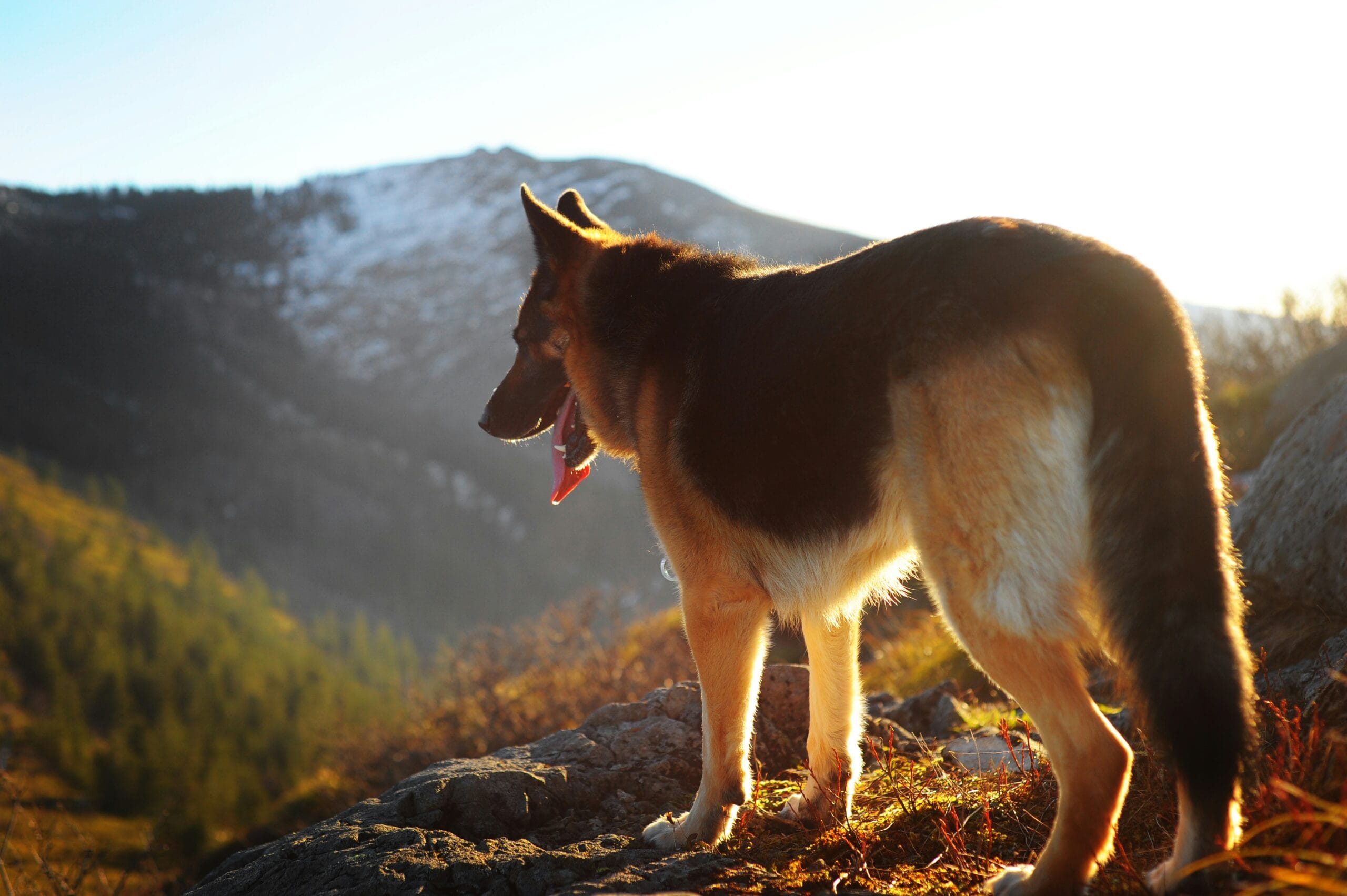
A specific mutation in the SOD1 gene has been identified as strongly associated with degenerative myelopathy, and a genetic test is commercially available to check a dog’s status. Dogs can be clear, carriers, or “at risk” (having two copies of the mutation), though it’s important to understand this test predicts genetic risk, not certainty; not every at-risk dog develops clinical disease, and the test cannot predict when or if symptoms will appear. For breeds with a known predisposition, including German Shepherds, Boxers, Pembroke Welsh Corgis, and several others, genetic testing can inform breeding decisions and give owners some advance awareness, though it doesn’t currently change clinical management once a diagnosis is confirmed through symptoms and imaging.
| Feature | Degenerative myelopathy | IVDD |
|---|---|---|
| Pain | Painless | Typically painful, especially acute cases |
| Onset | Gradual, over months | Can be sudden (Type I) or gradual (Type II) |
| Typical age | Usually 8+ years | Any age, often younger in predisposed breeds |
| Treatment | No cure; physical therapy and support | Rest or surgery, often effective |
Recognizing the Progression
Early stage. Subtle hind-limb weakness, dragging of the toes (sometimes worn nails from scuffing), and mild incoordination, often first noticed as a slight wobble or reluctance during longer walks.
Middle stage. Progressive weakness makes standing and walking increasingly difficult, sometimes requiring support, with continued absence of any pain response throughout.
Advanced stage. Eventually affects the front limbs and, in later stages, breathing muscles, though this typically takes a year or more to progress from initial signs, giving owners meaningful time to adapt and plan.
Diagnosis: Ruling Out Treatable Causes First
There is no single definitive test that confirms DM in a living dog; diagnosis is largely one of exclusion, ruling out other, often more treatable causes of hind-limb weakness first. MRI is typically used to rule out IVDD, tumors, or other structural spinal problems that could explain the same symptoms, since several of these conditions are treatable and shouldn’t be missed by assuming DM without proper investigation. The genetic test supports a suspected diagnosis but doesn’t confirm it alone, since some at-risk dogs never develop clinical disease. A truly definitive diagnosis technically requires post-mortem spinal cord examination, though a strong clinical suspicion combined with ruling out other causes and a positive genetic test is generally sufficient for practical management decisions during a dog’s life.
Managing Quality of Life
The Emotional Side of a DM Diagnosis
Beyond the clinical management, owners of dogs with degenerative myelopathy often describe the emotional journey as genuinely difficult in a particular way: watching a beloved, bright, mentally engaged dog gradually lose physical function while their personality and spirit remain fully intact. Many owners find this combination, a happy, alert dog trapped in a progressively less capable body, more emotionally challenging than conditions where physical and mental decline occur together. Connecting with other owners managing DM, through online communities or local support groups, often provides genuinely useful practical tips alongside emotional support, since the day-to-day challenges of managing mobility equipment, bladder care, and adapting the home environment are specific enough that shared experience from others in the same situation tends to be more immediately useful than general advice.
Adapting the Home Environment
As mobility declines, small home modifications make a genuine difference to a DM dog’s daily comfort and independence. Non-slip flooring, rugs or mats over hardwood or tile, gives struggling hind legs better traction and reduces frustrating, potentially injurious slips. Ramps replacing stairs wherever possible reduce the physical demand of navigating level changes. Raised food and water bowls can help dogs that struggle to lower their head and maintain balance simultaneously. Many owners find that making these changes gradually, as needs actually emerge rather than all at once preemptively, helps a dog adjust naturally to an evolving environment that continues to support their changing physical capabilities throughout the disease course.
Working With a Rehabilitation Specialist
Veterinary rehabilitation specialists, similar in concept to human physical therapists, offer genuinely valuable structured support for dogs with DM beyond what general home exercise alone can provide. Underwater treadmill therapy allows dogs to exercise with reduced weight-bearing stress, often maintaining muscle strength and mobility longer than land-based exercise alone would achieve. Targeted exercises addressing specific weakness patterns, combined with regular professional assessment of changing needs as the disease progresses, help owners adjust the management plan appropriately over time rather than using a single static approach throughout the entire disease course. Many veterinary practices can provide a referral to a rehabilitation specialist if this service isn’t available in-house, and starting this kind of structured support early in the disease course, rather than waiting until mobility has already significantly declined, tends to produce the best functional outcomes.
A Closing Thought
A degenerative myelopathy diagnosis marks the beginning of a different kind of care rather than an immediate crisis. With realistic expectations, structured support, and attentive quality-of-life monitoring, many dogs with DM enjoy meaningful additional time with their families, adapting alongside their owners to each new stage of the disease.
Distinguishing DM From Wobbler Syndrome
Another condition worth ruling out alongside IVDD is Wobbler syndrome, which also causes progressive gait abnormalities in large-breed dogs but stems from compression higher up, in the neck rather than the lower spinal cord. Both conditions can produce a similarly unsteady, weakening gait, which is exactly why thorough imaging and a full neurological workup matter for reaching an accurate diagnosis rather than assuming DM based on breed and age alone.
Frequently Asked Questions
Is degenerative myelopathy painful for dogs?
No, this is one of its defining features; DM causes progressive weakness without pain, distinguishing it from most other spinal conditions with similar early symptoms.
Can degenerative myelopathy be treated or cured?
There is currently no cure and no proven treatment that stops progression; management focuses on physical therapy, mobility support, and maintaining quality of life throughout the disease course.
Does a positive genetic test mean my dog will definitely develop DM?
No, the test identifies genetic risk, but not every dog carrying the associated mutation develops clinical disease; it’s a risk indicator, not a certain diagnosis.
How long do dogs live with degenerative myelopathy?
Progression typically spans one to three years from first symptoms, though this varies, and many owners focus on maintaining comfort and mobility support throughout this period.
By Dr. Zahid Afzal, DVM — General Veterinary Hospital, Lahore. This article is for general education and does not replace a full physical examination, imaging or personalized guidance from your own veterinarian.