
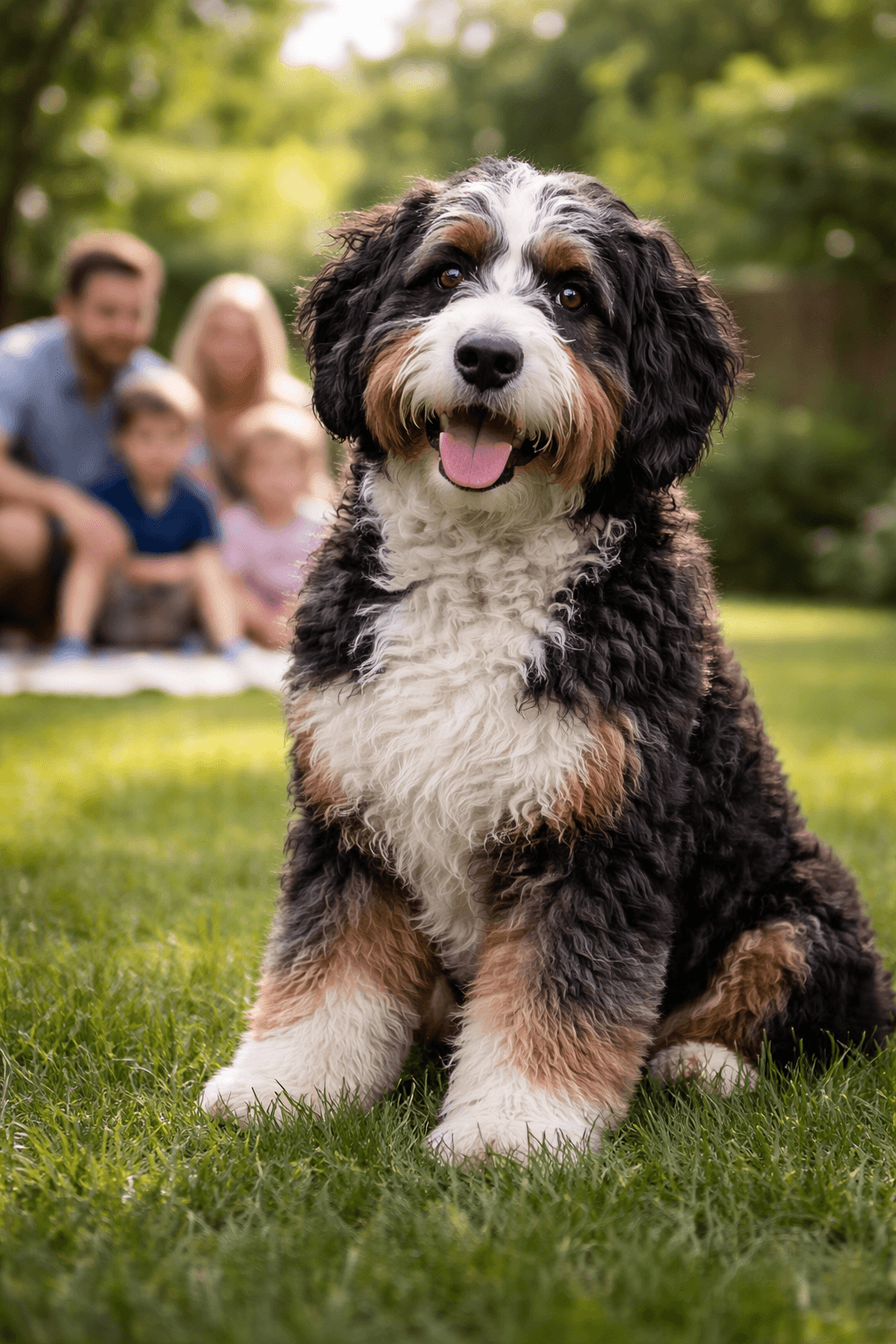
You’ve probably seen Cavoodles, Labradoodles, and Groodles everywhere lately. But what actually makes a dog an “Oodle”?
It’s a common umbrella term for any dog bred by crossing a Poodle with another breed. This paid guest contribution comes from OodlePups.com.au, whose team describes its work as breeding multi-generational Australian Labradoodles in Brisbane and helping prospective owners understand these crossbreeds.
The thing is, no two Oodle dog breeds are the same. Adult size, coat type, grooming needs, exercise demands, and temperament all depend on which parent breed sits alongside the Poodle.
That’s a lot of variation for one family of dogs. So in this article, we’ll break down what defines an Oodle, why they differ so much, and what to consider before you pick a puppy.
Oodle dog breeds: what to know first
“Oodle” describes a Poodle cross, not a guarantee of size, temperament or an allergy-free coat. Compare the parent breeds, ask for health-screening results, and plan for regular grooming before choosing a puppy.
How Poodle Traits Mix With Cocker Spaniel, Golden Retriever and Other Breeds
Every Oodle gets its traits from two places: the Poodle side and the other parent breed. That mix is why oodle dog breeds can look and act so differently from each other. Below you’ll learn how it works so you can set realistic expectations before you commit to a puppy.
Popular Types of Oodle Dogs and Their Parent Breeds
The name of an Oodle usually tells you which breeds were crossed. A Labradoodle, for example, combines a Labrador Retriever with a Poodle. The modern Labradoodle breeding programme became widely known in Australia in 1989 through efforts to develop an allergy-compatible guide dog.
The same naming pattern applies to other popular Oodles. A Groodle (also called a Goldendoodle) comes from a Golden Retriever and a Poodle. These dogs are often larger than some smaller Oodle types, but a calm temperament is not guaranteed.
Then you’ve got Spoodles, also known as Cockapoos, which are the same cross between a Cocker Spaniel and a Poodle. The two names refer to the same type of crossbreed.
Cockapoos are one of the oldest Oodle crosses, dating back to the 1960s in the United States. Cavoodles, on the other hand, bring together a Cavalier King Charles Spaniel and a Poodle, and they’ve become one of the most popular small breeds in Australia.
These aren’t just different names for the same dog. Each cross starts with a different set of genes, so the size, coat, energy level, and temperament can all shift depending on the pairing.
| Common name | Parent breeds | Important consideration |
|---|---|---|
| Labradoodle | Labrador Retriever × Poodle | Coat and adult size vary; Australian Labradoodle lines may have a more complex ancestry. |
| Groodle / Goldendoodle | Golden Retriever × Poodle | Poodle size influences the expected adult size. |
| Spoodle / Cockapoo | Cocker Spaniel × Poodle | Allow time for coat care, training and companionship. |
| Cavoodle / Cavapoo | Cavalier King Charles Spaniel × Poodle | Ask about health screening relevant to both parent breeds. |
Which Poodle Traits Do Oodle Dogs Inherit?
Poodles are consistently ranked among the smartest dog breeds. They are also active, easy to train, and known for their low-shedding coats. These qualities make Poodles a popular choice for crossbreeding with other breeds.
However, Poodle ancestry does not cancel out the other parent’s traits. Cocker Spaniel crosses are often described as affectionate companions, while Retriever crosses may be active and food-motivated. These are broad tendencies rather than promises about an individual puppy. Exercise needs depend on age, health and the individual dog as well as ancestry.
Because of these differences, each pairing produces a different balance of traits. The inheritance isn’t a neat 50/50 split either. Individual puppies can lean more toward one parent breed than the other, even within the same litter.
Why Oodle Size and Traits Can Vary Between Puppies
Poodles come in three sizes: Toy, Miniature, and Standard. That single factor creates a wide size range across Oodle breeds. For example, a Toy Cavoodle might weigh around 5 kg fully grown, while a Standard Groodle can reach 35 kg or more.
The generation of a Cavoodle or Groodle can also affect how predictable its traits are. A first-generation cross (one purebred parent from each side) can show considerable variation. In multi-generational lines, breeders may select for particular traits over several generations, but the generation label alone does not guarantee predictable appearance, health or behaviour.
Even with a known breed pairing and generation, two puppies of the same Oodle type can still end up looking and behaving quite differently. Breed profiles and photos are a helpful starting point, but they won’t tell you exactly what your own puppy will grow into.
Generally, the lifespan for many smaller to medium Oodles sits around 12 to 15 years, so this is a long commitment worth getting right.
Oodle Coat Types, Shedding, Grooming and Temperament: What Can You Predict?
Coat and temperament are the two things most people want to know about before choosing an Oodle. The honest answer is that neither one is fully predictable. But knowing what influences both will help you ask better questions and prepare for the dog you’ll actually live with.
Do Oodle Dogs Shed or Have Hypoallergenic Coats?
Low-shedding coats are one of the main reasons people look into Oodle dog breeds. Poodles carry genes for a curly, low-shedding coat, and many Oodles inherit a curly or wavy coat. But the result varies from dog to dog, even within the same litter.
That variation comes from the coat each puppy inherits from both parents. An Oodle’s coat can range from tight curls to loose waves or a straighter texture. For example, a Labradoodle with stronger Labrador coat traits may shed more than one with a curlier fleece coat. Fleece coats are usually soft and silky, while wool coats tend to have tighter curls and sit closer to the skin.
These differences can matter if allergies are a concern. After all, no dog is completely hypoallergenic, and allergens are found in dander and saliva as well as loose hair.
So a low-shedding Oodle may cause fewer symptoms for some people, but it can’t remove the risk completely. Anyone with allergies should spend time with the specific puppy before bringing it home.
The coat you see on a young puppy can also change as it grows. Many Oodles start developing their adult coat between six and twelve months. That means the soft, wavy fluff at eight weeks may look and feel different once the dog reaches adulthood.
How Much Grooming Do Oodle Coats Need?
Many people assume that low shedding also means low maintenance. In reality, it’s often the opposite. Curly and fleece-type coats tend to trap loose hair instead of dropping it around the house. That trapped hair tangles with the rest of the coat and will lead to matting if you don’t brush regularly.
Brushing frequency should suit the coat: some Oodles need daily attention, especially during coat changes. A suitable slicker brush and a metal comb can help, but ask a groomer to demonstrate gentle brushing down to the skin. Focus on areas that tangle the most, like behind the ears, under the legs, and around the collar line. Those spots get friction from movement and are usually the first to mat.
Coat-care note: Avoid bathing a matted coat before getting grooming advice, because wetting and drying can tighten tangles. Do not pull at painful mats or cut close to the skin with scissors; a professional groomer or veterinarian can help.
Now, even with regular brushing at home, most Oodles need professional grooming every four to six weeks. Prices vary by location, dog size and coat condition, so get a current local quote rather than relying on a fixed estimate.
So it’s a good idea to ask your breeder about the likely adult coat type before choosing a puppy. That one conversation can save you from unexpected grooming costs later on.
What Is an Oodle Dog’s Temperament Like?
There’s no single personality that applies to every Oodle across every breed and litter. Poodle ancestry often brings intelligence, trainability, and an active nature. But the other parent breed adds its own personality into the mix, and each puppy inherits a different balance.
Genetics can influence several areas:
- Energy and Exercise Needs: There is no single exercise allowance for all Oodles. Plan age-appropriate walks, play, rest and mental activity around the individual dog’s health and needs. Puppies should not simply follow an adult exercise target.
- Sociability: With proper socialisation from a young age, Oodles tend to be friendly and good with families. Early exposure to different people, animals, and environments goes a long way in building that confidence.
- Trainability: Poodle heritage is a big part of why Oodles respond well to reward-based training. That same intelligence also means some can pick up therapy and service work.
- Playfulness: Don’t expect your Oodle to slow down any time soon. Many stay playful well into adulthood and enjoy chew toys, fetch, and interactive games that keep their minds busy.
Breed profiles point you in a general direction, but they leave out a lot. The individual puppy, the breeder’s practices, early socialisation, your home environment, and ongoing training all influence the dog your Oodle becomes.
So before you fall in love with a cute photo, think about your daily life: how much exercise can you realistically give? And how much time do you have for grooming and training?
Some Oodles, like other dogs, struggle with being left alone. Barking, chewing or digging can have several causes; distress during absences deserves a gradual support plan rather than punishment.
Choose Between the Different Types of Oodle Dogs
All those Oodle names get a lot easier to understand once you stop expecting one word to describe an entire dog. Each cross is different, and the right one depends on how you live, not just how a puppy looks.
So before you commit, ask your breeder about the parent dogs, expected adult size, coat type, grooming needs, temperament, and health testing. Be wary of anyone who promises a puppy will be hypoallergenic or non-shedding without explaining what that actually means for their specific lines.
Contributor’s note: Oodle Pups states that it health tests its breeding dogs, socialises puppies and offers ongoing support after collection. Prospective owners should ask to see the relevant parent-dog health results and discuss the puppy’s needs directly with the breeder.



One Comment