
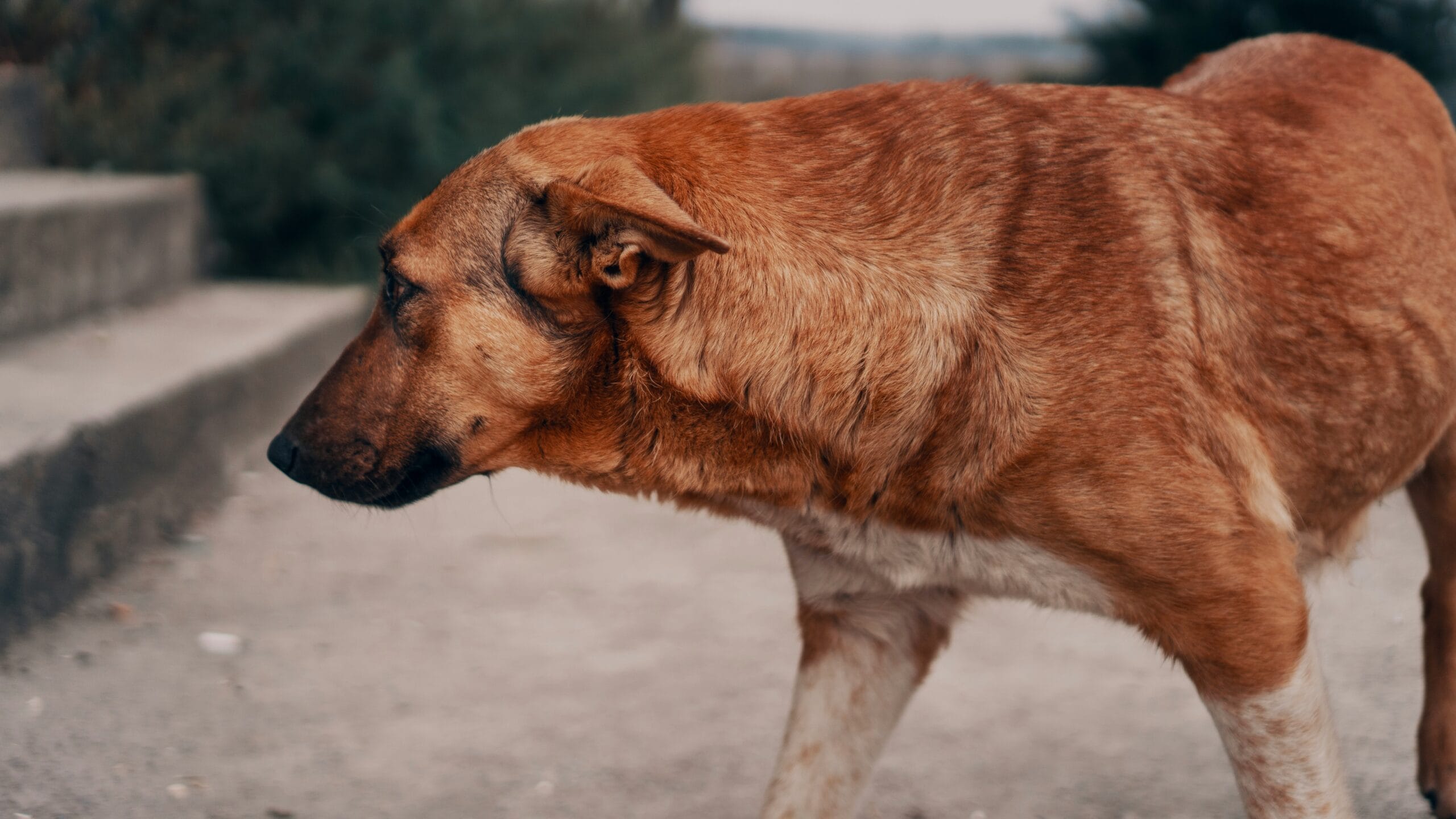
Hip Dysplasia in Dogs: Signs, Causes & Treatment Options
Hip dysplasia is one of the most common orthopedic conditions in dogs, especially large breeds, and one that many owners first notice as a subtle change in how their dog gets up, rather than an obvious limp. This guide explains what’s actually happening inside the joint, which dogs are most at risk, how it’s diagnosed at different life stages, and the full range of treatment options from conservative management to surgery.
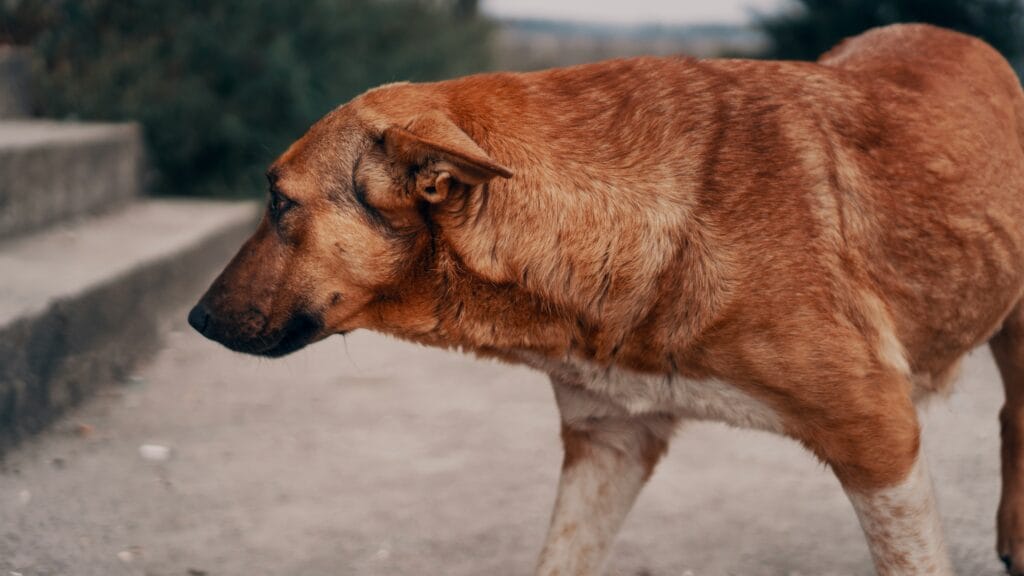
Hip dysplasia in dogs: What Is Actually Happening in the Joint
A healthy hip joint works like a snug ball-and-socket, with the rounded head of the femur fitting closely into a correspondingly shaped socket in the pelvis, allowing smooth, stable movement. In hip dysplasia in dogs, this fit is imperfect from an early age, often due to looseness in the joint capsule and ligaments that should hold the ball securely in place. This looseness allows abnormal movement and grinding within the joint during normal activity, gradually wearing down the cartilage that would otherwise cushion the bones. Over months and years, this abnormal wear triggers the body’s inflammatory and bone-remodeling response, leading to the arthritis, bone spurs, and joint thickening that cause much of the pain and stiffness owners eventually notice, particularly in adult and senior dogs whose dysplasia went unaddressed earlier in life.
Which Dogs Are Most at Risk
Large and giant breeds. German Shepherds, Labrador Retrievers, Golden Retrievers, Rottweilers, Great Danes, and Saint Bernards are among the breeds with notably higher reported rates, largely reflecting genetic predisposition combined with rapid growth patterns.
Genetics. Hip dysplasia in dogs has a strong hereditary component, which is why responsible breeders screen breeding dogs’ hips through radiographic evaluation before breeding, aiming to reduce the trait’s prevalence in future litters.
Rapid growth and excess weight in puppyhood. Large-breed puppies that grow too quickly, often from overfeeding or an inappropriately calorie-dense diet, are at increased risk of developing or worsening dysplasia, since the developing joint is particularly vulnerable to excess mechanical stress during this growth window.
Excess weight at any age. Extra body weight places additional mechanical stress on already vulnerable joints, both accelerating cartilage wear in dysplastic dogs and worsening symptoms in dogs already diagnosed.
Recognizing the Signs
Difficulty rising. A hesitant, effortful process getting up from lying down, sometimes with an audible groan or obvious discomfort, is one of the most classic early indicators.
Bunny-hop gait. Some dogs, particularly when running, move both hind legs together in a hopping motion rather than the normal alternating stride, an adaptation to hip instability.
Reluctance to jump, climb stairs, or exercise. A previously enthusiastic dog becoming hesitant about activities that load the hips is a meaningful behavioral clue.
Reduced activity and muscle loss. Over time, dogs may become less active overall, and muscle wasting in the hind end can become visible as the dog compensates by shifting weight forward.
Stiffness after rest. Notable stiffness after sleeping or resting that improves somewhat once the dog warms up and moves around is a classic arthritis-related pattern.
| Stage | Signs | Typical approach |
|---|---|---|
| Young/developmental | Looseness, bunny-hop gait, discomfort during growth | Early diagnosis, weight control, activity modification, possible early surgery |
| Adult, mild-moderate | Occasional stiffness, reduced tolerance for activity | Weight management, joint supplements, physical therapy, anti-inflammatories as needed |
| Advanced/severe | Significant pain, muscle wasting, marked mobility loss | Surgical options (e.g. total hip replacement) often considered |
How Hip Dysplasia Is Diagnosed
Diagnosis begins with a physical exam, where a veterinarian checks for joint laxity, pain response, and range of motion, sometimes using a specific manipulation test that can detect instability even before X-rays are taken. Radiographs (X-rays) are the standard way to visualize the joint’s actual conformation and confirm the diagnosis, typically taken with the dog positioned in a specific way to properly assess the hip socket’s depth and the femoral head’s fit. For breeding dogs or particularly detailed assessment, specialized certification programs offer standardized hip evaluation and scoring, providing an objective measure used both for individual treatment planning and broader breeding decisions aimed at reducing the condition’s prevalence over generations. It’s worth knowing that X-ray severity doesn’t always perfectly predict symptom severity; some dogs with notable radiographic changes show relatively mild clinical signs, while others with more modest imaging findings experience significant discomfort, which is part of why treatment decisions consider the whole clinical picture, not X-rays alone.
Treatment Options, From Conservative to Surgical
Management of hip dysplasia spans a genuine spectrum, and the right approach depends on the dog’s age, severity, and overall health. Weight management is foundational at every stage, since even modest weight loss in an overweight dog can measurably reduce joint stress and improve comfort. Controlled exercise, low-impact activities like swimming and leash walks rather than high-impact jumping or intense running, helps maintain muscle mass supporting the joint without accelerating wear. Joint supplements containing glucosamine and chondroitin are commonly used, with modest but real evidence for supporting joint health, though they work best as part of a broader management plan rather than a standalone fix. Anti-inflammatory medications, prescribed and monitored by a veterinarian, help manage pain and inflammation during flares. For more severe cases, particularly in younger dogs with significant instability, surgical options range from procedures that reshape the growing pelvis in puppies to full total hip replacement in more mature dogs, which can restore near-normal joint function and is considered one of the most effective long-term solutions for dogs with debilitating dysplasia. Our guide to helping a dog with arthritis at home covers many of the same supportive strategies useful for dogs managing dysplasia-related joint disease day to day.
Supporting a Dog With Hip Dysplasia at Home
Living Long-Term With a Dysplastic Dog
Many owners hearing a hip dysplasia diagnosis for the first time picture a dramatically limited future for their dog, but the reality for most is considerably more optimistic with consistent management. Dogs are remarkably adaptable, and many with moderate dysplasia lead full, happy lives, going on walks, playing, and enjoying normal daily activities, simply with more attention paid to weight, exercise type, and pain management than a dog without joint disease. Tracking your dog’s mobility over time, noting good days and harder days, how far they comfortably walk, how quickly they tire, gives you and your veterinarian useful information for adjusting management as the condition naturally progresses with age. Cold, damp weather commonly worsens stiffness for dogs with joint disease, so some owners find a slightly adjusted routine, a bit more warmup time before activity, a heated bed in winter, helps through seasonal changes. Most importantly, a hip dysplasia diagnosis is a starting point for a management plan, not a fixed sentence; dogs diagnosed early and managed consistently often do remarkably well for years, and even dogs eventually needing surgery typically return to a great quality of life afterward.
Physical Therapy and Rehabilitation Options
Beyond home exercise adjustments, formal veterinary rehabilitation has become an increasingly accessible and valuable part of hip dysplasia management. Underwater treadmill therapy allows a dog to build muscle strength with buoyancy reducing joint load, often used both for conservative management and as part of post-surgical recovery. Targeted therapeutic exercises, guided by a veterinary rehabilitation specialist, can improve muscle support around an unstable joint in ways generic exercise doesn’t specifically target. Other modalities, including therapeutic laser and controlled stretching, are sometimes incorporated into a broader rehabilitation plan depending on individual assessment. While not every dog with hip dysplasia needs formal rehabilitation, it’s worth asking your veterinarian whether a referral makes sense, particularly for dogs with significant muscle loss or those recovering from hip surgery, since structured rehabilitation often produces meaningfully better functional outcomes than home exercise alone.
Frequently Asked Questions
Can hip dysplasia be prevented entirely?
Not entirely, since genetics play a major role, but responsible breeding practices, appropriate growth-phase nutrition, and maintaining a healthy weight throughout life all meaningfully reduce risk and severity.
At what age does hip dysplasia typically show symptoms?
It can appear as early as a few months old in severely affected puppies, though many dogs don’t show clear symptoms until secondary arthritis develops later, sometimes not until middle age or beyond.
Is surgery always necessary for hip dysplasia?
No, many dogs, particularly those with mild to moderate disease, are managed successfully with weight control, exercise modification, and medical management without surgery.
How effective is total hip replacement surgery?
It’s considered one of the most effective treatments available for severe cases, with the large majority of dogs achieving significantly improved comfort and near-normal joint function afterward.
Can small dogs get hip dysplasia too?
Yes, though it’s less common and typically less severe than in large breeds, hip dysplasia can occur in dogs of any size.
By Dr. Zahid Afzal, DVM — General Veterinary Hospital, Lahore. This article is for general education and does not replace a full physical examination, imaging or personalized treatment plan from your own veterinarian.





6 Comments