Feline Panleukopenia: Symptoms, Transmission & Prevention
Often called feline distemper or feline parvo, panleukopenia is one of the most severe and fastest-moving viral diseases affecting cats, particularly kittens. This guide explains why the virus is so persistent in the environment, what symptoms actually look like, why survival often comes down to how quickly treatment starts, and why vaccination remains overwhelmingly the best protection against a disease with a genuinely high fatality rate in unprotected kittens.
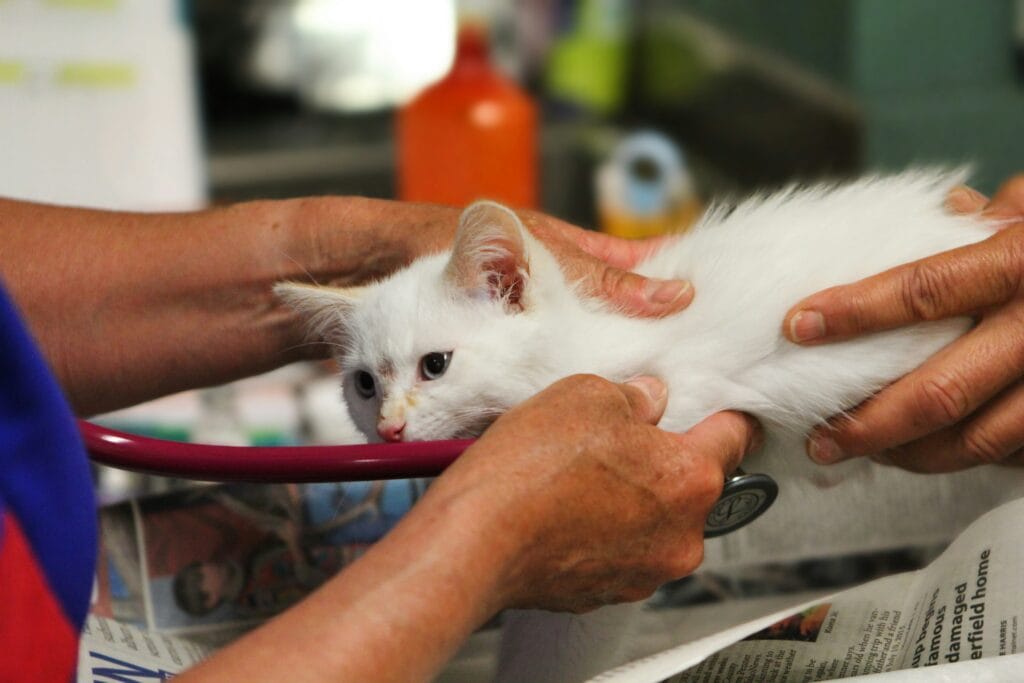
Feline panleukopenia: Why This Virus Is Different: Environmental Persistence
What sets feline panleukopenia apart from many other viral diseases is how remarkably hardy the virus is outside a host’s body. It can survive in a contaminated environment, on surfaces, bedding, food bowls, even soil, for many months to potentially over a year under the right conditions, and it resists many common household disinfectants that would readily destroy most other viruses. This means a kitten can become infected simply by entering an environment where an infected cat lived months earlier, without ever having direct contact with a sick animal. This environmental persistence is a major reason the virus remains a genuine ongoing threat in shelters, catteries, and any location with a history of prior infection, and why proper decontamination requires specific virucidal disinfectants rather than routine household cleaning products.
Symptoms of Panleukopenia
Severe vomiting. Often one of the earliest and most dramatic signs, frequently repeated and unrelenting.
Diarrhea, sometimes bloody. Intestinal lining damage from the virus commonly causes significant, sometimes hemorrhagic diarrhea.
High fever followed by low body temperature. Cats may initially spike a fever before temperature drops as the disease progresses, a concerning sign of advancing illness.
Severe lethargy and depression. Affected cats often become profoundly weak and unresponsive very quickly.
Loss of appetite and dehydration. Compounding rapidly due to ongoing vomiting and diarrhea.
Sitting hunched over a water bowl without drinking. A specific, often-described behavior in sick cats with feline panleukopenia, appearing to want water but too nauseated to actually drink.
| Feature | Details |
|---|---|
| Cause | Feline parvovirus, closely related to canine parvovirus |
| Transmission | Direct contact, contaminated environment/objects, in-utero from infected mother |
| Highest risk group | Unvaccinated kittens under six months |
| Environmental survival | Many months to over a year on surfaces without proper disinfection |
| Treatment | Intensive supportive care; no direct antiviral cure |
A Unique Risk: Cerebellar Hypoplasia in Kittens
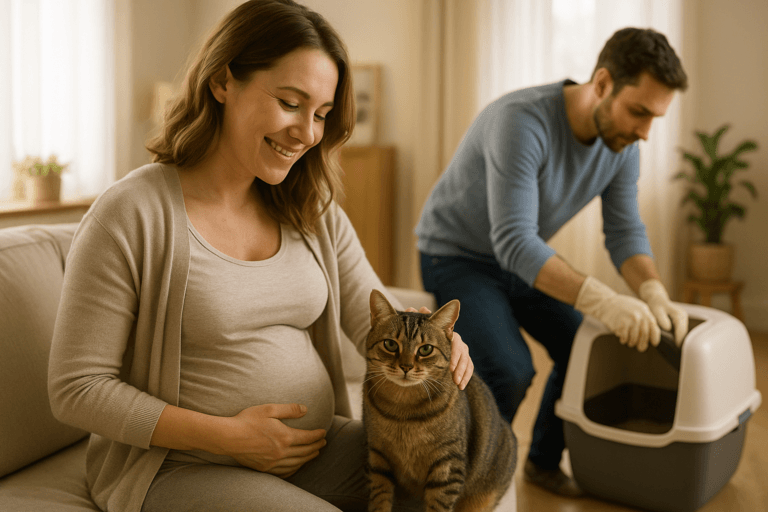
One distinctive aspect of panleukopenia involves kittens infected before birth or in very early life. If a pregnant queen is infected, the virus can affect the developing kitten’s cerebellum, the part of the brain controlling coordination and fine motor movement, resulting in a condition called cerebellar hypoplasia. Kittens born with this condition show a characteristic wobbly, uncoordinated gait and tremors, particularly noticeable when attempting precise movements, though they are generally not in pain and, importantly, are not contagious to other cats since the damage is a developmental effect rather than an active ongoing infection. Many cats with cerebellar hypoplasia adapt remarkably well and live full, happy lives with some accommodation for their coordination challenges, making this one of the more hopeful long-term outcomes connected to panleukopenia exposure, distinct from the acute, often fatal illness seen in kittens infected after birth.
Diagnosis and Treatment
Diagnosis typically combines clinical signs, vaccination history, and specific testing, including a fecal antigen test similar to those used for canine parvovirus, along with bloodwork that characteristically shows a dramatic drop in white blood cells, the “pan-leukopenia” the disease is named for. There is no direct antiviral treatment; management is entirely supportive and typically requires hospitalization with intravenous fluids to combat severe dehydration, anti-nausea medication, antibiotics to manage secondary bacterial infections that easily take hold when white blood cell counts are critically low, and sometimes blood or plasma transfusions in severe cases. The intensity of care needed, and the associated cost and hospitalization duration, is often substantial, reflecting how seriously ill affected cats typically become.
Improving Survival Odds
Panleukopenia’s Effect on the Immune System Itself
What makes feline panleukopenia particularly dangerous is that the virus specifically targets rapidly dividing cells, and this includes the very white blood cells the body needs to fight the infection in the first place. This creates a genuinely difficult situation: at the exact moment a cat’s immune system needs to mount its strongest response, the virus is actively destroying the cells that would carry out that response, leaving the body simultaneously fighting an aggressive infection and losing its primary defense mechanism. This is part of why secondary bacterial infections are such a common and serious complication, since a severely depleted white blood cell count leaves minimal defense against opportunistic bacteria that a healthy immune system would otherwise handle without difficulty. Bloodwork showing this characteristic drop in white blood cells is actually one of the more distinctive diagnostic clues pointing toward panleukopenia specifically, rather than another cause of similar gastrointestinal symptoms, and monitoring how this count changes over the course of treatment gives veterinarians a genuinely useful window into whether a cat is responding to supportive care or continuing to decline.
Bringing Home a New Kitten Safely
Given how environmentally persistent this virus is, bringing a new kitten into a home with any history of a prior cat illness deserves some extra thought, even if that illness happened months earlier under a previous owner or in a shelter setting. If you know or suspect panleukopenia was present in an environment previously, thorough disinfection using a product specifically labeled effective against parvovirus, and allowing significant time to pass, sometimes many months, provides meaningfully better protection than assuming enough time has simply passed on its own. New kittens should ideally be kept away from unknown outdoor cats and other potentially exposed animals until their vaccination series is complete, since the vulnerable window before full immunity develops is exactly when exposure risk matters most. If you’re adopting from a shelter or rescue, asking directly whether the facility has had recent panleukopenia cases is a reasonable question that responsible shelters should be able to answer honestly, and starting or continuing the vaccination series promptly on your veterinarian’s recommended schedule remains the single most protective step you can take.
A Note on Naming Confusion
The name “feline distemper” causes genuine confusion since it shares a name with the unrelated canine distemper virus, despite the two diseases being caused by entirely different viruses affecting different species with different disease patterns. Using the more precise term “feline panleukopenia” when discussing this specifically with your veterinarian, or clarifying which disease is meant, helps avoid mixing up information relevant to dogs with what actually applies to cats.
A Practical Closing Thought
Because this disease can move from first symptom to critical illness within a day or two, the practical takeaway is simple: don’t wait to see if a kitten “gets better on its own” if you notice severe vomiting or diarrhea, especially in an unvaccinated or partially vaccinated kitten. Same-day veterinary contact, even before symptoms feel dramatic, is the single decision most likely to change the outcome.
Frequently Asked Questions
Can vaccinated cats still get panleukopenia?
It’s uncommon but not impossible; core vaccination is highly effective, though no vaccine offers absolute guaranteed protection. Keeping to the full kitten vaccination schedule and any recommended boosters provides the best available protection.
Is panleukopenia the same as feline distemper?
Yes, “feline distemper” is an older, commonly used name for panleukopenia, though it’s caused by a different virus family than canine distemper despite the similar name.
How long does the virus survive in a home environment?
It can persist for many months to potentially over a year on surfaces without proper virucidal disinfection, which is why environments with a prior infection require thorough, specific cleaning before introducing a new unvaccinated cat.
Is cerebellar hypoplasia contagious?
No, cerebellar hypoplasia itself is a developmental effect from infection before birth, not an ongoing active infection, so affected kittens are not contagious to other cats.
What is the survival rate for panleukopenia?
Survival varies significantly with how quickly aggressive treatment begins; unvaccinated kittens without prompt intensive supportive care face a notably high fatality rate, while early, intensive treatment meaningfully improves outcomes.
By Dr. Zahid Afzal, DVM — General Veterinary Hospital, Lahore. This article is for general education and does not replace a full physical examination or personalized treatment plan from your own veterinarian. If your kitten shows signs consistent with panleukopenia, seek emergency veterinary care immediately.