
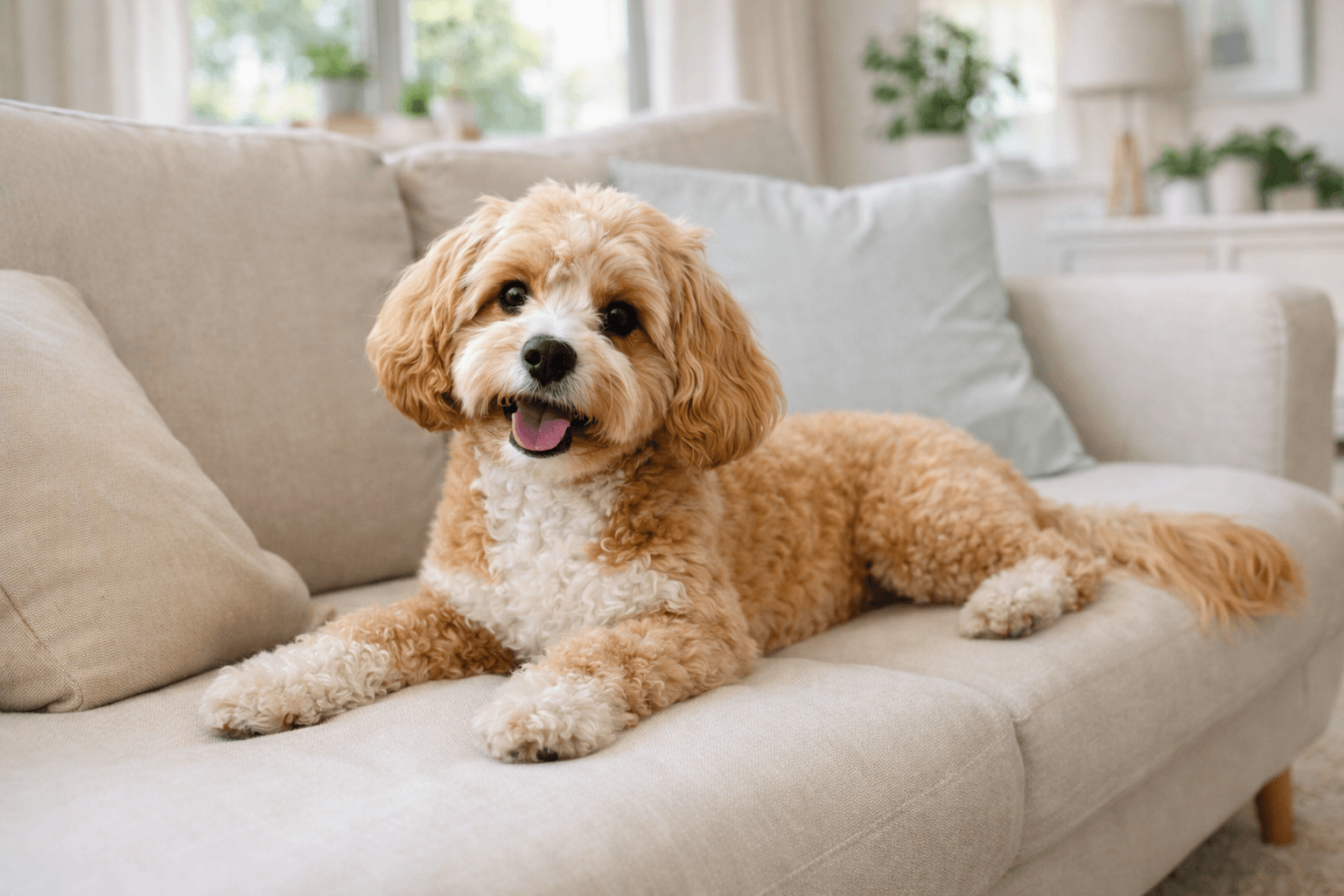
The Cavapoo (also called Cavoodle) is a popular designer dog created by crossing a
Cavalier King Charles Spaniel with a Miniature or Toy Poodle. With their soft coats, big eyes
and friendly personalities, Cavapoo dogs are often described as “teddy bears come to life.”
But behind the cute face, a Cavapoo is still a living, breathing animal with real health and
behaviour needs. As a veterinarian, I see both the joy and the challenges that can come with
owning a Cavapoo dog.
In this evidence-based guide, I’ll walk you through everything you should know before bringing
home a Cavapoo puppy or adopting an adult Cavapoo:
- What a Cavapoo really is and how the mix affects health
- Cavapoo temperament and behaviour you can expect at home
- How much exercise, training and grooming a Cavapoo needs
- Common Cavapoo health problems from a vet’s point of view
- Feeding and nutrition tips for Cavapoo puppies and adults
- How to choose a responsible Cavapoo breeder (or adopt safely)
- When a Cavapoo is the wrong choice for your family
This Cavapoo guide is for education only. It cannot replace an in-person veterinary
consultation. If your Cavapoo dog is sick, in pain or behaving strangely, please contact your
local vet or book an
online vet consultation
for personalised advice.
What Is a Cavapoo Dog?
A Cavapoo dog is a cross between the Cavalier King Charles Spaniel and the Poodle
(usually Miniature or Toy). Unlike recognised pure breeds, the Cavapoo is considered a
“designer” or hybrid dog. That means there is no single official Cavapoo standard – each
Cavapoo puppy can inherit different traits from the parents.
Typical features of a Cavapoo dog include:
- Size: small to medium (often 5–12 kg as an adult)
- Coat: soft, wavy or curly, usually low-shedding but not guaranteed hypoallergenic
- Colours: apricot, cream, red, black, tricolour, or parti colour
- Lifespan: around 10–15 years with good care
- Temperament: affectionate, people-oriented, often very social and gentle
Because every Cavapoo puppy is genetically unique, you may see big differences even
within the same litter. Some Cavapoo dogs behave more like a Cavalier – calm and cuddly –
while others act like energetic, clever little Poodles.
Cavapoo Temperament and Behaviour
Most owners fall in love with the Cavapoo temperament. These dogs tend to be friendly,
affectionate and eager to be with their people. However, the same traits that make a Cavapoo
dog such a loving companion can also create behaviour problems if not managed correctly.
1. Extremely people-oriented
A Cavapoo dog often wants to be wherever you are – on the sofa, at your feet, or even in the
bathroom. This is adorable at first, but if a Cavapoo never learns to be alone, separation
anxiety can develop. Crying, barking, howling, chewing and house-soiling when left alone are
common in anxious Cavapoo dogs.
If your Cavapoo already shows signs of attachment problems, read the behaviour guidance on your
site’s behaviour category and consider working with a trainer or behaviour vet early.
2. Playful and intelligent
The Poodle side of a Cavapoo dog brings intelligence and playfulness. Cavapoo puppies
usually learn quickly and enjoy training games, puzzle feeders and scent work. Without mental
stimulation, however, a Cavapoo may bark for attention, steal objects, or start destructive
chewing.
Short training sessions using positive reinforcement are ideal. Many Cavapoo dogs enjoy
learning tricks, agility or basic obedience as long as the training remains fun and gentle.
3. Gentle with families – but not a toy
Because a Cavapoo is small and cute, some people accidentally treat their Cavapoo dog like a
toy. Children may carry, squeeze or chase the dog, which can be stressful and painful. Even the
sweetest Cavapoo may snap or growl if constantly pushed past their limits.
Teach children to sit on the floor and let the Cavapoo come to them. Show them how to stroke
gently, and never allow ear pulling or rough games. Always supervise Cavapoo puppies around
young children.
Exercise and Activity Needs of a Cavapoo
A Cavapoo dog is not typically as high-energy as a working border collie or husky, but this is
still an active companion. Most adult Cavapoo dogs need:
- At least 45–60 minutes of physical activity a day
- Several short toilet breaks in addition to longer walks
- Daily mental enrichment (training, games, nose work)
Cavapoo puppies should not be over-exercised while their joints are developing. Short, frequent
walks and play sessions are better than one long, exhausting outing. If your Cavapoo puppy
becomes excessively tired, limps or refuses to walk, stop and consult your vet.
Dogs that are under-exercised often show behaviour problems like barking, restlessness,
chewing and attention-seeking. A well-exercised Cavapoo is usually calmer and easier to live
with.
Cavapoo Grooming: Coats, Brushing and Professional Clips
Many families choose a Cavapoo dog because they’ve heard that Cavapoo dogs are
hypoallergenic. In reality, no dog breed or hybrid is 100% hypoallergenic. A Cavapoo dog may
shed less than some other breeds, but they still produce dander and saliva proteins that can
trigger allergies.
The Cavapoo coat can be:
- Wavy and soft (often easier to manage)
- Curly like a Poodle (may require more regular grooming)
- Straighter like a Cavalier (more shedding but sometimes less matting)
Basic Cavapoo grooming needs include:
- Brushing 3–4 times a week to prevent mats behind the ears, under the collar and in the armpits.
- Professional grooming every 6–8 weeks for clipping, bathing and nail trims.
- Regular ear checks, as both Poodles and Cavaliers are prone to ear issues.
Matting is not just a cosmetic problem. Severe mats can hide skin infections, harbour parasites
and cause pain. If your Cavapoo dog’s coat is already badly matted, don’t try to cut it out at
home – see a professional groomer or vet clinic for safe shaving.
Common Health Problems in Cavapoo Dogs
Because a Cavapoo dog is a mixed breed, they may inherit health issues from either the
Cavalier or the Poodle side. “Hybrid vigor” is not a guarantee of perfect health. Responsible
breeding and proper veterinary care are still essential.
1. Heart disease (Cavalier side)
Cavalier King Charles Spaniels are at high risk of a heart condition called
myxomatous mitral valve disease (MMVD). Some Cavapoo dogs inherit this tendency. Affected dogs
may develop a heart murmur in middle age and later show signs of coughing, exercise
intolerance and breathing difficulty.
Regular veterinary check-ups and early detection are vital. If your Cavapoo dog is coughing,
breathing fast at rest, or tiring easily, book an appointment promptly.
2. Patellar luxation
Small dogs like the Cavapoo can develop patellar luxation, where the kneecap slips out of
place. This may cause skipping lameness, sudden yelping or holding up a back leg for a few
steps. Mild cases can sometimes be managed conservatively; more severe cases may require
surgery.
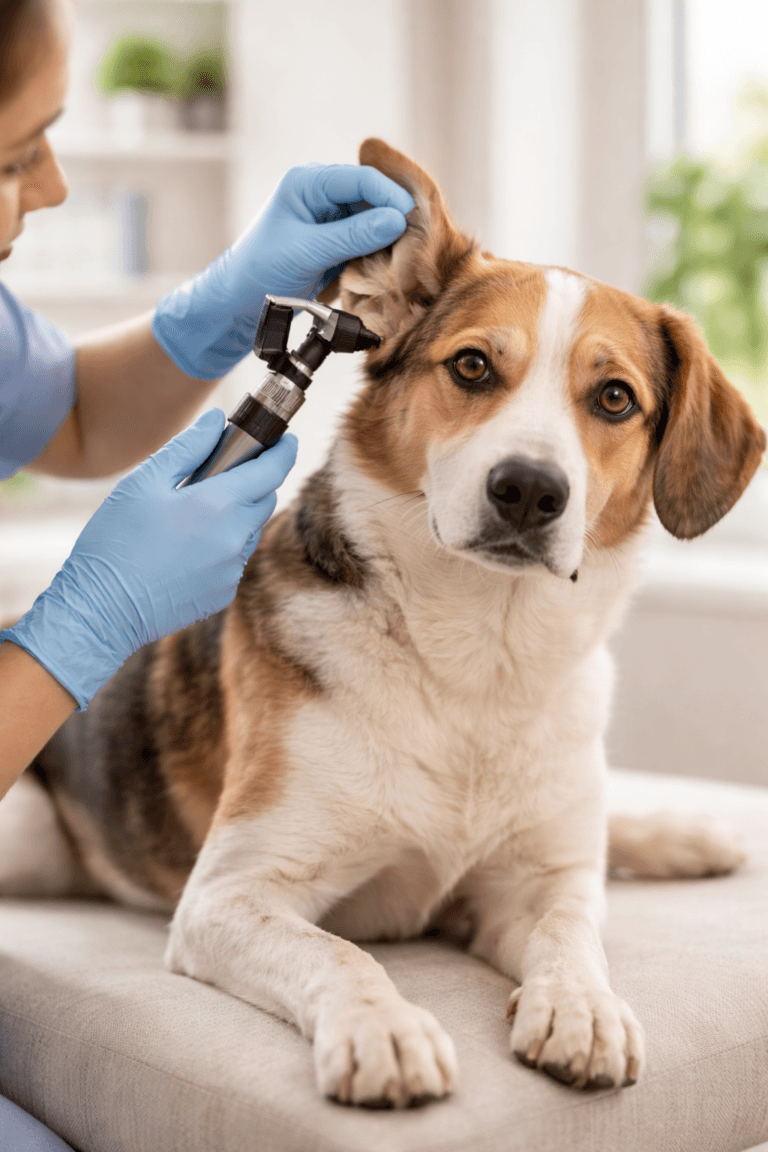
3. Ear infections
Floppy-eared breeds and curly-coated dogs are prone to ear infections. Warm, moist ear canals
can harbour yeast and bacteria. A Cavapoo dog that shakes their head, scratches at ears, or has
a bad smell from the ears should be examined by a vet. Do not put home remedies into your
Cavapoo dog’s ears without professional advice – you can accidentally damage the eardrum.
4. Dental disease
Small breeds and hybrids like Cavapoo dogs often have crowded teeth, which increases the risk
of tartar, gingivitis and tooth loss. Daily home brushing with dog-safe toothpaste plus regular
professional dental checks are very important for any adult Cavapoo dog.
5. Allergies and skin issues
Itchy skin, recurrent ear infections and licking of the paws are common allergy signs in
Cavapoo dogs. Food allergies, environmental allergies (pollen, dust mites) and flea allergy
dermatitis are all possibilities. If your Cavapoo dog is constantly itching, read your clinic’s
dog skin and allergy advice and schedule an exam to rule out parasites and infections.
Vaccination, Deworming and Parasite Control for Cavapoo Dogs
A Cavapoo dog needs the same essential vaccines and parasite prevention as other dogs. For a
structured plan, follow a vet-developed
dog vaccination schedule
and dog deworming guide.
Core vaccines for a Cavapoo puppy usually include parvovirus, distemper, hepatitis and
rabies (depending on country). Non-core vaccines such as kennel cough or leptospirosis may be
recommended based on lifestyle and region.
Internal parasites (roundworms, hookworms, tapeworms) and external parasites (fleas, ticks,
mites) can all affect Cavapoo dogs. Regular broad-spectrum preventives, as explained in
deworming and parasite control
, help protect both your dog and your family.
Feeding and Nutrition for Cavapoo Puppies and Adults
Proper nutrition is key to a long, healthy life for any Cavapoo dog. Growing Cavapoo puppies
have different needs compared to adult Cavapoo dogs. Overfeeding can lead to obesity, while
poor-quality diets may not support joint and heart health.
Feeding a Cavapoo puppy
Cavapoo puppies generally do well on a complete, balanced puppy food formulated for small
breeds. Feed 3–4 small meals per day until around 6 months of age, then gradually reduce to 2
meals daily. For more detailed puppy portion and schedule guidance, you can refer to your
complete puppy feeding guide
.
Don’t switch to adult food too early. Most Cavapoo puppies should stay on puppy food until
around 10–12 months, but your vet can tailor this based on growth and body condition.
Feeding an adult Cavapoo dog
Adult Cavapoo dogs usually require 2 meals per day. The exact amount depends on weight,
activity level, age and whether the dog is neutered. Use the feeding guidelines on your chosen
food as a starting point, then adjust based on your Cavapoo dog’s body condition score.
Too many treats, table scraps and high-fat snacks can easily make a small Cavapoo dog overweight.
Obesity increases the risk of joint pain, diabetes and heart disease. Use healthy training treats
and count all calories, not just “main meals.”
Homemade diets and Cavapoo dogs
Many families want to cook for their Cavapoo dog. Homemade diets can be wonderful when they are
properly balanced. However, random internet recipes often lack calcium, iodine or other
essential nutrients. For safe home cooking, follow
vet-approved homemade dog food guidance
or ask your vet for a referral to a veterinary nutritionist.
Choosing a Cavapoo Breeder or Adopting a Cavapoo
If you have decided a Cavapoo dog is right for your household, the next step is choosing where
to get your Cavapoo puppy or adult Cavapoo. There are two main paths: responsible breeders and
adoption/rescue.
Responsible Cavapoo breeders
A good Cavapoo breeder will:
- Health test the Cavalier and Poodle parents for common hereditary problems.
- Allow you to meet the mother dog and see where the Cavapoo puppies are raised.
- Provide veterinary records, deworming schedules and vaccine history.
- Ask questions about your lifestyle to ensure a Cavapoo dog is suitable.
- Offer lifelong support and take the dog back if serious problems arise.
Avoid breeders who will ship a Cavapoo puppy without any questions, refuse home visits, or keep
multiple litters in poor conditions. Cheap Cavapoo puppies from online ads often come from
puppy farms with serious welfare issues.
Adopting a Cavapoo
Many Cavapoo dogs and Cavapoo mixes end up in shelters and rescues. Adopting an adult Cavapoo
can be a wonderful choice if you are open to some uncertainty about genetics and early history.
Ask the rescue about each Cavapoo dog’s behaviour, health status, and whether they are suitable
for homes with children or other pets. Be prepared for a settling-in period as the Cavapoo
adjusts to new routines and people.
When a Cavapoo Dog Might Not Be Right for You
Although Cavapoo dogs are extremely popular, they are not the perfect match for every family.
You may want to choose a different breed or mix if:
- You are out of the house for very long hours every day and cannot arrange dog care.
- You strongly prefer a large, independent dog that spends lots of time outdoors.
- You cannot afford regular grooming, vaccinations, parasite preventives and vet visits.
- You dislike clipping or brushing and want a “low-maintenance” coat.
- Noise-sensitive neighbours will not tolerate occasional barking.
A Cavapoo dog is best suited to families who enjoy spending time with their pets, are prepared
for training and grooming, and have a gentle, calm household environment.
When to See a Vet About Your Cavapoo
Contact your vet or arrange an
online vet consultation
if your Cavapoo dog shows any of the following:
- Persistent coughing, breathing fast at rest, or collapse
- Repeated vomiting, diarrhoea or not eating for more than 24 hours
- Sudden lameness, difficulty jumping or yelping when touched
- Constant itching, sore skin, hair loss or ear discharge
- Behavior changes such as aggression, hiding, or extreme anxiety
Early veterinary care often means easier treatment, lower cost and a better long-term outcome
for your Cavapoo dog.
Frequently Asked Questions About Cavapoo Dogs
Are Cavapoo dogs good family pets?
Yes, many Cavapoo dogs make excellent family pets. They are usually friendly, affectionate and
gentle with children when properly supervised and trained. However, no dog is suitable for
unsupervised play with young kids, and Cavapoo puppies can develop separation anxiety if left
alone too long.
Are Cavapoo dogs hypoallergenic?
Cavapoo dogs may shed less than some breeds, especially if they inherit more Poodle-like
curls, but they are not guaranteed hypoallergenic. People with strong dog allergies may still
react to a Cavapoo dog’s dander or saliva. Always spend time with a Cavapoo before committing
if allergies are a concern.
How often should a Cavapoo be groomed?
Most Cavapoo dogs need brushing at home several times a week and professional grooming every
6–8 weeks. Skipping grooming can lead to painful mats, skin infections and ear problems.
How long do Cavapoo dogs live?
With good care, many Cavapoo dogs live around 10–15 years. Regular vaccination, parasite
control, dental care, a healthy weight and early treatment of heart or joint disease all
support a longer, happier life.
A Cavapoo dog can be a wonderful companion when you understand their needs, plan for veterinary
care and commit to daily exercise, training and grooming. With realistic expectations and good
guidance, your Cavapoo can truly become part of the family.


Great overview! It’s interesting to see how the cross between the Cavalier King Charles Spaniel and Poodle impacts both the Cavapoo’s behavior and health. I’d love to know more about how to manage potential issues like separation anxiety, which seems common for this breed.