

Cat eyes are one of the most beautiful and fascinating features in the animal world. Those glowing pupils, shifting from narrow slits to wide circles, are more than just pretty – they are finely tuned tools for hunting, balance, and communication. When something is wrong with a cat’s eyes, it can affect their comfort, safety, and even their life.
This in-depth guide, written from a veterinary perspective, explains how healthy cat eyes should look, the most common cat eye problems, and which symptoms mean “watch at home” versus “see your vet now.” You’ll also learn simple home care tips and how regular check-ups at your local vet or a trusted clinic like GV Animal Hospital keep your cat’s vision safe for years.
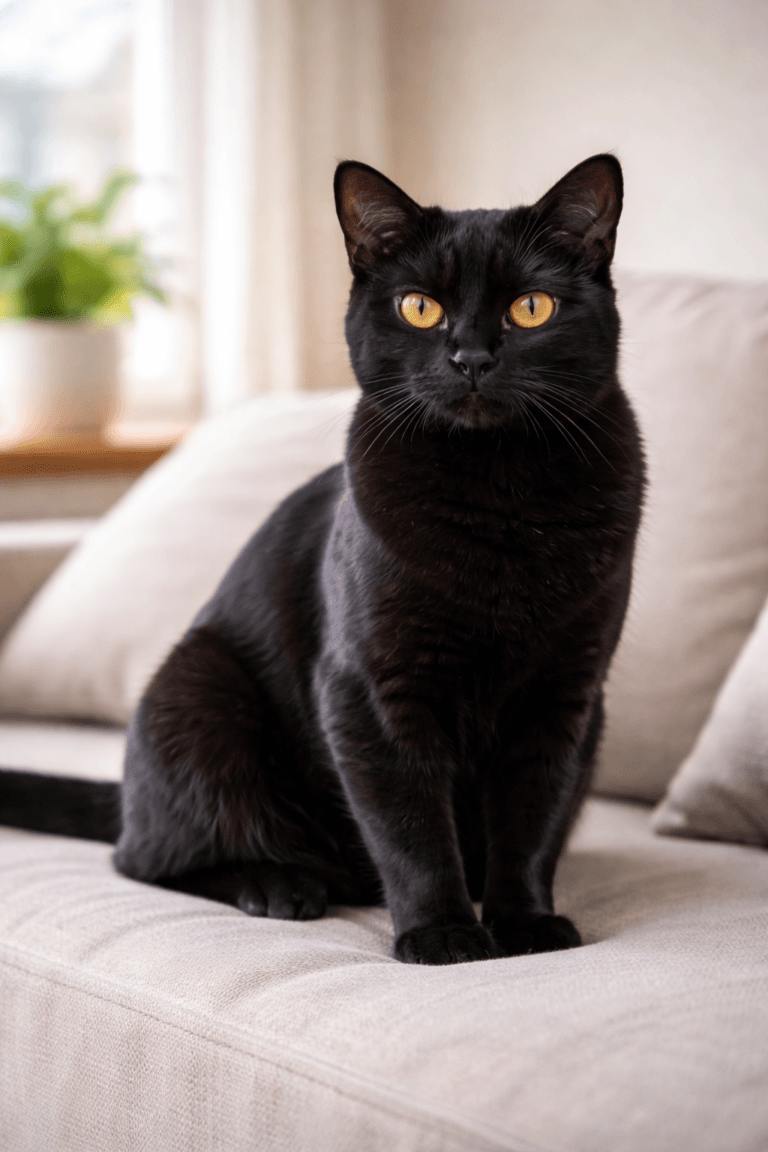
How Healthy Cat Eyes Should Look
Before you can recognise trouble, it helps to know what normal, healthy cat eyes look like. Take a moment to gently observe your cat’s face in good light.
- Clear, bright surface: The eyeball should look glossy, with no cloudiness, film, or obvious scratches.
- White of the eye (sclera): This should be clean white or slightly off-white – not red, yellow, or bloodshot.
- Symmetrical pupils: Both pupils should be the same size and react together to changes in light.
- Minimal discharge: A tiny bit of clear “sleep” in the corner of the eye can be normal. Thick, yellow, green, or bloody discharge is not.
- Comfortable eyelids: Your cat should keep the eyes open normally, without squinting, rubbing, or pawing.
Healthy cat eyes are also strongly connected to overall health. Sudden changes in the eyes can signal high blood pressure, viral disease, immune problems, or trauma – which is why vets take eye changes very seriously.
Why Cat Eyes Are So Special
Cats are crepuscular hunters – most active at dawn and dusk. Their eyes are built to perform in low light while still protecting delicate structures.
- Vertical pupils: These allow fine control over how much light enters the eye, from a tiny slit in bright sun to a full circle in the dark.
- Tapetum lucidum: A reflective layer behind the retina bounces light back through the eye, giving that classic “glow” at night and helping cats see with surprisingly little light.
- Wide field of view: Slightly forward-facing eyes give depth perception for pouncing, while still allowing good side vision for spotting movement.
Because the structures inside the eye are so delicate, even minor injuries or infections can progress quickly. Any ongoing change in your cat’s eyes deserves attention.
Common Cat Eye Symptoms and What They May Mean
Here are the most frequent cat eye problems owners notice at home. This guide is for education only – it does not replace a full veterinary eye exam – but it can help you decide when to seek help.
1. Watery Eyes or Clear Discharge
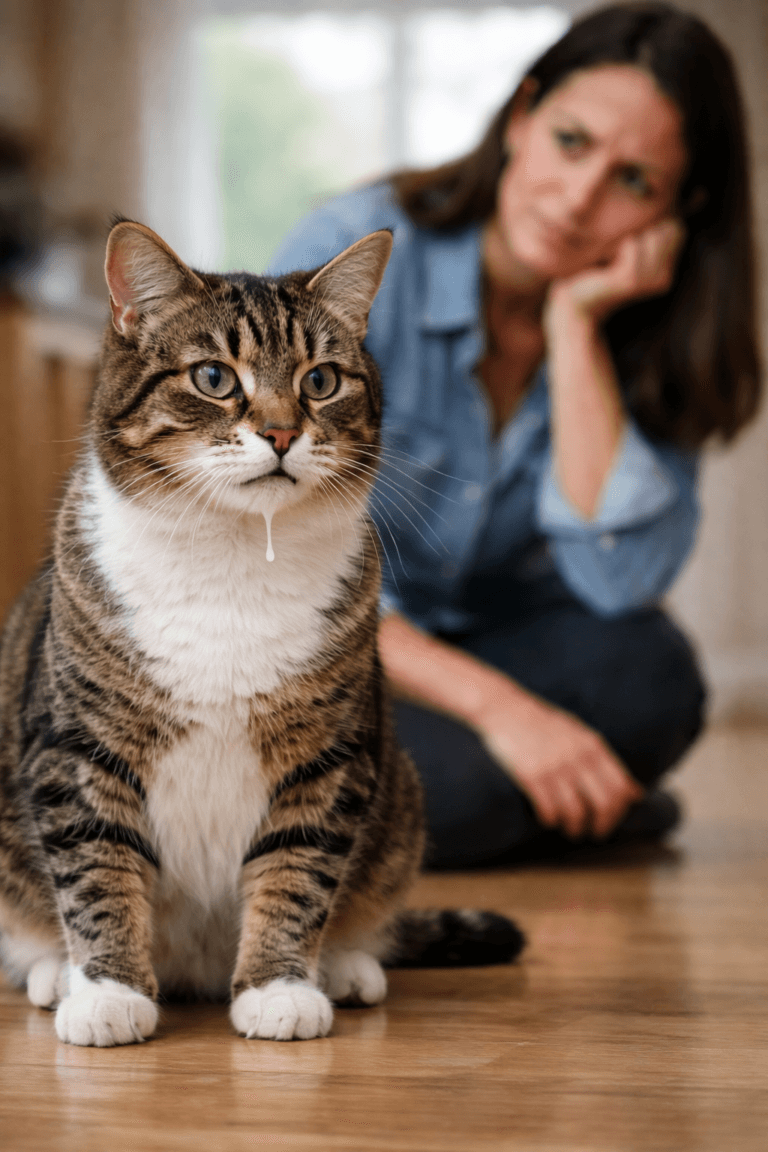
You might see damp fur under the eye, a wet track on the face, or mild crusting at the inner corner.
Possible causes:
- Mild irritation from dust, shampoo, or a foreign body (tiny hair or grass seed)
- Early cat flu / upper respiratory infection
- Allergies or environmental irritation (perfume, smoke, strong cleaners)
- Structural issues such as very flat faces or poor tear drainage
Home care tip: If your cat is otherwise bright, eating, and not squinting, you can gently wipe the area with cotton pads dampened in warm boiled water or sterile saline. Keep a close eye on things for 24 hours.
See a vet within 24–48 hours if: the watering gets worse, turns coloured, or your cat becomes snuffly or off food. Persistent watery cat eyes can mean infection or blocked tear ducts that need treatment.
2. Green, Yellow, or Thick Eye Discharge
Coloured discharge usually means pus – a sign of infection or inflammation.
Possible causes:
- Conjunctivitis (inflammation of the pink tissues around the eye)
- Viral infections like feline herpesvirus or calicivirus
- Bacterial infection secondary to a scratch or foreign body
This needs a vet visit. Thick or coloured discharge rarely settles on its own. Your vet can use special dyes and lights to look for scratches, then prescribe antibiotic or antiviral drops and pain relief to protect your cat’s vision.
3. Red Eyes in Cats
Redness can be subtle – sometimes only noticeable when your cat looks to the side. It may show up in the white of the eye or in swollen, pink inner eyelids.
Common causes of red cat eyes:
- Viral or bacterial conjunctivitis
- Allergic conjunctivitis (similar to hay fever in people)
- Uveitis – inflammation deeper inside the eye, often very painful
- Glaucoma – dangerously high pressure inside the eye
- High blood pressure causing bleeding inside the eye
Red, painful eyes are an emergency. If your cat is squinting, hiding, or the eye looks enlarged, cloudy, or bulging, contact your vet or an emergency clinic immediately. Rapid treatment can make the difference between saving or losing vision.
4. Cloudy Cat Eyes or a Bluish Film
A cloudy or milky appearance can involve the surface of the eye (cornea) or the lens inside the eye.
Possible causes:
- Corneal ulcers (scratches) from fights, foreign bodies, or dry eye
- Corneal oedema – fluid buildup due to high pressure or inflammation
- Cataracts – changes in the lens, more common in older cats or diabetics
- Scarring from previous injuries or long-term disease
Cloudiness is never something to watch for long. Even a small ulcer on the cornea can deepen within hours. Any new cloudiness in one or both cat eyes should be examined the same day whenever possible.
5. One Pupil Bigger Than the Other (Anisocoria)
In normal light, your cat’s pupils should be the same size. If one is persistently larger or smaller, this is called anisocoria.
Potential causes include:
- Eye trauma and bleeding
- Glaucoma (high pressure)
- Uveitis (inflammation inside the eye)
- Nerve damage from neck, chest, or brain problems
- High blood pressure
This is always a “see the vet” sign. Changes in pupil size can be linked to serious neurological or cardiovascular problems as well as local eye disease.
6. Squinting, Pawing at the Eye, or Keeping the Eye Closed
Painful cat eyes often look half-closed or fully shut. Your cat may hide, dislike bright light, or react when you try to look closely.
Common reasons include:
- Corneal ulcers or scratches
- Foreign bodies under the eyelid (grass seeds, grit, claws)
- Severe conjunctivitis
- Uveitis or glaucoma
If your cat won’t open an eye, treat this as urgent. Do not try to pry the lids apart. Keep your cat in a calm, darkened room and call your vet, or your local emergency service listed on our veterinary pet health blog.
Specific Cat Eye Conditions You Should Know About
Feline Conjunctivitis
Conjunctivitis is one of the most common cat eye problems. The tissues lining the eyelids and covering the whites of the eyes become inflamed, red, and swollen. Discharge may be clear, yellow, or green.
Typical signs:
- Red, swollen inner eyelids
- Squinting or blinking more than usual
- Watery or thick discharge
- Rubbing the face on furniture or pawing at the eye
What your vet may do: Use fluorescein dye to check for ulcers, examine the eye with magnification, and often prescribe a course of antibiotic or antiviral drops. In some cases, long-term herpesvirus management is needed, especially in rescue cats or multi-cat homes.
Cat Eye Infections and Cat Flu Viruses
Many “simple” cat eye infections are actually part of a larger upper respiratory infection caused by viruses such as feline herpesvirus (FHV-1). Kittens and stressed adult cats are especially vulnerable.
Signs can include:
- Red, runny eyes with discharge
- Snuffling, sneezing, or mouth ulcers
- Reduced appetite and lethargy
Eye infections linked with herpesvirus sometimes become recurrent, flaring up during times of stress. Your vet may suggest antiviral drops, lubricants, and supportive care. Keeping your cat’s core vaccines up to date and reducing stress at home helps protect their eyes and lungs together.
Cataracts and Lens Problems
Cataracts are less common in cats than in dogs, but they do occur – particularly in older cats, diabetics, or after severe eye inflammation. A cataract looks like a white or bluish opacity in the center of the pupil.
Cataracts interfere with light reaching the retina and can eventually cause blindness. Treatment options depend on the underlying cause. In some cases, surgery by a veterinary ophthalmologist can restore sight, though this is specialised work.
Glaucoma – a True Eye Emergency
Glaucoma occurs when fluid builds up inside the eye and the pressure becomes dangerously high. It is extremely painful and can permanently damage the optic nerve within hours.
Red-flag signs of feline glaucoma:
- Sudden bulging or enlargement of one eye
- Cloudy, bluish cornea
- Severe redness and squinting
- Very large, unresponsive pupil
- Crying, hiding, or refusing to be handled
If you suspect glaucoma, do not wait. This is a “go to a vet now” situation. Emergency medication to lower the pressure can save vision or at least relieve intense pain.
Weird Cat Eyes: Different Colours and Heterochromia
Not all unusual-looking cat eyes are bad. Some cats are born with two different eye colours (heterochromia), often one blue and one green or yellow. This can be completely normal, especially in certain breeds such as Turkish Van, Turkish Angora, or some white domestic shorthairs.
However, if your cat’s eye colour changes over time – especially if one eye becomes dark brown, very cloudy, or blood-tinged – it is important to have it examined. Gradual colour shifts can be associated with chronic inflammation, iris melanoma, or other serious diseases.
When Cat Eye Problems Are an Emergency
Because cats naturally hide pain, many owners underestimate how serious eye changes can be. Use the guide below:
Call / Visit a Vet Immediately (Same Day Emergency)
- Eye suddenly looks bulging, enlarged, or misshapen
- Eye appears cloudy, blue, or white over the surface
- Obvious scratch, tear, or wound near the eye
- Thick yellow or green discharge with squinting
- Pupil size is very different between the two eyes
- Any sign of blood inside the eye or on the surface
- Eye has been exposed to chemicals, sprays, or trauma
If these happen outside normal hours, contact your closest emergency clinic or the emergency contact listed on your regular clinic’s website. Rapid treatment can prevent blindness and intense suffering.
See a Vet Soon (Within 24–48 Hours)
- Mild redness or swelling without obvious pain
- Recurrent watery eyes or mild discharge
- Cloudiness that seems to come and go
- Subtle colour changes of the iris
- Long-term “gunky” eyes in flat-faced cats
These issues may not be emergencies, but they still deserve professional care. Chronic inflammation can scar delicate eye structures over time.
Monitor at Home and Record Changes
Sometimes you might simply notice that your cat’s eyes look slightly tired after a busy day, or there is a tiny amount of clear discharge with no other signs. In these mild cases:
- Gently clean the corners with damp cotton pads
- Avoid harsh cleaning sprays, smoke, or strong perfumes in the room
- Take a clear photo of the eyes in good light to compare over the next few days
- Book a routine vet check if anything keeps returning or you feel uneasy
Trust your instincts – you know your cat best. If something about their eyes feels “off,” it’s always fine to ring your veterinary clinic and ask for advice.
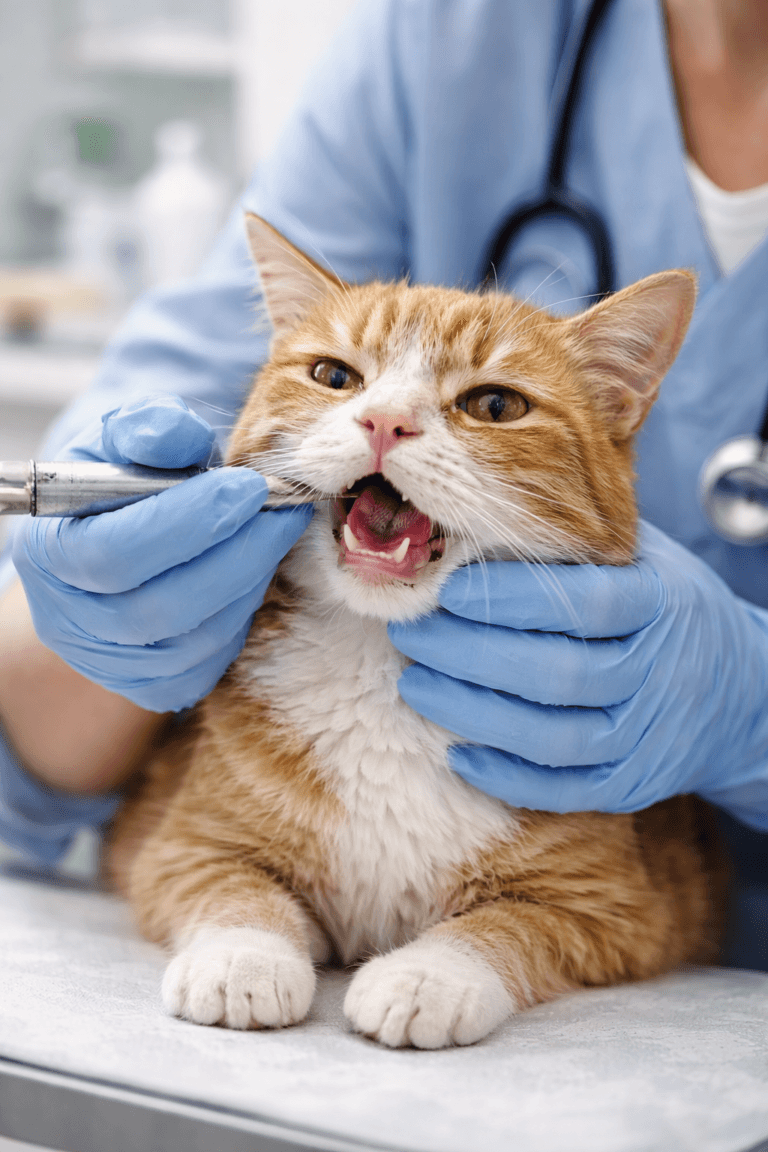
How Vets Examine Cat Eyes
Many owners worry that an eye exam will be invasive or traumatic. In reality, most cats tolerate it quite well, especially with gentle handling and minimal restraint.
Your vet may:
- Shine a light into the eye to check the cornea, lens, and pupil responses
- Use fluorescein dye to highlight scratches or ulcers
- Measure eye pressure (tonometry) for glaucoma checks
- Stain tears to assess drainage into the nose
- Look at the back of the eye (retina and optic nerve) with an ophthalmoscope
- Check overall health, blood pressure, and, if needed, blood tests
Most tests are quick and painless. If your cat is very anxious or painful, gentle sedation may be used to protect them and the eye.
Simple Ways to Protect Your Cat’s Eyes at Home
- Keep vaccinations current: Core vaccines help reduce viral infections that often target cat eyes.
- Manage multi-cat stress: Provide hiding spots, separate food bowls, and clean litter trays to minimise viral flare-ups.
- Check eyes casually every week: You don’t need to pry lids open – just observe in good light for redness, discharge, or cloudiness.
- Keep chemicals away: When cleaning, move cats out of the room until surfaces are dry and fumes have cleared.
- Trim claws regularly: Fewer sharp claws mean fewer accidental scratches during play-fights.
- Arrange regular vet health checks: Senior cats especially benefit from yearly, or twice-yearly, check-ups to catch blood pressure and systemic diseases early.
If you ever feel unsure whether a problem is serious, treat eyes with respect – vision is precious. A short visit to your vet or a trusted clinic such as GV Animal Hospital is always better than waiting too long.
Frequently Asked Questions About Cat Eyes
Why do my cat’s eyes look different sizes in photos?
Camera flash and angles can make pupils look uneven in pictures. If the pupils look the same size in normal room light and your cat is behaving normally, it may just be a trick of the photo. If you ever notice persistent asymmetry in real life, book a vet exam.
Is brown staining under my cat’s eyes normal?
Some cats, especially flat-faced breeds, develop dark tear staining under the eyes. Mild staining with clear eyes and no irritation can be a cosmetic issue only. However, smell, redness, or sore skin under the stain suggests infection or poor tear drainage and should be checked.
Can I use human eye drops for my cat?
No. Human eye drops, even “natural” or over-the-counter ones, can be unsafe for cats. Some products contain steroids that make ulcers much worse. Always ask your vet before putting anything into cat eyes.
My cat’s eyes glow brightly at night – is that normal?
Yes. The reflective layer inside the eye (tapetum lucidum) is what makes cat eyes glow in the dark. It helps them see in low light. However, if one eye glows differently to the other, or suddenly seems dull or cloudy, it’s worth a check-up.
When should kittens have their first eye exam?
Kittens should see a vet soon after adoption for a full health check, including eyes. Any kitten with closed, crusted, or sticky eyes needs same-day care. Early treatment of infections can prevent lifelong eye damage.
Key Takeaways
- Healthy cat eyes are clear, bright, and comfortable – any new redness, discharge, cloudiness, or asymmetry is a warning sign.
- Sudden changes, pain, or vision loss are emergencies and should be seen by a vet immediately.
- Many mild issues can be successfully treated if caught early, protecting your cat’s long-term vision.
- Regular wellness exams and prompt care for eye problems are the best way to keep those beautiful feline eyes shining for years.
Disclaimer: This article is for general pet-owner education only. It does not replace a physical examination by a veterinarian. If you are worried about your cat’s eyes, please contact your local vet or an emergency clinic without delay.




Great insights! I love how this guide emphasizes the importance of being proactive about our cats’ health. Recognizing early signs like changes in pupil size can really help prevent bigger issues later on.