
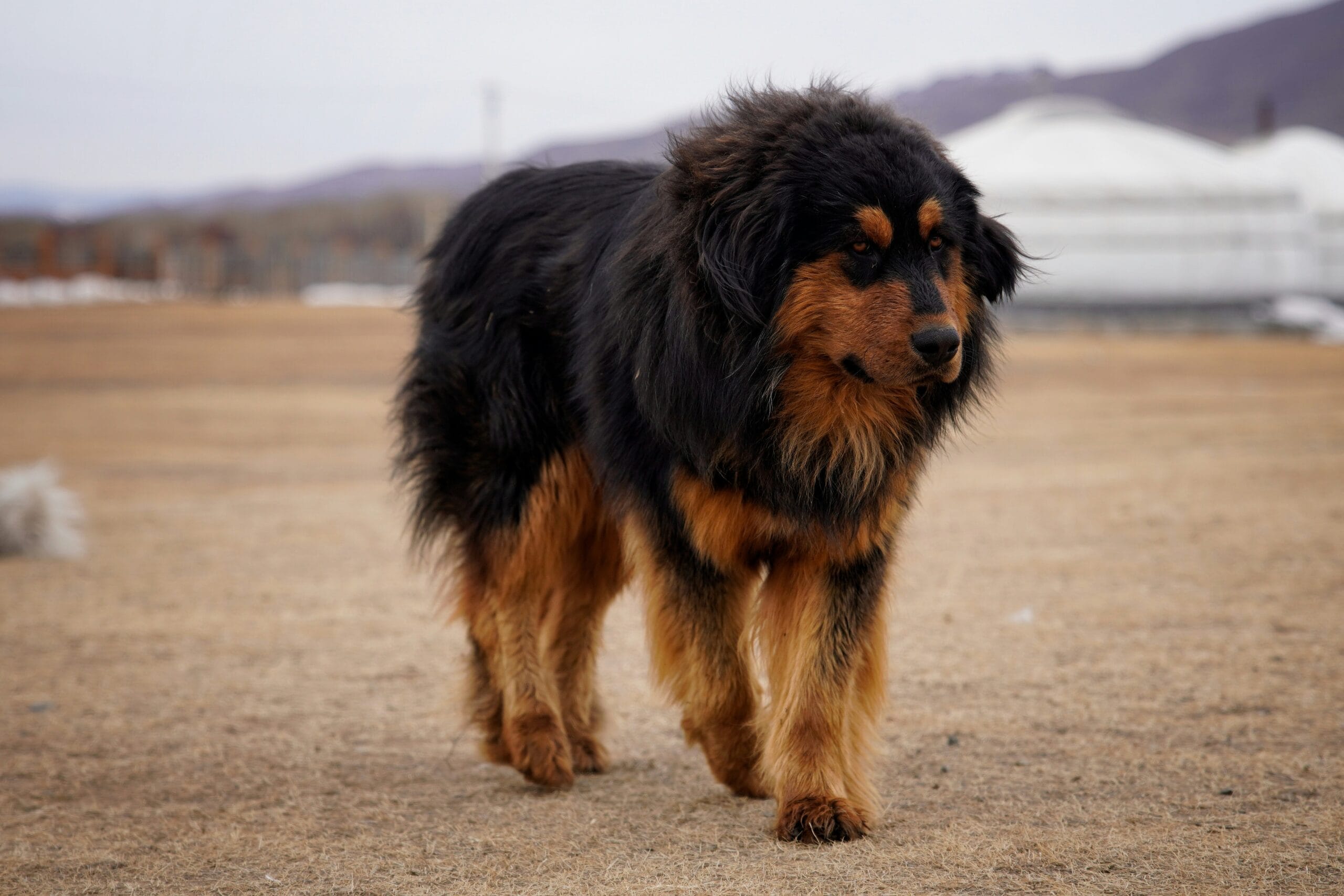
Elbow Dysplasia in Dogs: Causes, Diagnosis & Treatment
Front-leg lameness in a young, large-breed dog is often assumed to be a simple sprain, but it’s also the classic first sign of elbow dysplasia in dogs, a genuinely common developmental condition that’s frequently missed until it’s more advanced. This guide explains the three distinct abnormalities that fall under this one name, how the condition is actually diagnosed, and what treatment realistically looks like.
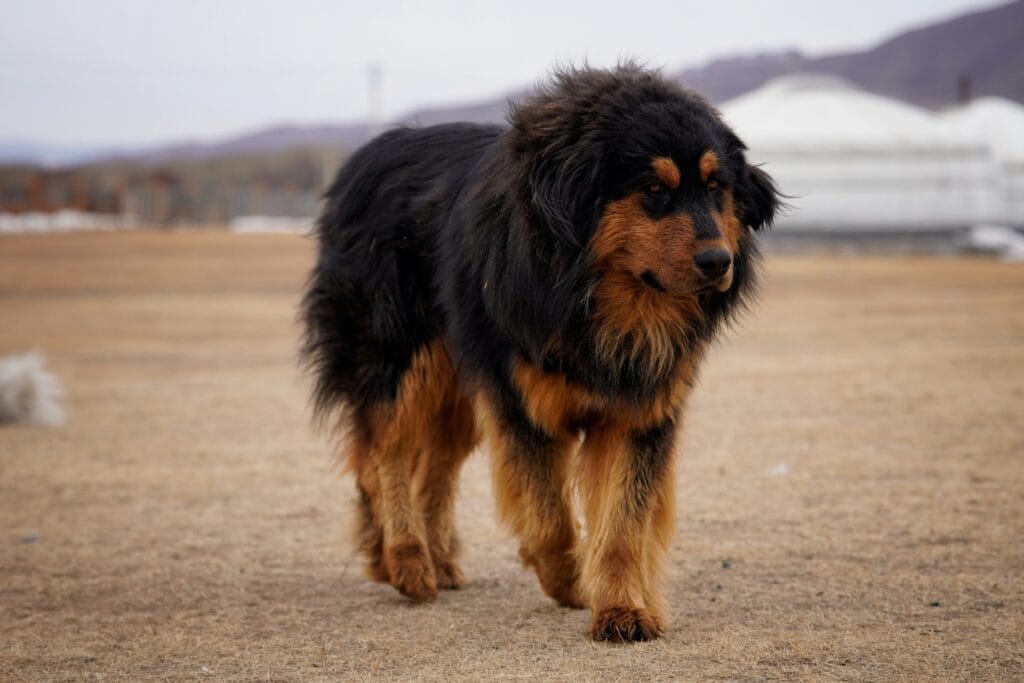
Elbow dysplasia in dogs: The Three Abnormalities That Make Up Elbow Dysplasia
“Elbow dysplasia” is actually an umbrella term covering several distinct developmental abnormalities, and understanding the difference matters for both diagnosis and treatment planning. Fragmented coronoid process involves a small piece of bone within the elbow joint separating from the main bone during growth, the most commonly diagnosed of the three. Ununited anconeal process occurs when a specific bony process at the back of the elbow fails to fuse properly to the main ulna bone during development, most classically seen in German Shepherds. Osteochondritis dissecans (OCD) of the elbow involves abnormal cartilage development that can crack or separate from the underlying bone. A dog can have one or more of these abnormalities simultaneously, and each can occur in one or both elbows, which is part of why thorough imaging of both joints is standard practice even when only one leg shows obvious lameness.
Which Dogs Are Most at Risk
Large and giant breeds carry substantially higher risk, with Labrador Retrievers, Golden Retrievers, German Shepherds, Rottweilers and Bernese Mountain Dogs among the most commonly affected. Genetics play a major role, similar to hip dysplasia, which is why responsible breeders screen breeding dogs’ elbows through a standardized scoring system before breeding. Rapid growth during puppyhood, often linked to overfeeding or an inappropriately calorie-dense diet, can worsen developmental stress on the elbow joint during the vulnerable growth period, making appropriate large-breed puppy nutrition a genuinely relevant preventive factor alongside genetics.
| Feature | Elbow dysplasia | Hip dysplasia |
|---|---|---|
| Affected limb | Front legs | Rear legs |
| Typical onset | 4-18 months | Can appear young or develop gradually with age |
| Common diagnostic tool | Often requires CT scan for full detail | Standard X-ray usually sufficient |
| Surgical approach | Often arthroscopic (minimally invasive) | Ranges from minor procedures to total hip replacement |
Recognizing the Signs
Front-leg lameness. Often intermittent at first, worse after exercise or first thing in the morning, sometimes affecting one leg more visibly even when both elbows are involved.
Reluctance to fully extend the elbow. Some dogs hold the affected leg slightly bent or turned outward while standing or walking.
Stiffness after rest. A pattern very similar to arthritis, improving somewhat once the dog warms up and moves around.
Reduced exercise tolerance. A previously energetic young dog becoming less enthusiastic about long walks or play.
Diagnosis: Why a Standard X-Ray Isn’t Always Enough
While an X-ray is usually the first imaging step and can reveal secondary arthritis changes, the specific abnormalities that make up elbow dysplasia, particularly fragmented coronoid process, can be genuinely difficult to see clearly on standard radiographs due to the complex, overlapping bone structure of the elbow joint. This is why a CT scan is increasingly considered the gold standard for a definitive diagnosis, providing detailed three-dimensional imaging that reveals subtle fragment locations and cartilage changes an X-ray may miss entirely. In some cases, arthroscopy, a minimally invasive procedure using a small camera inserted into the joint, serves as both a diagnostic and treatment step in the same procedure, allowing direct visualization and, often, immediate surgical correction of what’s found.
Treatment Options
Recovery After Surgery
Recovery timelines vary by procedure type, but arthroscopic surgery generally allows a faster return to normal activity than open surgery would, often with activity restriction for several weeks followed by a gradual, veterinarian-guided return to normal exercise. Physical therapy, including controlled range-of-motion exercises and, where available, hydrotherapy, often supports a smoother recovery and better long-term joint function than rest alone. Owners should expect some degree of ongoing management even after successful surgery, since the joint’s underlying structure has been altered by the developmental abnormality, meaning long-term weight control and activity modification remain relevant well beyond the initial recovery period.
Living With a Dog That Has Elbow Dysplasia
Many dogs with elbow dysplasia, whether managed surgically or medically, go on to live full, active lives with appropriate ongoing care. The condition requires more attentiveness than a joint with no developmental issue, but it rarely means a dramatically limited life. Owners who stay consistent with weight management, appropriate exercise type, and any prescribed joint support typically see their dogs remain comfortable and active well into their senior years, with periodic check-ins helping catch any progression early rather than after it becomes a significant problem.
A Note on Cost and Planning Ahead
CT imaging and arthroscopic surgery represent a genuine investment, often more than a standard X-ray and open surgery would cost, though the more precise diagnosis and typically faster recovery can offset this over time. If you own a predisposed breed, discussing the possibility of elbow dysplasia proactively with your veterinarian, rather than only after lameness appears, helps you plan financially and practically rather than facing an unexpected diagnosis and decision under pressure.
Puppy Nutrition and Growth-Phase Prevention
Since rapid, uncontrolled growth places genuine developmental stress on a puppy’s joints, appropriate nutrition during the growth phase is one of the few environmental factors owners can actually control, alongside genetics that cannot be changed after birth. Large-breed puppy formulas are specifically calibrated with controlled calcium and calorie levels to support steady, rather than explosive, growth, reducing mechanical stress on developing joints including the elbow. Avoiding free-feeding or overfeeding, and resisting the temptation to encourage rapid weight gain in a growing large-breed puppy, are simple, genuinely protective habits. Our puppy feeding guide covers appropriate growth-phase nutrition in more detail for owners of large and giant breed puppies specifically.
When a Second Opinion or Specialist Referral Helps
Because elbow dysplasia diagnosis and treatment often benefit from specialized imaging and surgical technique, referral to a veterinary orthopedic surgeon or specialist center is common practice rather than something to be concerned about; it reflects the condition’s genuine complexity rather than any shortfall in your regular veterinarian’s care. Specialists have more consistent access to CT imaging and arthroscopic equipment, along with focused experience performing these specific procedures regularly, which can meaningfully affect surgical outcomes for a technically demanding joint like the elbow. If your veterinarian suggests a referral, it’s worth viewing as a genuinely useful next step in getting your dog the most precise diagnosis and the most experienced surgical hands available, rather than a sign the situation is unusually dire.
A Closing Thought
Elbow dysplasia is a genuinely well-understood condition in veterinary medicine today, with clear diagnostic pathways and treatment options that consistently help dogs return to comfortable, active lives. Catching it early, before secondary arthritis becomes significant, remains the single biggest factor in a smooth long-term outcome for any young, large-breed dog showing front-leg lameness.
Frequently Asked Questions
Can elbow dysplasia be cured completely?
Not entirely; the underlying developmental abnormality and any secondary arthritis are managed rather than fully reversed, though surgery and ongoing management typically provide significant, lasting improvement in comfort and function.
Do both elbows need to be checked even if only one leg is lame?
Yes, elbow dysplasia frequently affects both elbows even when only one side shows obvious symptoms, so both are typically imaged during a full workup.
Is elbow dysplasia the same as hip dysplasia?
No, though both are developmental joint conditions sharing similar genetic and growth-related risk factors. Elbow dysplasia affects the front legs and often needs more advanced imaging like CT to diagnose fully.
Can small dogs get elbow dysplasia?
It’s uncommon but possible; the condition is overwhelmingly more frequent in large and giant breeds due to genetic predisposition and growth-related joint stress.
By Dr. Zahid Afzal, DVM — General Veterinary Hospital, Lahore. This article is for general education and does not replace a full physical examination, imaging or personalized treatment plan from your own veterinarian.



One Comment