Entropion in Dogs: Causes, Surgery & Recovery
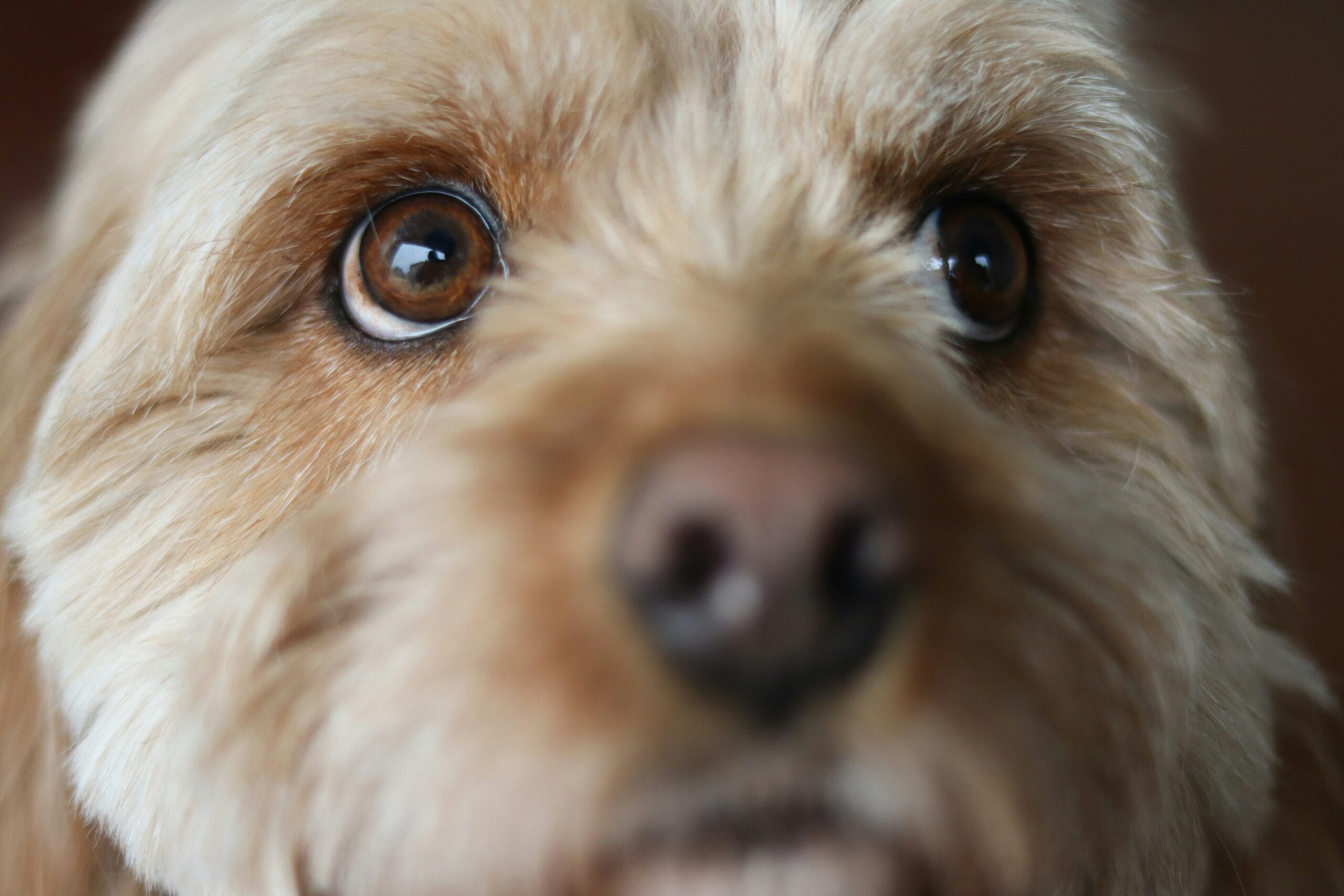
Entropion in dogs, where the eyelid rolls inward, is easy to miss in its early stages, sometimes looking like nothing more than a squint or mild eye irritation. Left uncorrected, though, it causes constant corneal irritation that can lead to genuine, permanent eye damage. This guide explains why it happens, which breeds are most affected, why surgery is usually the only real fix, and what recovery actually involves.
Entropion in dogs: What Is Actually Happening With the Eyelid
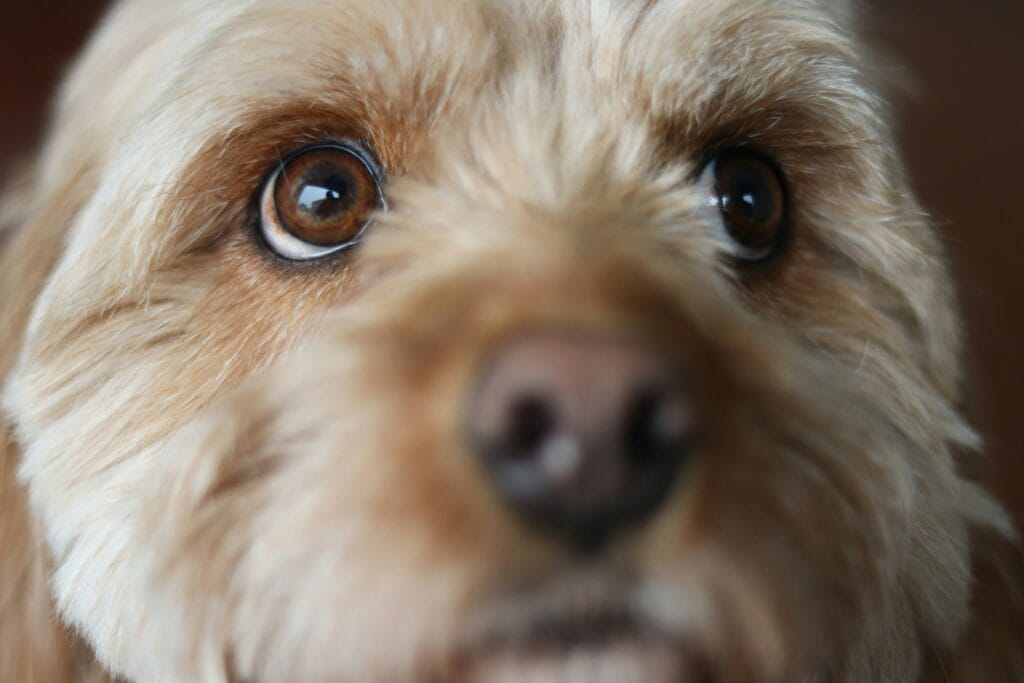
A normal eyelid margin sits flush against the eye, with fur and eyelash growth directed outward and away from the sensitive corneal surface. In entropion in dogs, the lid margin physically rolls inward, so instead of protecting the eye, the eyelid and its hair now continuously brush against the cornea with every blink and every movement of the head. This is genuinely uncomfortable, and dogs experiencing it often squint, hold the eye partially closed, or produce excessive tears as the body attempts to flush out the ongoing irritation. Because the friction is constant rather than occasional, even a mild case left unaddressed for months can eventually produce real corneal damage, not just chronic discomfort.
Primary vs. Secondary Entropion
Primary (inherited) entropion in dogs is the most common form, appearing in young dogs, often visible by a few months of age, and strongly linked to specific breed conformation. Breeds with loose facial skin, a flatter face, or a particular eyelid shape, including Shar Peis, English Bulldogs, Chow Chows, Cocker Spaniels and Rottweilers, show notably higher rates, reflecting a genuine inherited structural predisposition.
Secondary entropion develops later in life, often as a consequence of chronic eye pain, scarring, or spasm from an unrelated eye condition causing the surrounding muscles to pull the lid inward over time. This form can technically occur in any breed and at any age, and treating the underlying original cause, alongside correcting the entropion itself, is usually necessary for lasting resolution.
| Feature | Primary entropion | Secondary entropion |
|---|---|---|
| Typical onset | Puppyhood or young adulthood | Any age, following another eye issue |
| Cause | Inherited breed conformation | Chronic pain, spasm or scarring from another condition |
| Breed link | Strong (Shar Pei, Bulldogs, Chow Chow, etc.) | Can occur in any breed |
| Treatment focus | Surgical correction of lid structure | Correct entropion and underlying original cause |
Signs to Watch For
Squinting or holding the eye partly closed. Often the earliest and most noticeable sign, sometimes mistaken for simple tiredness or a minor irritant.
Excessive tearing. The body’s response to ongoing corneal irritation, sometimes causing visible staining on the fur below the eye.
Visible redness of the eye. Chronic friction inflames the surface of the eye itself, not just the eyelid.
Rubbing or pawing at the face. A dog trying to relieve genuine discomfort, which can worsen irritation or introduce further trauma to an already sensitive eye.
Visibly rolled-in eyelid margin. On close inspection, the lid edge and its lash line may be visibly turned inward rather than sitting flush against the eye.
Diagnosis and Why Puppies Are Sometimes Managed Differently
Diagnosis is usually straightforward through a physical eye exam, sometimes using a special stain to check for any existing corneal damage from ongoing friction. For young, still-growing puppies with mild entropion, some veterinarians recommend a temporary approach first: placing a few small tacking sutures to roll the lid outward and observe whether the issue resolves as the puppy’s face continues developing and loose skin fills out, since mild cases can sometimes genuinely improve with growth. This is different from adult dogs or more severe cases, where permanent surgical correction is typically recommended directly, since the facial structure driving the rolled lid isn’t expected to change further with time.
Surgical Correction
The standard permanent treatment involves a procedure to remove a small, carefully measured section of skin below the affected eyelid, which, once sutured closed, rotates the lid margin back into its correct outward-facing position. This is typically performed under general anesthesia and is considered a routine, well-established procedure for most veterinary surgeons, with generally good and often permanent results. In dogs with entropion affecting both eyes, which is common given the underlying breed-related cause is usually present on both sides, both eyes are often corrected in the same surgical session.
Recovery After Surgery
Entropion in Flat-Faced Breeds Specifically
Flat-faced (brachycephalic) breeds deserve special mention, since their facial structure creates a particular pattern of entropion risk distinct from other predisposed breeds. In breeds like Pugs, French Bulldogs and English Bulldogs, entropion often occurs alongside other facial conformation issues, excess facial skin folds, a shortened muzzle, and sometimes shallow eye sockets that leave the eyes more prominent and vulnerable to irritation generally. This combination means a flat-faced dog with entropion may face compounded risk factors for corneal damage beyond the entropion alone, making prompt correction particularly important in this group. Veterinarians familiar with brachycephalic eye conditions often assess the whole facial and eye conformation together rather than treating entropion as an isolated issue, since related structural factors can influence both the surgical approach and the likelihood of needing additional eye care over the dog’s lifetime.
Cost and What Influences It
Entropion surgery costs vary based on how many eyelids need correction (one eye, both eyes, or specific sections of one or both lids), whether it’s a straightforward single-stage repair or a more involved case, and regional variation in surgical fees. Compared to many other veterinary surgeries, entropion correction is generally on the more affordable end for a surgical procedure, particularly when caught and corrected early before secondary corneal damage requires additional treatment. Delaying surgery to avoid the upfront cost often backfires financially as well as medically, since a dog that develops a corneal ulcer from prolonged untreated entropion may then need additional, more expensive treatment for the ulcer itself on top of the original entropion correction.
Caring for the Eye Before Surgery
While waiting for a scheduled surgery date, or during the observation period sometimes used for mild puppy cases, simple supportive care can reduce discomfort without addressing the underlying structural problem. Veterinarian-recommended lubricating eye drops help reduce friction and protect the corneal surface from further irritation in the interim. Keeping the surrounding fur trimmed short, if your dog’s coat type contributes to additional irritation, and gently cleaning any discharge with a clean, damp cloth support comfort day to day. None of this replaces surgical correction for a true structural entropion, but it can meaningfully ease discomfort during the period before the definitive fix takes place.
A Closing Thought
Entropion is one of the more straightforward eye conditions to fix definitively, and outcomes are generally excellent once corrected. The main risk isn’t the surgery itself, it’s delay, since every additional month of untreated friction adds to the cumulative wear on a dog’s cornea. If you own a predisposed breed, an eye check at every routine visit is a simple habit that catches this early, well before it becomes uncomfortable enough to be obvious.
Frequently Asked Questions
Can entropion resolve without surgery?
Mild cases in young, still-growing puppies occasionally improve as the face develops, sometimes with temporary tacking sutures in the meantime, but most cases, especially in adult dogs, require permanent surgical correction.
Is entropion surgery risky?
It’s considered a routine, well-established procedure with generally good outcomes, though as with any surgery there are inherent risks, which your veterinarian can discuss specific to your dog’s case.
Can entropion cause permanent vision loss?
Untreated, chronic friction can cause corneal ulcers and scarring that may affect vision, which is why prompt treatment is recommended rather than managing symptoms indefinitely with lubricating drops alone.
Do certain breeds need to be screened for entropion?
Predisposed breeds often benefit from an eye check during routine puppy visits, since catching mild entropion early allows for the least invasive management approach available.
By Dr. Zahid Afzal, DVM — General Veterinary Hospital, Lahore. This article is for general education and does not replace a full physical examination or personalized treatment plan from your own veterinarian.