Wobbler Syndrome in Dogs: Causes, Diagnosis & Treatment
A large-breed dog with a distinctive swaying, unsteady walk, worse in the hind end than the front, may have Wobbler syndrome in dogs, a compression of the spinal cord in the neck that produces one of the more recognizable gait abnormalities in veterinary neurology. This guide explains the two quite different forms this condition takes depending on breed and age, how it’s diagnosed, and what treatment options actually involve.
Wobbler syndrome in dogs: two Different Forms of Wobbler Syndrome
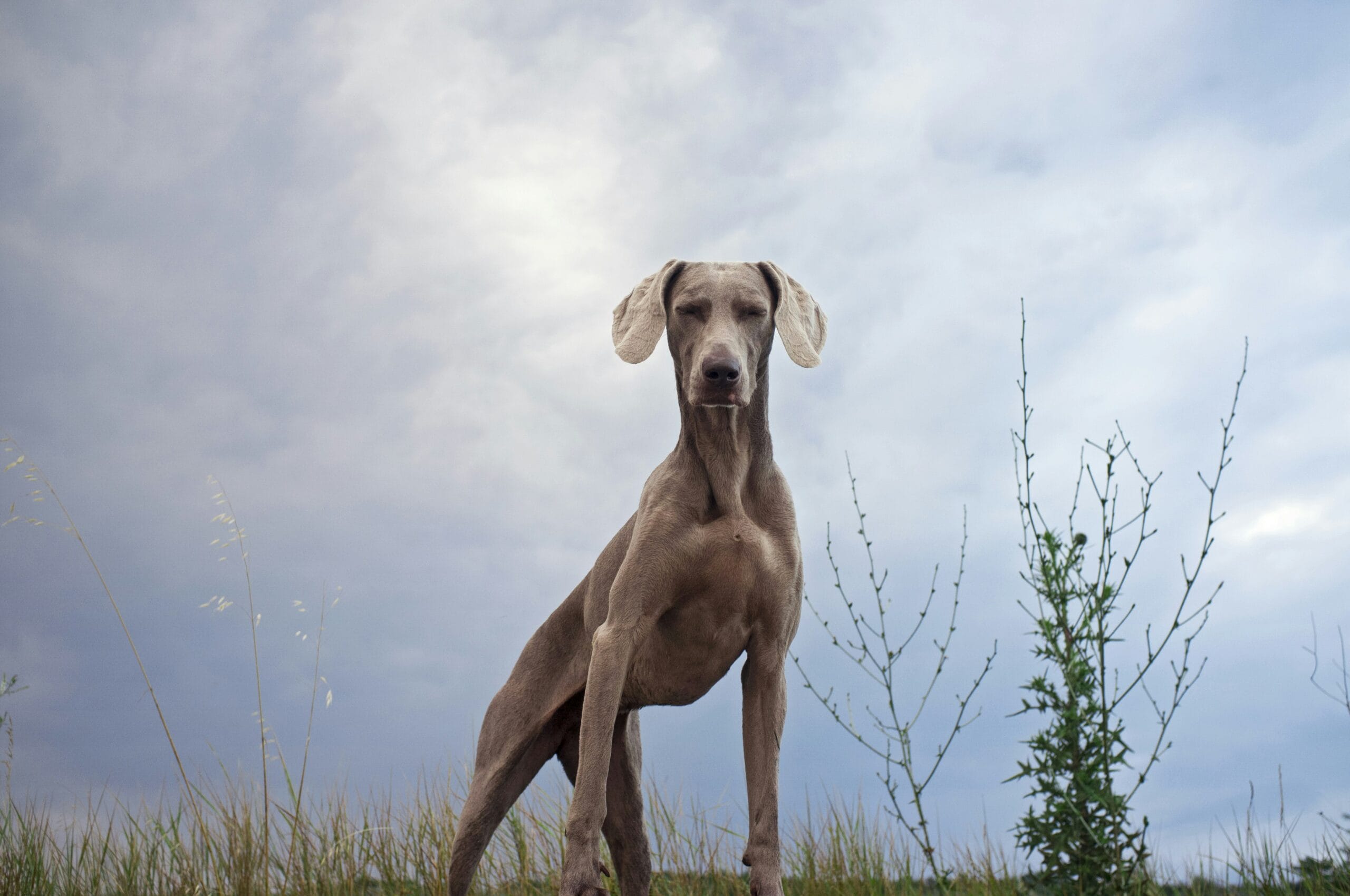
Developmental form (young giant breeds). Seen typically in dogs under two years old, particularly Great Danes, this form results from narrowing of the vertebral canal related to abnormal development of the vertebrae and associated joint structures during growth.
Disc-associated form (middle-aged, often Dobermans). This form involves disc bulging or herniation in the neck, similar in mechanism to lower-back IVDD but occurring in the cervical spine, typically presenting in middle-aged to older dogs.
Both forms ultimately cause the same underlying problem, compression of the spinal cord in the neck, but the specific structural cause, typical age of onset, and breed predisposition differ meaningfully between them, which shapes both diagnostic interpretation and treatment planning.
| Feature | Developmental form | Disc-associated form |
|---|---|---|
| Typical age | Under 2 years | Middle-aged to older |
| Typical breeds | Great Danes and other giant breeds | Doberman Pinschers, among others |
| Underlying cause | Vertebral canal narrowing during development | Disc bulging or herniation in the neck |
Recognizing the Signs
Unsteady, swaying gait. Often the most recognizable sign, sometimes described as a “two-engine” gait, where the hind legs appear to move differently, less coordinated, than the front legs.
Worse in the hind legs than the front. A distinguishing pattern compared to some other spinal conditions.
Neck pain or reluctance to move the neck. Some dogs show pain-related signs, particularly with the disc-associated form.
Difficulty with stairs or standing up. Coordination challenges become particularly apparent with these more demanding movements.
Progressive worsening. Signs often develop gradually and worsen over time without treatment, though the rate of progression varies between cases.
Diagnosis
Diagnosis requires advanced imaging, since the spinal cord compression causing symptoms isn’t reliably visible on standard X-rays alone. MRI is considered the gold standard, providing detailed visualization of the spinal cord, vertebrae, and any disc material contributing to compression, and is essential both for confirming the diagnosis and for surgical planning if that path is chosen. A thorough neurological exam beforehand helps localize the problem to the neck specifically and assess severity, guiding decisions about how urgently advanced imaging and further workup should proceed.
Treatment Options
What Surgery Actually Involves
When surgical decompression is recommended, understanding the general approach helps set expectations. The specific technique depends on the type and location of compression identified on MRI, sometimes involving removal of bone or disc material pressing on the spinal cord, and sometimes involving stabilization of unstable vertebrae using implants to prevent further movement-related compression. Recovery typically involves a period of significant activity restriction, often several weeks to a couple of months, with a gradual, carefully monitored return to normal activity guided by your surgical team. Some dogs show improvement relatively quickly after surgery, while others see more gradual gains over subsequent weeks as inflammation resolves and the spinal cord has time to recover from the compression it experienced. As with other neurosurgical procedures, outcomes generally correlate with how severe and how long-standing the compression was before surgery, reinforcing why earlier diagnosis and treatment tend to produce better results than a delayed approach.
Managing Daily Life With a Wobbler-Affected Dog
Whether managed conservatively or surgically, certain daily habits genuinely support a dog with cervical spine issues. Using ramps instead of stairs where possible reduces repetitive stress on the neck and spine. Non-slip flooring helps prevent the kind of sudden slips that can worsen an already compromised gait or trigger additional injury. Consistent, moderate exercise, rather than either complete rest or high-intensity activity, tends to support muscle strength and overall function better than either extreme. Regular veterinary rechecks help track whether the condition is stable, improving, or progressing, information that matters for both conservative and post-surgical management, since Wobbler syndrome can be a genuinely progressive condition in some dogs even after initial treatment.
Why Early Recognition Genuinely Matters Here
Because Wobbler syndrome tends to progress if left unaddressed, and because both surgical and conservative outcomes are generally better when treatment starts before compression becomes severe or prolonged, catching the early, sometimes subtle signs matters more than owners often realize. A mild, occasional stumble or slight unsteadiness in a young Great Dane, or a Doberman that seems just a bit less coordinated than before, is genuinely worth mentioning to your veterinarian rather than waiting to see if it becomes more obvious over time. Owners of predisposed breeds who know to watch for this specific gait pattern are often the ones who catch the condition earliest, when treatment options are broadest and outcomes tend to be best.
A Closing Thought
Wobbler syndrome can feel like a frightening diagnosis given its neurological nature, but veterinary understanding of this condition, and the treatment options available, have advanced considerably. Many affected dogs go on to live good-quality lives with appropriate management, and recognizing this genuinely distinctive gait pattern early gives both your dog and your veterinary team the best foundation to work from.
Frequently Asked Questions
Is Wobbler syndrome the same as IVDD?
Not exactly; the disc-associated form of Wobbler syndrome shares mechanisms with IVDD but occurs specifically in the neck, while classic IVDD more often affects the lower back. Both involve disc-related spinal cord compression.
Can Wobbler syndrome be cured?
Treatment can significantly improve symptoms and quality of life, though some dogs retain residual coordination challenges even after successful treatment, particularly in more advanced cases.
Is surgery always needed?
No, milder cases are sometimes managed conservatively, though surgery is often recommended for more significant compression or when conservative management isn’t providing adequate improvement.
Which breeds are most at risk?
Great Danes are classically associated with the young-onset developmental form, while Doberman Pinschers are classically associated with the middle-aged disc-associated form, though other large and giant breeds can be affected too.
By Dr. Zahid Afzal, DVM — General Veterinary Hospital, Lahore. This article is for general education and does not replace a full physical examination, imaging or personalized treatment plan from your own veterinarian.