
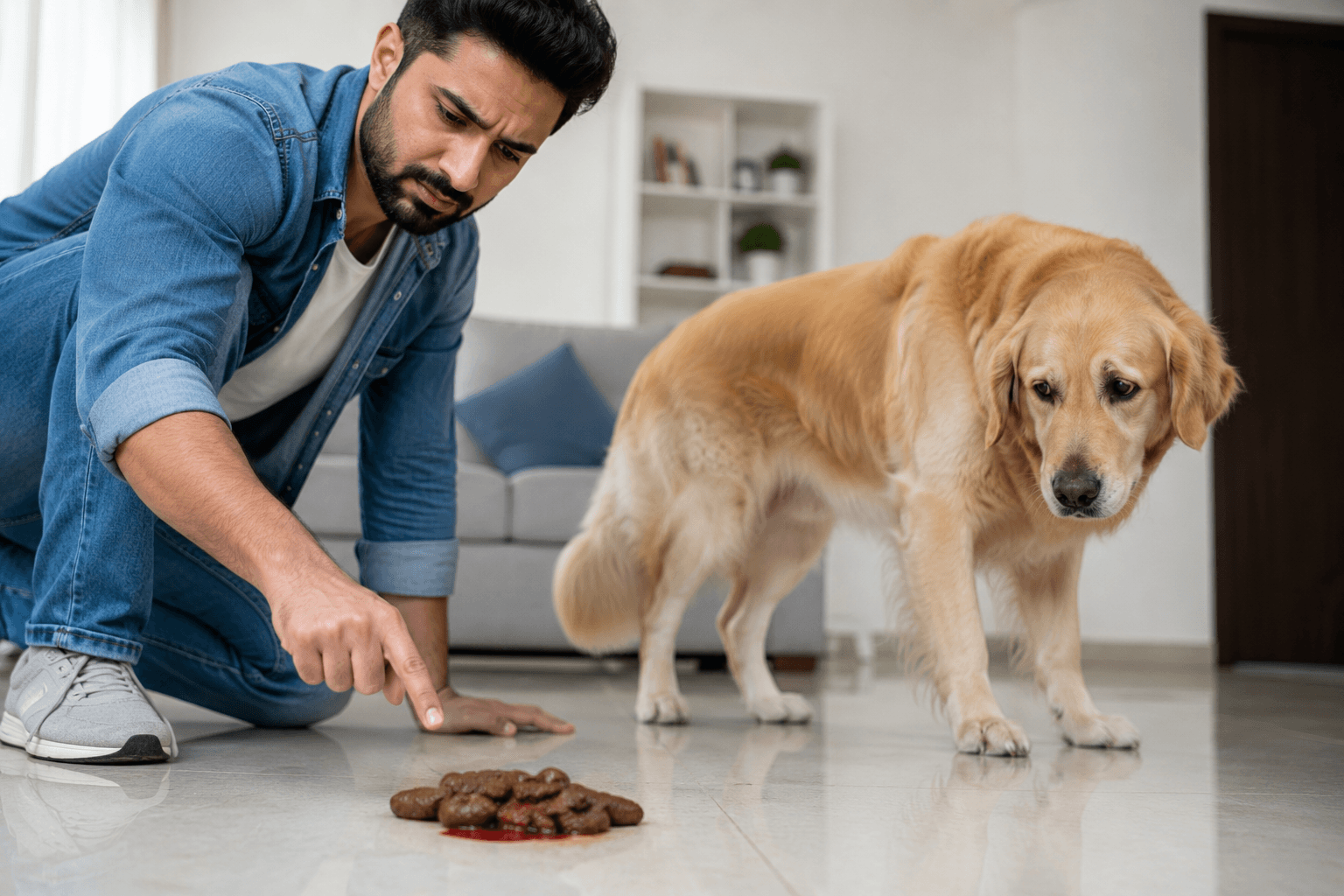
Quick Answer: Blood in dog stool can happen because of colitis, parasites, sudden food change, garbage eating, infection, anal gland irritation, rectal injury, poisoning, parvovirus, or acute hemorrhagic diarrhea syndrome. A small streak of fresh blood may not always mean disaster, but bloody diarrhea, black stool, vomiting, weakness, pale gums, dehydration, puppy illness, or repeated blood in stool needs urgent veterinary attention.
Blood in dog stool is one of the most alarming things a dog owner can see. Sometimes blood in dog stool appears as a small red streak on otherwise normal poop. Sometimes it looks like red jelly, bloody diarrhea, mucus with blood, or black tar-like stool. In every case, blood in dog stool means the digestive tract is irritated, injured, inflamed, infected, or bleeding from somewhere. The seriousness depends on the amount of blood, the color, the dog’s age, energy, appetite, vomiting, hydration, and whether the problem happens once or repeatedly.
At General Veterinary Hospital Lahore, owners often come in worried and say, “Doctor, dog ke stool mein blood aa raha hai.” Some dogs are still active and have only mild colitis after eating unsuitable food. Others arrive weak, vomiting, dehydrated, or passing watery bloody diarrhea. Puppies with blood in stool are especially concerning because parvovirus, parasites, and dehydration can become serious very quickly.
The most important thing is to avoid panic but also avoid delay. Blood in the stool is not a disease by itself. It is a sign. The real cause may be mild irritation, but it may also be an emergency. This guide explains red blood vs black stool, common causes, emergency signs, what you can safely do at home, what not to do, and when your dog needs a veterinarian urgently.
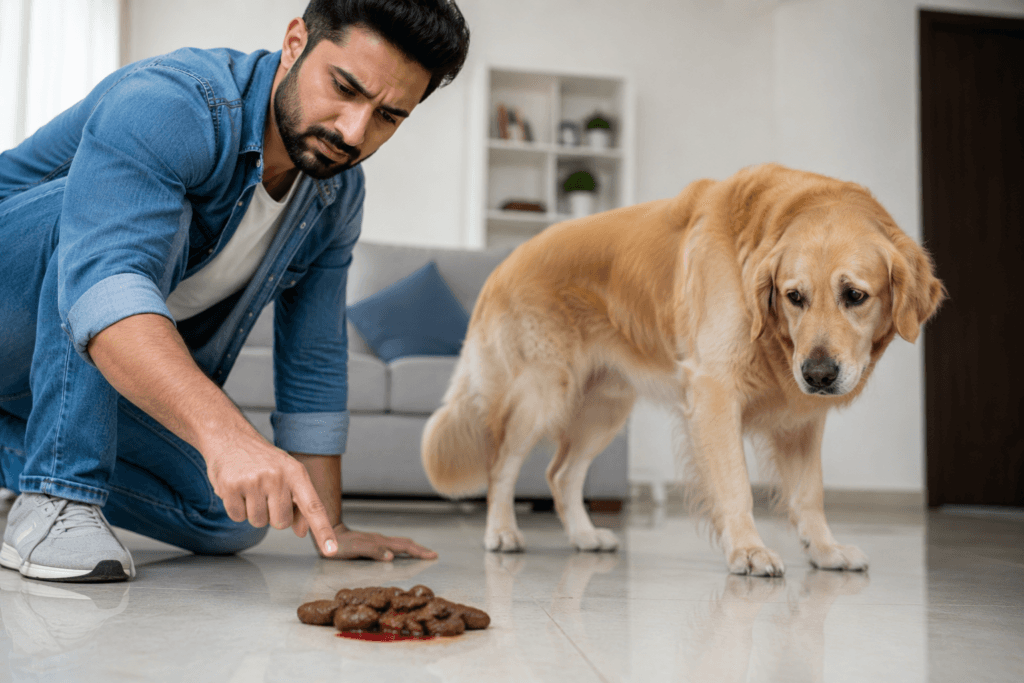
Red Blood vs Black Stool: What Is the Difference?
The color of blood gives an important clue. Bright red blood usually comes from the lower digestive tract, such as the colon, rectum, or anus. Black, sticky, tar-like stool can mean digested blood from higher up in the digestive system, such as the stomach or small intestine. Black stool is often more concerning and should not be ignored.
Is Blood in Dog Stool Always an Emergency?
Not always, but it should always be taken seriously. One tiny streak of fresh blood in a dog that is bright, eating, drinking, and passing mostly normal stool may be monitored closely for a short time. But if blood appears repeatedly, the stool is watery, the dog is vomiting, the dog is weak, or the patient is a puppy, the risk becomes much higher.
Common Causes of Blood in Dog Stool
Colitis, diet change, garbage eating, parasites
Parvovirus, worms, dehydration, infection
AHDS, poisoning, ulcers, clotting problems
Black stool, weakness, vomiting, collapse
1. Colitis
Colitis means inflammation of the colon. It is one of the most common reasons for fresh red blood and mucus in dog stool. Dogs with colitis may pass small amounts of stool frequently, strain, produce mucus, or have urgent bowel movements. The dog may look uncomfortable but may still be active in mild cases.
Common triggers include sudden food change, stress, parasites, infection, garbage eating, rich food, and dietary intolerance. At General Veterinary Hospital Lahore, colitis is very common after dogs eat spicy leftovers, oily meat, bones, wedding food, spoiled food, or sudden new treats.
2. Sudden Food Change or Rich Food
A sudden diet change can irritate the gut. Dogs that are used to one food may develop diarrhea or blood-streaked stool after switching quickly to another food. Oily, spicy, salty, or very rich foods can also disturb digestion.
In Lahore homes, many dogs are offered leftover chicken, biryani, nihari, BBQ pieces, bones, fried items, or gravy. These foods may taste attractive but can trigger vomiting, diarrhea, pancreatitis, or bloody stool in sensitive dogs.
3. Garbage Eating or Spoiled Food
Dogs that eat from garbage, spoiled meat, old bones, dirty water, dead animals, or unknown outdoor material can develop severe gut irritation. Blood may appear because the intestinal lining becomes inflamed. Some dogs also vomit, become dull, or develop fever.
If bloody stool starts after a suspected garbage episode, the dog should be monitored closely and examined if vomiting, weakness, fever, or repeated diarrhea appears.
4. Intestinal Parasites
Worms and other intestinal parasites can cause diarrhea, mucus, weight loss, poor coat, bloated abdomen, and blood in stool. Puppies are especially vulnerable. Adult dogs can also be affected, especially if deworming is irregular or exposure risk is high.
Parasites are not always visible in stool. A dog can have parasites without passing obvious worms. Stool testing and proper deworming guidance may be needed. For broader parasite prevention, the complete deworming and parasite control guide explains why regular prevention matters.
5. Parvovirus in Puppies
Parvovirus is one of the most dangerous causes of bloody diarrhea in puppies and unvaccinated dogs. It often causes vomiting, severe diarrhea, blood in stool, fever or low temperature, weakness, dehydration, and loss of appetite. A puppy with bloody diarrhea should never be treated casually.
At General Veterinary Hospital Lahore, many parvo cases arrive after the owner first noticed dullness and appetite loss, followed by vomiting and bloody diarrhea. Early treatment makes a major difference. The detailed guide on parvo in puppies explains early signs, isolation, and prevention in more depth.
6. Acute Hemorrhagic Diarrhea Syndrome
Acute hemorrhagic diarrhea syndrome, previously often called hemorrhagic gastroenteritis, can cause sudden watery bloody diarrhea and vomiting. It may appear very quickly, sometimes in a dog that looked normal earlier. The stool may look like red water, red jelly, or bloody fluid.
This condition can lead to dehydration and weakness quickly. Small dogs may become unstable faster because they have less fluid reserve. Dogs with sudden large amounts of bloody diarrhea need prompt veterinary care.
7. Rectal Irritation, Constipation or Straining
Hard stool, constipation, repeated straining, or irritation around the anus can cause small streaks of fresh blood. In these cases, the stool may be mostly formed, and blood may appear on the outside of the stool or at the end of defecation.
This is usually less dramatic than watery bloody diarrhea, but repeated blood, pain, swelling, or difficulty passing stool should be checked. Long-term constipation is not normal and may point toward diet, dehydration, pain, prostate problems in males, or other medical issues.
8. Anal Gland Problems
Anal gland irritation, infection, or abscess can cause blood around the anus or on stool. Dogs may scoot, lick the area, smell bad, or cry when passing stool. Some owners think the blood is coming from inside the intestine, but the source may be near the anus.
If your dog is dragging the rear end on the floor, licking excessively, or showing swelling near the anus, the guide on dog scooting can help explain possible anal gland and rear-end causes.
9. Poisoning or Toxin Exposure
Some poisons and toxins can cause bleeding, vomiting, diarrhea, weakness, tremors, or collapse. Rat poison is especially dangerous because it may interfere with blood clotting. Human medicines, chemicals, insecticides, spoiled food, and toxic plants may also cause digestive signs.
Blood in stool after possible toxin exposure should be treated seriously. Do not wait for the dog to become weak. If chocolate exposure is possible, the article on chocolate poisoning in dogs explains when action is needed.
10. Stomach or Intestinal Ulcers
Ulcers can cause black, tar-like stool because blood is digested before it leaves the body. Ulcers may be linked to certain medicines, severe illness, liver disease, kidney disease, toxins, or other internal problems. Black stool should be considered more concerning than a tiny fresh red streak.
Human painkillers are a major concern. Many medicines that people commonly use can be dangerous for dogs. Never give human painkillers for abdominal pain or bloody stool unless a veterinarian specifically directs it.
11. Foreign Body or Bone Injury
Dogs that chew bones, sticks, toys, plastic, cloth, or sharp objects can injure the digestive tract. Bones may cause constipation, rectal irritation, or internal injury. Foreign objects can also cause vomiting, abdominal pain, loss of appetite, and obstruction.
If your dog has blood in stool with repeated vomiting, belly pain, restlessness, or inability to pass stool normally, veterinary care is needed. Do not try to force food or oil at home.
12. Chronic Digestive Disease
Some dogs have repeated episodes of mucus, diarrhea, and blood because of food sensitivity, inflammatory bowel disease, chronic infection, parasites, or long-term gut inflammation. These cases may not look like a sudden emergency, but they still need diagnosis because repeated bleeding is not normal.
Dogs with chronic digestive signs may lose weight, have poor coat, pass soft stool frequently, or become picky with food. The guide on dog diarrhea treatment and home care explains digestive warning signs and safe care basics.
When Blood in Dog Stool Is an Emergency
What You Can Check at Home
If your dog is stable, bright, and not showing emergency signs, you can collect useful information before contacting the clinic.
- Is the blood bright red or black and tar-like?
- Is the stool formed, soft, watery, or mucus-filled?
- Is your dog vomiting?
- Is your dog eating and drinking?
- Is your dog weak, dull, or painful?
- Is your dog a puppy or unvaccinated?
- Was there a recent food change?
- Did your dog eat bones, garbage, chocolate, medicine, or chemicals?
- When was the last deworming?
What Not to Do
- Do not give human painkillers
- Do not give antibiotics without diagnosis
- Do not ignore bloody diarrhea in puppies
- Do not force-feed a vomiting or weak dog
- Do not give bones or oily food to “settle the stomach”
- Do not wait several days if blood is repeated
- Do not assume black stool is normal
Home remedies can delay proper treatment. Bloody stool has many possible causes, and the wrong medicine can make some conditions worse.
Can You Treat Blood in Dog Stool at Home?
Mild cases may improve with proper diet correction and veterinary-guided care, but home care should only be considered if the dog is bright, eating, not vomiting, not a puppy, not weak, and the blood is minimal. Even then, close monitoring is important.
Safe general steps may include:
- Offer fresh water
- Stop oily, spicy, or rich foods
- Avoid treats temporarily
- Feed only a bland diet if advised by a veterinarian
- Monitor stool frequency and blood amount
- Arrange a check if symptoms continue or worsen
If the dog becomes dull, vomits, refuses food, passes watery bloody diarrhea, or shows pain, home care is not enough.
How Veterinarians Diagnose the Cause
Diagnosis depends on the dog’s age, vaccination status, stool appearance, hydration, vomiting, appetite, and physical exam. A puppy with bloody diarrhea is approached differently from an adult dog with one small red streak after straining.
Testing may include:
- Physical examination
- Temperature check
- Hydration assessment
- Stool examination for parasites
- Parvo testing in puppies or unvaccinated dogs
- Blood tests if weakness, dehydration, or severe diarrhea is present
- X-rays or ultrasound if obstruction, foreign body, or internal disease is suspected
At General Veterinary Hospital Lahore, the history often gives the first clue. Questions about diet change, garbage eating, vaccination, deworming, vomiting, and energy level help narrow the cause quickly.
How Treatment Depends on the Cause
Colitis or diet-related irritation
Treatment may include diet correction, hydration support, gut medication, parasite control, and avoiding trigger foods.
Parasites
Dogs need appropriate deworming or parasite treatment based on age, weight, and risk. Repeating the correct dose at the correct interval may be important.
Parvovirus
Parvo needs urgent supportive care, isolation, fluids, anti-vomiting treatment, gut support, and monitoring. Early treatment improves survival chances.
AHDS or severe bloody diarrhea
These dogs may need fluid therapy, anti-vomiting medication, blood work, monitoring, and supportive care. Dehydration can develop quickly.
Poisoning
Treatment depends on the toxin and timing. Emergency care may be needed for decontamination, clotting support, fluids, and monitoring.
Foreign body or bone injury
Imaging and specific treatment may be needed. Some cases require surgery if obstruction or injury is severe.
Special Concern: Puppy Pooping Blood
A puppy with blood in stool should always be treated more seriously than a healthy adult dog. Puppies dehydrate faster and have higher risk from parvovirus, worms, coccidia, giardia, diet mistakes, and infections. If the puppy is unvaccinated, dull, vomiting, or passing watery bloody stool, seek urgent care.
Do not wait to see if the puppy improves overnight. Early treatment can save life in parvo, severe parasite burden, and dehydration.
Special Concern: Dog Pooping Blood but Acting Normal
If your dog is acting normal but has a small amount of fresh blood once, it may be mild colon irritation or straining. Still, monitor carefully. If it repeats, increases, becomes diarrhea, or comes with mucus, a veterinary check is recommended.
Dogs can look normal in the early stage of digestive disease. Appetite, hydration, energy, vomiting, and stool frequency should all be watched together.
Simple Stool Risk Chart
Frequently Asked Questions
Why is there bright red blood in my dog’s poop?
Bright red blood often comes from the lower digestive tract, colon, rectum, or anus. Common causes include colitis, parasites, straining, food irritation, infection, or rectal irritation.
Is black stool in dogs serious?
Yes. Black, tar-like stool can mean digested blood from the upper digestive tract and should be checked urgently.
Can worms cause blood in dog stool?
Yes. Intestinal parasites can cause irritation, diarrhea, mucus, weight loss, and blood in stool, especially in puppies.
Can food change cause blood in stool?
Yes. Sudden diet changes, oily food, spicy leftovers, garbage eating, and rich treats can irritate the gut and trigger colitis or diarrhea with blood.
Should I worry if my dog is pooping blood but acting normal?
A single tiny streak may be monitored closely, but repeated blood, mucus, diarrhea, vomiting, or any weakness needs veterinary attention.
When is bloody diarrhea in dogs an emergency?
Bloody diarrhea is urgent when it is watery, repeated, associated with vomiting, seen in puppies, or paired with weakness, pale gums, dehydration, collapse, or black stool.
Final Thoughts
Blood in dog stool should always be treated as an important warning sign. Sometimes blood in dog stool is caused by mild colitis, constipation, or food irritation. But blood in dog stool can also happen with parasites, parvovirus, AHDS, poisoning, ulcers, foreign bodies, infection, or serious internal disease. The color, amount, stool texture, age of the dog, and other symptoms decide how urgent the situation is.
At General Veterinary Hospital Lahore, we often see dogs recover faster when owners act early instead of waiting for repeated bloody diarrhea or dehydration. A clear stool photo, diet history, vaccination status, deworming history, and information about vomiting or weakness can help the diagnosis.
If your dog has watery bloody diarrhea, black stool, vomiting, weakness, pale gums, collapse, or if the patient is a puppy, arrange veterinary care immediately. Early action can prevent dehydration, reduce pain, and protect your dog from serious complications.
Published Research: Bloody Diarrhea and Parvovirus Outcomes
Bloody diarrhea is one of the hallmark signs of parvovirus in puppies. Our clinical team’s peer-reviewed cohort study followed 40 dogs with confirmed parvoviral enteritis, using bloodwork markers on Day 1 and Day 3 of illness to identify which cases needed intensive care escalated before they worsened.
Afzal, Z., Hina, I., Qasim, A.A. and Faizan, S.M. (2026) ‘Serial C-Reactive Protein and Lipid Profile Dynamics as Prognostic and Care-Escalation Indicators in Canine Parvoviral Enteritis: A Single-Center Cohort Study’, Planta Animalia, 5(3), pp. 363–367. DOI: 10.71454/PA.005.03.0523.




2 Comments