Laryngeal Paralysis in Dogs: Signs, Surgery & the GOLPP Connection
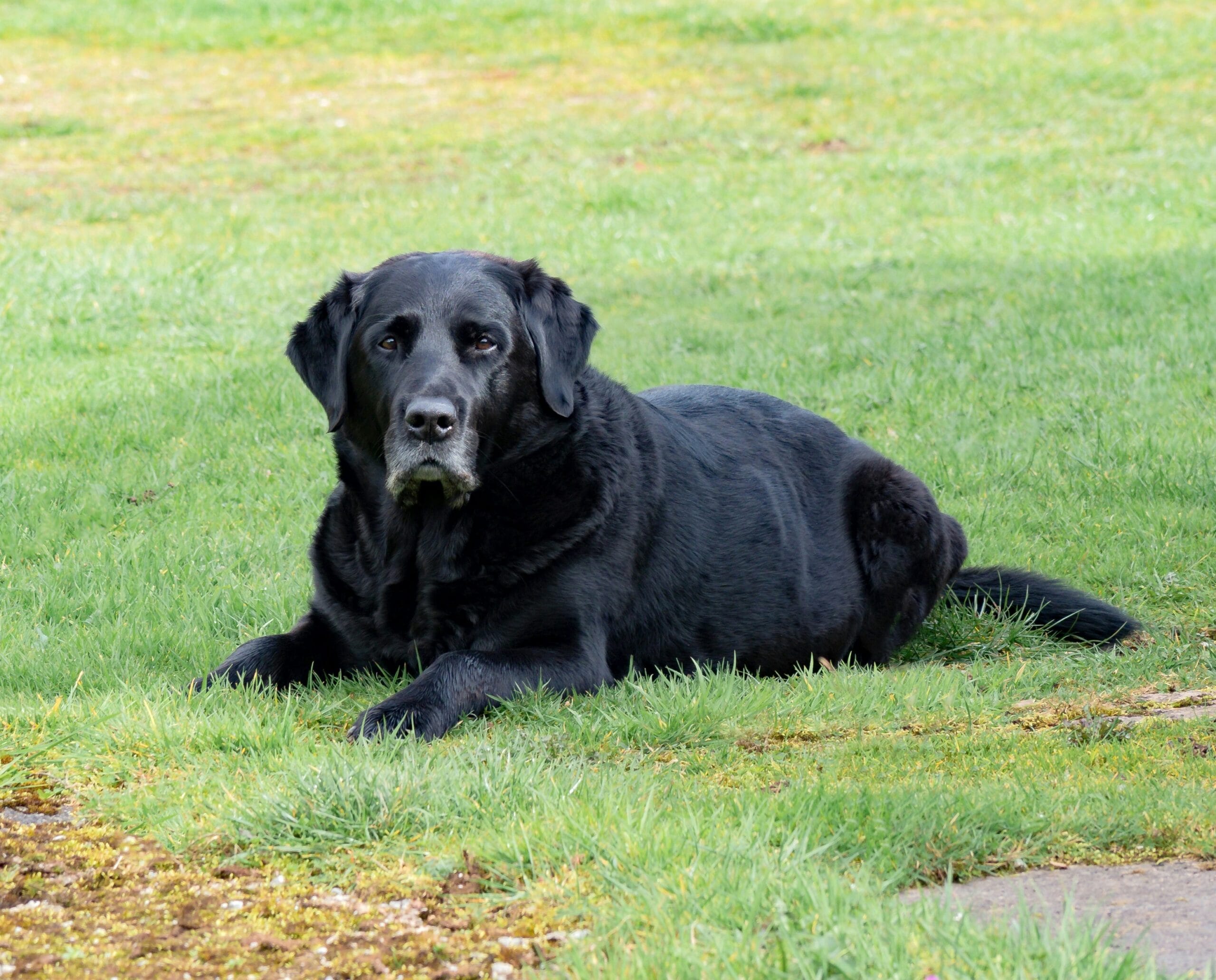
A senior Labrador with a suddenly raspier bark and noisy breathing during exercise is showing one of the classic early signs of laryngeal paralysis in dogs, a condition that turns out to be just one visible piece of a much broader, whole-body nerve disease. This guide explains what’s actually failing in the airway, why this condition creates a genuine heat-stroke risk many owners don’t anticipate, and what the standard surgical treatment involves.
Laryngeal paralysis in dogs: what's Actually Failing in the Airway
Normally, small cartilage structures in the larynx (the arytenoid cartilages) open wide with each breath in, allowing air to flow freely into the windpipe, and close during swallowing to protect the airway from food and water. In laryngeal paralysis in dogs, the nerves and muscles controlling this movement stop functioning properly, leaving the cartilages in a fixed, partially closed position rather than actively opening and closing as needed. This creates a genuine, mechanical obstruction to airflow, particularly noticeable during exercise or excitement when a dog needs to move more air quickly, and it also compromises the airway’s normal protective closing reflex during swallowing, increasing the risk of food or water being inhaled into the lungs.
GOLPP: Understanding the Bigger Picture
This is genuinely one of the more important developments in understanding this condition over the past two decades: what was once considered an isolated “idiopathic” (cause unknown) laryngeal problem is now understood, through careful research, to typically be just the most visible early manifestation of a broader, progressive polyneuropathy, a disease affecting nerves throughout the body, not just those controlling the larynx. This has led to the condition being renamed Geriatric Onset Laryngeal Paralysis Polyneuropathy, or GOLPP, reflecting this fuller understanding. In practice, this means many dogs diagnosed with laryngeal paralysis go on to develop other signs of generalized nerve dysfunction over time, including hind-limb weakness and incoordination that can look remarkably similar to degenerative myelopathy, another progressive nerve condition affecting older dogs. Understanding GOLPP as a whole-body process, rather than an isolated throat issue, helps set realistic expectations for disease progression beyond the airway itself.
| Feature | Details |
|---|---|
| Typical dogs affected | Older, medium-to-large breeds, especially Labrador Retrievers |
| Core problem | Arytenoid cartilages fail to open properly during breathing |
| Broader context | Often part of GOLPP, a whole-body progressive nerve disease |
| Standard treatment | Surgical tie-back procedure for moderate-severe cases |
| Key risk | Heat stroke, given compromised ability to cool via panting |
Recognizing the Signs
Change in bark. Often becoming noticeably raspier, higher-pitched, or weaker than before.
Noisy breathing. A harsh, raspy breathing sound, particularly noticeable during exercise, excitement, or hot weather.
Reduced exercise tolerance. Tiring more quickly or becoming reluctant to engage in previously normal activity levels.
Coughing or gagging. Especially around eating or drinking, reflecting the airway’s compromised protective function during swallowing.
Difficulty in hot weather. Excessive panting effort or distress in heat, reflecting the airway obstruction’s impact on effective cooling.
Bluish gums during severe episodes. A sign of inadequate oxygen intake during a significant breathing crisis, requiring emergency attention.
The Heat Stroke Connection
This is a genuinely important, often underappreciated risk that deserves its own explanation. Dogs cool themselves primarily through panting, moving air efficiently across the moist surfaces of the mouth and airway to dissipate heat. When the airway is partially obstructed by laryngeal paralysis in dogs, this cooling mechanism becomes considerably less effective, since the dog simply cannot move air as efficiently even while panting hard. This means dogs with laryngeal paralysis face a meaningfully elevated risk of heat stroke compared to unaffected dogs in the same conditions, and owners of affected dogs need to be particularly vigilant about avoiding exercise during hot weather, providing ample shade and water, and recognizing early heat stress signs promptly, since a dog with this condition has considerably less physiological reserve to handle heat than a healthy dog would.
Diagnosis and Treatment
What Recovery From Tie-Back Surgery Looks Like
Understanding the practical recovery process helps set realistic expectations. Most dogs stay hospitalized for a day or two after surgery for monitoring, since the immediate post-operative period carries the highest risk of complications including aspiration. Once home, activity restriction for several weeks allows proper healing, and many owners notice a genuinely dramatic improvement in breathing sound and exercise capacity within days of surgery, a change significant enough that some describe it as getting a different, more comfortable dog back almost immediately. Long-term, most dogs return to a good quality of life with meaningfully improved airflow, though the permanent nature of the tie-back procedure means some degree of ongoing vigilance around feeding technique and swallowing, often including smaller, more frequent meals or elevated feeding positions, becomes a permanent part of the dog’s routine to minimize aspiration risk going forward.
Practical Heat and Exercise Management
Given the genuine heat stroke risk this condition carries, translating the general advice into concrete daily habits helps owners actually implement it. Exercising during the coolest parts of the day, early morning or evening rather than midday heat, genuinely reduces risk. Carrying water on walks and offering frequent breaks in shade allows a dog to cool down actively rather than pushing through discomfort. Learning to recognize early signs of overheating, excessive panting that doesn’t settle with rest, bright red gums, or noticeable distress, and stopping activity immediately when these appear, rather than waiting for more severe signs, protects a dog whose normal cooling mechanism is already compromised. Some owners of affected dogs invest in a cooling vest or mat for particularly hot climates or seasons, a genuinely practical accommodation for a dog managing this specific vulnerability.
A Closing Thought
Laryngeal paralysis is a genuine example of how veterinary understanding of a condition can deepen meaningfully over time, transforming what once looked like an isolated throat problem into recognition of a broader disease process. This fuller understanding doesn’t change the value of surgical treatment for the airway itself, but it does help owners approach the whole journey, including possible future changes beyond breathing, with realistic, informed expectations from the start.
Cost Considerations
Diagnostic sedated laryngeal exams are generally accessible at most veterinary practices, while tie-back surgery represents a more significant investment reflecting the specialized surgical skill and post-operative monitoring involved. Weighing this cost against the genuinely dramatic quality-of-life improvement most dogs experience, and the real safety risk an untreated significant obstruction carries, particularly around heat stroke, helps put the expense in perspective when discussing options with your veterinarian.
Signs to Watch for During Emergencies
Even after successful surgery, owners of dogs with laryngeal paralysis should stay alert to signs of a genuine breathing crisis, since some degree of underlying vulnerability persists. Extreme distress, open-mouth breathing with visible effort, bluish or pale gums, and collapse are all signs requiring immediate emergency care rather than a wait-and-see approach. Keeping your veterinarian’s emergency contact information and the nearest 24-hour animal hospital readily accessible, and discussing in advance what to do if a crisis occurs away from home, gives you a clear action plan rather than having to figure this out during an actual emergency.
A Final Practical Note
If you own a senior, large-breed dog and notice even a subtle change in bark or breathing sound, mentioning it at the next routine visit, rather than waiting for it to become more obvious, gives you and your veterinarian the earliest possible window to plan appropriately for this manageable, well-understood condition.
Working With Your Veterinary Team
Managing GOLPP well, both the airway component and any emerging broader signs, works best as an ongoing partnership with your veterinary team rather than a single diagnosis-and-treatment event. Regular check-ins, honest reporting of any new symptoms, and staying engaged with recommended monitoring all support the best possible long-term outcome for your dog.
Frequently Asked Questions
Is surgery always necessary?
Not always; milder cases may be managed conservatively with activity and heat management, though surgery is generally recommended for dogs with significant breathing difficulty or reduced quality of life.
Will surgery cure the condition completely?
Surgery significantly improves airflow and quality of life but doesn’t reverse the underlying nerve dysfunction, and if the dog has broader GOLPP, other signs may still progress separately from the airway improvement surgery provides.
Can young dogs develop laryngeal paralysis?
It’s rare but possible, sometimes linked to a different, congenital form seen in certain breeds; the geriatric-onset form associated with GOLPP is far more common overall.
Is aspiration pneumonia a permanent risk after surgery?
The tie-back procedure does somewhat increase aspiration risk long-term since it holds the airway more open, which is why post-surgical monitoring for signs of aspiration remains important throughout the dog’s life.
By Dr. Zahid Afzal, DVM — General Veterinary Hospital, Lahore. This article is for general education and does not replace a full physical examination or personalized treatment plan from your own veterinarian.