Myxomatosis in Rabbits: Transmission, Signs & Prevention
Myxomatosis in rabbits is one of the most serious viral diseases affecting rabbits, and the fact that it spreads primarily through biting insects rather than direct rabbit-to-rabbit contact means even rabbits kept largely indoors aren’t automatically protected. This guide explains how transmission actually happens, why prevention matters so much more than treatment for this particular disease, and what the honest prognosis looks like for affected rabbits.
Myxomatosis in rabbits: how Myxomatosis Actually Spreads
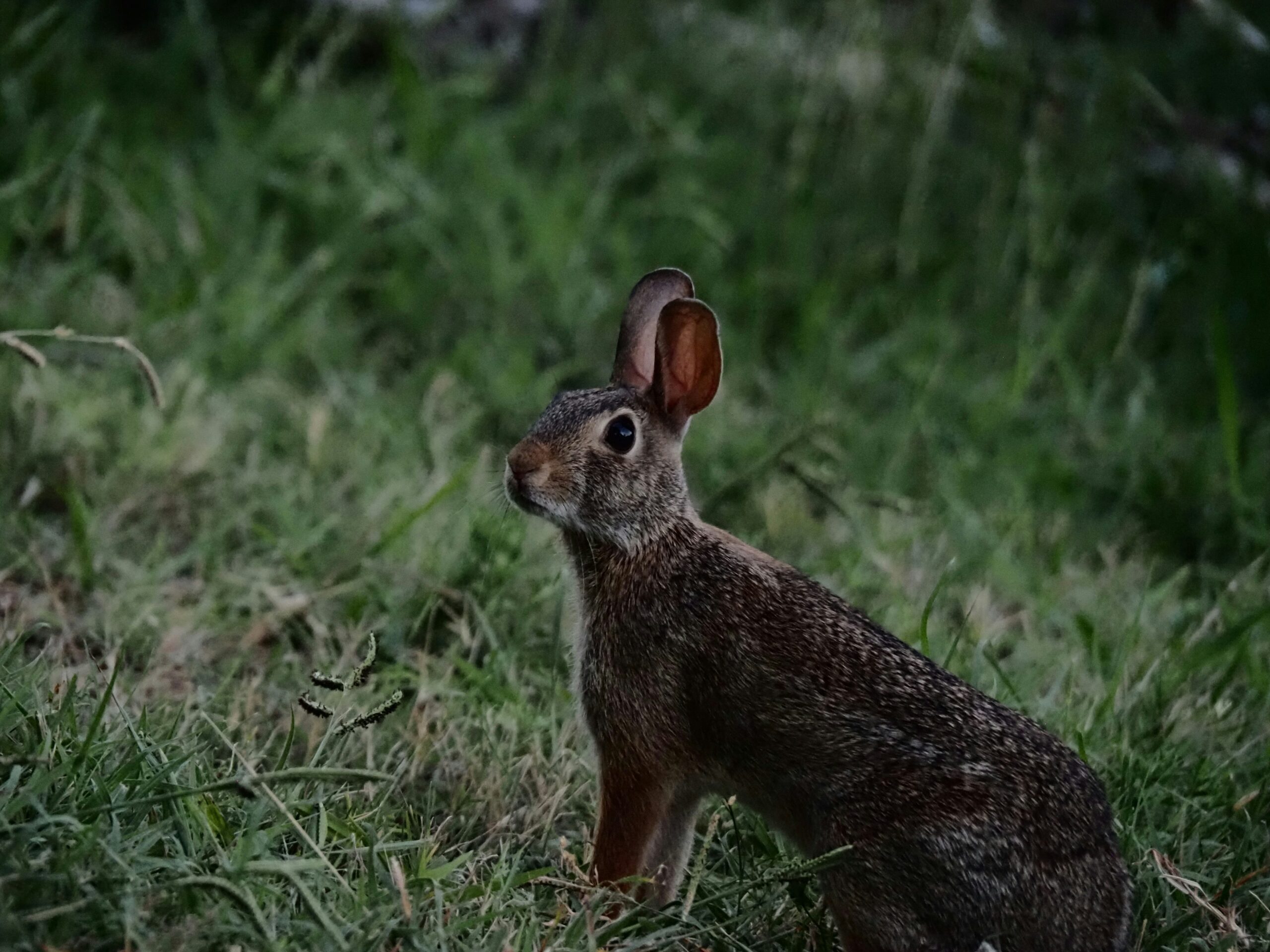
This is genuinely the most important thing to understand about this disease: myxomatosis in rabbits is primarily transmitted by biting insects, mosquitoes and fleas most commonly, which pick up the virus from an infected rabbit and transmit it to the next rabbit they bite. Direct rabbit-to-rabbit contact and contaminated surfaces can also spread the virus, but the insect-vector route is the dominant transmission pathway in most cases. This has a genuinely important practical implication: a rabbit that never has direct contact with another rabbit, including one kept largely indoors, is not automatically protected, since a single mosquito or flea bite is enough to transmit the virus. Wild rabbit populations often serve as a reservoir for the virus, meaning even rabbits with no contact with other pet rabbits face risk if insects have access to both wild and domestic rabbit populations in the same area.
Recognizing the Signs
Swelling around the eyes. Often one of the earliest and most characteristic signs, sometimes progressing to significant swelling that can affect vision.
Facial and genital swelling. Swelling can extend to affect the face more broadly and the genital area.
Eye and nasal discharge. Often thick and progressively worsening as the disease advances.
Lethargy and reduced appetite. General signs of systemic illness accompanying the more visible local swelling.
Difficulty breathing. Can develop in more advanced cases as the disease progresses.
| Transmission route | Risk level |
|---|---|
| Mosquito or flea bites | Primary, most common route |
| Direct contact with infected rabbit | Possible, secondary route |
| Contaminated surfaces/equipment | Possible, less common |
Diagnosis and the Honest Prognosis
Diagnosis is often based on the characteristic clinical signs, sometimes supported by specific testing where available. This is difficult but important to state clearly: myxomatosis in rabbits carries a genuinely high fatality rate, particularly in unvaccinated rabbits, and even with intensive supportive care, many severely affected rabbits do not survive. This isn’t meant to discourage seeking veterinary care, prompt supportive treatment does give some rabbits a genuine chance, particularly milder cases or vaccinated rabbits with some immune protection, but it’s important for owners to understand the realistic prognosis rather than expect the same recovery odds seen with more treatable conditions. Veterinarians experienced with this disease can help guide honest, compassionate decisions about quality of life and, when necessary, humane euthanasia for rabbits experiencing severe, unrelenting suffering with little realistic chance of recovery.
Supportive Treatment
Practical Insect Control Measures
Given how central insect exposure is to transmission risk, specific, practical prevention steps genuinely matter. Fine-mesh screening over outdoor hutch openings creates a physical barrier against mosquitoes while still allowing airflow. Eliminating standing water near your rabbit’s living area, a common mosquito breeding site, reduces local insect populations directly. Rabbit-safe flea prevention products, used consistently and specifically labeled safe for rabbits rather than products formulated for cats or dogs, address the flea-transmission route. Timing outdoor time to avoid peak mosquito activity, typically dawn and dusk in many regions, provides an additional layer of protection during the highest-risk periods of the day. None of these measures alone guarantees complete protection, but combined together, they meaningfully reduce the cumulative exposure risk your rabbit faces.
Regional Risk Variation
Myxomatosis prevalence and the specific virus strains circulating vary considerably by region and even season, tied closely to local wild rabbit populations and insect activity patterns. Some areas experience seasonal spikes corresponding to peak mosquito activity, while others see more consistent year-round risk depending on climate and local ecology. Your veterinarian’s awareness of local disease patterns is genuinely valuable here, since they can advise on realistic risk levels, appropriate vaccination recommendations if available in your area, and seasonal timing considerations specific to where you live, rather than relying on general information that may not reflect your particular region’s actual risk profile.
Multi-Rabbit Households
If you keep multiple rabbits, an infected rabbit should be isolated immediately from housemates upon any suspicion of myxomatosis, given the disease’s ability to spread through both insects and, to a lesser extent, direct contact. This isolation protects other rabbits in the household while diagnosis and treatment decisions are being made, and reduces the chance of the same insect population transmitting the virus between multiple rabbits sharing an enclosure or nearby space. Thoroughly cleaning and disinfecting shared equipment, food bowls, bedding, and enclosures, after any suspected or confirmed case is also a sensible precaution given the possibility of surface-based transmission alongside the primary insect-borne route.
A Closing Thought
Myxomatosis is genuinely one of the more sobering diseases in rabbit medicine, and it’s worth being honest about that rather than offering false reassurance. What’s within an owner’s control is meaningful, though: consistent insect control, vaccination where available, and prompt veterinary attention at the first sign of illness represent real, actionable steps that genuinely improve the odds for rabbits facing this disease.
What to Ask Your Veterinarian
At your rabbit’s next wellness visit, a few specific questions help you understand and address your rabbit’s actual risk level: whether vaccination is available and recommended in your specific region, what local disease patterns your veterinarian has observed recently, and which insect control products are genuinely safe and effective for use around rabbits specifically, since not all products safe for other pets are appropriate for rabbits. Having this conversation proactively, before any signs of illness appear, puts you in a much stronger position than trying to gather this information during an active health crisis.
Frequently Asked Questions
Can indoor rabbits get myxomatosis?
Yes, since the primary transmission route is biting insects rather than direct rabbit contact, any rabbit with insect exposure, including indoor rabbits, faces some risk.
Is myxomatosis contagious to humans or other pets?
No, myxomatosis specifically affects rabbits and is not known to infect humans, dogs, or cats.
Is there a cure for myxomatosis?
No specific antiviral cure exists; treatment is supportive care aimed at managing symptoms and complications, which is exactly why prevention is emphasized so strongly for this disease.
Does vaccination guarantee protection?
Vaccination significantly improves outcomes and survival odds where available, though it doesn’t guarantee complete protection; combining vaccination with insect control provides the strongest overall defense.
By Dr. Zahid Afzal, DVM — General Veterinary Hospital, Lahore. This article is for general education and does not replace a full physical examination or personalized guidance from your own veterinarian.