
Cats • Vet-Written Guide
The first time I saw a cat with severe pancreatitis, she didn’t look “dramatically sick” at all.
She was just hiding, refusing food, and her guardian thought she was being fussy with her favourite wet food.
Within a day, that quiet behaviour turned into repeated vomiting and a painful, hunched belly.
At General Veterinary Hospital, Lahore, we see cases like this every month.
Pancreatitis in cats can be subtle at first – but it is a serious inflammation of an important organ,
and it often needs rapid veterinary care.
In this guide I’ll explain pancreatitis in plain language:
what it is, what signs you might notice at home, how we diagnose and treat it in the clinic,
and what you can realistically expect for your cat’s recovery.
Quick Vet Takeaways (If You’re Worried Right Now)
- Pancreatitis = inflammation of the pancreas, an organ that helps digestion and controls blood sugar.
- Common signs include not eating, vomiting, hiding, painful or tense belly, and low energy.
- It ranges from mild to life-threatening. Severe cases are an emergency and need hospital care.
- Most cats recover with prompt treatment, but some develop chronic (long-term) pancreatitis.
- There is no safe home cure. If you suspect pancreatitis, your cat needs a full veterinary check-up.
What we’ll cover in this guide
What Is Pancreatitis in Cats?
The pancreas is a small organ that sits near the stomach and small intestine.
It has two main jobs:
- Digestive job: releasing enzymes that help break down fat, protein and carbohydrates.
- Hormonal job: producing insulin and other hormones that regulate blood sugar.
Pancreatitis means the pancreas is inflamed and irritated.
The digestive enzymes can start to leak and “digest” the pancreas itself and nearby tissues.
This is painful and can affect the liver, intestines and even blood sugar control.
In cats, pancreatitis often appears in two forms:
- Acute pancreatitis: sudden onset, often quite severe. Cats may be very unwell and need hospitalisation.
- Chronic pancreatitis: lower-grade, long-term inflammation that flares up from time to time.
Many cats actually have a mix of both – a chronic condition that suddenly becomes worse.
Symptoms of Pancreatitis in Cats
One of the reasons pancreatitis can be tricky to catch early is that cats are very good at
hiding pain and illness. The signs can be vague and easy to miss until the cat becomes quite sick.
Common signs owners notice at home
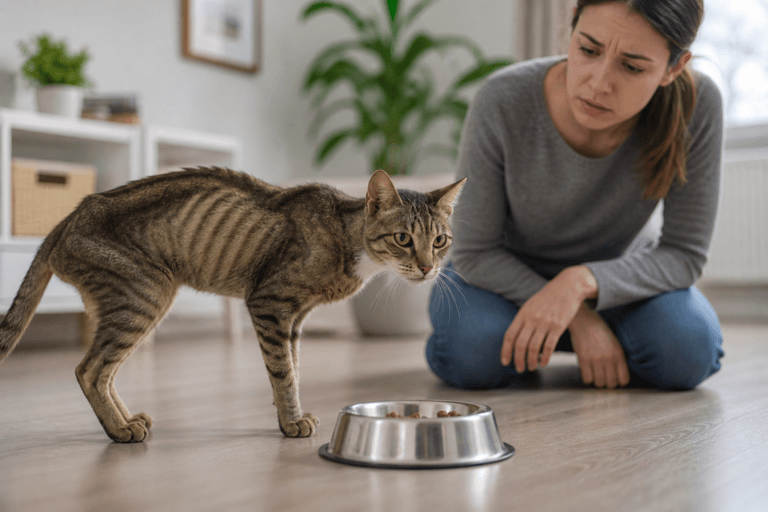
- Not eating (anorexia): often the first and most obvious sign.
- Lethargy: your cat is quieter, hiding, or simply “not themselves”.
- Vomiting: sometimes frequent, sometimes only once or twice.
- Abdominal pain: cat may resist being picked up, walk hunched, or cry if the belly is touched.
- Dehydration: sticky gums, sunken eyes, reduced skin elasticity.
- Weight loss: especially in chronic cases that have been smouldering for weeks or months.
More subtle or advanced signs
- Low body temperature or, less commonly, fever.
- Yellow gums or eyes (jaundice) if the liver and bile ducts are also inflamed.
- Diarrhoea or greasy stools due to poor digestion.
- Collapsing, severe weakness, or difficulty breathing in the most serious cases.
When is pancreatitis an emergency?
Call your vet or emergency clinic immediately if your cat:
- Has been vomiting repeatedly for more than 12–24 hours
- Has stopped eating completely and looks weak or wobbly
- Is breathing fast, seems collapsed, or cries out when touched
- Has yellow gums/eyes and is very lethargic
Do not wait to see if it passes. Rapid treatment can be the difference between recovery and life-threatening complications.
What Causes Pancreatitis in Cats?
In many feline cases, we frustratingly never find a single clear cause – we call these cases
idiopathic pancreatitis. However, research and clinical experience suggest several
important triggers and risk factors:
Possible triggers and risk factors
-
Other digestive diseases: Cats commonly develop a combination of
pancreatitis, inflammatory bowel disease (IBD), and cholangitis (liver/bile duct inflammation).
This trio is sometimes called feline triaditis. -
High-fat foods or sudden diet changes: Especially rich table scraps, fatty meat,
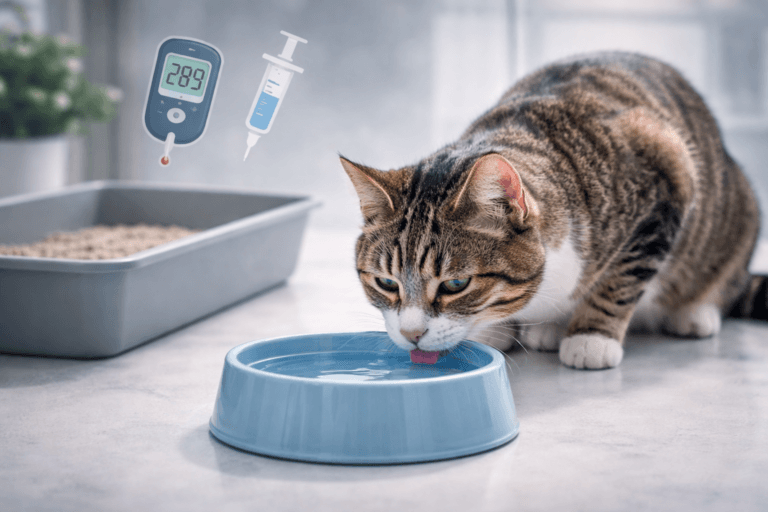
or sudden changes to a very rich diet. - Hormonal diseases: Diabetes mellitus, for example, can be linked with pancreatitis in some cats.
- Infections or toxins: Certain infections or toxins may damage the pancreas, although this is less clear in cats than in dogs or people.
- Trauma: A fall from height or a road accident can sometimes injure the pancreas.
- Genetic factors: Some individual cats may simply be more prone than others.
At General Veterinary Hospital, Lahore, we often see pancreatitis in middle-aged
or older cats, frequently alongside other issues such as liver disease or IBD. However, younger cats can be affected too.
How Do Vets Diagnose Pancreatitis in Cats?
There is no single “perfect” test for pancreatitis in cats.
Diagnosis usually involves putting together several pieces of information:
clinical signs, physical examination, blood tests, and imaging.
1. Physical exam and history
Your vet will ask questions about:
- How long your cat has been unwell
- Any vomiting, diarrhoea, or change in appetite
- Recent diet changes, new treats, or access to human food
- Known medical problems or medications
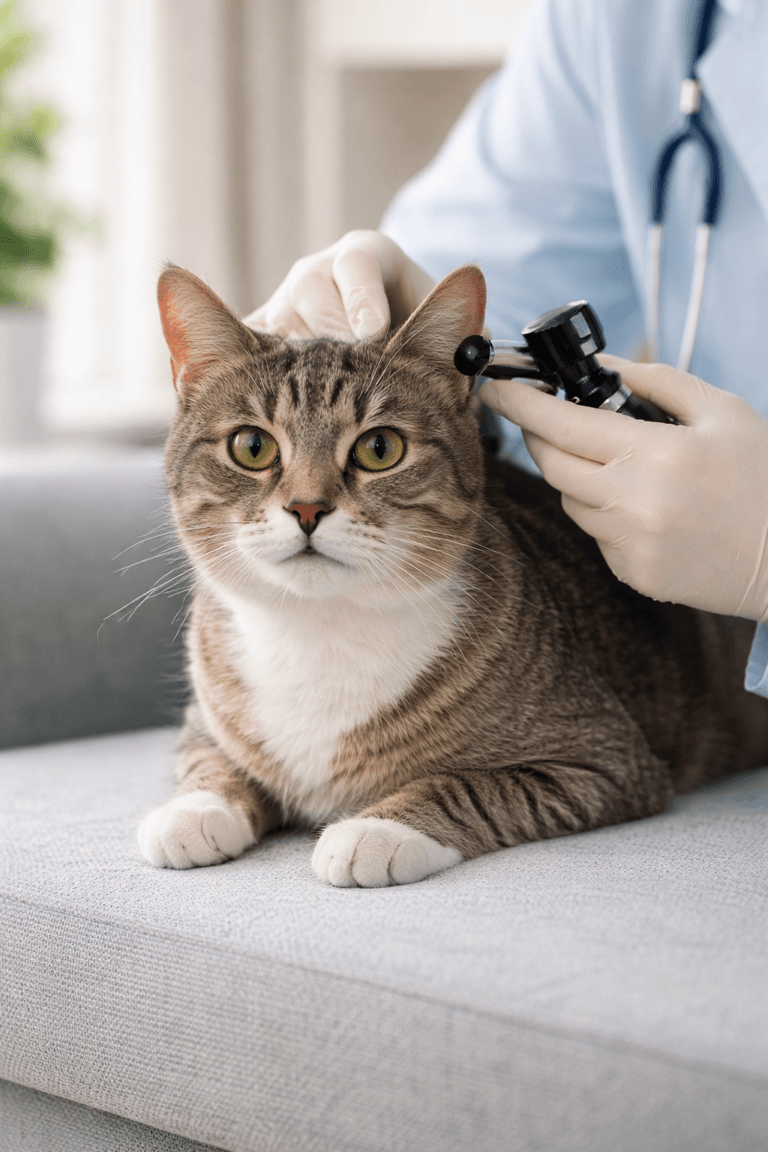
On examination we often find dehydration, abdominal pain, and lethargy.
Some cats have a tense, “guarded” belly or may growl when the upper abdomen is gently palpated.
2. Routine blood tests
Standard blood tests (biochemistry and complete blood count) don’t “prove” pancreatitis,
but they help us understand how sick the cat is and rule out other diseases. We may see:
- Changes in liver values
- Electrolyte disturbances from vomiting and dehydration
- Elevated inflammatory markers
- High or low blood sugar, especially if diabetes is involved
3. Pancreas-specific blood test (spec fPL or similar)
Many clinics (including ours) use a pancreatic lipase immunoreactivity test –
often called spec fPL or similar. This test is more specific for pancreatic inflammation in cats.
A positive result supports the diagnosis, but it still has to be interpreted along with the cat’s symptoms and other findings.
4. Abdominal ultrasound
Ultrasound is extremely useful. An experienced ultrasonographer may see:
- Enlarged or irregular pancreas
- Changes in the fat around the pancreas (suggesting inflammation)
- Fluid accumulation in the abdomen
- Other problems such as liver disease, gall bladder issues, or intestinal thickening
In tricky cases, we sometimes repeat ultrasound during the cat’s treatment
to monitor changes or look for complications.
5. Additional tests when needed
In more complex patients, your vet might also recommend:
- Urine tests – to check kidney function and hydration.
- Vitamin B12 (cobalamin) levels – often low in chronic pancreatic or intestinal disease.
- Tests for infectious diseases – in younger cats or those with risk factors.
The goal is always to answer two key questions:
- Is pancreatitis present?
- How severely is the rest of the body affected?
Treatment for Pancreatitis in Cats
Treatment depends on how sick your cat is.
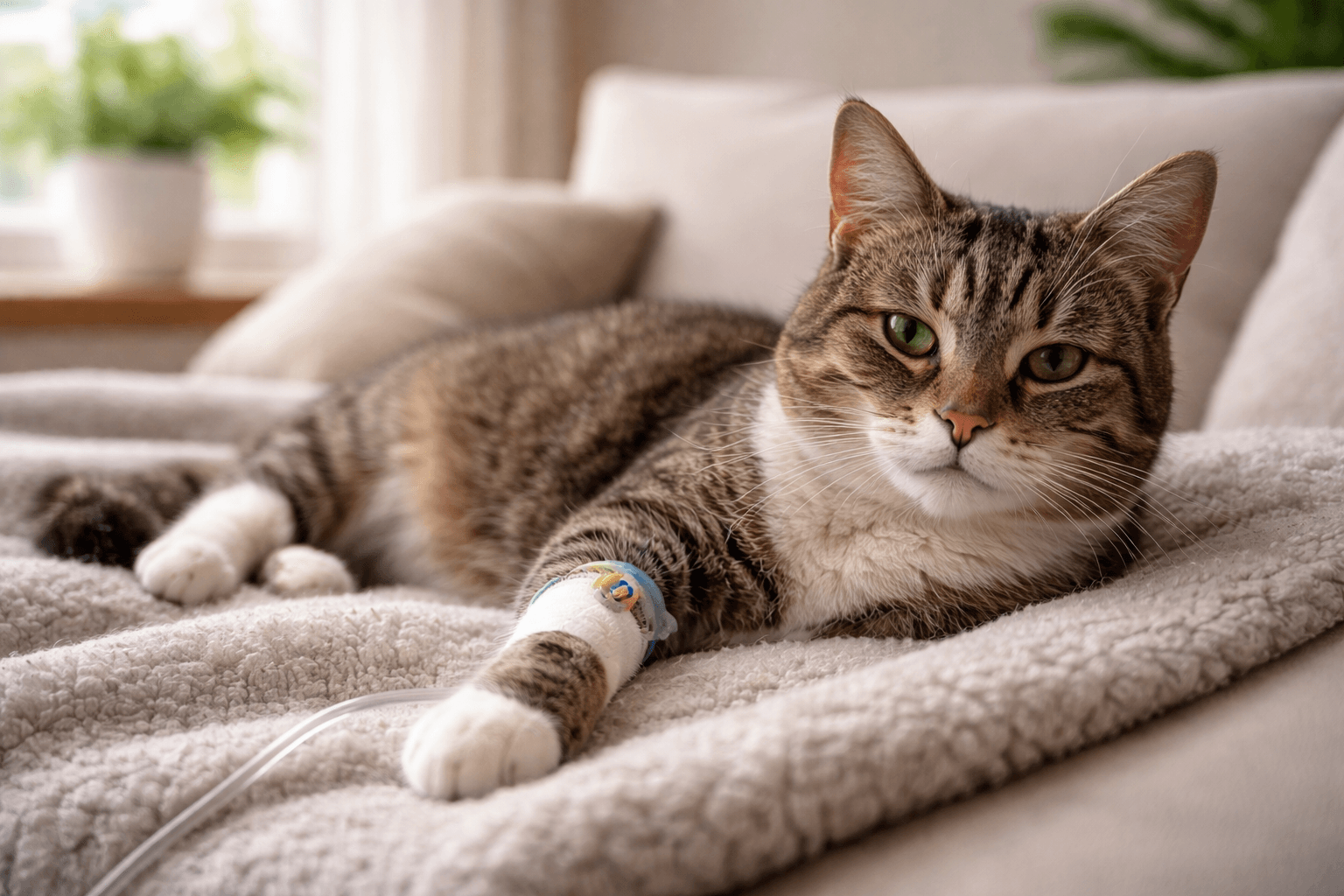
Many patients with pancreatitis need hospitalisation for at least 24–72 hours,
especially if they are vomiting, dehydrated or very painful.
Core treatment goals
- Stabilise the cat: correct dehydration and electrolyte imbalances with intravenous (IV) fluids.
- Control pain: pancreatitis is painful. We use vet-prescribed pain relief injections or infusions.
- Stop vomiting and nausea: anti-nausea and anti-vomiting medication helps cats feel comfortable enough to eat.
- Support nutrition: modern guidelines encourage us to start feeding early if the cat can tolerate it.
- Treat any underlying disease: such as diabetes, liver disease or infection.
Medications commonly used
(Exact choices depend on your vet’s judgement and your cat’s tests.)
- Pain relief (opioids, other analgesics safe for cats)
- Antiemetics (anti-nausea drugs) such as maropitant
- Gastro-protectants to soothe the stomach and intestines
- Antibiotics only if there is evidence of infection or specific risk factors
- Vitamin B12 injections in chronic cases or if blood tests show deficiency
Feeding and diet during treatment
Once vomiting is controlled, your vet will usually want to restart feeding as soon as possible.
This may be:
- A highly digestible, moderate-fat wet food
- A prescription gastrointestinal or low-fat diet
- Assisted feeding by syringe or feeding tube in more severe cases
In human medicine, strict “nil by mouth” fasting used to be common, but in many cat cases
early gentle feeding actually helps recovery.
Home Care and Recovery After Pancreatitis
When your cat is stable and eating, your vet may allow them to continue their recovery at home.
This stage is just as important as the hospital stay.
What home care usually involves
-
Medications at home: continue pain relief, anti-nausea medication, supplements
or other drugs exactly as prescribed. -
Diet: most cats are sent home on a
easily digestible, moderate-fat or low-fat diet.
Avoid treats, table scraps and sudden diet changes. -
Feeding style: offer small, frequent meals.
Many cats do better with 4–6 little meals instead of two large ones. -
Hydration: encourage drinking with fresh water bowls or a cat fountain.
Wet food is usually better than dry during recovery. - Rest: provide a quiet, comfortable space away from children and other pets.
Signs your cat is improving
- Appetite returning and becoming more consistent
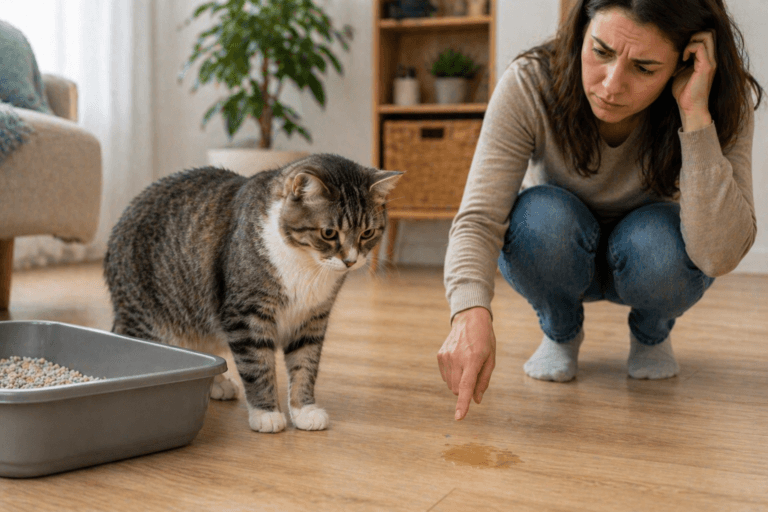
- More normal interaction – grooming, exploring, using the litter tray regularly
- Reduced vomiting (or none at all)
- Steady or slowly increasing body weight
When to call your vet again
- Your cat stops eating again for more than 24 hours
- Vomiting returns or becomes frequent
- They seem painful, very quiet, or start hiding again
- You are unable to give medicines or your cat spits them out repeatedly
Prognosis: Can Cats Recover from Pancreatitis?
The outlook for a cat with pancreatitis depends on:
- How severe the episode is when treatment starts
- Whether other organs are affected (liver, intestines, kidneys, blood clotting system)
- Any underlying diseases such as diabetes or IBD
- How quickly treatment is started
In my own practice, many cats with mild to moderate pancreatitis do very well with
appropriate hospital care and careful follow-up at home. Some will experience
occasional flare-ups and may need a special diet or intermittent medication long-term.
Cats with severe, complicated pancreatitis (for example, those that develop shock,
blood clotting problems, or multiple organ failure) have a more guarded prognosis.
This is why early veterinary attention is critical.
Can pancreatitis be prevented?
You can’t prevent every case, but you can reduce risk by:
- Keeping your cat at a healthy weight – avoiding obesity
- Avoiding very fatty foods and table scraps
- Sticking to a consistent, high-quality diet instead of frequent changes
- Keeping up with regular vet check-ups and recommended blood tests in older cats
- Managing other conditions (like diabetes or IBD) closely with your vet
Pancreatitis in Cats – FAQs
Can pancreatitis in cats go away on its own?
Mild cases might temporarily improve on their own, but you can’t tell at home
whether your cat’s pancreatitis is mild or life-threatening.
Because dehydration, pain and complications can develop quickly,
you should never wait without veterinary advice.
Is there any safe home remedy for pancreatitis in cats?
Unfortunately, no. Home remedies, human painkillers or random supplements
can actually make things worse or be toxic. The safest “home step” is to
book an urgent vet appointment and follow the treatment plan you are given.
What should I feed a cat recovering from pancreatitis?
Follow your vet’s specific recommendation. Generally we choose a
highly digestible wet food with moderate or low fat.
Offer small frequent meals and avoid treats, rich foods, and sudden changes
until your cat is stable long-term.
Is pancreatitis in cats painful?
Yes. Pancreatitis is believed to be quite painful,
which is why appropriate pain relief is a central part of treatment.
Cats often hide their pain, so don’t rely on loud crying or obvious limping to judge their discomfort.
Can pancreatitis lead to diabetes in cats?
The pancreas is involved in insulin production, so long-term pancreatic damage
can contribute to diabetes mellitus in some cats.
Regular follow-up blood and urine tests after a pancreatitis episode help us monitor for this complication.



4 Comments