Vet-reviewed bird care guide
Birds are some of the most intelligent, social, emotional, and rewarding pets in the world. Whether you are caring for a small budgie, a gentle cockatiel, a playful conure, an intelligent African Grey, or a majestic macaw, proper care makes the difference between a stressed bird and a healthy, long-lived companion.
This bird care guide explains the most important parts of pet bird ownership: bird species profiles, bird diet and nutrition, cage setup, enrichment, behavior, training, grooming, safety, and early signs of illness. It is written for new and experienced bird owners who want a practical, veterinarian-guided approach to daily bird care.
Quick takeaway: Most pet bird health problems are linked to poor diet, small cages, lack of enrichment, unsafe household exposure, or delayed veterinary care. A healthy bird needs a balanced diet, daily interaction, a safe cage setup, clean air, mental stimulation, and early attention when behavior, appetite, breathing, or droppings change.
Last updated: June 2026 — reviewed for bird species selection, diet, cage setup, behavior, grooming, safety, and common pet bird health warning signs.
Bird care guide: Bird Wellness Checklist
- Choose a bird species that matches your home, time, noise tolerance, and experience level.
- Feed a balanced diet based on pellets, vegetables, limited fruit, and only small seed portions.
- Use a spacious cage with natural perches, safe toys, food bowls, water, and daily cleaning.
- Allow supervised out-of-cage time and daily social interaction.
- Watch for early illness signs such as fluffed feathers, reduced appetite, sitting at the cage bottom, tail bobbing, or watery droppings.
- Keep birds away from kitchen fumes, smoke, aerosols, scented candles, ceiling fans, and toxic plants.
Bird care guide: Popular Bird Species Profiles: Choosing the Right Pet Bird
Not all birds suit all homes. Some birds are quiet and beginner-friendly, while others are loud, demanding, highly intelligent, and long-lived. Choosing the right bird should be based on lifespan, space, noise level, social needs, diet, grooming, and the owner’s ability to provide daily care.
Bird care guide: 1. Budgerigars / Budgies
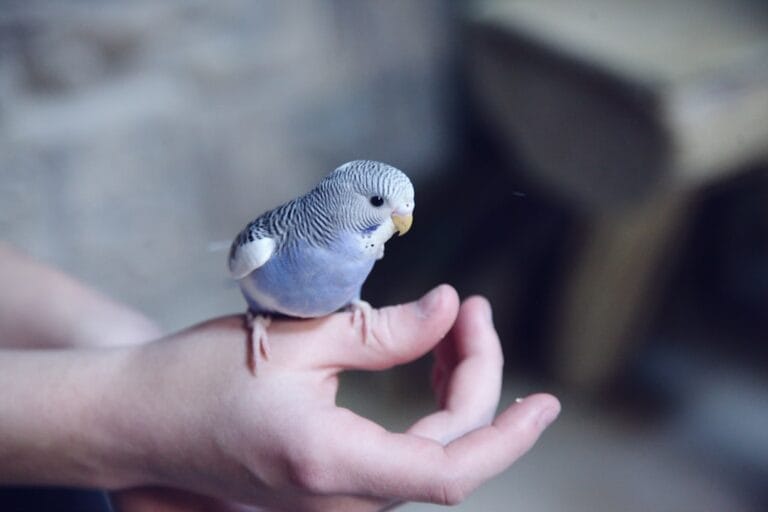
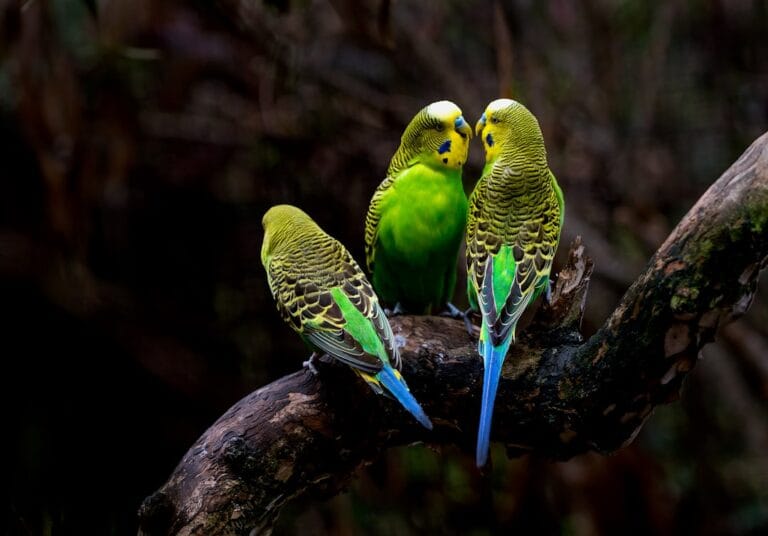
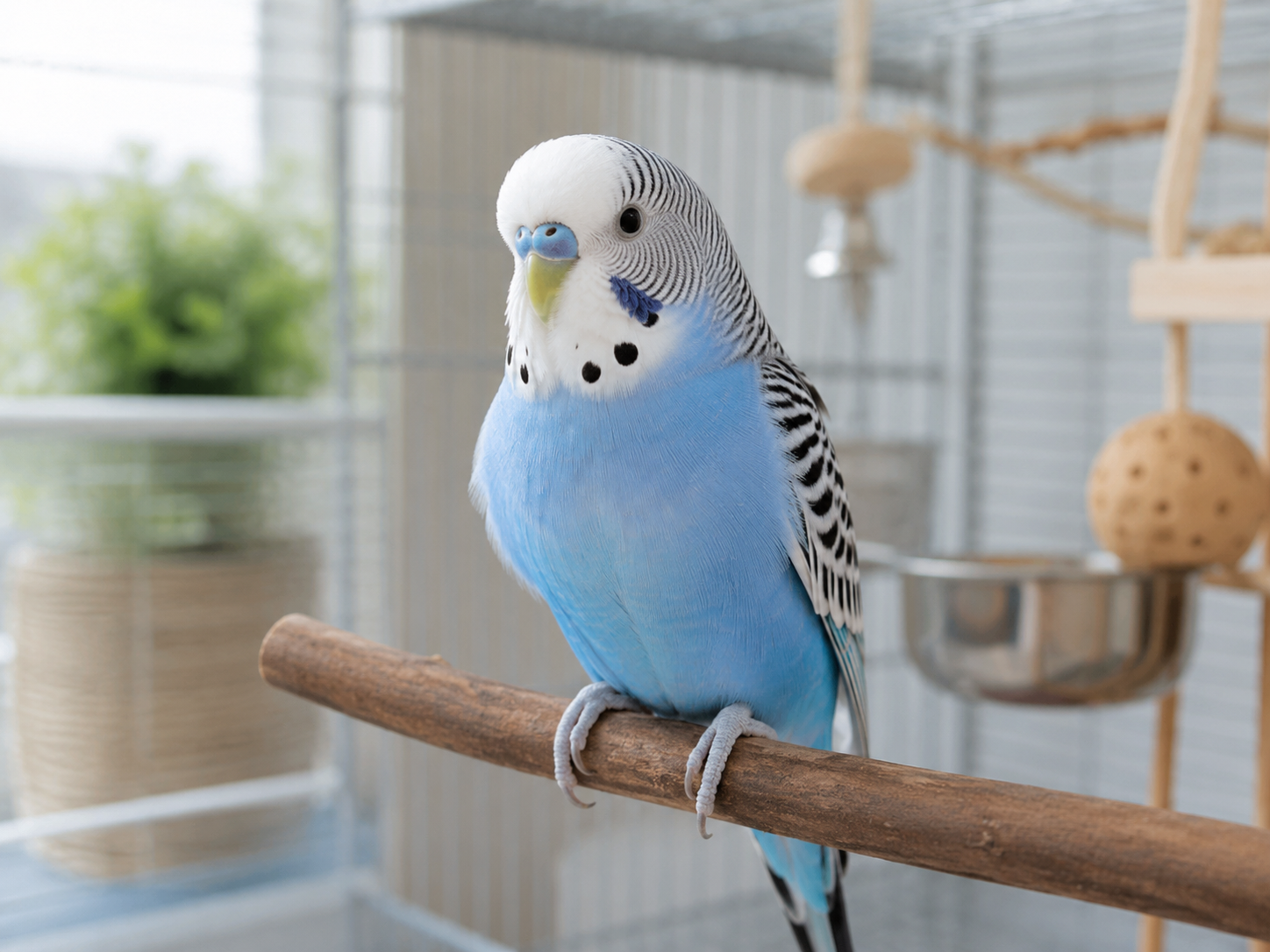
Budgies are among the most popular pet birds worldwide. They are small, active, social, and often suitable for beginners when owners provide proper cage setup, diet, and daily interaction. Budgies can learn sounds, bond with people, enjoy toys, and respond well to gentle training. Their average lifespan is commonly around 8–12 years, but excellent care can help some live longer.
2. Cockatiels
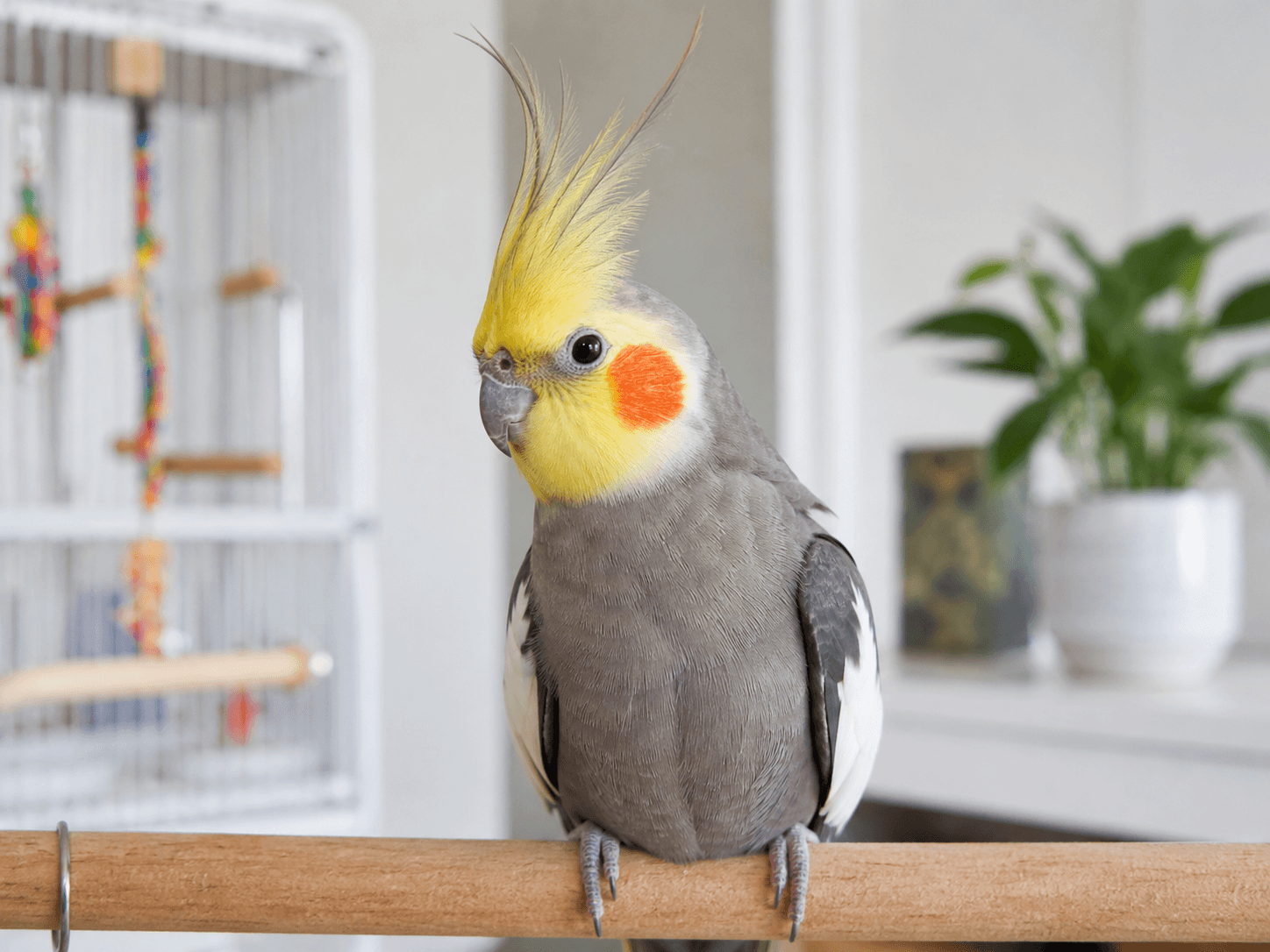
Cockatiels are affectionate parrots known for their gentle nature, whistling ability, expressive crest, and strong bond with owners. They often enjoy shoulder time, head scratches, and routine interaction. Cockatiels can live 12–20 years with good care. They need a cage large enough for movement, safe perches, regular bathing, and a diet that avoids excessive seeds.
3. Conures
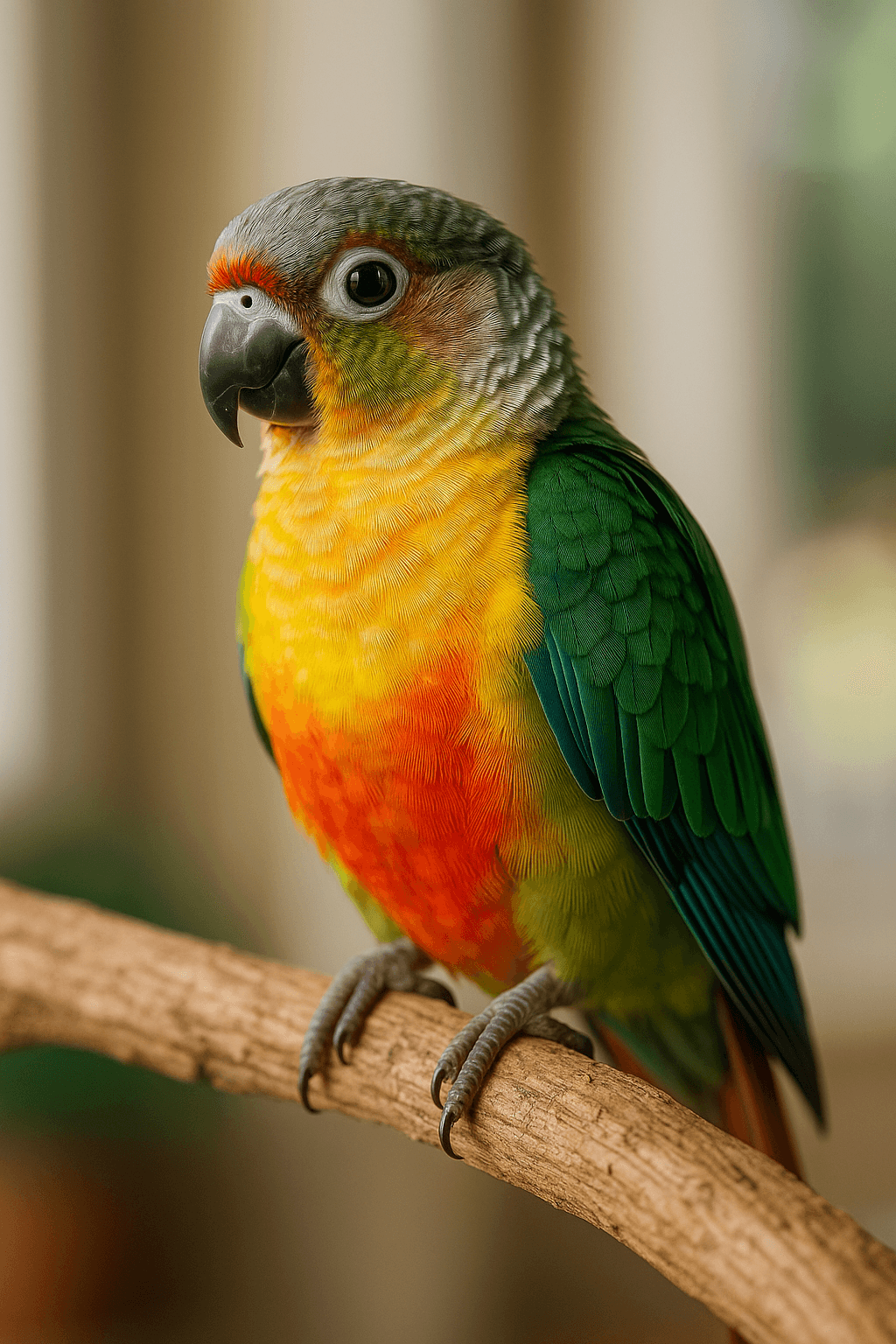
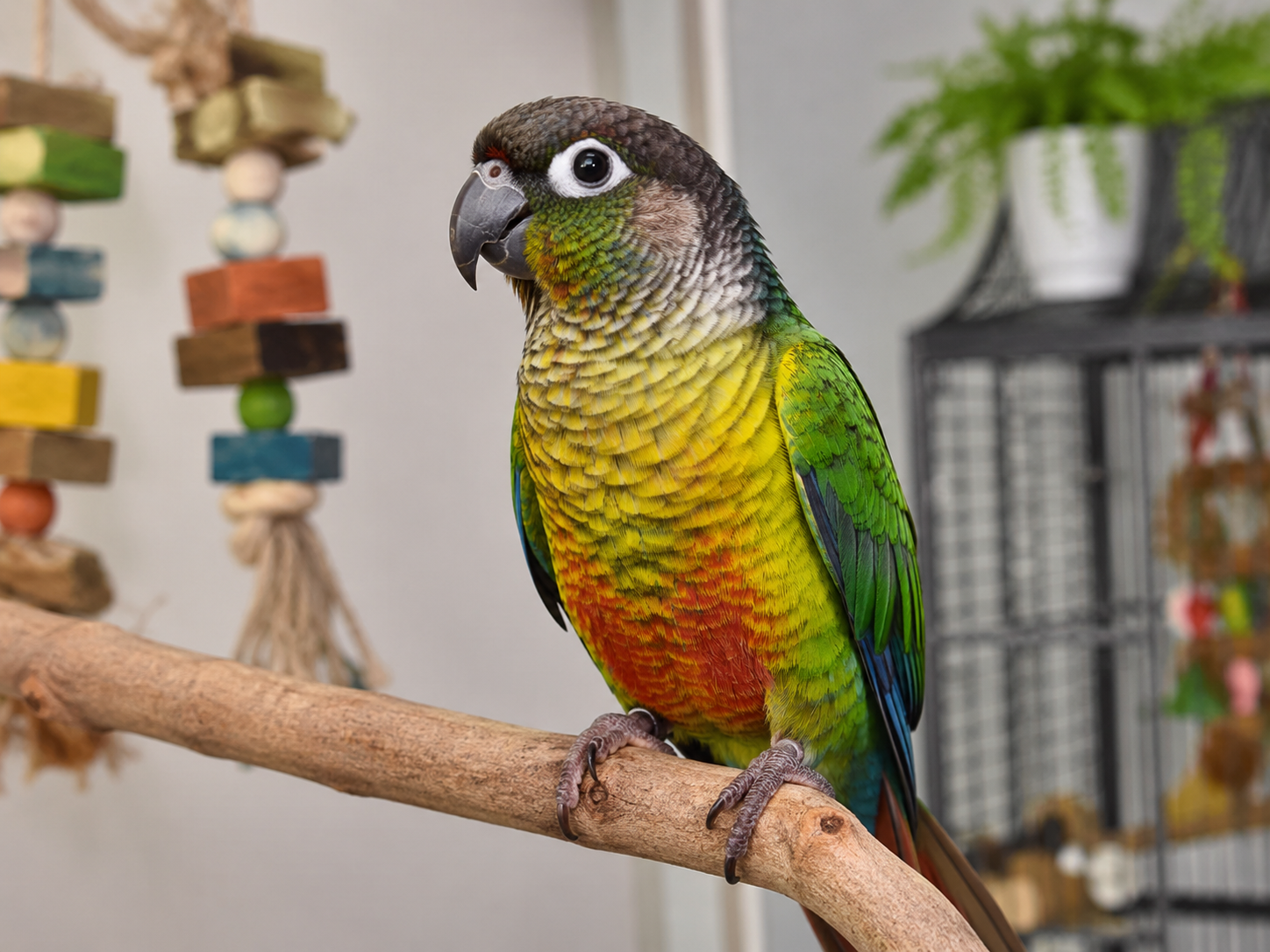
Conures are colorful, energetic, playful parrots. They are intelligent and social, but they can also be noisy and demanding. Conures usually do best in homes where they receive daily attention, supervised playtime, foraging toys, and consistent training. They may not be ideal for owners who need a very quiet pet bird.
4. African Grey Parrots
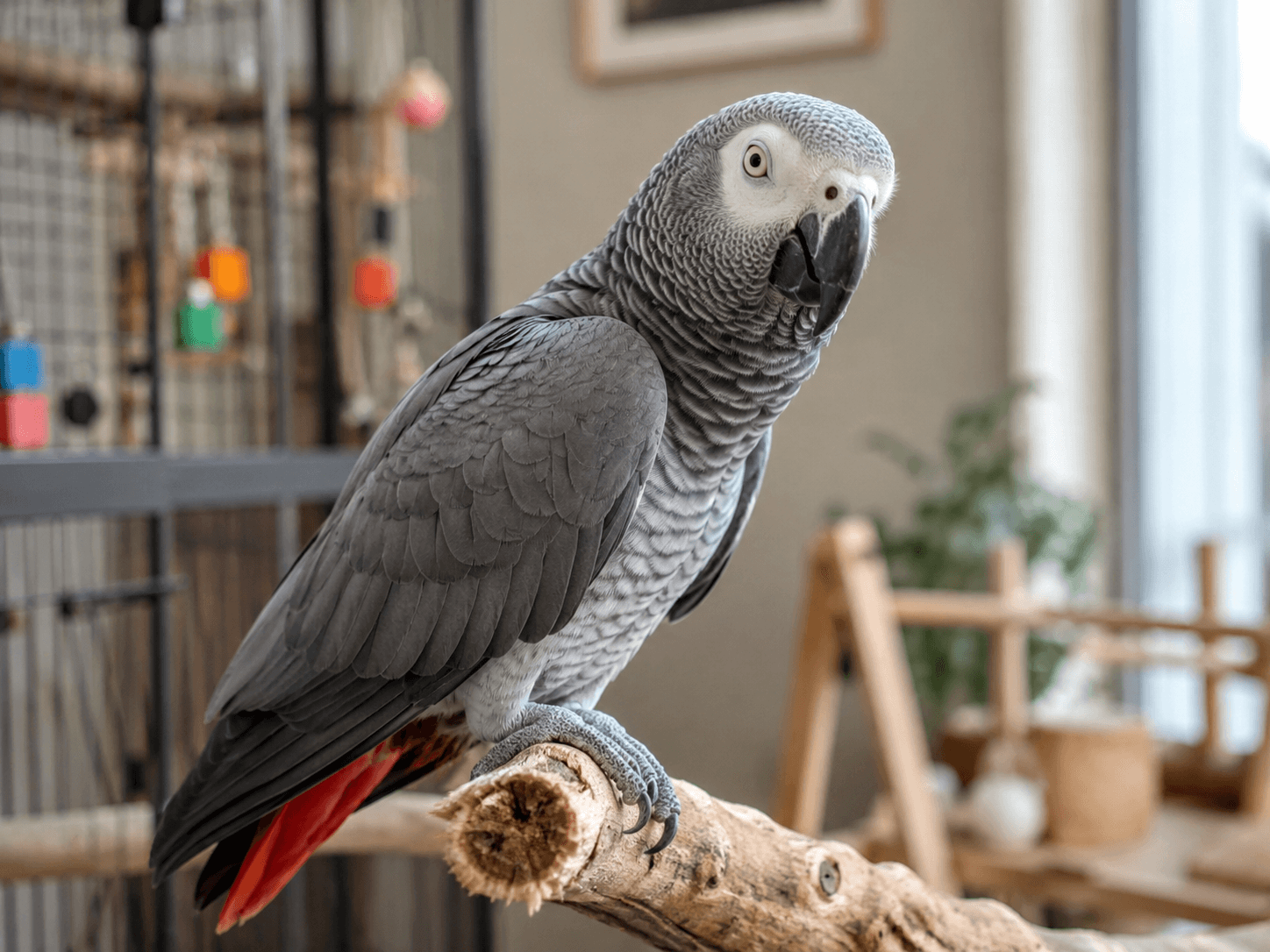
African Grey parrots are famous for intelligence, problem-solving ability, vocal learning, and emotional sensitivity. They are not simple “talking birds.” They need experienced owners who understand enrichment, social stability, routine, training, and emotional care. Without enough mental stimulation, African Greys may develop anxiety, feather plucking, fearfulness, or stress behaviors.
5. Macaws
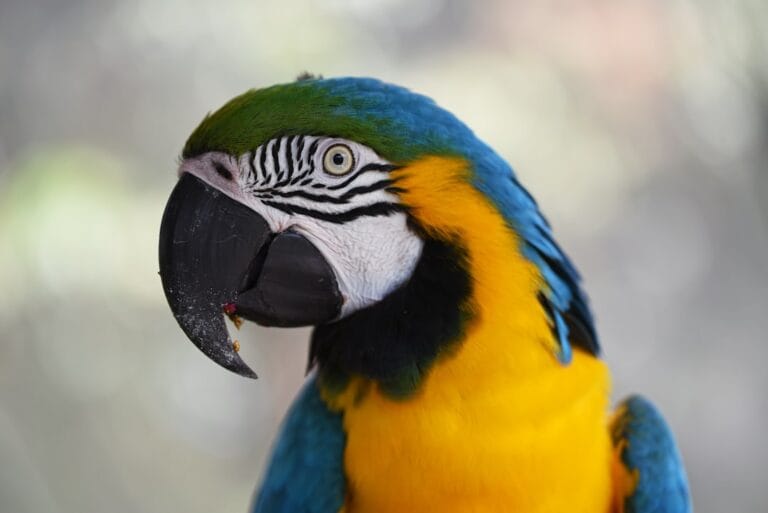
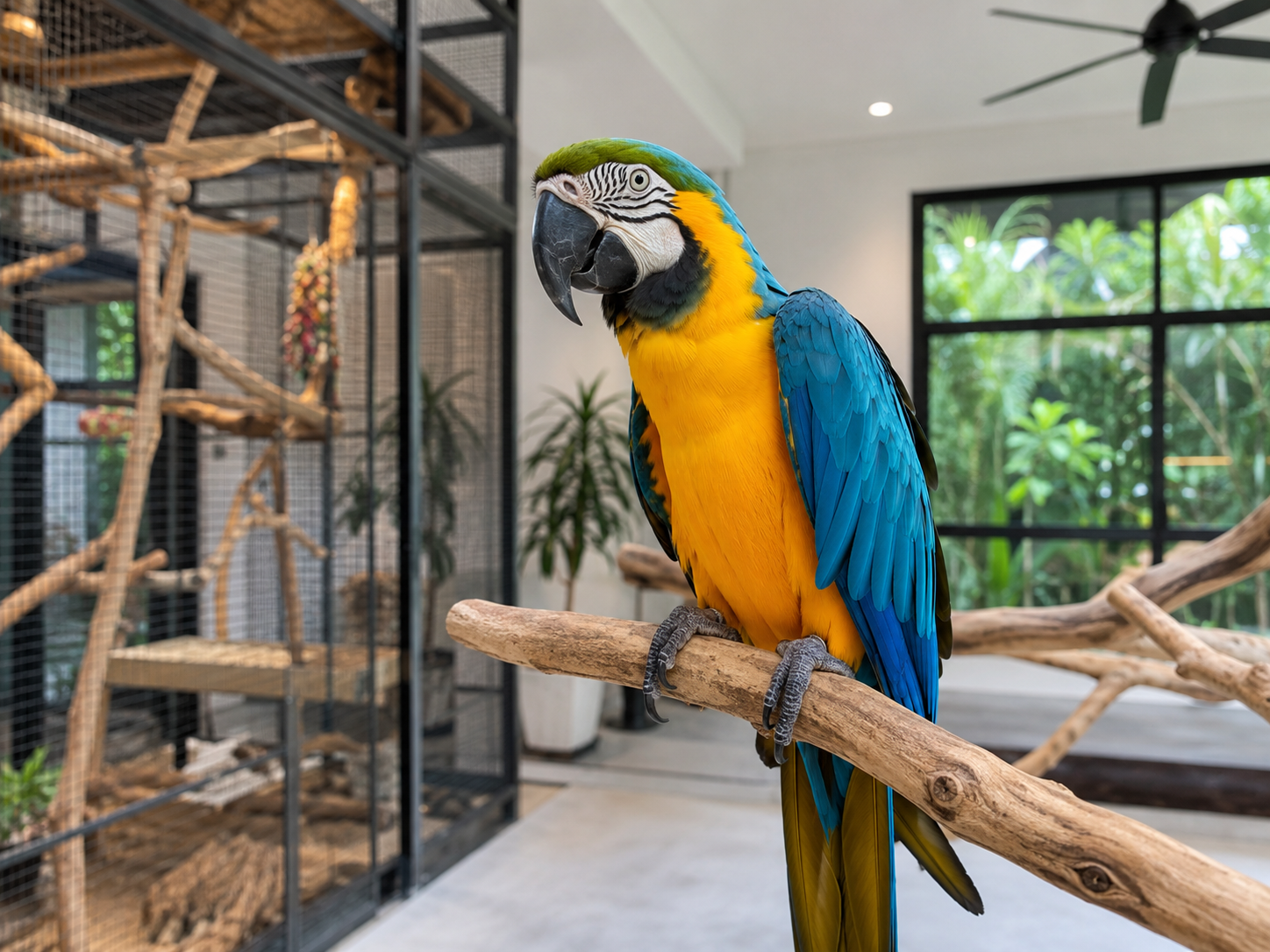
Macaws are large, powerful, long-lived parrots with bold personalities. They can live for decades and require large spaces, strong perches, safe toys, a carefully planned diet, and experienced handling. Macaws are beautiful, but they are not low-maintenance pets. Their long lifespan means ownership is a serious long-term commitment.
| Bird Type | Best For | Care Level | Important Notes |
|---|---|---|---|
| Budgie | Beginners, small homes | Easy to moderate | Needs companionship, toys, and diet control. |
| Cockatiel | Families and gentle handlers | Moderate | Affectionate, social, and prone to obesity on seed-heavy diets. |
| Conure | Active homes | Moderate to advanced | Playful but often noisy; needs daily stimulation. |
| African Grey | Experienced bird owners | Advanced | Highly intelligent and emotionally sensitive. |
| Macaw | Expert, committed owners | Advanced | Needs large space, strong enrichment, and lifelong planning. |
Bird care guide: Bird Diet and Nutrition: What Should Pet Birds Eat?
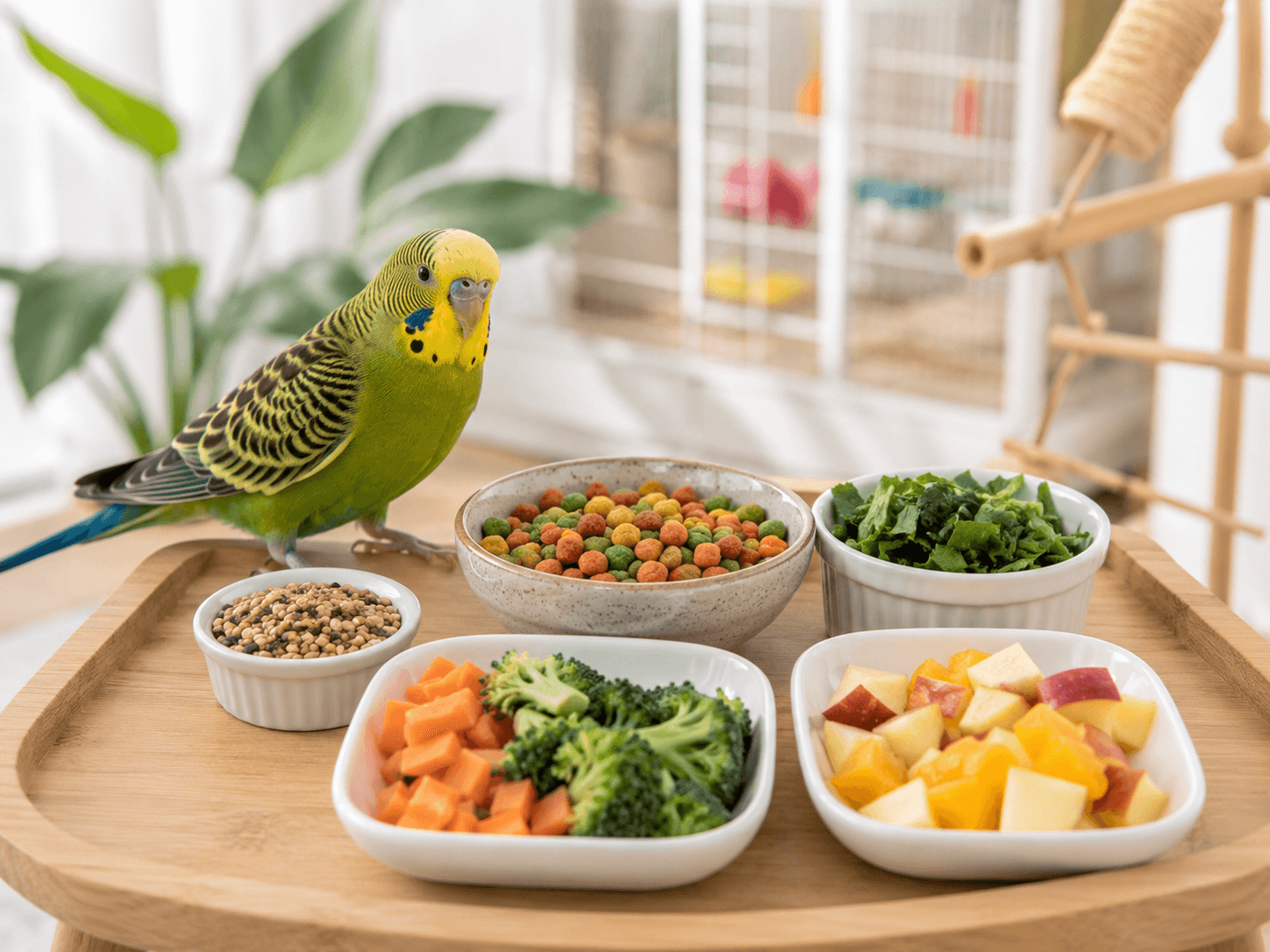
Proper bird diet and nutrition is one of the most important parts of bird care. Many pet birds are still fed mostly seeds, but seed-heavy diets are commonly linked with obesity, vitamin deficiencies, poor feather quality, liver problems, and shorter lifespan. A healthier diet usually includes formulated pellets, fresh vegetables, limited fruit, and only a small amount of seeds.
Recommended Daily Bird Diet
- Pellets: Often 50–70% of the diet for many parrots, depending on species and veterinary advice.
- Vegetables: Leafy greens, broccoli, carrots, peas, bell pepper, and other safe vegetables.
- Fruits: Small portions only, because many fruits are high in sugar.
- Seeds and nuts: Use in limited amounts, mainly as training rewards or species-appropriate supplements.
- Fresh water: Change daily, and more often if contaminated with food or droppings.
Toxic and Unsafe Foods for Birds
Some foods that seem harmless to humans can be dangerous to birds. Avoid:
- Avocado
- Chocolate
- Caffeine
- Alcohol
- Onion and garlic
- Very salty or fatty snacks
- Moldy food
- Fruit seeds/pits from unsafe fruits
- Unverified supplements or human medicines
Bird care guide: Seed-Only Diet Warning
A seed-only diet is one of the most common long-term mistakes in pet bird care. Seeds are often high in fat and low in several important nutrients. Birds may love seeds, but liking a food does not mean it is balanced. Diet changes should be gradual, because sudden diet changes can cause stress or refusal to eat.
Bird care guide: Bird Cage Setup and Environment
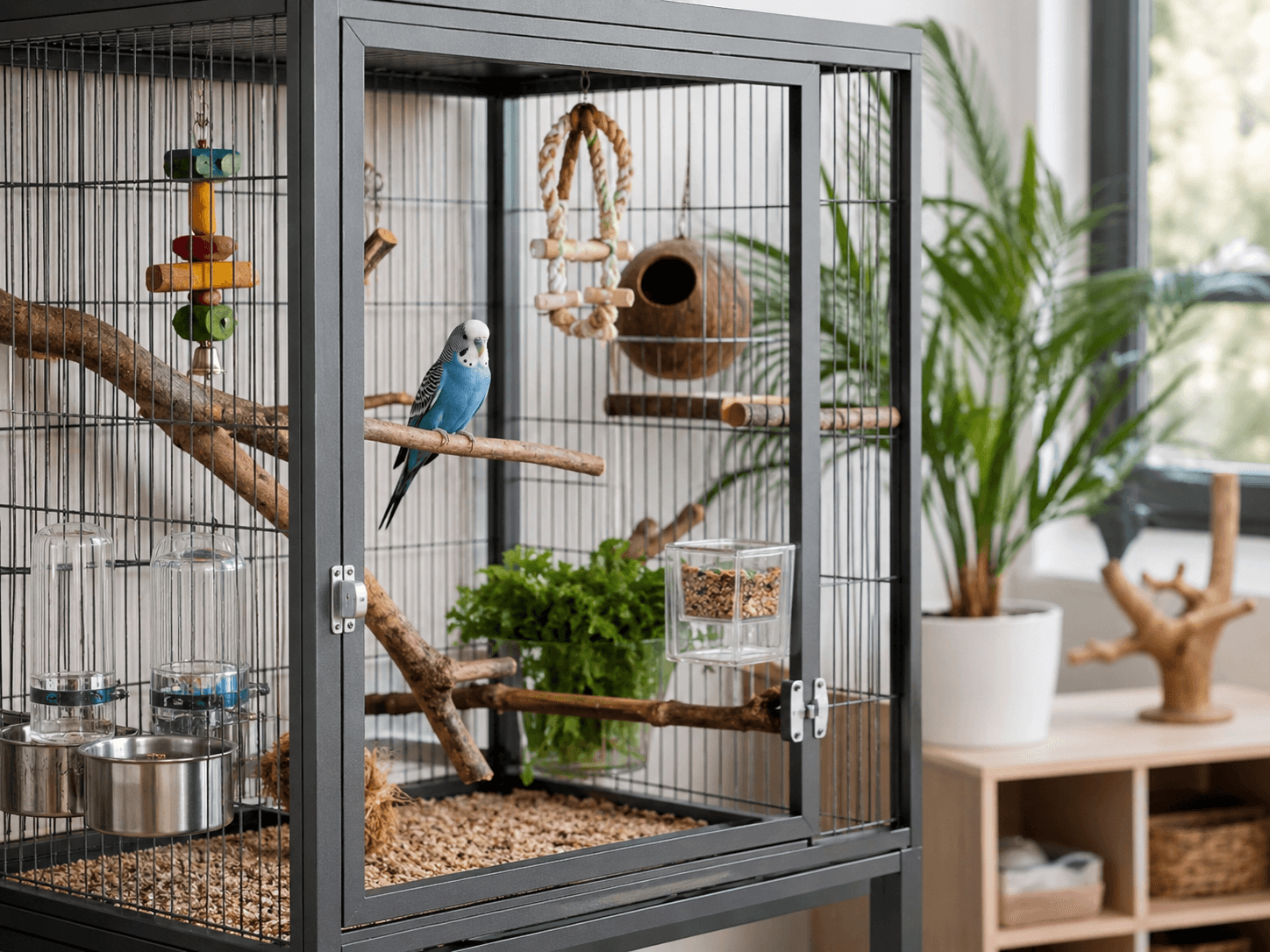
Your bird’s cage is not just a container; it is the bird’s home, sleeping area, feeding station, exercise space, and security zone. A poor cage setup can cause stress, boredom, feather damage, obesity, and behavioral problems.
Important Cage Setup Rules
- Choose the largest safe cage you can reasonably provide.
- Use horizontal space for flight and movement, not just height.
- Provide different perch sizes and textures to support foot health.
- Avoid sandpaper perch covers because they can irritate feet.
- Place food and water away from droppings.
- Use safe toys that encourage chewing, climbing, foraging, and problem-solving.
- Clean food bowls daily and remove spoiled fresh food quickly.
Basic Cage Size Guidance
Minimum cage sizes vary by species, but bigger is usually better when the bar spacing is safe. The bird should be able to stretch both wings fully, move between perches, climb, play, and rest without touching feathers against the cage sides.
| Bird Size | Examples | Housing Notes |
|---|---|---|
| Small birds | Budgies, finches, canaries | Need flight space, safe bar spacing, and companion/social enrichment. |
| Medium parrots | Cockatiels, conures | Need larger cages, daily out-of-cage time, and chewing toys. |
| Large parrots | African Greys, Amazons, macaws | Need strong cages, large perches, heavy-duty toys, and expert handling. |
Bird care guide: Pet Bird Behavior: Communication, Bonding and Stress
Birds communicate through posture, feathers, vocalization, appetite, play, eye movement, and body language. Understanding pet bird behavior helps owners respond calmly and avoid accidental stress.
Normal Bird Behaviors
- Chirping and singing: Often communication, comfort, or attention-seeking.
- Beak grinding: Often a relaxed behavior before sleep.
- Preening: Normal feather care when not excessive.
- Foraging: Searching for food is healthy mental stimulation.
- Tail movement: May show excitement, greeting, or breathing effort depending on context.
Stress or Problem Behaviors
- Feather plucking or over-preening
- Sudden biting
- Excessive screaming
- Pacing repeatedly
- Fear of hands or cage aggression
- Loss of interest in toys or people
Stress behaviors may come from boredom, poor sleep, small cages, lack of routine, hormonal triggers, poor diet, pain, or illness. Never punish a bird for fear-based behavior. Instead, improve the environment and use gentle training.
Bird care guide: Common Bird Health Problems and Warning Signs
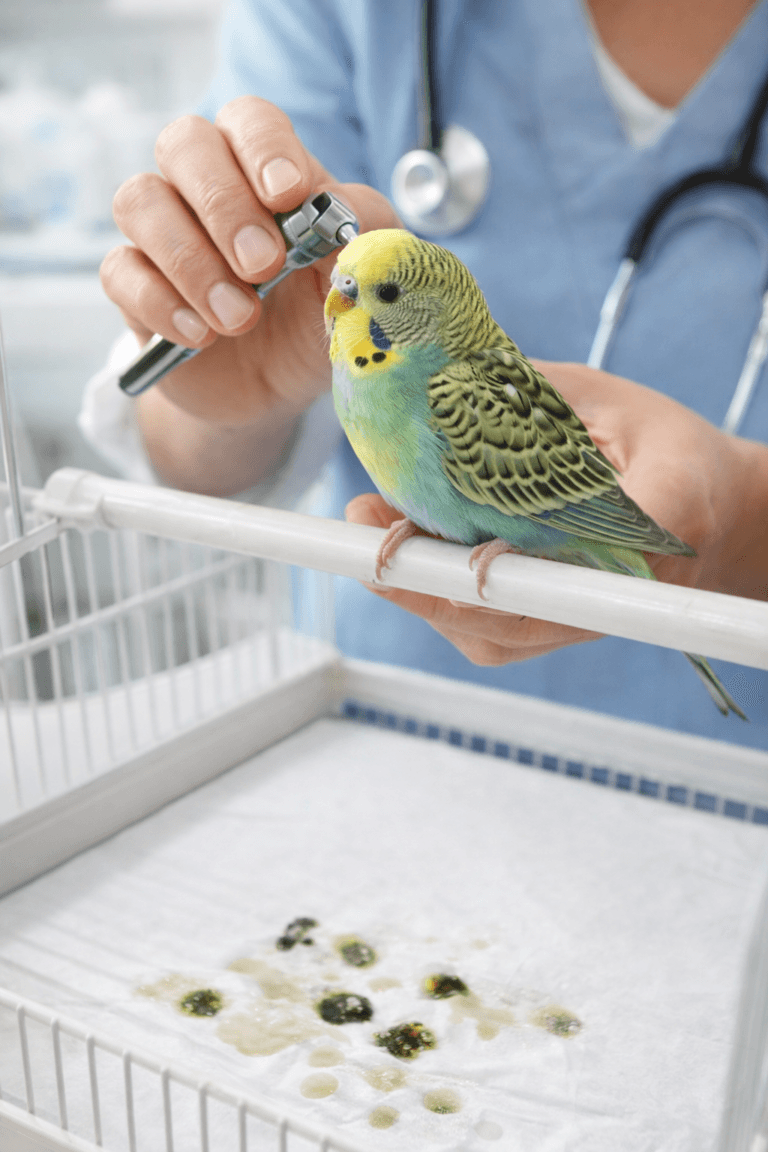
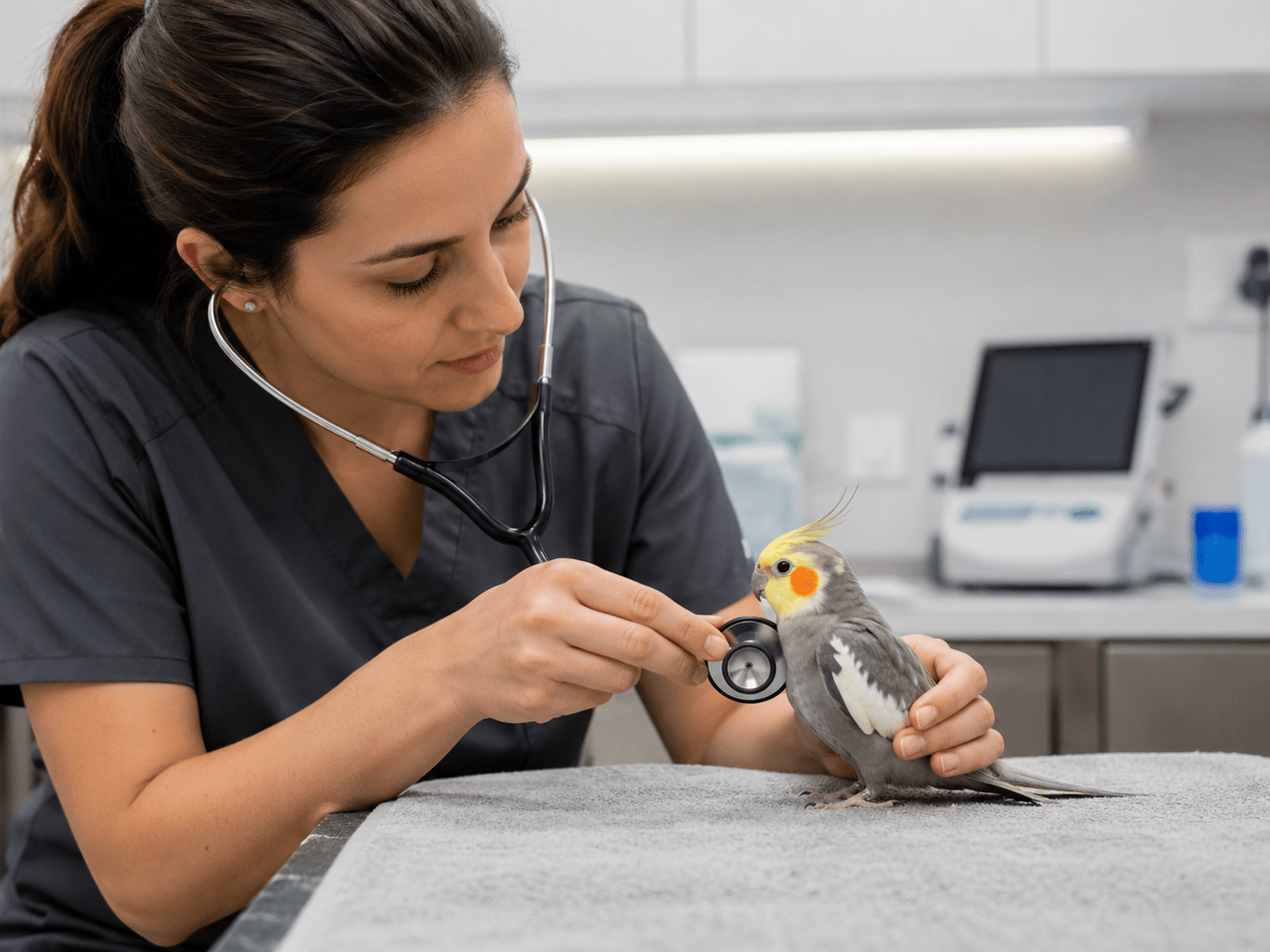
Birds often hide illness until they are quite sick. In the wild, a visibly sick bird is vulnerable, so pet birds may appear normal even when disease is developing. This is why owners must watch subtle changes in droppings, breathing, appetite, posture, and behavior.
Common Pet Bird Health Problems
- Respiratory infections: Sneezing, discharge, tail bobbing, open-mouth breathing, or noisy breathing.
- Nutritional deficiencies: Poor feather quality, weakness, beak problems, egg-laying problems, or bone issues.
- Obesity: Common in birds on seed-heavy diets with limited exercise.
- Feather plucking: May be linked to stress, skin disease, pain, parasites, hormones, or poor environment.
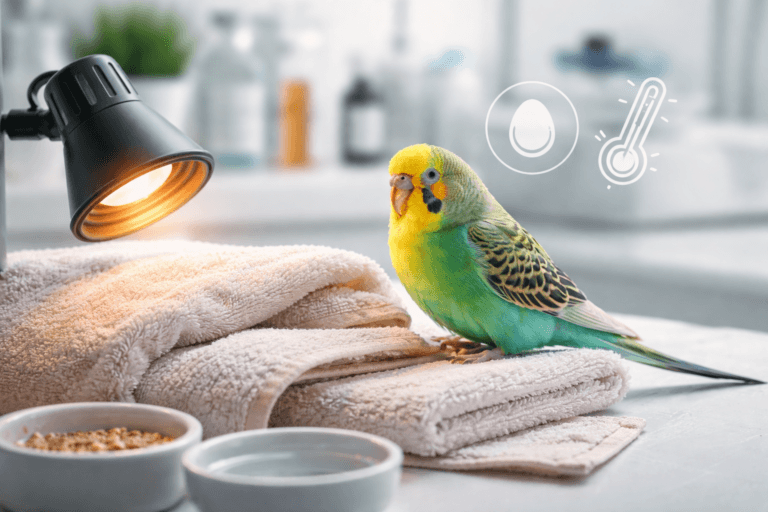
- Egg binding: A serious emergency in female birds that cannot pass an egg normally.
- Digestive problems: Vomiting, appetite loss, undigested food, or abnormal droppings.
Emergency Warning Signs in Birds
- Sitting at the cage bottom
- Fluffed-up feathers for long periods
- Open-mouth breathing or tail bobbing
- Loss of appetite
- Weak grip or falling from perch
- Watery, bloody, black, or very abnormal droppings
- Swollen abdomen or straining in female birds
- Sudden quietness, weakness, or collapse
If your bird shows these signs, do not wait. Birds can deteriorate quickly and need veterinary attention as early as possible.
For budgie-specific warning signs, read our Budgie Fluffed Up and Sick Signs guide. If your budgie has watery droppings, our Budgie Diarrhea guide may also help.
Worried About Your Bird’s Health?
If your bird is fluffed up, weak, not eating, breathing differently, sitting at the cage bottom, or passing abnormal droppings, early guidance matters. You can discuss your bird’s signs, diet, cage setup, droppings, and behavior through our online vet consultation.
Bird Grooming: Wings, Nails, Beak and Bathing
Bird grooming should be gentle, safe, and species-appropriate. Over-grooming or incorrect handling can injure feathers, skin, beak, nails, or wings.
Wing Clipping
Wing clipping is optional and should be performed only by someone trained. Some owners choose it to reduce crash injuries, while others prefer safe flight in a controlled room. A poor clip can cause falls, fear, broken feathers, and loss of confidence.
Nail Trimming
Overgrown nails can cause pain, poor grip, and difficulty perching. Natural perches of different diameters can help, but many pet birds still need occasional nail trimming.
Beak Care
A healthy beak should not overgrow, crack, or deform. Beak problems can be linked to nutrition, liver disease, trauma, infection, or lack of chewing opportunities. Do not trim a bird’s beak at home unless trained by an avian professional.
Bathing
Many birds enjoy misting, shallow bathing dishes, or supervised bathing opportunities. Bathing helps feather condition and reduces dust. Avoid cold drafts after bathing.
Bird Training and Socialization
Training improves trust, reduces fear, and gives birds mental exercise. Bird training should be calm, short, and reward-based. Never use fear, shouting, punishment, or forced handling.
Useful Training Goals
- Step-up command: Helps with safe handling and movement.
- Target training: Encourages focus and gentle cooperation.
- Recall training: Useful for birds allowed safe indoor flight.
- Carrier training: Makes vet visits less stressful.
- Foraging games: Prevent boredom and encourage natural behavior.
Training should be part of daily life, not a one-time activity. Even a few minutes of positive interaction can improve bonding and reduce behavioral stress.
Bird Safety Tips: Household Dangers Every Owner Should Know
Birds have sensitive respiratory systems and can be harmed by fumes, smoke, aerosols, and unsafe household items. Many accidents happen because owners do not realize how delicate birds are.
Common Household Dangers for Birds
- Non-stick cookware fumes and overheated Teflon/PTFE surfaces
- Smoke, incense, scented candles, perfumes, and aerosols
- Ceiling fans, open windows, mirrors, and uncovered glass doors
- Unsupervised interaction with cats, dogs, or young children
- Electric wires, toxic plants, small objects, and unsafe toys
- Kitchen access during cooking
- Dirty water bowls, moldy food, or unclean cage floors
Important: Birds and Kitchen Fumes
Birds should not be kept in or near the kitchen. Fumes from overheated non-stick cookware, smoke, burnt food, sprays, and strong odors can be dangerous. Place your bird’s cage in a clean, well-ventilated room away from cooking fumes and aerosols.
Bird Care FAQs
1. What do pet birds eat?
Most pet birds need a balanced diet made from quality pellets, fresh vegetables, limited fruit, and small amounts of seeds or nuts depending on species. Seed-only diets are not recommended for most pet birds.
2. How big should a bird cage be?
The cage should be large enough for the bird to stretch both wings, move comfortably, climb, play, and rest. Bigger is usually better when bar spacing is safe for the species.
3. How often should birds bathe?
Many birds benefit from bathing or misting 2–3 times weekly, but preference varies. Always avoid cold drafts after bathing.
4. Why is my bird fluffed up?
Birds may fluff feathers when relaxed or cold, but staying fluffed up with low energy, poor appetite, or sitting at the cage bottom can be a sign of illness.
5. Are seeds bad for birds?
Seeds are not always bad, but too many seeds can create an unbalanced, high-fat diet. Seeds should usually be limited and used as treats or training rewards.
6. Do birds need toys?
Yes. Toys, foraging activities, chewing materials, and climbing options are important for mental health and natural behavior.
7. When should I take my bird to a vet?
Take your bird to a vet if it is weak, not eating, breathing abnormally, sitting at the cage bottom, losing weight, passing abnormal droppings, plucking feathers, or acting unusually quiet.
By Dr. Zahid Afzal, DVM
For information about this guide and its sources, see Dr Zahid Afzal’s author information. This educational article does not replace an examination, diagnosis or individual treatment plan.
Related Bird and Pet Care Guides
Veterinary Disclaimer
This article is for educational purposes only and does not replace a physical examination by an avian veterinarian. Birds can hide illness and may become critical quickly. If your bird is weak, not eating, breathing abnormally, sitting at the cage bottom, passing abnormal droppings, or acting unusually quiet, seek veterinary care immediately.