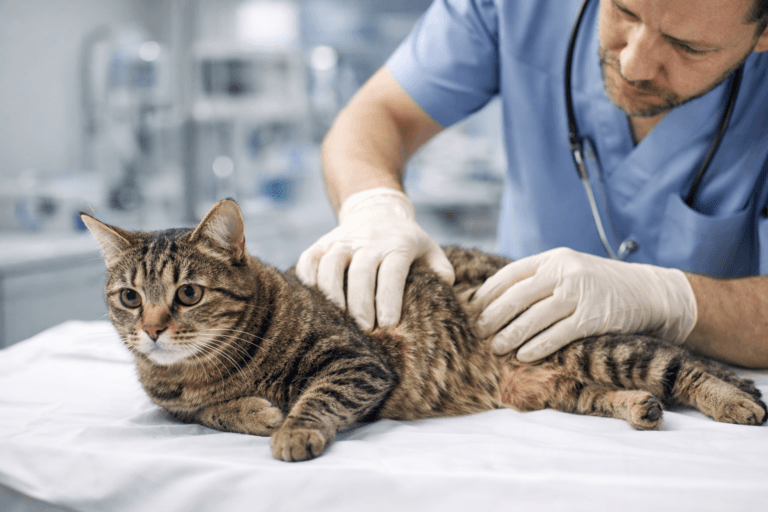
Vet-reviewed parasite prevention guide
Worms, fleas, ticks, mites, and other parasites are far more common in dogs and cats than many owners realize. Even pets that live indoors can be exposed through contaminated soil, fleas, mosquitoes, raw food, other animals, grooming, walks, bedding, or the home environment.
This complete deworming and parasite control guide explains internal parasites, external parasites, symptoms, diagnosis, treatment, prevention schedules, flea and tick control, heartworm prevention, and home cleaning steps for safer long-term pet health.
Quick takeaway: Deworming is not a one-time treatment. Dogs and cats need age-based deworming, routine fecal checks, flea and tick control, heartworm prevention where relevant, and environmental hygiene. The safest parasite plan depends on species, age, body weight, pregnancy status, lifestyle, region, and parasite risk.
Last updated: June 2026 — reviewed for dog and cat deworming schedules, internal parasites, external parasites, flea and tick prevention, heartworm risk, zoonotic parasite safety, and veterinary parasite-control guidance.
Deworming guide: Quick Answer: How Often Should Dogs and Cats Be Dewormed?
Puppies and kittens usually need repeated deworming during early life because roundworms and hookworms are common in young pets. Adult dogs and cats often need deworming every 3 months or according to fecal test results, lifestyle, flea exposure, hunting behavior, raw food exposure, and veterinary advice.
Flea, tick, and heartworm prevention are separate from routine intestinal worm control. A complete parasite plan should cover both internal parasites and external parasites.

Deworming guide: What Are Parasites in Dogs and Cats?
Parasites are organisms that live on or inside another animal and take nutrients, blood, or shelter from the host. In pets, parasites can cause digestive disease, anemia, skin irritation, itching, weight loss, coughing, weakness, organ damage, and in some cases life-threatening illness.
Deworming guide: Internal Parasites
Internal parasites live inside the body, usually in the intestines, blood, lungs, or organs.
- Roundworms
- Hookworms
- Tapeworms
- Whipworms
- Heartworms
- Giardia and coccidia
External Parasites
External parasites live on the skin, coat, ears, or surrounding environment.
- Fleas
- Ticks
- Ear mites
- Mange mites
- Lice
- Flea eggs and larvae in the home
Some parasites are also zoonotic, meaning they can spread from animals to humans. Good hygiene, correct deworming, fecal testing, flea control, and environmental cleaning reduce this risk.
Deworming guide: Pet Parasite Symptoms: Warning Signs Owners Should Watch
Some dogs and cats show obvious signs of parasites, while others look normal until the infection becomes more advanced. Young puppies, kittens, senior pets, pregnant animals, and pets with weak immunity are at higher risk of serious complications.
Common Symptoms of Worms in Dogs and Cats
- Diarrhea, sometimes with mucus or blood
- Vomiting or worms visible in vomit
- Visible worms or rice-like tapeworm segments near the anus or in stool
- Weight loss despite eating
- Bloated belly, especially in puppies and kittens
- Poor coat condition
- Low energy or weakness
- Pale gums from anemia
- Scooting or dragging the bottom
- Coughing, especially with heartworm or lung involvement
Deworming guide: When Parasites Become Urgent
Seek veterinary care quickly if your pet has severe diarrhea, repeated vomiting, blood in stool, pale gums, collapse, breathing difficulty, extreme weakness, rapid weight loss, a swollen painful belly, or a young puppy/kitten with diarrhea and poor appetite.
If your dog has diarrhea along with suspected worms, read our Dog Diarrhea Treatment Guide. For dog-specific worm symptoms and deworming details, read our Dog Worms Symptoms and Deworming Schedule.
Deworming guide: How Vets Diagnose Worms and Internal Parasites
Many parasite infections cannot be confirmed just by looking at the pet. A dog or cat may have worms without visible worms in the stool. That is why fecal testing is important, especially for puppies, kittens, newly adopted pets, pets with diarrhea, and animals with recurring digestive problems.

Common Diagnostic Steps
- Fecal flotation test: Checks stool for parasite eggs.
- Direct smear: Useful for some protozoa and fresh stool findings.
- Giardia testing: May be needed when diarrhea is recurring or watery.
- Heartworm test: Important for dogs in heartworm-risk areas.
- Blood work: Helps evaluate anemia, inflammation, organ stress, or severe illness.
- Physical examination: Checks body condition, coat, gums, abdomen, hydration, and skin.
A negative fecal test does not always mean parasites are impossible, because eggs may not be shed continuously. Your veterinarian may repeat testing or recommend strategic treatment based on risk.
Deworming guide: Types of Worms in Dogs and Cats
Different worms need different treatments. This is why guessing medicine without diagnosis can fail or even harm the pet. Dewormer choice depends on parasite type, species, body weight, age, pregnancy status, other illness, and regional risk.
| Parasite | Common Signs | Important Notes |
|---|---|---|
| Roundworms | Pot belly, vomiting, diarrhea, poor growth | Very common in puppies and kittens. Some species can infect humans. |
| Hookworms | Anemia, dark stool, weakness, diarrhea | Can be dangerous in young animals due to blood loss. |
| Tapeworms | Rice-like segments, scooting, mild digestive signs | Often linked to fleas. Treating fleas is essential. |
| Whipworms | Bloody diarrhea, weight loss, recurring colitis | More common in dogs than cats. Eggs can persist in the environment. |
| Heartworms | Coughing, tiredness, breathing difficulty, exercise intolerance | Mosquito-borne and potentially fatal. Prevention is much safer than treatment. |
| Giardia / Coccidia | Watery diarrhea, mucus, poor growth, recurring stool problems | Not typical worms; testing and targeted treatment may be needed. |
Deworming guide: Do Not Dose Dewormers Blindly
Many dewormers are safe when used correctly, but incorrect dosing can be ineffective or risky. Never guess the dose based only on age or appearance. Deworming should be based on accurate body weight, correct drug choice, species safety, and veterinary advice.
Deworming guide: Dog and Cat Deworming Schedule
Deworming schedules vary by country, environment, parasite risk, and veterinary guidelines. The following schedule is a practical owner-friendly guide, but your veterinarian may adjust it based on fecal tests, lifestyle, and local parasites.

| Pet Age / Group | Typical Deworming Plan | Notes |
|---|---|---|
| Puppies | Often every 2 weeks from 2 weeks of age until about 8–12 weeks, then monthly until 6 months | High risk for roundworms and hookworms. Follow local veterinary protocol. |
| Kittens | Often every 2 weeks from 3 weeks of age until about 8–12 weeks, then monthly until 6 months | Young kittens need accurate weight-based dosing. |
| Adult indoor pets | Every 3 months or based on fecal testing and risk | Indoor pets can still get parasites through fleas, soil, or other pets. |
| Outdoor / hunting pets | More frequent parasite control may be needed | Higher exposure through prey, soil, wildlife, fleas, and ticks. |
| Pregnant or nursing pets | Only under veterinary guidance | Not all products are safe during pregnancy or lactation. |
Puppy and kitten parasite control should be planned together with vaccination and nutrition. For related preventive care, read our Dog Vaccination Schedule and Complete Puppy Feeding Guide.
Deworming guide: Need a Deworming Plan for Your Dog or Cat?
Share your pet’s age, weight, breed, stool signs, flea exposure, outdoor access, pregnancy status, and previous deworming history. Online veterinary guidance can help you decide what schedule and testing your pet may need.
Deworming guide: External Parasites: Fleas, Ticks, Mites and Lice
External parasites can cause much more than itching. Fleas can trigger allergies, anemia, skin infection, and tapeworms. Ticks can transmit serious diseases. Ear mites and mange mites can cause severe discomfort and skin damage.

Fleas
Fleas are tiny but serious. They cause itching, flea allergy dermatitis, hair loss, scabs, anemia in young or weak pets, and tapeworm infection when swallowed during grooming.
Ticks
Ticks attach to the skin and feed on blood. They may transmit infections depending on your region. Dogs that walk in grass, parks, rural areas, or tick-heavy environments need routine prevention and regular coat checks.
Ear Mites and Mange Mites
Ear mites commonly cause head shaking, scratching, dark ear debris, and discomfort. Mange mites may cause itching, crusting, hair loss, redness, and skin infection. These conditions require proper diagnosis and targeted treatment.
Deworming guide: Flea and Tick Prevention Tips
- Use vet-approved flea and tick products suitable for your pet’s species and weight.
- Never use dog-only flea products on cats unless your veterinarian confirms safety.
- Check ears, neck, armpits, groin, paws, and tail base after outdoor exposure.
- Treat all pets in the household when fleas are present.
- Wash bedding and vacuum regularly to reduce flea eggs and larvae.
Deworming guide: Heartworm Prevention for Dogs
Heartworm disease is spread by mosquitoes. It is especially important in regions where mosquitoes are common. Heartworms can damage the heart, lungs, and blood vessels, and advanced disease can be fatal. Treatment for adult heartworm infection is difficult and risky, so prevention is the best approach.

Heartworm Warning Signs
- Coughing
- Exercise intolerance
- Weight loss
- Breathing difficulty
- Weakness or collapse in severe cases
Dogs in heartworm-risk regions should follow a veterinarian-approved prevention plan. Some cats can also be affected by heartworm, so cat owners in mosquito-heavy areas should discuss regional risk with their vet.
Deworming guide: Environmental Parasite Control at Home
Treating the pet is only part of parasite control. Flea eggs, larvae, ticks, parasite eggs, and contaminated material can remain in bedding, carpets, yards, litter trays, and resting areas. Without environmental control, parasites may return even after medication.

Home Cleaning Checklist
- Pick up feces from yards, litter areas, and outdoor spaces quickly.
- Wash pet bedding weekly in hot water when possible.
- Vacuum carpets, sofas, cracks, and pet resting areas regularly.
- Clean litter trays frequently and wash hands afterward.
- Keep grass short in outdoor pet areas.
- Prevent pets from eating garbage, rodents, raw meat, or wildlife.
- Treat all dogs and cats in the home when fleas are present.
- Use household flea products only as directed and keep pets away until safe.
Deworming guide: Safety Note for Chemical Cleaning
Be careful with sprays, foggers, powders, and disinfectants. Cats, birds, puppies, kittens, pregnant animals, and pets with breathing problems may be more sensitive. Always follow label instructions and ask your veterinarian if a product is safe for your household.
Common Parasite Myths
Parasite myths often delay proper treatment. These are some of the most common misunderstandings:
Myth: Indoor pets never get parasites
False. Indoor pets can get fleas, roundworms, tapeworms, mites, or other parasites through fleas, soil, other pets, insects, raw food, or contaminated surfaces.
Myth: No visible worms means no worms
False. Many parasite infections are microscopic or shed eggs intermittently. Fecal testing is often needed.
Myth: Natural remedies are enough
Dangerous. Garlic, herbs, oils, and home remedies may be ineffective or toxic. Use veterinary-approved parasite treatment.
Myth: Deworming once solves everything
False. Many pets need repeat dosing, flea control, environmental cleaning, fecal testing, or long-term prevention.
Worms, Diarrhea or Fleas? Get Case-Specific Advice
A safe deworming plan depends on your pet’s exact weight, age, symptoms, species, pregnancy status, and parasite risk. If your pet has diarrhea, visible worms, fleas, ticks, weight loss, poor appetite, or weakness, ask for veterinary guidance before choosing medicine.
Frequently Asked Questions
How often should I deworm my dog or cat?
Adult dogs and cats are often dewormed every 3 months or based on fecal testing and risk. Puppies and kittens usually need more frequent deworming during early life. Your veterinarian may adjust the schedule based on lifestyle and local parasite risk.
Can humans catch worms from dogs and cats?
Yes. Some parasites, including certain roundworms and hookworms, can affect humans. Children, pregnant women, elderly people, and immunocompromised people should be especially careful with hygiene, feces disposal, and regular pet parasite control.
Can indoor pets get worms?
Yes. Indoor pets can still be exposed through fleas, contaminated shoes, other pets, insects, raw food, litter areas, or occasional outdoor contact.
What are signs my pet has worms?
Possible signs include diarrhea, vomiting, bloated belly, visible worms, weight loss, scooting, poor coat, coughing, pale gums, or weakness. Some pets show no obvious signs.
Can I use the same dewormer for dogs and cats?
Not always. Some products are safe for one species but unsafe for another. Never use dog parasite products on cats unless your veterinarian confirms they are safe.
Do fleas cause worms?
Fleas can transmit tapeworms when a dog or cat swallows an infected flea during grooming. This is why tapeworm control should include flea prevention.
Is heartworm the same as intestinal worms?
No. Heartworms are mosquito-borne parasites that affect the heart and lungs. They require a different prevention and testing plan than intestinal worms.
Should I deworm a pregnant dog or cat?
Only under veterinary supervision. Not all parasite products are safe during pregnancy or nursing, and dose timing matters.
By Dr. Zahid Afzal, DVM
For information about this guide and its sources, see Dr Zahid Afzal’s author information. This educational article does not replace an examination, diagnosis or individual treatment plan.
Related Pet Health Guides
Veterinary Disclaimer
This article is for educational purposes only and does not replace a physical examination, fecal test, diagnosis, or treatment plan from a veterinarian. Deworming and parasite-control products must be selected according to species, age, weight, pregnancy status, health condition, parasite type, and local parasite risk. If your pet is weak, vomiting repeatedly, passing blood, pale, coughing, losing weight, or has severe diarrhea, contact a veterinarian immediately.