
By Dr. Zahid Afzal, DVM – General Veterinary Hospital, Lahore
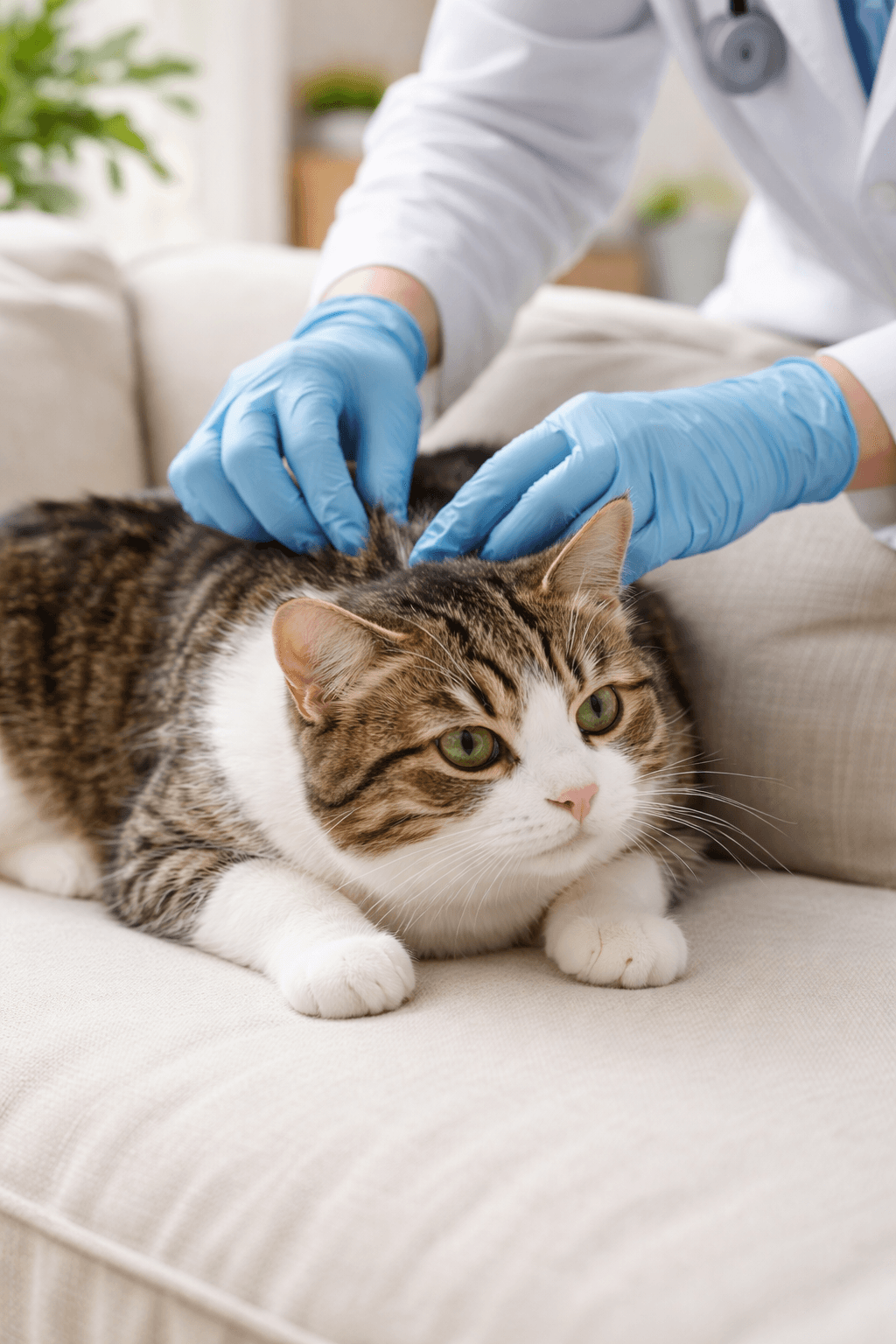
Fleas in cats are one of the most common reasons cat owners walk into my clinic. I see fleas in cats that never go outdoors, kittens dangerously anemic from blood loss, and stressed families who have already tried home remedies that made things worse. Because fleas in cats can affect the whole household – carpets, beds, even people – you need a clear, safe plan: what you can do at home, which products are truly vet-approved, and when the situation becomes an emergency.
- How to recognise cat fleas and flea allergy without guessing
- Step-by-step, vet-approved home treatment for your cat and your home
- Which “home remedies” are dangerous and should never be used
- When fleas can lead to anemia, worms or skin infection and need urgent veterinary care
- How to prevent future infestations with a simple monthly plan
- What are cat fleas & how do cats catch them?
- Signs & symptoms of fleas in cats
- Why fleas are dangerous for cats (not just “a few bites”)
- How to confirm fleas at home & at the vet
- Safe home treatment plan for fleas in cats
- What your vet can do: professional flea treatments
- Long-term prevention & monthly checklist
- Dangerous myths & home remedies to avoid
- Real case from General Veterinary Hospital, Lahore
- FAQs about fleas in cats
What exactly are cat fleas?
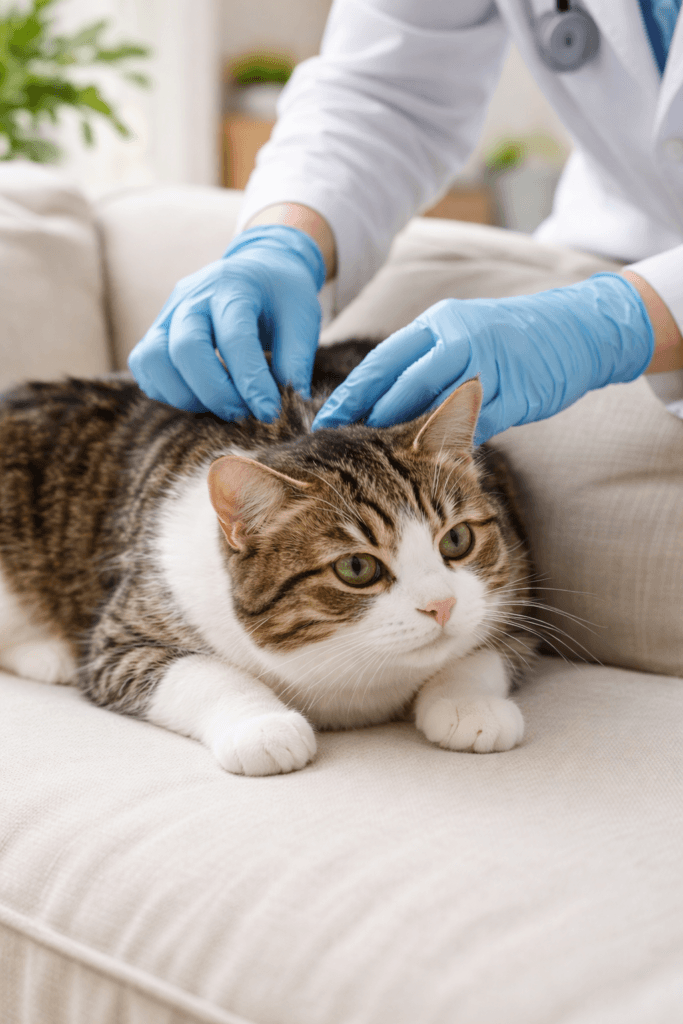
The most common species we see on cats is the cat flea (Ctenocephalides felis). These tiny brown insects live on the cat’s skin, feeding on blood several times a day. Female fleas can lay up to 50 eggs daily. Those eggs fall into the environment – your sofa, carpet, bedding, car seats – then hatch into larvae, pupae and finally new adult fleas that jump back onto your cat.
That’s why treating only the cat is never enough. By the time you see fleas or flea dirt, there is usually a large hidden population of eggs and larvae throughout the home. This is also the reason many owners think treatment “failed” after a few days – new fleas from the environment keep hatching and jumping on.
How indoor cats get fleas
Many families in Lahore tell me, “Doctor, my cat never goes outside. How did this happen?” Fleas can hitchhike on:
- Dogs or other pets that go outdoors
- Human clothing and shoes
- Visitors’ pets
- Stray cats or dogs visiting balconies and courtyards
- Second-hand carpets or bedding
If you share your home with dogs, especially those with allergy or chronic skin problems, it’s important to control fleas on every animal in the household, not just the cat.
Signs & symptoms of fleas in cats
Some cats are very dramatic about flea bites; others hide discomfort until the skin is badly inflamed. Remember that cats are masters at hiding pain – we’ve covered this in detail in our guide on subtle signs cats are hiding pain.
Common signs you may notice at home
- Frequent scratching, licking or chewing – especially around the neck, back and base of the tail
- Restlessness or suddenly jumping up as if “bitten by something”
- Hair loss or thinning fur on the lower back, belly or inner thighs
- Small red bumps, scabs or crusts, especially near the tail
- Black “pepper-like” specks (flea dirt) on the skin or bedding
- Pale gums, lethargy, rapid breathing (in severe infestations, especially kittens)
What is flea allergy dermatitis (FAD)?
Some cats are allergic to flea saliva. For these cats, a single bite can trigger intense itching for days. Their skin may look much worse than cats with a heavier infestation. In such cases we often need to treat both the fleas and the allergic inflammation with anti-itch medication and sometimes antibiotics if the skin is infected.
- Very pale or white gums
- Severe weakness, not wanting to move
- Rapid breathing or fast heart rate
- Black, sticky stools (sign of blood loss)
- Fleas covering a young kitten
These can indicate dangerous anemia or heavy infestation. Young kittens and sick adult cats can deteriorate quickly and may need hospitalization, IV fluids and blood tests. Our previous emergency guides (for example dog bloat and cat poisoning) explain why acting fast can save a life.
Why fleas are more dangerous than many owners realise
It’s tempting to think “just a few insect bites” are harmless, but chronic flea infestation can lead to several serious problems:
- Anemia – Blood loss from heavy infestations, especially in kittens, seniors and sick cats
- Tapeworm infection – Cats swallow infected fleas while grooming; later they pass tapeworm segments
- Severe skin infection – Scratching creates open wounds which bacteria can infect
- Allergic dermatitis – Long-term itch, skin thickening, hair loss
- Stress and behaviour changes – Irritability, hiding, aggression, over-grooming
Cats with underlying conditions such as pancreatitis, kidney disease or FIP already have compromised health, so flea control becomes even more critical for them.
How to confirm fleas in cats – at home & at the vet
At-home flea check
You can do a simple test at home with a flea comb and a white tissue:
- Sit your cat on a light-coloured towel.
- Comb the fur along the back, neck and base of the tail.
- Tap the comb onto a damp white tissue or cotton pad.
- Wait a few seconds – if the black specks dissolve into red-brown streaks, that is flea dirt (digested blood).
Seeing adult fleas running through the coat confirms the diagnosis, but remember: itchy cats may have already groomed off many fleas, leaving only flea dirt and allergic skin.
What your vet checks
During a consultation at General Veterinary Hospital Lahore, I usually:
- Take a history – indoor/outdoor, other pets, previous treatments
- Examine the skin and coat with a flea comb
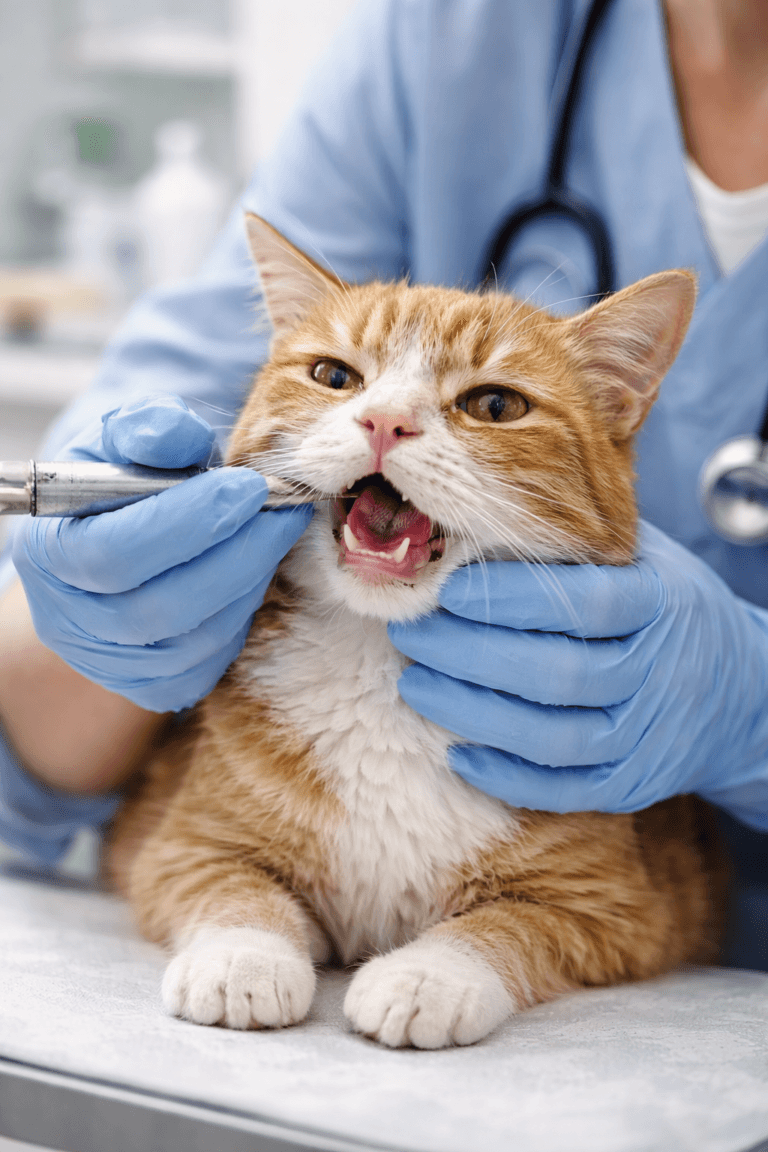
- Check gums and overall hydration for signs of anemia or dehydration
- Look for tapeworm segments around the anus or in recent stools
- Assess for ear mites or ear infection, especially if your cat is shaking their head (see our full guide on cat ear infection & ear mites)
Safe home treatment plan for fleas in cats
When owners hear “home treatment”, they sometimes think of kerosene, Dettol baths, or strong dog flea products used on cats. Please don’t. Many of the emergency poisoning cases we see at GV Hospital come from well-meaning home treatments. The goal is to combine what you can safely do at home plus appropriate veterinary products, not instead of them.
Step 1 – Make your cat comfortable and reduce itch
Start by gently combing your cat once or twice a day with a flea comb. Drop any fleas you catch into a bowl of soapy water (they can jump out of plain water). Short, calm sessions are better than wrestling an anxious cat. If your cat is extremely itchy, talk to your vet before using any human creams or antihistamines; some are toxic to cats. For general grooming tips, our behaviour & handling section can help make the process less stressful for both of you.
Step 2 – Treat every pet in the house
If you have dogs, rabbits or other animals, discuss a coordinated parasite control plan with your vet. Our complete deworming & parasite control guide and dog worms schedule explain how fleas and worms often appear together. Leaving one pet untreated acts like keeping a flea hotel open inside your home.
Step 3 – Clean the environment (very important)
Remember that most of the flea life cycle happens off the cat. Focus on:
- Washing cat bedding, blankets and frequently used soft items in hot water
- Vacuuming carpets, sofas, mattresses and car seats at least every 2–3 days for several weeks
- Emptying the vacuum immediately and disposing of the bag outside
- Cleaning cracks in floors and under furniture where flea larvae may hide
Avoid spraying strong insecticides yourself in poorly ventilated rooms – cats are very sensitive to many chemicals. If you use a home spray, choose one recommended by your vet and keep your pets out until surfaces are dry and the area aired out.
Step 4 – Use a proper flea product on your cat
This is the part where I insist: always ask your vet which product and dose are safe for your cat’s age, weight and health status. Some important rules:
- Never use a dog-only permethrin product on cats – these can be fatal.
- Don’t apply more than one topical flea treatment at a time without veterinary advice.
- Be careful when combining flea collars, spot-ons and sprays.
- Check the label for minimum age/weight for kittens.
If your cat has other conditions like urinary blockage or chronic kidney disease, your vet may choose a specific product that is metabolised more safely.
Step 5 – Support overall health
Good nutrition, hydration and stress control help your cat’s skin recover faster. See our complete cat nutrition guide and general cat facts & care tips for daily routines that support a healthy coat and immune system.
What your vet can do for fleas in cats
In clinic, we have access to a range of licensed products that are not all available over the counter. Depending on the situation, I may recommend:
- Spot-on treatments applied to the skin on the back of the neck
- Oral tablets that kill adult fleas within hours
- Long-acting injections (in some countries) that break the flea life cycle
- Medicated shampoos for very dirty or flea-allergic cats – used with caution, to avoid chilling
- Anti-itch or anti-inflammatory medication for severe flea allergy dermatitis
- Antibiotics if the skin is infected from scratching
Severely anemic kittens sometimes need hospitalisation with IV fluids, warming and blood tests. If fleas have triggered vomiting, diarrhea or poor appetite, we may also refer you to our guides on home treatment for cat vomiting and cat diarrhea for supportive care.
Preventing fleas in cats: simple monthly plan
Once we’ve cleared the infestation, prevention becomes much easier than crisis management. I usually recommend that cat owners build flea control into the same calendar they use for vaccinations and deworming.
- Monthly or quarterly flea product – depending on which product your vet chooses
- Regular deworming – follow the schedule in our parasite control guide
- Annual vaccination & health check – see cat vaccination schedule 2025
- Weekly coat check – quick combing and looking for flea dirt
- Routine cleaning – vacuum high-risk areas more often during warm, humid seasons
In multi-pet homes, synchronise treatments for all animals to avoid a “see-saw” effect where fleas jump between pets. If you also share your home with dogs, our dog vaccination schedule and dog dental care at home articles show how to integrate flea control into a full preventive-care routine.
Dangerous myths & home remedies to avoid
At General Veterinary Hospital Lahore, I regularly treat cats that became sick after home treatments found on social media. Here are some “remedies” you should never use:
- Kerosene, petrol, diesel, turpentine or engine oil – cause chemical burns, lung damage and poisoning
- Strong human insect sprays – toxic when licked off the coat or inhaled
- Undiluted Dettol or bleach baths – severe skin irritation and systemic toxicity
- Dog-only spot-on products with high permethrin concentrations
- Garlic or onion “supplements” – can cause serious damage to red blood cells in cats
If your cat has accidentally been exposed to any of these, treat it as a potential poisoning emergency and immediately refer to our cat poisoning first-aid guide or the general emergency first-aid guide for dogs & cats , then contact your local vet or emergency clinic.
Real case from General Veterinary Hospital, Lahore
A few months ago, a family brought in a 3-month-old kitten who had been “itchy for a while”. On examination, we found heavy flea infestation, pale gums and a heart rate of 240 beats per minute. The family had tried a home spray from a local shop, which gave only temporary relief.
We admitted the kitten for fluids, applied a kitten-safe flea product, treated her environment, and started an iron supplement along with a high-quality diet from our cat nutrition guide . Within a week, she was brighter, playing again and her gums were returning to a healthy pink. The family now follows a regular monthly flea prevention schedule and has not had a recurrence.
I share this story because it shows two important truths: first, that fleas in cats can become serious if ignored; and second, that with the right plan, most cases respond beautifully.
FAQs about fleas in cats
1. Can indoor-only cats get fleas?
Yes. Fleas can hitchhike on human clothing, visitors’ pets or objects like carpets and blankets. I meet many indoor-only cats in Lahore with fleas, especially in apartment buildings where stray cats visit corridors and balconies.
2. How long does it take to get rid of fleas in cats?
You’ll start seeing dead fleas within hours of a good product, but fully clearing the environment usually takes at least 3–4 weeks. Eggs and pupae in the house keep hatching, so you must continue vacuuming and follow-up treatments as advised by your vet.
3. Are flea collars safe for cats?
Some modern collars are effective and safe when used correctly; others are less reliable or can cause skin irritation. Never cut a dog flea collar and tie it to a cat’s neck. It’s best to ask your vet which brands are appropriate in your country and for your cat’s lifestyle.
4. What if my cat is pregnant or nursing?
Many standard products are not labelled for pregnant or lactating queens. Do not treat these cats without veterinary advice. Your vet will choose a product and dosage supported by safety data for pregnancy and kittens.
5. Can fleas in cats affect humans?
Cat fleas prefer feline blood, but they will bite humans, causing itchy red spots, usually around ankles or exposed skin. More importantly, a heavy flea population in the home can carry tapeworms and other pathogens. That’s why treating both your cat and your environment is so important.
6. Are there any safe “home remedies” for fleas on cats?
The safest “home remedies” are really supportive measures: frequent combing, washing bedding, vacuuming and improving general health with good nutrition. Apple cider vinegar, garlic, strong essential oils and harsh chemicals are not safe or effective flea treatments for cats.
7. My cat still scratches after treatment – is it normal?
It’s common for cats to remain itchy for a few days, especially if they have flea allergy dermatitis. However, if the scratching is severe, the skin is getting worse, or you see new fleas after a few days, contact your vet. We may need to add anti-itch medication, change the product, or investigate other causes like ear mites or ear infection .
When to worry – and when to breathe
I know how stressful it is to suddenly find parasites on a beloved cat. Try to remember: with proper treatment, most cats recover quickly and live completely normal lives. The key is to avoid dangerous home remedies, treat all pets and the home together, and have a regular prevention strategy rather than waiting for another infestation.
If you are ever unsure whether your cat is just itchy or genuinely unwell, trust your instincts and contact your veterinarian. In the meantime, you can explore more detailed guides on ear infections, loss of appetite, diarrhea and constipation in cats here on the GV Hospital blog.
Disclaimer: This article provides general educational information only and does not replace an in-person examination. Always follow the specific advice of your own veterinarian, especially if your cat is very young, pregnant, has other illnesses, or is on long-term medication.





It’s surprising how much harm fleas can do beyond just itching. I appreciated the focus on the dangers of untreated flea infestations, especially how they can affect the whole household. I’ll definitely be more careful about home remedies from now on.