An Akita dog is a powerful companion whose independence, physical strength and responses to unfamiliar people or animals need thoughtful management. The name also causes confusion: Japanese Akitainu and American Akita are distinct breed populations, and naming conventions differ among registries. Neither a broad label nor a famous loyalty story tells you how an individual will behave in your home. This guide explains the distinction, the records to ask for and the daily skills that make living together more practical. It emphasizes respectful handling and realistic expectations rather than assuming that affection for family guarantees easy access to every social setting.
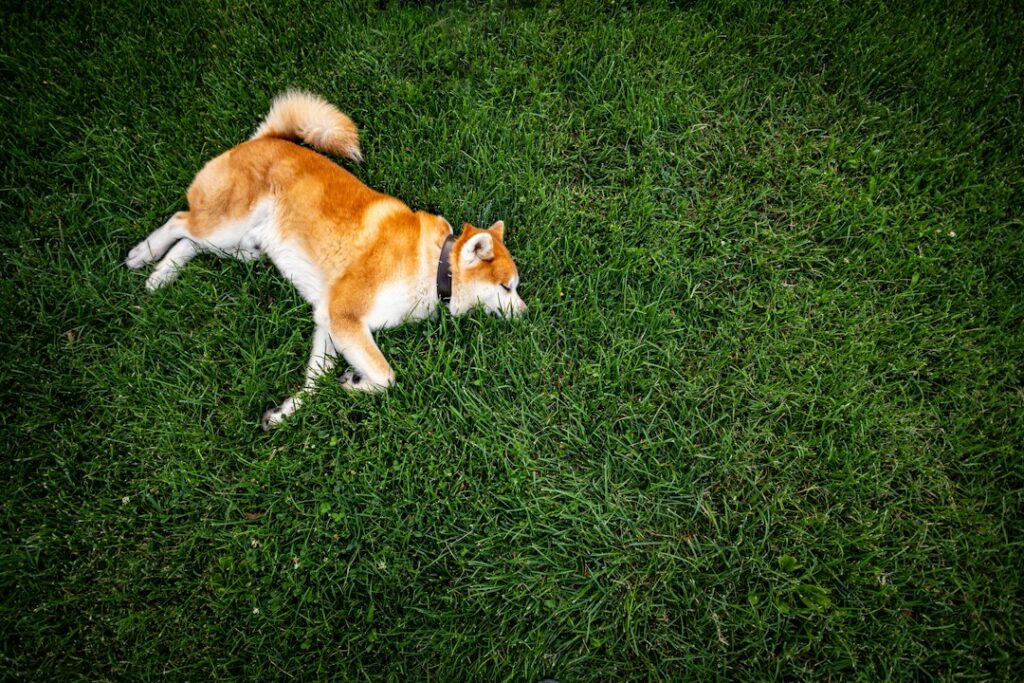
Understand which Akita dog is being described
The Japanese Akitainu and American Akita share historical roots but are not simply two informal coat styles of one interchangeable population. Breed clubs and registries use different names, so a seller may call an American Akita simply Akita while another uses Japanese Akita for a distinct recorded ancestry. Ask which registry and pedigree the description refers to. Appearance can provide clues, but documents and a knowledgeable breed contact are more dependable than a confident caption.
Japanese dogs generally have a different outline and accepted color presentation from American dogs, which often appear more substantial and can display a broader range of colors. Do not try to decide purity from one head photograph or a black mask alone. For an Akita dog of uncertain ancestry, describe the uncertainty honestly and assess the actual animal’s health and behavior. If documented breed identity matters to you, verify it before payment rather than discovering later that Japanese-style was a marketing term instead of an established pedigree.
Keep the description on veterinary and identification records clear when the dog moves between countries or registries. A familiar short name may refer to a different recorded population in another setting. Explain the documented ancestry where known and retain the original paperwork instead of rewriting it from a seller’s informal wording. If you are uncertain, ask a knowledgeable breed organization to review the record. For an Akita dog, this clarification supports an informed conversation about expected size, coat and family history, but it should not displace observation of the individual. Two animals with equally clear records can still differ in temperament and management needs. A careful pedigree discussion is useful information, not a promise that one label will remove every practical challenge of living with a powerful independent companion.
Use the breed’s history as context, not a training rule
These dogs developed from Japanese hunting and working backgrounds, with later breeding histories contributing to the distinct populations. An alert independent response can be understandable in that context, but history does not tell you that a dog must be forced into submission or trained to guard. A reputation for loyalty can also hide the practical need to teach ordinary behaviors and manage access to unfamiliar situations.
Do not choose a dog to recreate a film, a famous story or an image of a naturally perfect protector. Ask how the individual settles, handles visitors, responds to other dogs and accepts care. An adult with a well-described history may offer more useful information than a puppy whose future behavior is unknown. Meet appropriate breed contacts and discuss everyday difficulties openly. Responsible ownership is built on the animal’s welfare and the household’s capabilities rather than a demand that it demonstrate a legendary personality.
Make household suitability a practical decision
Consider the strength of the adult animal and whether every regular handler can manage it safely. Secure doors, suitable fencing, stable footing and predictable visitor arrangements matter. A large garden does not replace family interaction or allow supervision to be abandoned. Plan comfortable indoor resting space and a way to separate the dog from busy arrivals without isolating it as a permanent outside ornament.
An Akita dog may not suit a household expecting effortless social mixing with every visiting person or animal. Explain work hours, existing pets, children’s ages and frequent visitors honestly to the breeder or rescue. Ask how the particular animal has behaved in similar circumstances and what support is available if difficulties emerge. Check current local housing, insurance and access requirements directly before committing rather than relying on a claim that one rule applies everywhere. A realistic arrangement is more useful than assuming that enough affection can remove every management responsibility.
Teach useful skills without physical confrontation
Reward attention, calm proximity, comfortable lead movement and settling in situations the dog can manage. Keep lessons clear and short, using achievable steps and suitable rewards. If a response fails repeatedly, reduce difficulty and assess the setup rather than adding pressure. Independence is not a reason to treat the dog as an opponent or interpret every pause as an attempt to control the household.
Our behavior and training guide provides broader context for humane management. A skilled reward-based professional can help develop practical routines before pulling, guarding or intense reactions become difficult to control. An Akita dog does not need special encouragement to threaten strangers as proof of loyalty. Focus on behaviors that make ordinary life predictable, including moving away from a doorway, accepting a safe equipment change and exchanging an object. Training should reduce conflict and protect people and animals rather than create a contest the handler expects to win by force.
Socialize for calm observation rather than forced greetings
Appropriate social experience means learning to cope comfortably with the world, not meeting every dog or person at close range. Introduce environments gradually and watch the animal’s body language. Give space when it becomes tense, fixated or unable to disengage. An overwhelmed dog should not be held in place while strangers continue approaching to prove that the situation is friendly.
Early experience matters, but it cannot guarantee that every adult will enjoy dog parks or unrestricted play. Breed-club guidance notes potential intolerance of other dogs, particularly some same-sex interactions. Treat that as a management consideration, not a diagnosis applied to every individual. An Akita dog that is selective about company may need well-planned distance and controlled activities rather than repeated testing in crowded settings. Do not assume that a dog raised with one familiar animal will accept all unfamiliar animals. Ask for professional advice before arranging introductions when safety is uncertain.
Protect children and other animals through clear boundaries
Supervise contact and teach children not to disturb eating, resting or confined dogs. Do not allow climbing, hugging around the neck, taking food or placing faces close to the mouth. A quiet dog can still be uncomfortable, and remaining motionless is not a promise of tolerance. Provide a suitable retreat that people respect. If active supervision is not possible, use an appropriate secure separation.
Compatibility with cats, small animals and other dogs must be assessed individually. Prey-directed interest, guarding and intense reactions need a plan rather than a casual trial. Do not leave animals together to establish their own rules. An Akita dog should not be expected to tolerate conflict merely because it is described as devoted to its family. Tell a rescue or breeder about every resident animal and the physical home arrangement. A careful match, gradual supported introduction and realistic management can be more important than choosing a particular sex or coat color.
Build safe handling before it becomes urgent
Practice comfortable acceptance of the harness, lead, collar touch, brief body checks and veterinary-style positioning through gradual positive lessons. A properly introduced basket muzzle can be a useful safety skill where appropriate, but equipment must fit and be taught without overwhelming the dog. Ask a professional for instruction instead of first applying unfamiliar restraint during a painful emergency. Keep handling consistent among caregivers.
Pay attention when a previously accepted touch becomes difficult. Pain, skin disease or another health problem may change the response. Our dog skin and allergy guide can help describe itching or coat lesions, but do not assume every objection is behavioral. Arrange veterinary assessment when indicated and tell the clinic in advance about handling needs. A safe plan can include suitable appointment arrangements and individualized medical support. It should not depend on several people overpowering a frightened animal to complete routine care.
Provide movement with secure management
Offer suitable daily walking, sniffing, learning and rest according to age, health and the individual dog’s interests. An Akita dog does not need constant high-impact exercise, and a puppy should not be pushed into an adult endurance routine. Keep activity manageable in heat and humidity and adjust when mobility or stamina changes. Watch the response after exercise as well as enthusiasm during it.
Use secure appropriate equipment and choose environments where you can maintain safe distance from unwanted encounters. An Akita dog with an uncertain return cue should not be released merely because the area looks quiet for a moment. Wildlife, another animal or a sudden event can change the situation quickly. If the dog pulls beyond the handler’s strength, obtain practical help and simplify the setting. Do not rely on a heavier lead or a stronger correction as the only response. Comfortable controlled access allows useful activity while training and assessment continue.
Care for the double coat and the skin underneath
The dense coat sheds and needs regular appropriate grooming, with more loose hair at some times than others. Work through manageable sections and check close to the skin around the neck, behind ears and beneath equipment. Choose tools that lift suitable loose hair without scraping or repeatedly cutting healthy coat. A professional demonstration can save both discomfort and ineffective surface brushing.
An Akita dog should not receive an automatic close shave simply to solve shedding or hot weather. A medical need or severe matting may justify a different individual decision, so ask rather than following an absolute rule. After washing or rain, check that dense areas dry appropriately. Report ongoing itch, hair loss, scale, odor or sore skin rather than hiding the change with more grooming products. Skin and immune-related conditions are among the health topics breed clubs discuss, but a lesion cannot be diagnosed from breed reputation or a photograph alone.
Read health records and family history carefully
Ask for identified health assessment results appropriate to the documented population and breeding programme. Breed-club guidance discusses areas including hips, eyes, thyroid and other orthopedic concerns; relevant DNA testing and family history may add information. Request the actual reports and ask a veterinarian to help interpret uncertain findings. A general claim that both parents were healthy does not establish that specific evaluations were completed.
No set of tests guarantees freedom from every future disease. An Akita dog may still need assessment of lameness, eye changes, persistent skin problems, altered weight or unexpected lethargy. Our hip dysplasia guide provides background for one orthopedic topic, not a diagnosis of every stiff gait. Keep records from the breeder, rescue and clinic together so patterns are easier to follow. Ask what support is offered after placement and whether unfavorable family information is shared openly. Transparency is more valuable than a promise of perfect genetics.
Feed for condition and prepare for medical emergencies
Choose a complete diet suited to life stage and health, measure portions and account for rewards used in training. Do not keep adding food to produce a heavier outline or interpret a thick coat as proof that body condition is ideal. Ask your veterinarian to show an appropriate assessment. A newly reluctant eater, a dog gaining unexpected weight or one losing stamina needs review rather than a series of unrecorded food changes.
Large dogs can develop gastric dilatation-volvulus, a potentially life-threatening emergency. Repeated unproductive retching, restlessness, discomfort or abdominal swelling warrants urgent advice, particularly with weakness or collapse. Our bloat emergency guide explains why delay is dangerous. Do not attempt to settle a suspected case with a home remedy. Discuss individual risk and preventive options at routine visits, while keeping a clear plan for reaching veterinary care if a sudden concerning change occurs.
Arrange absences, visitors and long-term support
Practice comfortable time apart gradually and organize help for absences. For an Akita dog, a strong attachment to family does not mean the dog should never learn to rest separately, but distressed behavior needs support rather than punishment. Our separation anxiety guide explains why an individualized plan may be necessary. Select caregivers who understand the animal’s actual handling and social needs rather than assuming any enthusiastic friend can take over.
Give a sitter clear written instructions about equipment, food, visitors, other animals and emergency contacts. Demonstrate routines in a controlled setting before the first handover. Keep veterinary and identification records accessible and discuss what happens if the household changes. A new baby, move or additional pet can alter the management picture substantially. Planning ahead protects the dog’s welfare and reduces pressure on people. The aim is a stable life that does not depend on a single person’s constant presence or on repeated risky tests of the animal’s tolerance.
Questions before choosing this powerful companion
Are Japanese and American Akitas the same? They share historical roots but are distinct breed populations, with naming and recognition varying by registry. Ask for the actual pedigree and registry rather than deciding from a marketing phrase or one facial feature.
Is an Akita dog suitable for every first-time owner? No breed label answers that alone. Strength, potential dog selectivity, household access and the owner’s ability to obtain appropriate training support matter. Be honest about the home you can offer.
Will early socialization guarantee friendliness with every dog? No. Provide good experiences and calm observation while recognizing individual and developmental variation. A safe management plan should not depend on universal social tolerance.
What is the most useful preparation? Meet informed breed contacts, assess adult size and handling, read health evidence and plan daily boundaries. Choose the individual for a realistic household match, with respectful care and professional support available. A reputation for loyalty is meaningful only when the animal’s actual needs remain central to the decision.