
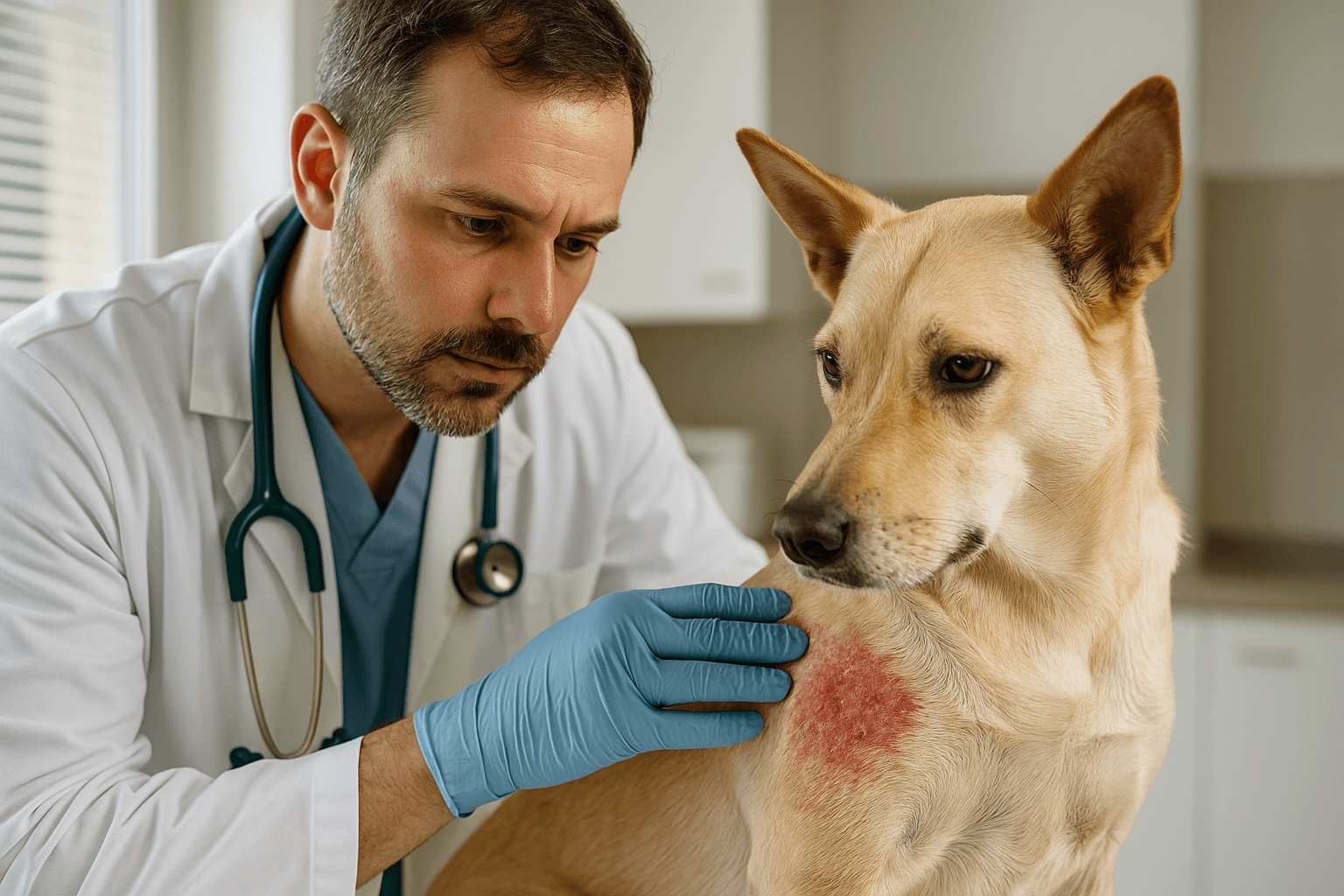
Dog skin problems are among the most common reasons pet owners visit the veterinarian. From constant itching to red rashes, hair loss, bumps, dandruff, and seasonal allergies, skin issues can cause severe discomfort for your pet.
This comprehensive guide is written by a veterinarian to help dog owners understand the causes of dog skin problems, identify symptoms early, and choose the safest and most effective dog allergy treatments.
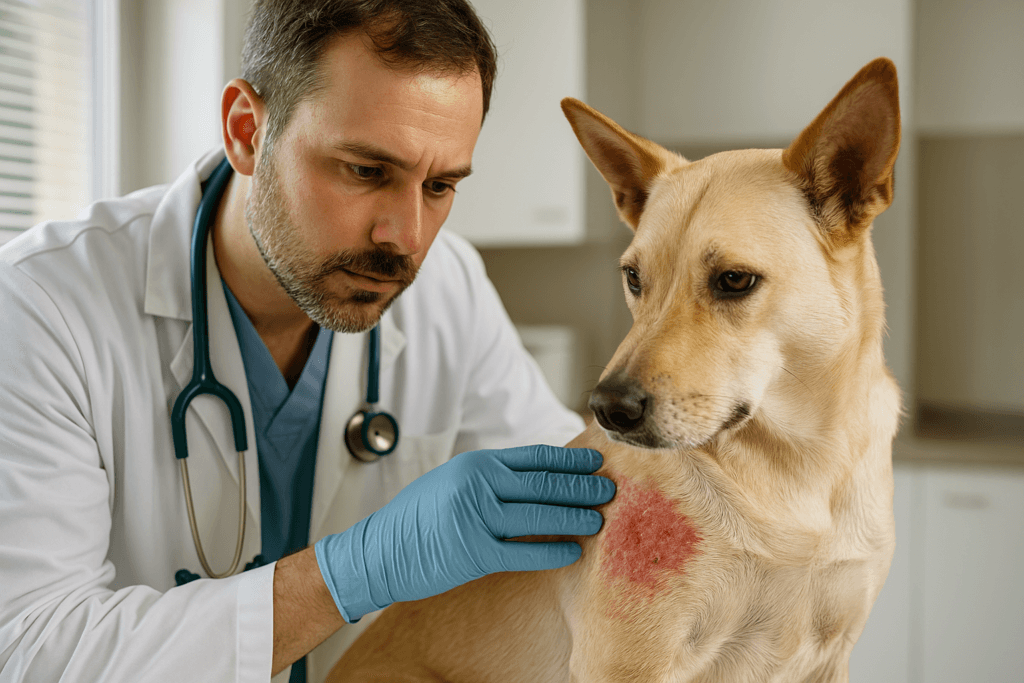
What Are the Most Common Dog Skin Problems?
There are more than 20 possible causes of dog skin problems, but the most common include environmental allergies, food sensitivities, parasite infestations, and secondary bacterial or fungal infections.
Among these, dog skin allergies are the most frequent reason for vet appointments. Allergy-related dog itching treatment has become a necessary routine for millions of pet owners worldwide. Correctly identifying the root cause is the only way to provide long-lasting relief.
1. Dog Skin Allergies (Atopic Dermatitis)
If paw licking is the main sign you notice, our guide to why dogs lick their paws explains common causes and when a veterinary check is needed.
Dog skin allergies occur when the immune system reacts excessively to triggers such as dust, grass, pollen, mold, or household chemicals. Certain breeds like Labradors, Poodles, German Shepherds, and Bulldogs are highly prone.
Dog skin problems: ⚠️ Common Symptoms
- Constant scratching or licking (especially paws)
- Redness on the belly, paws, and inner ears
- Hair thinning or bald patches
- Greasy, smelly skin
- Darkening or thickening of skin (in chronic cases)
✅ Best Treatments
- Veterinary antihistamines
- Prescription allergy meds (Apoquel, Cytopoint)
- Medicated anti-itch shampoos
- Omega-3 fatty acid supplements
- Wiping paws with hypoallergenic wipes after walks
Note: Dogs with allergies often require long-term management rather than a one-time cure. Early and accurate diagnosis dramatically improves results.
2. Food Allergies & Sensitive Stomachs
Dog food allergies are commonly triggered by proteins like chicken, beef, wheat, soy, egg, or dairy. Interestingly, many dogs show food allergy symptoms through their skin rather than experiencing digestive issues. That is why food allergies are often mistaken for environmental allergies.
- Symptoms: Red itchy skin on belly/paws, recurrent ear infections, year-round itching, and anal gland irritation (scooting).
- Treatment: A vet-guided elimination diet (8–12 weeks), switching to hydrolyzed or novel protein diets, and avoiding artificial colors/fillers.
Learn more about proper canine nutrition through our Complete Puppy Feeding Guide & Schedule.
3. Fleas, Ticks & Parasites
One of the fastest ways for dogs to develop severe dog skin problems is through fleas, ticks, and mites. Even a single flea bite can trigger flea allergy dermatitis (FAD), causing a massive whole-body allergic reaction.
- Symptoms: Intense scratching (especially behind the tail), black “flea dirt” on the skin, red bumps, scabs, and hair loss around the lower back.
- Treatment: Monthly oral or topical anti-parasitic medication, environmental cleaning (washing bedding in hot water), and medicated baths.
For complete parasite prevention, refer to our Deworming & Parasite Control Guide.
4. Bacterial Skin Infections (Pyoderma)
Bacterial infections usually occur secondary to scratching, immune disease, or allergies. When a dog scratches constantly, they damage the skin barrier, inviting naturally occurring bacteria (like Staph) to multiply out of control.
⚠️ What to Look For
- Pustules or pimples on the belly
- Red, heavily inflamed skin
- Crusty, scaling patches
- A distinct foul odor
✅ Veterinary Treatment
- Prescription oral antibiotics
- Chlorhexidine medicated shampoos
- Anti-inflammatory therapy to stop the initial itch
5. Hot Spots (Acute Moist Dermatitis)
Hot spots are painful, rapidly spreading localized infections caused by excessive licking, biting, or scratching at a single spot. They can develop from nothing into a massive sore within just a few hours.
- Symptoms: Red, highly moist, swollen sores that ooze pus and mat the surrounding fur. The dog may cry or growl when the area is touched.
- Treatment: The vet will shave the area to allow ventilation, prescribe topical and oral antibiotics, and provide an E-collar (cone) to physically prevent the dog from licking.
6. Fungal Infections (Yeast & Ringworm)
Fungal overgrowth (yeast) is common in floppy-eared dogs and breeds with skin folds (like Pugs or Bulldogs). Ringworm, despite the name, is also a fungus, and it is highly contagious to humans and other pets.
- Symptoms: A strong, musty “corn chip” odor, greasy and scaly patches, brown waxy discharge in the ears, and perfectly circular patches of hair loss (classic ringworm).
- Treatment: Oral antifungals, specialized antifungal shampoos (miconazole or ketoconazole), and prescription ear drops.
Is Your Dog Scratching Non-Stop?
Don’t let skin allergies and infections get worse. Get a professional veterinary assessment to identify the exact cause and get the right prescription treatment plan.
Consult Dr. Zahid Afzal Online7. Mange (Sarcoptic and Demodectic)
Mange is caused by microscopic mites that burrow deep into the skin or hair follicles. Sarcoptic mange (scabies) is highly contagious, while demodectic mange is usually tied to a weakened immune system in puppies.
- Symptoms: Extreme, frantic itching, patchy hair loss, thick crusts developing on the ear margins and elbows, and intensely red skin.
- Treatment: Prescription anti-mite medications (often in the form of modern chewable preventatives), medicated dips in severe cases, and immune support.
8. Hormonal Disorders Causing Skin Problems
Conditions like hypothyroidism (low thyroid function) and Cushing’s disease (overactive adrenal glands) frequently present with chronic dog skin problems as their primary visible symptom.
- Symptoms: Symmetrical hair thinning along the flanks, a dull/brittle coat, recurrent infections, blackened skin, unexplained weight gain, and excessive thirst.
- Treatment: Comprehensive blood and hormone testing, lifelong prescription hormone replacement or regulation medication, and regular monitoring.
Best Daily Care Routine for Dogs with Skin Problems
Managing dog skin allergies and preventing recurrent infections requires a consistent, proactive at-home care routine:
- Bathe weekly or bi-weekly with a vet-recommended medicated or soothing oatmeal shampoo.
- Use hypoallergenic pet wipes to clean paws and the belly immediately after walking in grass.
- Provide high-quality Omega-3 (fish oil) supplements to support the skin barrier.
- Strictly adhere to grain-free, hydrolyzed, or hypoallergenic diets if a food allergy is diagnosed.
- Vacuum the home weekly and wash dog beds in hot water to reduce environmental allergens and dust mites.
Regular preventive care is essential for a healthy immune system. Ensure your dog is fully protected by following the Dog Vaccination Schedule 2025, and always fact-check pet advice using resources like our Pet Health Myth-Busting Guide.
When Is a Skin Issue an Emergency?
While most skin issues develop slowly, some require immediate veterinary intervention. Seek urgent care if:
- Your dog cries, yelps, or acts aggressive when the area is touched.
- There is active bleeding, heavy yellow/green pus, or rapid swelling (like facial swelling from an allergic reaction).
- Your dog stops eating or drinking entirely.
- The sores are spreading rapidly across the body within hours.
- Your dog becomes extremely lethargic or feverish.
For comprehensive emergency guidance, bookmark our Pet Emergency First Aid Section.
Final Advice from a Veterinarian
Dog skin problems can be incredibly frustrating for both the pet and the owner, but with early diagnosis and proper dog itching treatment, your pet can live comfortably without chronic irritation. Allergies, parasites, infections, and hormones all play major roles.
Never try to treat a severe skin infection with human creams or home remedies, as this often makes the condition worse. If symptoms persist longer than 48 hours, or if your dog is keeping you up at night with their scratching, consult your veterinarian immediately. Healthy skin means a healthy, happy dog—and with the right care routine, most dogs recover beautifully.







I found it interesting that allergies are such a common cause for skin issues in dogs. It makes me realize how important it is to address itching early on to avoid more severe problems down the road. Have you seen an increase in cases of food allergies affecting dogs recently?