Leptospirosis in dogs can begin with signs that look like an ordinary stomach upset: a missed meal, vomiting, or a dog who seems unusually tired. The difference is that this bacterial infection can damage the kidneys and liver, and sometimes the lungs. A dog does not need to swim in a lake or live on a farm to encounter it. A puddle, a damp garden visited by rodents, or contaminated soil may be enough.
This guide helps you recognise concerning changes, prepare for a veterinary visit, understand testing, and make a practical prevention plan. It also explains how to handle urine safely while a suspected case is being investigated. It does not provide an antibiotic prescription or suggest treating a seriously ill dog at home.
What is leptospirosis in dogs?
Leptospirosis is an infection caused by certain Leptospira bacteria. Infected animals can shed the organisms in urine. Other animals encounter them through contaminated water, soil, or materials, with entry through mucous membranes or damaged skin. It is a zoonotic infection, meaning it can also affect people. The relevant household precaution is careful hygiene around urine, not panic about being in the same room as your dog.
Kidney injury can interfere with a dog’s ability to manage fluids and remove waste products. Liver involvement may produce jaundice. The illness varies considerably: some dogs have less dramatic signs, while others need intensive hospital care. Symptoms alone cannot confirm the infection because several other diseases can produce the same pattern. A veterinarian combines the history, examination, laboratory findings, and specific infection tests.
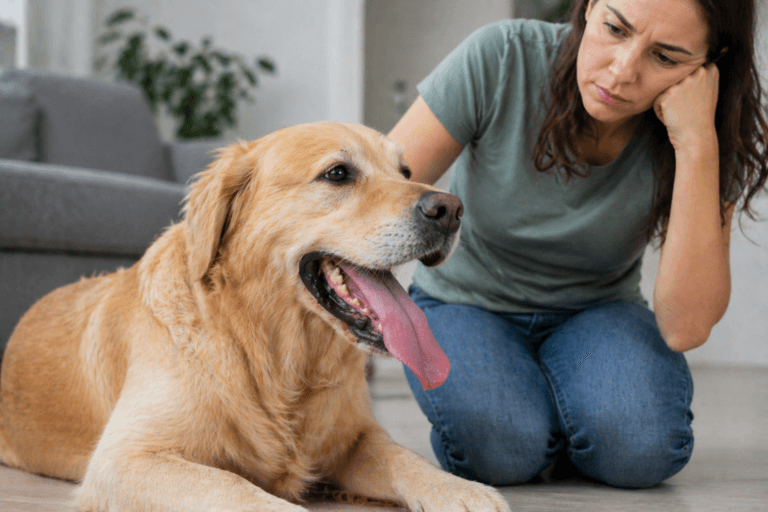
For an owner, the useful question is not whether the dog looks exactly like a photograph of a sick animal. It is whether there is a meaningful change from their normal behaviour, especially after a possible exposure. Write down when appetite, energy, drinking, vomiting, and urination changed. That short timeline is usually more helpful than trying to name the disease before the appointment.
Exposure risks: beyond rivers and farms
Think about the places your dog actually uses. Does rainwater collect beside a rubbish bin? Are there rodents near stored feed? Does a shared exercise area stay wet? A small dog using an urban courtyard can have environmental exposure just as a larger dog walking through fields can. Lifestyle descriptions such as “indoor dog” can hide brief but relevant outdoor contact.
After heavy rain or local flooding, choose routes that avoid standing water and discourage drinking from puddles. Carry clean drinking water on walks. At home, keep pet food in sealed containers and avoid leaving leftovers outside overnight. These measures reduce opportunities for exposure; they do not create a guaranteed disease-free environment or replace vaccination advice.
If exposure is suspected, note the location and approximate date without returning to collect contaminated material yourself. Tell the clinic about recent travel, boarding, rodent sightings, and vaccinations. Do not assume a neighbour’s healthy-looking dog proves that the area is safe. Equally, a single puddle encounter does not establish that infection has occurred. The history informs the veterinarian’s assessment rather than providing a diagnosis.
9 signs that deserve veterinary attention
The following signs can occur with leptospirosis in dogs, but they are not exclusive to it. Their combination, severity, and progression matter more than the number you can tick off. If your dog is deteriorating, arrange care instead of finishing an internet checklist.
- Loss of appetite or refusal of usual food.
- Unusual tiredness, weakness, or reluctance to move.
- Vomiting, particularly repeated episodes.
- Diarrhoea or other digestive upset.
- Fever or an illness that makes the dog seem sore and uncomfortable.
- A change in thirst or the amount of urine produced.
- Yellowing of the gums, skin, or whites of the eyes.
- Unexpected bleeding or bruising.
- Fast or difficult breathing.
Report observations in concrete terms. “He drank twice from the bowl and vomited three times this afternoon” gives the clinic more information than “he seems toxic.” If possible, record the last normal meal and the last normal urination. You do not need to measure every millilitre or take a rectal temperature if doing so would frighten or injure your dog.
How leptospirosis in dogs differs from a simple upset stomach
A mild digestive upset may improve, but an owner cannot safely distinguish it from kidney injury by watching appetite alone. Persistent vomiting, marked weakness, unusual thirst, jaundice, or altered urination warrants examination. Our guide to vomiting in dogs discusses other possible causes. Use related reading to describe symptoms better, rather than to delay an appointment.
What the veterinary tests can tell you
Your veterinarian may begin with blood and urine tests to assess organ function and the dog’s current stability. These investigations help answer immediate questions: is kidney function affected, are electrolytes abnormal, and does the dog need admission? Imaging may be appropriate when the findings or examination suggest additional problems. Not every dog requires an identical package of tests.
Specific testing may include PCR, which looks for bacterial genetic material, and antibody testing, often called MAT. Timing matters. The stage of infection, prior antibiotics, and vaccination history can affect how results are interpreted. In some situations, repeat testing or paired antibody samples helps clarify the picture. A negative result does not automatically settle every suspected case, and a positive antibody result needs clinical context.
Ask which samples are needed before treatment and whether treatment should begin while results are pending. Do not postpone urgent care just to obtain a particular test. Bring the vaccine record rather than relying on memory of “all injections done.” If another clinic already gave medication, provide the name, amount, and dates. A photograph of the label is preferable to a guess.
Keep a folder with the first blood results, urine results, and discharge notes. At a follow-up visit, trends may matter more than a single flagged number. Ask the clinician which changes would indicate improvement and which would prompt readmission. This makes monitoring a shared plan rather than a series of anxious comparisons with values found online.
Treatment: infection control and organ support
Treatment generally combines appropriate antibiotics with support for the complications the dog actually has. A hospital may provide carefully managed fluids, medicines for nausea, nutritional support, and monitoring of urine production and laboratory values. Fluid treatment needs particular care when kidney function is impaired. Giving large amounts of water or fluids at home is not a substitute for that assessment.
Some severely affected dogs need referral-level treatment, including dialysis where available. The prognosis depends on disease severity, affected organs, complications, and response to care. It is not possible to give a reliable individual survival estimate from a symptom list. Ask about the current treatment priorities and what the team will reassess over the next day.
Do not use leftover antibiotics, another pet’s prescription, or a shortened course because the dog appears brighter. A dog may look better before treatment and follow-up are complete. For leptospirosis in dogs, controlling infection and confirming recovery are separate tasks. If medication is vomited or refused, call the treating clinic for instructions instead of repeating or doubling a dose.
A workable household urine-hygiene plan
Ask the veterinary team for written handling and cleaning instructions suited to your home. Until you have them, minimise contact with urine, use disposable gloves for clean-up, wash hands afterwards, and keep children away from accidents. Cover cuts on your hands. Avoid splashing urine or using a hose in a way that spreads contamination across a larger area.
Choose a manageable toilet area and explain the plan to everyone caring for the dog. Keep cleaning equipment separate from kitchen items. Follow the clinician’s advice on disinfectant choice, dilution, contact time, and safe surfaces; mixing cleaning products can create a different hazard. A household plan should identify who cleans, where used materials go, and whom to contact if exposure occurs.
If a person develops illness after possible exposure, they should seek medical advice and mention the suspected animal infection. A veterinarian treats the dog; a human healthcare professional assesses people. Household members should not take veterinary antibiotics preventively on their own. Public-health guidance may vary by location, so the treating teams can help you obtain appropriate local advice.
Other dogs in the household may need an individual assessment. Shared exposure does not mean they are certainly infected, and an apparently healthy companion should not receive improvised treatment. List which animals share the garden, bowls, and walking route. Ask whether examination, testing, vaccination review, or other measures are recommended for each animal.
Vaccination and prevention without false promises
Vaccination is an important part of reducing the risk of leptospirosis in dogs. Products, initial schedules, and booster advice depend on the vaccine and local clinical guidance. Ask your veterinarian which available product is appropriate and when protection needs renewing. A routine “annual injection” may contain several components, so check the actual record.
For a dog starting or restarting protection, clarify whether an initial series is needed. For a dog with a previous suspected vaccine reaction, discuss the details rather than abandoning prevention without a plan. Our dog vaccination schedule and core and non-core vaccine guide provide background for that conversation.
Vaccination does not justify unrestricted exposure to floodwater. Keep the environmental measures simple enough to maintain: clean water on walks, sealed food storage, prompt waste disposal, and safe rodent management. Avoid leaving poisons where pets can reach them. If pest control is needed, tell the provider there are animals in the household and ask how access will be prevented.
Planning the first week after discharge
Before bringing your dog home, walk through an ordinary day with the discharge team. Explain when you leave for work, who can provide toilet breaks, where the dog normally sleeps, and whether stairs are unavoidable. Ask which parts of that routine need changing and for how long. A treatment plan that fits the actual household is more useful than instructions that depend on someone being available at every moment. If a restriction cannot be followed, say so before leaving; the team may help you arrange a workable alternative or recommend additional care.
Before leaving the clinic, confirm the medication timetable, feeding instructions, activity restrictions, next blood or urine test, and emergency contact. Ask how urine accidents should be handled and when precautions can change. Put the plan somewhere every carer can find it. Recovery from leptospirosis in dogs is easier to manage when instructions are specific.
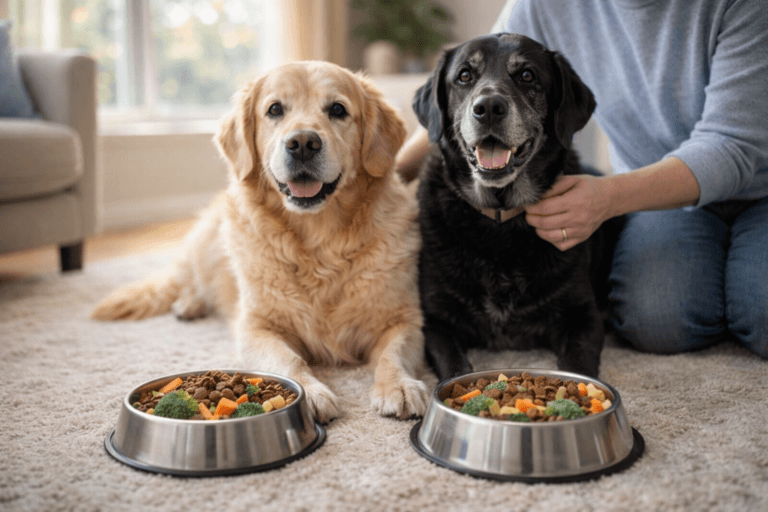
Use a brief daily record with five headings: food, water, urine, vomiting, and energy. Note whether prescribed medicines stayed down. Do not change the diet repeatedly in an attempt to make every meal perfect; ask the clinician how to respond to reduced intake. A steady routine makes it easier to identify real deterioration.
Arrange practical support if you cannot provide frequent toilet breaks or medication during working hours. Give the helper the written plan, not a verbal summary at the door. Keep transport available for the first follow-up and save copies of discharge information on your phone. These small preparations prevent avoidable confusion when a recovering dog has an unexpected change overnight.
Questions owners commonly ask
Can leptospirosis in dogs affect a vaccinated pet?
Vaccination reduces risk but does not exclude every possible infection. Tell the veterinarian the product and dates, because that history helps guide assessment and testing. A vaccinated dog with concerning symptoms still needs examination. Do not treat the vaccine record as permission to ignore jaundice, weakness, or abnormal urination.
Does every puddle exposure require antibiotics?
No exposure story alone establishes infection or determines a prescription. Call your veterinarian with the details, especially if symptoms develop or there was substantial contact with floodwater. They can advise whether an appointment or monitoring is appropriate. Never start antibiotics from a household supply simply because a walk was muddy.
Can online advice replace a hospital visit?
Online advice can help organise records or explain a discharge plan, but it cannot assess hydration, kidney function, or breathing in the way an examination and tests can. For non-emergency follow-up questions, our online veterinary consultation service may help. A collapsing or breathless dog needs in-person emergency care.
Veterinary references and further reading
Clinical background: AVMA information on leptospirosis in dogs; 2023 ACVIM consensus statement on canine leptospirosis; and CDC information on leptospirosis and exposure. The care-planning suggestions above are practical prompts for discussion with your own veterinary team, not a substitute for their treatment instructions.
This article provides general pet-health education and does not replace veterinary examination, diagnosis or an individual treatment plan. Follow the instructions of the veterinarian caring for your animal.