Cats vomit far more often than most owners expect, but it is never something to ignore. Sometimes it is just a hairball or a sudden diet change; other times it can signal serious disease. This 2025 veterinary guide explains when home treatment for cat vomiting is safe, what you can do at home, and when your cat needs urgent in-clinic care.
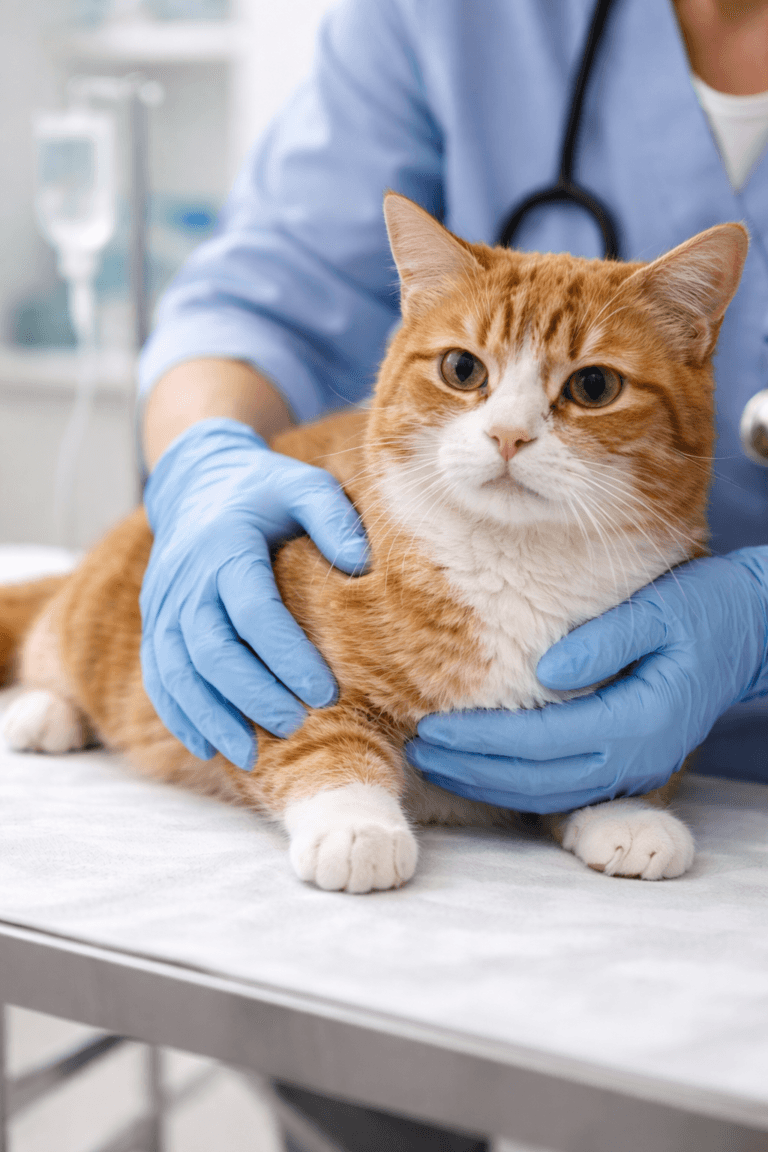
All advice in this guide is written by a licensed veterinarian, but it is not a substitute for a physical examination. If you are ever unsure whether home treatment for cat vomiting is enough, contact your local vet or use our online vet consultation service for personalised help.
What Counts as Vomiting in Cats?
Many owners use the word “vomiting” for any material their cat brings up, but medically it can be:
- Regurgitation – food comes up quietly soon after eating, with little effort. This usually indicates oesophagus or swallowing issues.
- Hairballs – tube-shaped wads of hair with some fluid or food. These are common in long-haired cats but should still not be constant.
- True vomiting – active heaving of the abdomen, drooling, licking lips, and then forceful expulsion of stomach contents.
This article focuses mainly on true vomiting and frequent hairballs, and when they can be managed with careful home treatment for cat vomiting.
Common Causes of Cat Vomiting
Understanding why your cat is vomiting helps you decide whether home treatment for cat vomiting is enough or professional care is needed.
1. Diet-Related Upset
- Sudden change of food (brand, flavour, wet to dry or vice versa).
- Eating spoiled food or rubbish.
- Eating too fast and swallowing air.
- Food intolerance or food allergy.
Mild stomach upset from diet changes is one of the most common situations where home treatment for cat vomiting can work well, provided your cat is otherwise bright and drinking.
2. Hairballs and Excessive Grooming
Hairballs form when swallowed hair irritates the stomach. Occasional hairballs may be normal, but frequent ones indicate the need for better grooming or medical evaluation.
Long-haired cats, indoor cats, overweight cats and those with skin disease often swallow more hair. In such cases, part of home treatment for cat vomiting includes regular brushing and safe hairball control products recommended by your vet.
3. Intestinal Parasites
Roundworms, hookworms and other parasites can cause vomiting, diarrhoea and weight loss. Kittens and outdoor cats are at higher risk. Regular deworming is essential; home treatment for cat vomiting should always include checking when the last proper deworming was done.
4. Dietary Indiscretion and Foreign Bodies
Some cats chew strings, toys, plastic, plants or even fabric. These can irritate the stomach or cause dangerous blockages. If you suspect your cat has eaten something non-food, home treatment for cat vomiting is not appropriate. This is an emergency that needs immediate veterinary care and possibly X-rays or ultrasound.
5. Systemic and Serious Diseases
- Kidney disease
- Liver disease
- Pancreatitis
- Hyperthyroidism (overactive thyroid)
- Diabetes mellitus or ketoacidosis
- Certain infections and cancers
These illnesses often cause repeated vomiting, weight loss, changes in thirst or appetite, and lethargy. In such cases, home treatment for cat vomiting is not enough; blood tests, imaging and hospital care may be required.
When Is Home Treatment Safe – and When Is It Not?
You can usually try careful home treatment for cat vomiting if your cat:
- Has vomited once or twice in 24 hours but is still bright, alert and interactive.
- Is drinking water and able to keep small amounts of water down.
- Has no blood in vomit or stool.
- Has no significant diarrhoea, or only mild soft stool.
- Has no known serious medical problems.
However, skip home treatment for cat vomiting and seek urgent veterinary care if you notice any of the following:
- Repeated vomiting (more than 3–4 times in 24 hours).
- Unable to keep even water down.
- Vomiting blood, coffee-ground material or worms.
- Severe diarrhoea, especially with blood.
- Distended, painful or very firm abdomen.
- Extreme lethargy, collapse, very pale or yellow gums.
- Known toxin exposure (human medicines, lilies, insecticides, etc.).
- Very young kittens, senior cats, pregnant cats or cats with chronic disease.
In these situations, do not waste time attempting home treatment for cat vomiting. Contact your local clinic immediately or use an online vet consultation for fast triage advice.
Step-by-Step Home Treatment for Cat Vomiting
If your cat seems stable and you have decided, based on the above checklist, that home treatment for cat vomiting is appropriate, follow these veterinary-guided steps.
Step 1: Observe and Record
Before changing anything, note:
- What the vomit looked like (food, foam, hair, yellow bile, clear fluid).
- What and when your cat last ate.
- Any new foods, treats or plants in the past 48 hours.
- Changes in behaviour, thirst, urination or stool.
This information is invaluable if home treatment for cat vomiting fails and you later need to visit a veterinarian.
Step 2: Short Food Rest (Fasting)
For a healthy adult cat, stop regular food for about 8–12 hours after the last vomiting episode. This allows the stomach to settle. Do not withhold water. Offer small sips of fresh water frequently.
Important: Kittens under six months, diabetic cats and very small or underweight cats should not be fasted without speaking to a vet first. For them, only a modified version of home treatment for cat vomiting is safe.
Step 3: Offer Small Amounts of Water Safely
During fasting, offer a teaspoon or two of water every 30–60 minutes. If your cat keeps this down for several hours, you can gradually increase the amount. Alternatively, you can offer ice cubes to lick or a small amount of cat-safe oral rehydration solution recommended by your vet.
If your cat vomits every time they drink, stop home treatment for cat vomiting and contact a veterinarian immediately.
Step 4: Introduce a Bland Diet
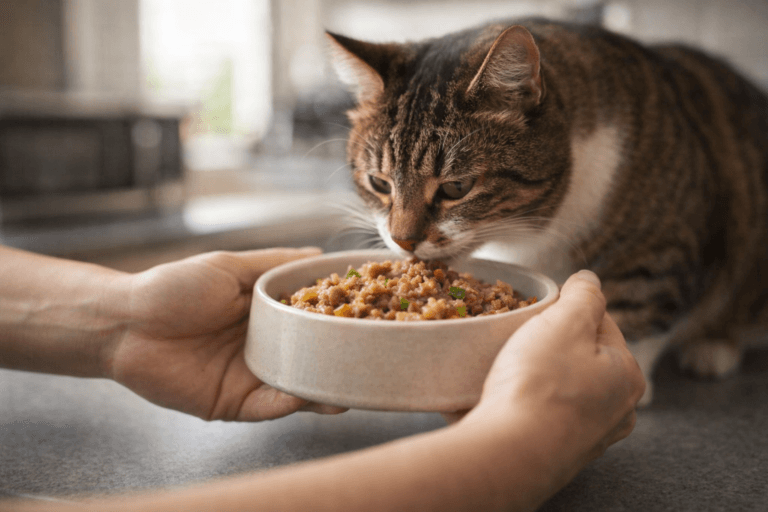
Once your cat has gone 8–12 hours without vomiting and is keeping water down, you can start a bland diet as part of home treatment for cat vomiting. Options include:
- Commercial prescription gastrointestinal (GI) diet for cats (ideal choice).
- Boiled skinless chicken breast, finely shredded, mixed with a small amount of plain boiled rice (short term only).
- Plain boiled boneless fish as an alternative for very picky cats (again, short term only).
Feed tiny meals (1–2 teaspoons) every 3–4 hours on the first day. If your cat tolerates this without vomiting, you can slowly increase portion size and reduce frequency over the next 2–3 days.
Step 5: Gradually Return to the Normal Diet
After 2–3 days of bland diet without vomiting, mix a small amount of your cat’s regular food into the bland food. Over 4–5 days, gradually increase the proportion of regular food. This slow transition is a key part of successful home treatment for cat vomiting, especially when the problem began after a diet change.
Step 6: Support Hairball Control
If your cat’s vomiting is mostly hair and foam, then home treatment for cat vomiting should focus on reducing swallowed hair. Important steps include:
- Daily brushing for long-haired cats and at least several times a week for short-haired cats.
- Using vet-approved hairball pastes or gels (never petroleum jelly on your own without guidance).
- Checking for fleas or skin disease that may cause over-grooming and arranging proper treatment.
When hairballs decrease, you will often notice that the need for repeated home treatment for cat vomiting also reduces.
Step 7: Deworming and Parasite Control
If your cat has not been dewormed in the last three months, ask your vet for an appropriate dewormer. Many over-the-counter products are ineffective or unsafe. A proper deworming plan is a simple and important part of long-term home treatment for cat vomiting and diarrhoea prevention.
Step 8: Monitor the Litter Box and Hydration
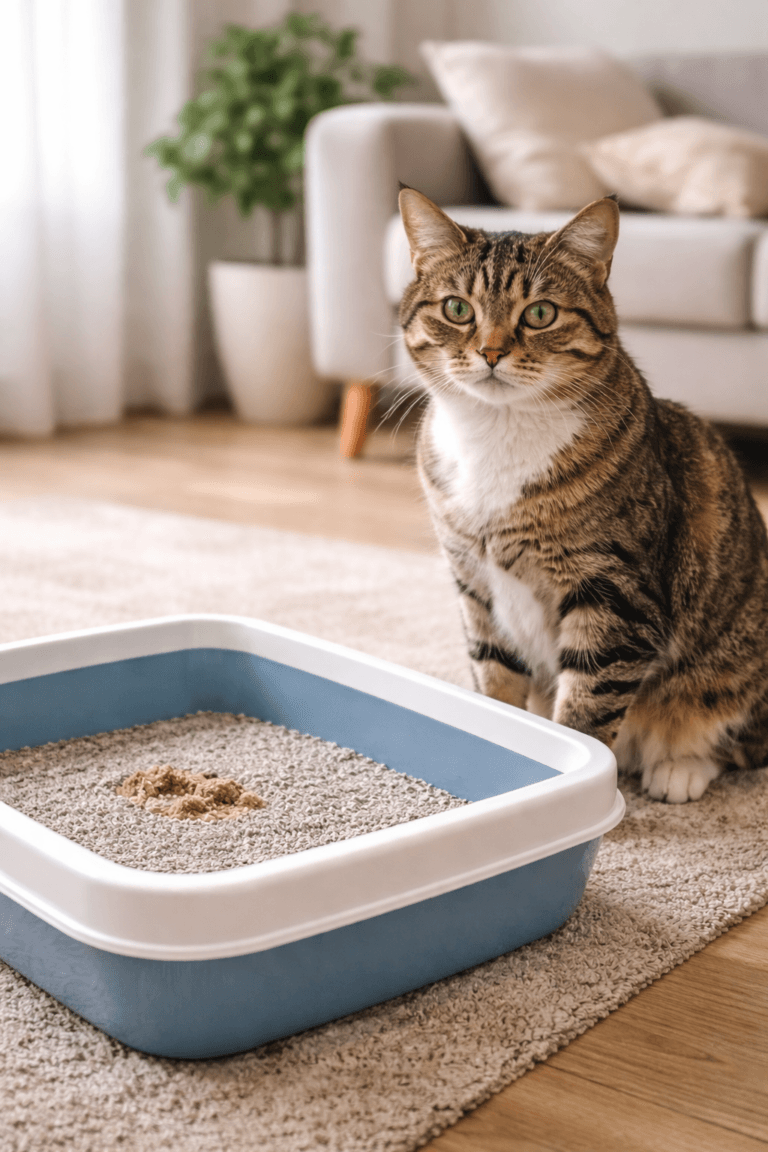
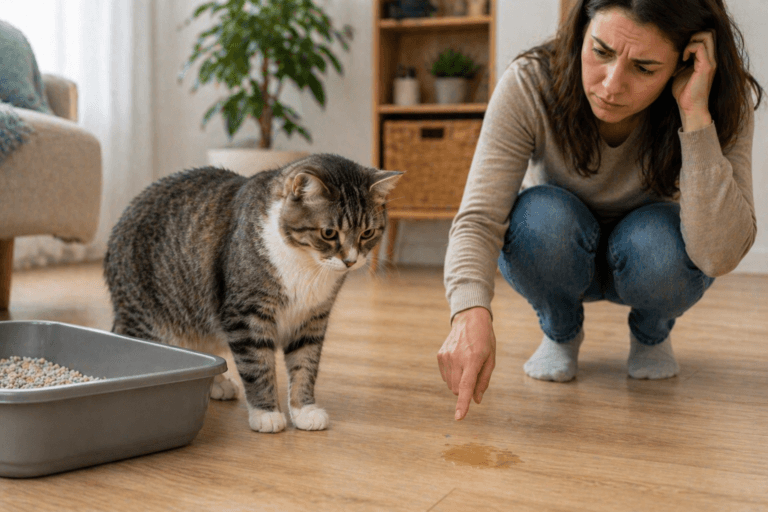
Check whether your cat is urinating and passing stool normally. Straining to pass urine, blood in urine, or no urine at all are emergencies and are not situations for home treatment for cat vomiting. Weigh your cat if possible and watch for weight loss.
To support hydration during home treatment for cat vomiting, you can:
- Offer fresh water in wide bowls and multiple locations.
- Use a cat water fountain if your cat prefers running water.
- Offer a small amount of low-salt chicken broth (on vet advice) or water from boiled fish, with no onions, garlic or spices.
- Use vet-prescribed oral rehydration products where necessary.
Step 9: Know When Home Treatment Has Failed
Even if you follow every step correctly, sometimes home treatment for cat vomiting is not enough. Contact your vet or an online veterinarian if:
- Vomiting returns once normal food is reintroduced.
- Your cat continues to vomit several times a week.
- Appetite or energy remain poor after 24–48 hours.
- Weight loss, increased thirst or changes in urination are noticed.
Ongoing vomiting usually means there is a deeper problem such as inflammatory bowel disease, food allergy, organ disease or hormonal problems that requires tests and a long-term treatment plan.
Safe and Unsafe Remedies in Home Treatment for Cat Vomiting
Medicines You Should Never Give
One of the biggest dangers in home treatment for cat vomiting is the use of human medicines or dog medicines. Cats are extremely sensitive to many drugs. Do not give:
- Human anti-vomiting tablets or syrups.
- Human painkillers such as paracetamol (acetaminophen), ibuprofen, aspirin or diclofenac.
- Human anti-diarrhoeal drugs like loperamide without veterinary advice.
- Leftover antibiotics from other pets or people.
These can cause severe poisoning, organ failure and even death. Proper home treatment for cat vomiting never includes self-prescribing medication. Only use drugs that your veterinarian has specifically prescribed for your cat with clear dosing instructions.
Safe Supportive Options (With Vet Guidance)
Some treatments can be part of supervised home treatment for cat vomiting if your vet agrees:
- Prescription anti-vomiting injections or tablets given at home after diagnosis.
- Probiotics specially formulated for cats to support gut health.
- Prescription GI diets with highly digestible proteins and controlled fat.
- Allergy or novel protein diets for suspected food sensitivity.
Every cat is different, so your vet may adapt home treatment for cat vomiting to your cat’s age, body condition and medical history.
How to Prevent Future Vomiting Episodes
Once your cat has recovered, prevention is the final step in successful home treatment for cat vomiting.
- Feed a consistent, high-quality diet. Avoid frequent brand changes and cheap foods with artificial colours or fillers.
- Change diets slowly. When you must change food, mix the new and old over 7–10 days.
- Use puzzle feeders. These slow down fast eaters and reduce gulping and regurgitation.
- Keep bins closed and plants out of reach. This prevents eating rubbish or toxic plants such as lilies.
- Brush regularly. Especially long-haired cats, to reduce hairballs.
- Maintain a deworming and flea-control schedule. Ask your vet for a calendar suited to your region.
- Schedule routine health checks. Senior cats (over 7 years) benefit from blood and urine tests every 6–12 months to detect early kidney, liver or thyroid disease before vomiting begins.
Using Online Vet Consultation for Vomiting Cats
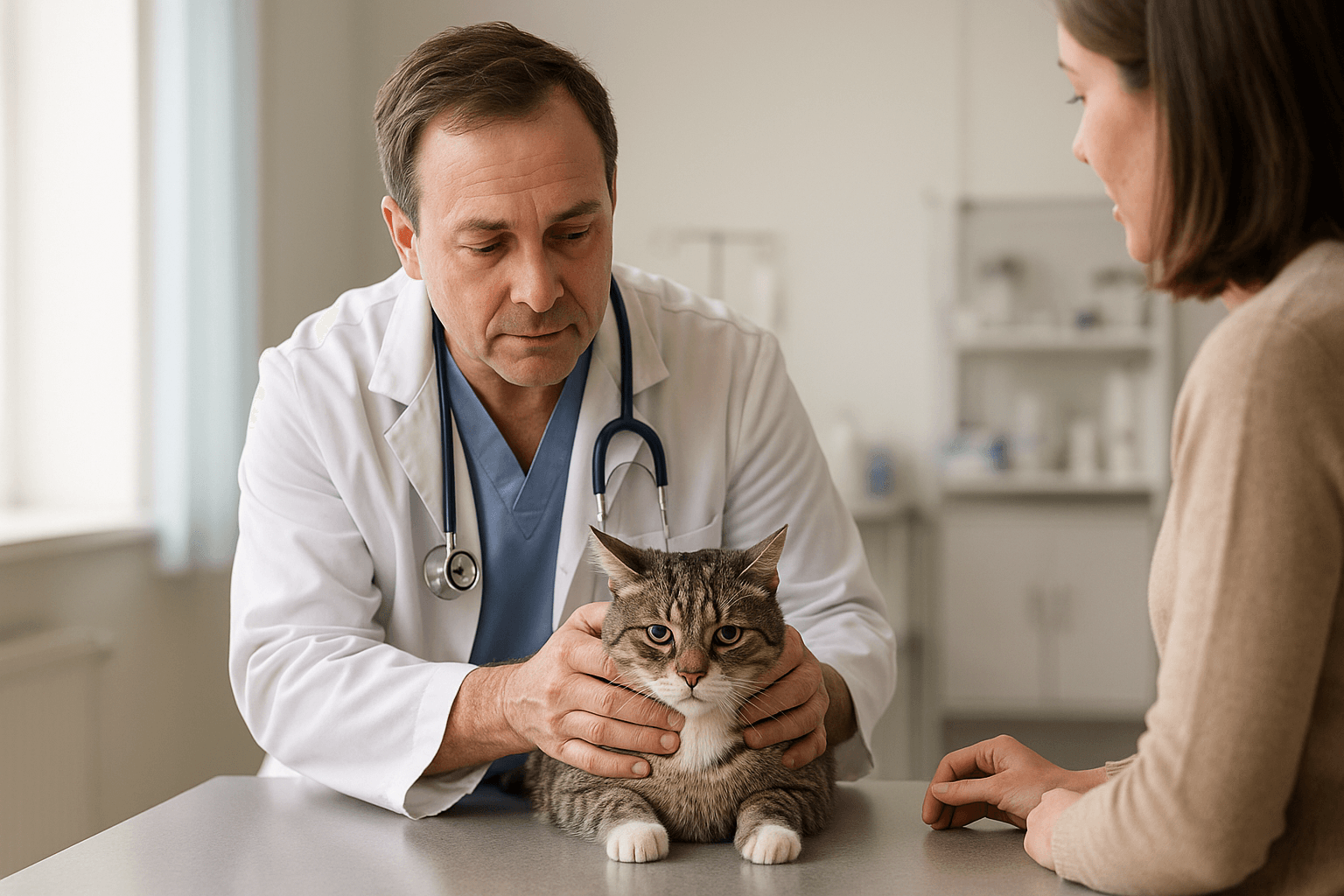
Sometimes it is not easy to decide whether it is safe to continue home treatment for cat vomiting or whether a clinic visit is urgent. In such situations, an online veterinarian can guide you.
Through photo and video review, along with a detailed history, an experienced vet can:
- Assess how serious your cat’s vomiting appears.
- Tell you whether home care is acceptable or if emergency treatment is needed.
- Provide a personalised home treatment for cat vomiting plan including feeding schedule, monitoring and warning signs.
- Advise which tests (blood work, X-rays, ultrasound) are likely needed if vomiting persists.
If you live in an area with limited access to cat specialists, or if reaching a clinic is difficult, an online vet consultation can be a safe first step before or between physical visits.
Frequently Asked Questions About Home Treatment for Cat Vomiting
1. How long can I try home treatment before seeing a vet?
If your cat is otherwise bright and eating small meals, you can usually attempt home treatment for cat vomiting for 24 hours. If vomiting continues beyond that, or recurs after initial improvement, schedule a veterinary visit or online consultation.
2. Is it normal for my cat to vomit hairballs every week?
No. Regular weekly hairballs suggest either excessive grooming, high hair intake, or poor gut motility. In this case, home treatment for cat vomiting should include hairball control and a vet check to rule out underlying disease such as inflammatory bowel disease or food intolerance.
3. Can I use home remedies like ginger, mint or herbal teas?
Many human home remedies are not tested or safe for cats. Some herbs and essential oils are toxic. True home treatment for cat vomiting should be simple, focusing on diet, hydration and monitoring, not on experimental herbal mixes. Always consult your vet before giving any supplement.
4. My cat only vomits after eating dry food. What should I do?
This may indicate that your cat eats too quickly, does not chew well, or is sensitive to a particular brand. You can try slowing feeding with puzzle feeders, switching to a different high-quality dry food, or moving to a wet diet under veterinary supervision. If vomiting continues despite these changes, a full medical workup is needed and not just home treatment for cat vomiting.
5. When is vomiting an emergency in cats?
Vomiting is an emergency if your cat cannot keep water down, has a swollen painful belly, shows signs of poisoning, has difficulty breathing, passes no urine, or becomes very weak and unresponsive. In these cases, home treatment for cat vomiting is dangerous and you must seek immediate veterinary care.
Key Takeaways
- Occasional mild vomiting can sometimes be managed with careful home treatment for cat vomiting, but repeated or severe vomiting is always a red flag.
- Short fasting, controlled water intake, a bland diet and hairball control are the main safe steps for home care.
- Never give human medicines to cats; many are highly toxic.
- Prevention through diet, grooming, parasite control and regular check-ups is easier than repeated home treatment for cat vomiting.
- If in doubt, talk to a veterinarian in person or via an online vet consultation before the problem becomes an emergency.
Conclusion
Vomiting is one of the most common problems seen in feline practice. With the right knowledge, cat owners can safely use home treatment for cat vomiting in selected mild cases — while recognising the danger signs that demand urgent veterinary care. By combining sensible home care, high-quality nutrition, good grooming and timely professional advice, you can protect your cat’s health and comfort for many years.
If your cat is currently vomiting and you are worried, do not guess. Gather a short history, take clear photos or videos of the vomiting, and reach out to your local veterinarian or schedule an online vet consultation for a personalised plan.
This guide is for educational purposes only and does not replace a physical examination by a licensed veterinarian. Always follow your veterinarian’s specific instructions for your cat.