Flystrike in rabbits is an emergency in which flies lay eggs on a rabbit and the developing larvae damage tissue. A damp or dirty rear end is a warning to investigate, but even a rabbit in a clean home can be affected. Finding moving maggots, clusters of suspected eggs, or a painful wound means contacting a veterinarian immediately, not planning a longer grooming session.
The practical challenge is recognising the problem early without wasting time on home treatments. This guide covers eight warning signs, safe transport, what the clinic may need to do, and a daily prevention routine. It also explains why repeatedly cleaning a dirty bottom without investigating the cause leaves an important part of the problem unresolved.
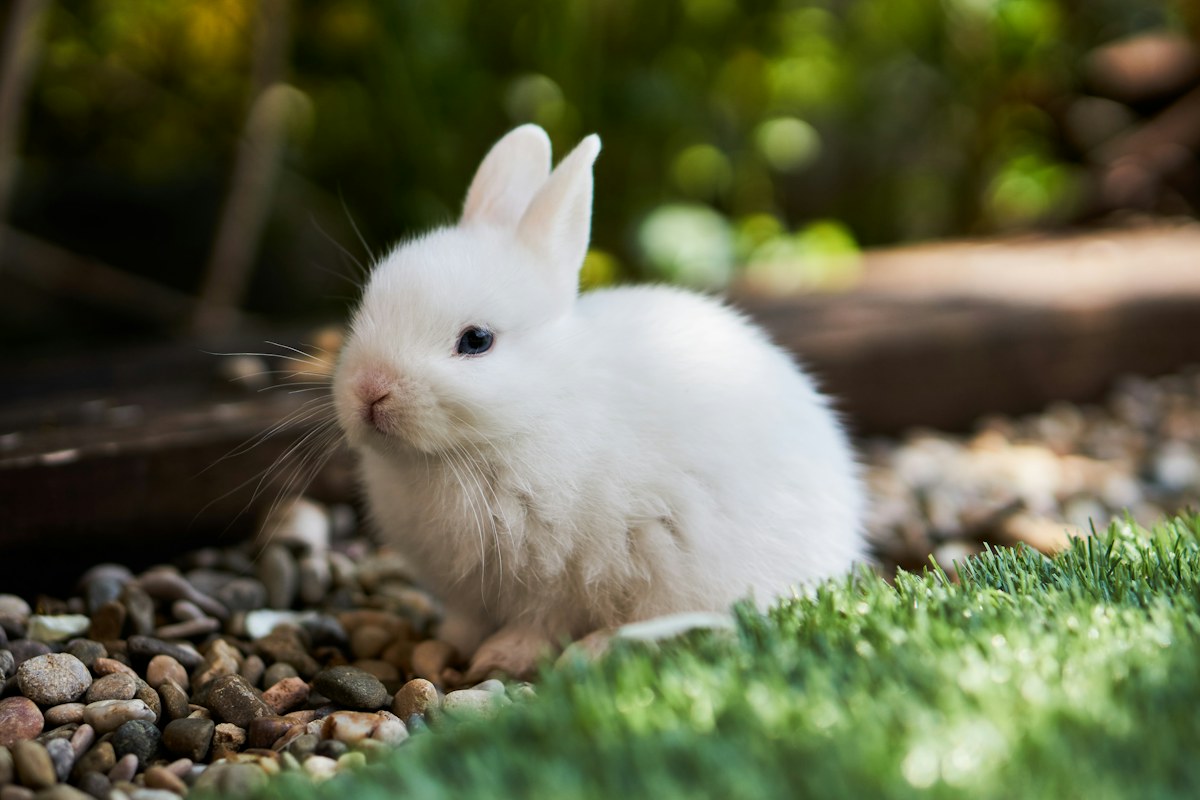
How flystrike in rabbits develops
Flystrike, also called myiasis, involves fly larvae feeding on an animal’s tissue. Flies may be attracted to soiled fur, moist skin, wounds, or discharge. Eggs and early larvae can be difficult to spot beneath the coat. By the time a rabbit looks obviously unwell, damage may be more extensive than the visible patch suggests.
A quick glance over the top of the rabbit is not a complete check. The rear end, tail region, skin folds, and areas around wounds need attention. Some rabbits cannot groom effectively because of obesity, pain, dental problems, or reduced mobility. Housing hygiene matters, but it does not explain every case or make inspection unnecessary.
Separate two decisions in your mind. Preventive grooming is routine care for a comfortable rabbit with intact skin. Suspected flystrike is a medical emergency. Once eggs, larvae, damaged skin, or systemic illness enter the picture, the aim changes from tidying the coat to getting the rabbit examined and stabilised.
8 warning signs to check for
These signs do not all have to be present. Flystrike in rabbits may be discovered during an ordinary bottom check before the rabbit appears dramatically ill. Conversely, lethargy or refusal of food may be the first clue that prompts you to look more closely.
- Clusters of tiny pale material that could be fly eggs.
- Visible moving maggots in the fur or on the skin.
- Wet, urine-soaked, or heavily soiled fur around the rear.
- A wound, raw patch, or unusual discharge.
- An unpleasant new smell from the coat or skin.
- Restlessness, repeated attention to the rear, or apparent pain.
- Reduced eating or fewer droppings.
- Unusual quietness, weakness, or collapse.
Do not repeatedly handle a distressed rabbit to decide whether each speck is an egg. A photograph may help the clinic prepare, but it should take seconds and should never postpone transport. If you are unsure what you have found, describe it honestly: its location, whether it moves, and whether the skin looks damaged.
Why flystrike in rabbits needs immediate care
The visible larvae are only part of the concern. Tissue damage, pain, dehydration, and a deteriorating general condition can accompany the infestation. A rabbit who becomes weak or stops eating has additional urgent needs. The clinic needs to assess the whole animal, not just remove something unpleasant from the coat.
What to do before leaving for the clinic
Call ahead and say that you suspect flystrike. Ask whether the practice can treat rabbits immediately and where to go if it cannot. Keep the explanation short: what you found, when the rabbit last ate, and whether there are normal droppings. A reception team can make better arrangements when it knows this is an emergency.
Place the rabbit in a secure carrier on a clean, dry towel or other suitable bedding. Keep the environment quiet and protect the rabbit from flies. Avoid overheating the carrier in a car or placing it in direct sun. Ask the clinic whether a bonded companion should travel too; do not assume the same arrangement suits every emergency.
Do not apply household insect spray, dog flea products, disinfectant, essential oils, or powders. Products safe for a surface or another species may injure a rabbit or complicate treatment. If anything has already been used, take the container or a photograph of its label. Give the team the exact information without trying to conceal an understandable mistake.
A full bath can cause distress and delay assessment, and a wet coat can complicate transport. Removing a few visible larvae does not prove that deeper or hidden larvae are gone. Follow direct instructions from the veterinarian rather than attempting a complete home procedure. Safe, prompt transport remains the priority.
What veterinary treatment may involve
The team first evaluates the rabbit’s stability, pain, temperature, hydration, and affected areas. Clipping and careful examination help reveal the extent of infestation. Removal of larvae, wound cleaning, and treatment of damaged tissue may require sedation or anaesthesia. Medicines and supportive care depend on the findings and the rabbit’s general condition.
A severely ill rabbit may need hospitalisation rather than a brief outpatient visit. The clinician may also investigate why the coat became soiled or why grooming failed. Appetite and gut function need attention alongside the skin problem. Our rabbit GI stasis guide explains why reduced food intake deserves its own assessment.
Ask what has been removed, which wounds remain, and whether another examination is expected. Treatment for flystrike in rabbits can involve repeated checks. A cleaner-looking coat after the first visit is not the only measure of recovery. Eating, droppings, comfort, and wound condition all contribute to the follow-up plan.
If surgery or hospital admission is recommended, ask the team to explain the immediate priorities, available options, and likely reassessment points. Outcomes vary with the extent of injury and illness. No article can promise recovery from an individual case or determine that treatment is futile based on one photograph.
Why a dirty bottom keeps returning
Some owners become trapped in a cycle of cleaning the same area every few days. That is a signal to ask why the rabbit is soiling itself. Uneaten caecotrophs, diarrhoea, urine leakage, reduced mobility, excess weight, pain, and an unsuitable diet are possible contributors. The appearance of the material helps the veterinarian distinguish them.
Record whether you see formed pellets, soft sticky clusters, watery stool, or urine-wet fur. These are not interchangeable descriptions. Take a photograph of the bedding or droppings if useful. Do not change several foods and supplements simultaneously before the appointment; that can make the history harder to interpret.
A rabbit with painful teeth may struggle with normal feeding and grooming routines. Our rabbit dental disease guide covers clues such as altered chewing and drooling. A rabbit with balance or movement problems may also need assistance; see the separate guide to rabbit head tilt for that clinical situation.
Ask for a prevention plan that addresses the underlying cause. More cleaning may help hygiene, but it cannot correct every dental, urinary, dietary, or mobility problem. In practical terms, prevention succeeds when your rabbit can stay dry and comfortable and someone knows what to do when that changes.
Building a twice-daily inspection habit
Check your rabbits daily, and in warm weather inspect them carefully at least twice a day, paying particular attention to the rear and tail. Choose times you can maintain, such as the morning feed and evening clean-up. A repeatable routine is better than a detailed checklist that only happens occasionally.
Use good light and gentle handling, with the rabbit’s body supported. Ask a veterinary nurse to demonstrate a safe method if you are unfamiliar with it. Do not turn a rabbit onto its back to make it motionless. If lifting is difficult, the team may suggest an alternative position or approach suited to your rabbit.
Look through the coat to the skin where possible. Check for dampness, stuck droppings, wounds, unusual smell, and material that could be eggs. Notice whether your rabbit reacts as though an area is sore. Also observe appetite, movement, and normal droppings. Flystrike in rabbits is easier to catch when skin inspection sits within a broader daily health check.
- Morning check completed and rear end dry.
- Normal food intake and droppings observed.
- Toilet area cleaned and damp bedding removed.
- Evening skin and tail check completed.
- Any change recorded with a plan to contact the clinic.
Housing changes that make prevention easier
Remove soiled litter and damp bedding promptly. Keep the main toilet area clean each day and plan regular cleaning of the rest of the housing. Look for leaking bottles, rain entering an enclosure, or a surface that remains wet after cleaning. A visually tidy enclosure can still contain damp material under a tray or sleeping area.
Where flies are a problem, discuss suitable fly barriers for the enclosure without reducing ventilation or allowing the space to overheat. Repair gaps and keep waste bins away from the animals where practical. Insect-proofing is one layer of protection, not a reason to stop checking the rabbits themselves.
If a rabbit needs assistance staying clean, arrange a grooming demonstration. Rabbit skin is delicate, so cutting out mats with scissors close to the skin is risky. Ask whether professional clipping is appropriate. Cleaning a small soiled area in a well rabbit is different from bathing an injured or systemically unwell animal.
Indoor housing reduces some exposures but does not eliminate flies or underlying illness. Make the same care plan for a rabbit living indoors. If you are away, ensure the helper can inspect the rear and knows the emergency contact. A person who only refills a bowl may miss an infestation under the coat.
Preventive products: ask about suitability and timing
In some locations, veterinary-approved products are available to help prevent flystrike. Their use depends on the product label, the rabbit’s age and condition, and local availability. Ask your veterinarian whether a product is suitable, how often it should be applied, and what precautions apply around damaged skin.
A preventive product does not replace daily inspection and is not an emergency treatment for an existing infestation. Keep its name and application dates in your care record. If several household members share responsibilities, designate one person to manage the schedule so that treatments are neither missed nor duplicated.
Do not choose an insect treatment by looking only for the word “maggots” on a label. Species suitability, active ingredients, and application instructions matter. If you cannot obtain the recommended product, ask about alternatives rather than substituting a farm or dog treatment. Prevention of flystrike in rabbits should use a rabbit-specific veterinary plan.
Aftercare following treatment
Ask for written instructions on wound care, medicines, feeding, housing, and rechecks. Clarify whether a dressing should be changed at home or only at the clinic. Give medication as prescribed and contact the team if a dose is refused, lost, or followed by a concerning change. Do not add a second topical product without discussing it.
Prepare a clean, dry recovery area that is easy to inspect. Check appetite and droppings as directed and keep flies away. Report worsening smell, discharge, swelling, weakness, or reduced food intake. If the rabbit seems painful despite treatment, call the clinic; do not respond by increasing pain relief yourself.
Once the emergency has passed, book a review of the original risk factors. Was there urine leakage, excess weight, dental disease, or a grooming difficulty? Which part of the daily routine failed, and what can make it easier? This follow-up is an opportunity to prevent recurrence without assigning blame.
Common questions about flystrike
Can flystrike in rabbits happen during cooler months?
Risk depends on local fly activity and conditions rather than a calendar alone. Warm indoor areas and changes in weather can alter exposure. Continue daily health checks throughout the year and increase vigilance when flies are active. A rabbit with a wound or damp coat still needs attention even outside the usual warm season.
Is my rabbit safe if I removed the visible maggots?
No. Hidden larvae and tissue damage may remain, and the rabbit still needs assessment for pain and systemic illness. Contact the veterinarian immediately. Describe what you removed and what remains visible, but do not delay travel to keep searching through the coat.
Can flystrike be confused with another rabbit disease?
A rabbit may have several problems at the same time. For example, myxomatosis is a different disease and requires its own assessment. Visible larvae are an emergency finding regardless of whether another illness is also suspected. Do not try to select one diagnosis before asking for help.
References and further reading
Clinical and welfare background: RSPCA: flystrike in pets; RSPCA: rabbit health checks; and RSPCA: rabbit diet advice. For non-emergency care planning, you can also use our online veterinary advice service. Suspected flystrike requires immediate in-person care.
This article provides general pet-health education and does not replace veterinary examination, diagnosis or an individual treatment plan. Follow the instructions of the veterinarian caring for your animal.