
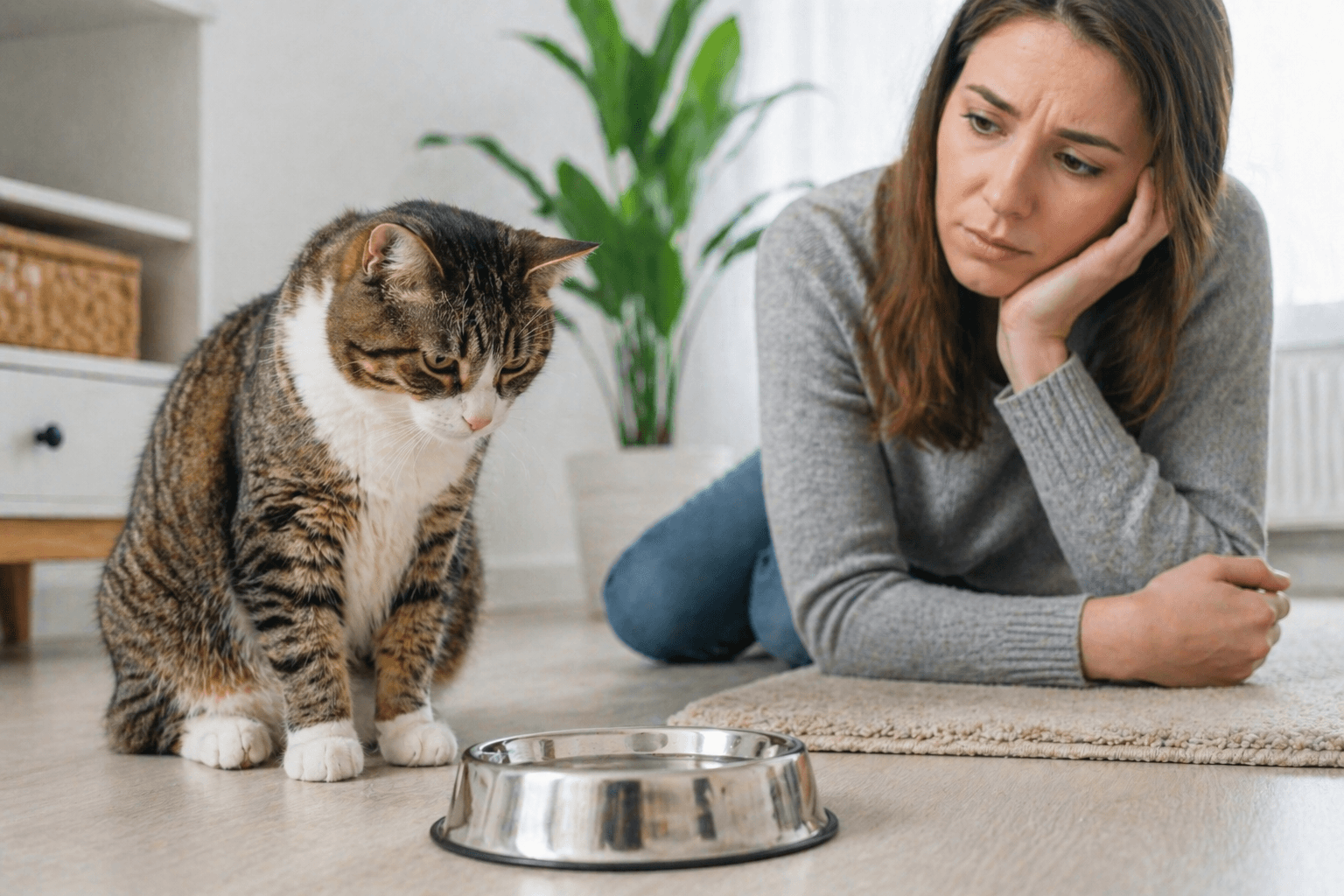
Quick Answer: If your cat is not drinking water, it may be due to wet food intake, stress, dirty bowls, poor bowl placement, dental pain, nausea, kidney disease, urinary problems, fever, or dehydration. A cat eating wet food may drink less naturally, but a cat refusing water completely, eating dry food only, or showing weakness, vomiting, constipation, or urinary signs should be checked by a veterinarian.
Cat not drinking water is a common concern for owners, but it can be confusing because cats do not drink like dogs. A cat not drinking water may still look normal for some time, especially if the cat is eating wet food and getting moisture from meals. However, a cat not drinking water can also be at risk of dehydration, constipation, urinary crystals, urinary blockage, kidney stress, fever, and serious illness. The important thing is to understand whether your cat is drinking less because of diet and habit, or because something is wrong medically.
At General Veterinary Hospital Lahore, we often hear owners say, “Doctor, my cat does not drink water, but he is still eating.” Sometimes the cat is actually stable because most moisture is coming from wet food. But in many cases, especially in cats eating only dry food, low water intake becomes a hidden problem. We see cats with constipation, urinary discomfort, kidney disease, and dehydration where the earliest warning sign was simply that the water bowl was untouched.
Cats naturally have a low thirst drive because their ancestors got much of their water from prey. Indoor cats today may eat dry food, live in warm homes, sleep in air-conditioned rooms, use plastic bowls, or drink from only one water source. These small management details can make a big difference. This guide explains why cats avoid water, how to increase water intake safely, what warning signs to watch for, and when your cat needs veterinary care.
Is It Normal for Cats to Drink Less Water?
Yes, some cats naturally drink less than expected. This is especially true if they eat wet food, because wet food may contain around 70–80% moisture. A cat eating mostly wet food may rarely visit the water bowl and still remain hydrated. But a cat eating dry food needs to drink separately because dry food contains very little moisture.
The key question is not only “How much is my cat drinking?” The better question is: “Has my cat’s normal pattern changed?” If your cat used to drink normally and suddenly stops, or if a dry-food cat barely drinks at all, that deserves attention.
How Much Water Should a Cat Drink?
A general estimate is around 50–60 ml of water per kg body weight per day, including moisture from food. For a 4 kg cat, total daily water need may be around 200–240 ml from all sources. But this does not mean every cat must drink that much from the bowl. A wet-food cat gets much of it from meals. A dry-food cat must drink more from the bowl or fountain.
In Lahore’s hot weather, water needs can increase. Cats in warm rooms, cats with fever, cats with diarrhea, and cats eating dry food may need more fluid support. Senior cats and cats with kidney or urinary history should be watched especially carefully.
Common Reasons a Cat Is Not Drinking Water
1. Wet Food Provides Enough Moisture
This is the least worrying reason. If your cat eats mainly wet food, drinks little, urinates normally, has good energy, and has moist gums, the low bowl drinking may be normal. Many healthy wet-food cats rarely drink visible amounts of water.
However, if the same cat stops eating wet food or starts eating dry food, the water pattern should change. If it does not, dehydration risk increases.
2. Dry Food Diet With Poor Drinking Habit
This is one of the most common risk patterns we see at General Veterinary Hospital Lahore. A cat is fed only dry kibble, drinks very little, and gradually develops constipation or urinary issues. Dry food is convenient, but it does not provide the moisture cats naturally need from food.
If your cat eats dry food only, you should actively encourage water intake using bowls, fountains, and wet food introduction. This is especially important for male cats because concentrated urine may contribute to urinary crystal and blockage risk.
3. Dirty Bowl or Stale Water
Cats are very sensitive to smell. A bowl that looks clean to a human may still smell unpleasant to a cat. Plastic bowls can hold odor and scratches where bacteria collect. Food particles in water can also make cats avoid it.
Many cats prefer fresh water changed at least once or twice daily. Stainless steel, ceramic, or glass bowls are usually better than plastic bowls.
4. Wrong Water Bowl Location
Some cats avoid water because the bowl is placed beside food, near the litter box, in a noisy hallway, or where another pet blocks access. Cats often prefer water placed in a quiet, safe location away from litter trays and strong food smells.
In multi-cat homes, one bowl is usually not enough. A shy cat may avoid the water bowl if another cat guards that area.
5. Stress or Change in Routine
Stress can reduce both appetite and drinking. New pets, guests, travel, home renovation, loud noise, moving house, or changing the cat’s room can affect water intake. Some cats hide more and visit bowls less when they feel unsafe.
At General Veterinary Hospital Lahore, stress-related low drinking is often seen after boarding, relocation, or introduction of a new cat. The cat may not be “stubborn”; it may simply feel insecure.
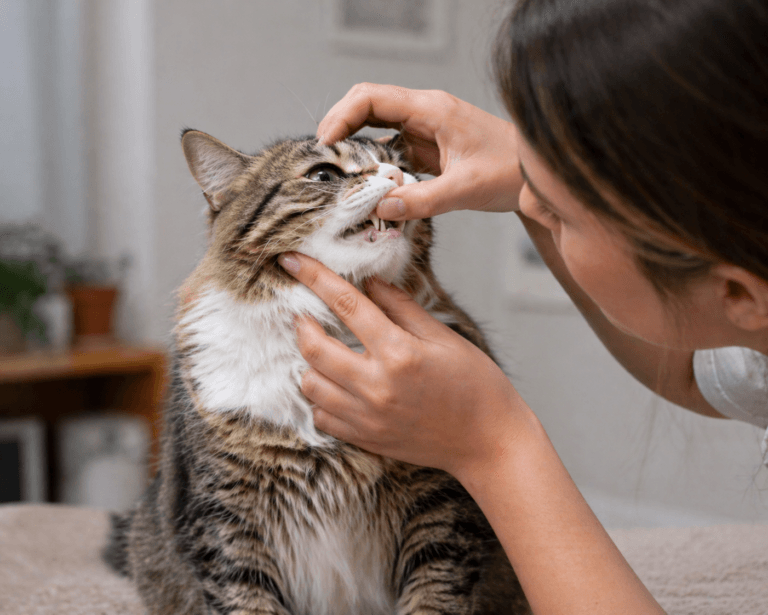
6. Dental Pain or Mouth Problems
A cat with painful teeth, gum inflammation, mouth ulcers, or oral injury may avoid drinking because moving the tongue or swallowing hurts. These cats may also drool, smell bad from the mouth, chew strangely, or prefer soft food.
If bad breath or drooling is present, related articles such as cat bad breath and cat drooling can help owners understand the mouth-pain connection.
7. Nausea or Stomach Upset
Nauseous cats may avoid both food and water. They may lick their lips, swallow repeatedly, hide, vomit foam, or sniff food and walk away. Some cats sit near the bowl but do not drink.
Nausea can happen with hairballs, diet change, pancreatitis, kidney disease, liver disease, fever, toxins, or intestinal problems. If your cat is also not eating, your article on why is my cat not eating fits naturally here.
8. Kidney Disease
Kidney disease usually makes cats drink more, not less, especially in early and middle stages. However, a kidney patient may drink less if they become nauseous, weak, dehydrated, or severely ill. A senior cat with changing drinking habits always deserves attention.
Watch for weight loss, poor appetite, vomiting, dull coat, bad breath, and increased urination. Your existing guide on cat kidney disease is strongly connected to this topic.
9. Urinary Disease or Urinary Blockage
Low water intake can make urine more concentrated, which may increase urinary irritation in some cats. On the other hand, a cat with urinary pain may hide, stop eating, and stop drinking because of discomfort.
A male cat that is straining, visiting the litter box again and again, crying, passing drops, or not passing urine is an emergency. Do not wait to see whether he drinks later. Urinary blockage can become life-threatening quickly.
This section should strongly connect with urinary blockage in cats and cat peeing outside the litter box.
10. Constipation
Cats that do not drink enough are more likely to develop hard, dry stool. Constipation can then reduce appetite and make the cat feel uncomfortable, creating a cycle: less water, harder stool, more discomfort, less eating and drinking.
Owners may notice smaller stool, dry stool, straining, fewer litter-box visits, or vomiting. Your article on constipation in cats is a natural internal link here.
Signs Your Cat May Be Dehydrated
Dehydration can be mild at first, but cats can worsen quickly if they are not drinking and not eating. Watch for these signs:
- Dry or sticky gums
- Lethargy or hiding
- Sunken-looking eyes
- Reduced urination
- Hard, dry stool
- Poor appetite
- Weakness
- Skin staying lifted when gently tented
The skin tent test is not perfect, especially in older or very thin cats, but it may give a clue. Gums, energy, urination, and appetite are usually more useful for owners to monitor.
How to Increase Your Cat’s Water Intake
1. Add Wet Food Gradually
The easiest way to increase water intake is to add moisture through food. Wet food naturally increases hydration. If your cat refuses wet food at first, introduce it slowly by mixing a small amount with familiar food.
2. Add Water to Food
Add a teaspoon or two of water to wet food and gradually increase. Some cats also accept slightly softened dry food, but do not leave moistened dry food out for long because it can spoil.
3. Use Multiple Water Stations
Place water bowls in different quiet areas of the house. Many cats drink more when they find water during normal walking routes.
4. Try a Cat Water Fountain
Many cats prefer moving water. A fountain may encourage drinking, especially in cats that like taps or running water. Clean the fountain regularly because slime and bacteria can build up.
5. Change the Bowl Type
Use wide, shallow ceramic, stainless steel, or glass bowls. Some cats dislike deep bowls because their whiskers touch the sides. This is sometimes called whisker stress.
6. Keep Water Away from Litter Box
Water should not be near the litter tray. Many cats naturally avoid drinking near toileting areas. Place bowls in calm, clean areas.
7. Keep Water Fresh
Change water at least twice daily if possible. In warm weather, water can become stale quickly. Wash bowls daily, not just refill them.
What Not to Do
- Do not force water into your cat’s mouth with a syringe unless your vet advises it
- Do not wait several days if your cat is not eating or drinking
- Do not place water beside the litter tray
- Do not rely only on dry food for cats with urinary or constipation history
- Do not ignore straining, vomiting, weakness, or hiding
- Do not add salty flavoring or unsafe broths to water
Force-feeding water can cause stress and, if done incorrectly, may risk aspiration. It is better to improve hydration safely and get veterinary help when warning signs appear.
Real-Life Case Example from General Veterinary Hospital Lahore
A young indoor male Persian cat was brought to General Veterinary Hospital Lahore because he was dull and the owner noticed he had not been drinking much water. He was eating dry food only and had one plastic water bowl placed close to the litter tray. The family thought he was just a “low water drinker.” On examination, he was mildly dehydrated and had urinary discomfort. The treatment plan included medical care, diet correction, increased wet food, multiple clean water stations, and better litter-box monitoring.
This type of case is very common. The problem does not always begin as a dramatic emergency. Sometimes it starts with small daily habits: dry food only, dirty bowl, poor water location, less urine monitoring, and delayed check-up.
When to See a Vet Immediately
Seek veterinary care quickly if your cat is not drinking water and also has any of these signs:
- Not eating
- Vomiting
- Severe lethargy
- Weakness
- Straining to urinate
- Passing only drops of urine
- No urine passed
- Blood in urine
- Constipation or painful stool
- Dry gums or sunken eyes
A cat that is not drinking and not eating is much more concerning than a cat that eats wet food well and simply drinks little from the bowl. In cats, appetite and hydration are closely linked.
Simple Hydration Risk Chart
Frequently Asked Questions
Is it normal if my cat never drinks water?
It may be normal if your cat eats mostly wet food and is otherwise healthy. But if your cat eats dry food, has reduced urine, is constipated, or seems unwell, it is not normal.
How long can a cat go without water?
Even 24 hours without water can become risky, especially if the cat is also not eating, vomiting, or sick. Do not wait if your cat looks weak or dehydrated.
Can I give my cat milk instead of water?
No. Milk is not a replacement for water and may cause diarrhea in many cats. Fresh clean water and moisture-rich food are safer.
Do water fountains really help cats drink?
Yes, many cats drink more from fountains because they like moving water. But the fountain must be cleaned regularly.
Why is my cat drinking less but peeing normally?
Your cat may be getting moisture from wet food. Still, monitor appetite, energy, gum moisture, stool quality, and any behavior change.
Final Thoughts
Cat not drinking water should never be ignored, especially in cats eating dry food, cats with urinary history, senior cats, and cats living in hot weather. Sometimes cat not drinking water is harmless because the cat gets enough moisture from wet food. But sometimes cat not drinking water is an early warning sign of dehydration, urinary disease, kidney problems, nausea, dental pain, constipation, fever, or stress.
At General Veterinary Hospital Lahore, we strongly advise owners to watch the complete picture: food type, urine output, stool, appetite, energy, and behavior. Small changes like adding wet food, changing bowl type, using multiple water stations, and keeping water fresh can help many cats. But if your cat is weak, vomiting, not eating, straining to urinate, or passing less urine, veterinary care should not be delayed.
Hydration is not just a small part of cat care. It protects the kidneys, urinary tract, digestion, temperature balance, and overall comfort. A well-hydrated cat is more likely to stay active, comfortable, and healthier for longer.



It’s interesting how cats on wet food can seem fine while drinking very little water, but for dry food eaters, hydration becomes a hidden risk. I hadn’t realized that factors like stress or even the placement of their water bowl could affect how much they drink. This really makes me more aware of checking my cat’s daily water intake.
This article really highlights an important but often overlooked issue—cats can go days without drinking much water, especially if they’re on a dry food diet, which makes regular monitoring crucial. It’s reassuring to see the emphasis on differentiating between normal behavior and potential health risks like urinary issues or kidney stress. Thanks for breaking down the signs that warrant a vet visit, as early intervention can make a big difference.