Vet-written guide to excessive surface licking
Quick answer: A dog licking the floor constantly may be investigating food smells, but repeated, hard-to-interrupt surface licking can be a sign of nausea or gastrointestinal disease, dental or mouth pain, hunger, anxiety, compulsive behavior, cognitive decline, or exposure to a substance on the floor. Stop access to chemicals and foreign material, record a video and the timing around meals, and arrange a veterinary exam if the behavior is new, frequent, or persistent. Repeated dry heaving, a swollen belly, collapse, breathing trouble, seizures, or suspected toxin exposure is an emergency.
An occasional lick where dinner spilled is normal dog behavior. A dog explores with the nose and mouth, and a kitchen floor can preserve odors long after people consider it clean. Constant floor licking is different. The dog may sweep the tongue over tile, carpet, walls, furniture, or other surfaces for minutes at a time, return repeatedly, swallow, drool, pace, or seem unable to settle.
Veterinary behavior literature calls this pattern excessive licking of surfaces (ELS). The name describes what the dog does; it does not identify why. Importantly, ELS should not automatically be labeled boredom or obsessive-compulsive disorder. A prospective study of 19 affected dogs found gastrointestinal abnormalities in 14, and many improved after treatment selected for the diagnosed condition. The study was small and does not mean that three quarters of every floor-licking dog has gut disease, but it strongly supports a medical assessment before a purely behavioral explanation.
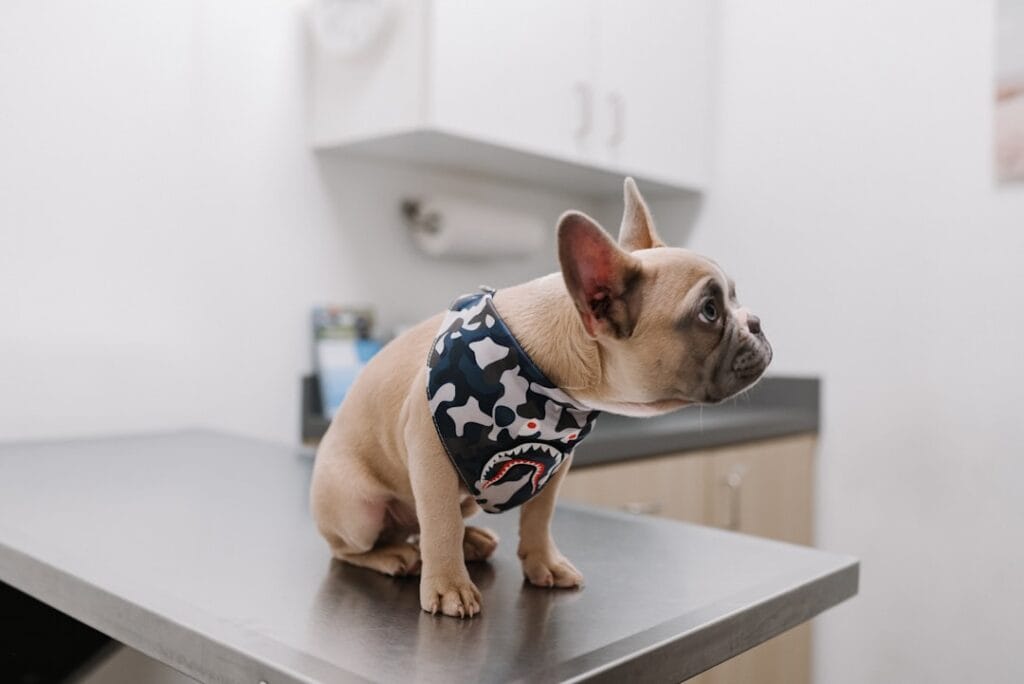
Dog licking the floor constantly: When floor licking is an emergency
Seek urgent or emergency veterinary care if your dog is licking the floor and also has:
- Repeated retching or attempts to vomit with nothing coming up
- A swollen, tight, painful abdomen; pacing; drooling; or inability to settle
- Weakness, collapse, pale/blue gums, or labored breathing
- Seizures, tremors, severe agitation, confusion, or loss of coordination
- Persistent vomiting, blood, black stool, or inability to keep water down
- Known or possible access to cleaners, pesticides, rodenticides, antifreeze, medication, nicotine, cannabis, essential oils, or toxic food
- String, fabric, carpet fiber, bone, sharp material, or another swallowed object
Repeated nonproductive retching plus abdominal swelling can indicate gastric dilatation-volvulus (GDV or bloat), a life-threatening emergency. Do not wait for the belly to become enormous. If toxin exposure is possible, remove the dog from the area, save the product label, and contact an emergency veterinarian or animal poison-control service. Do not induce vomiting unless a veterinary professional specifically directs it for that substance and dog.
Dog licking the floor constantly: Is your dog licking, eating, or having a nausea episode?
Observe the sequence. Dogs with nausea often lick their lips, swallow repeatedly, drool, eat grass, stretch the neck, burp, pace, or approach food and turn away. Some lick floors before vomiting; others never vomit. A dog ingesting fibers or debris may bite and pull rather than glide the tongue over a surface. A behavioral episode may start with a predictable trigger such as being left alone, a noise, or conflict, then continue in a fixed pattern.
Video the full body for 30–60 seconds. Include what happened immediately before and after. Note whether the dog responds to its name or a gentle invitation to move away. Do not repeatedly offer treats as a test; food can temporarily interrupt both nausea and compulsive behavior, so interruption does not prove the cause.
If the dog mainly licks the lips rather than external surfaces, see our dedicated guide to a dog licking its lips constantly. If throat sounds, coughing, or dry heaving dominate, compare our article on dog gagging without vomiting.
Dog licking the floor constantly: Medical causes of constant floor licking
Dog licking the floor constantly: 1. Nausea and gastrointestinal disease
Nausea is one of the most important medical explanations. Gastritis, reflux, food intolerance, inflammatory intestinal disease, pancreatitis, parasites, infection, delayed gastric emptying, a gastric foreign body, and other digestive problems can produce licking and swallowing. Appetite may be normal, reduced, or unusually urgent. Some dogs have soft stool, gas, vomiting, abdominal pain, or weight loss; others show ELS as the most visible sign.
In the published ELS study, diagnosed abnormalities included inflammatory changes, delayed gastric emptying, chronic pancreatitis, a foreign body, and giardiasis. After individualized treatment, 10 of 17 dogs with follow-up had a substantial reduction in the frequency and duration of licking, and 9 had resolution. Those numbers are evidence that a gastrointestinal work-up can matter, not a home diagnostic formula. The study population was small and treatment varied.
2. Acid reflux or esophageal irritation
Reflux and esophagitis may cause repeated swallowing, lip licking, discomfort after meals, regurgitation, gagging, or reluctance to eat dry food. Regurgitation is usually passive: food or liquid comes up without strong abdominal heaving. Vomiting involves nausea and active contractions. A video helps distinguish them.
Do not give antacids or acid suppressants based only on floor licking. Drug selection and dose depend on the diagnosis, other medications, and kidney or liver health. Long-term acid suppression without a clear indication can have disadvantages.
3. Something stuck in the mouth, throat, or digestive tract
Grass awns, string, bone fragments, sticks, hair, fabric, and toy pieces can cause licking, drooling, gagging, pawing at the mouth, or refusal to eat. If the dog is calm and safe to handle, briefly look at the front of the mouth and under the tongue. Do not reach deep into the throat, pull embedded material, or tug string; it may be anchored farther down and pulling can injure the intestine.
4. Dental or oral pain
Periodontal disease, a broken tooth, tooth-root abscess, oral ulcer, burn, mass, or painful tongue can alter licking. Clues include bad breath, dropping food, chewing on one side, facial swelling, blood on toys, or avoiding hard food. Many dogs continue eating despite significant dental disease, so normal appetite does not exclude it.
5. Hunger, diet, or pica
A dog may lick for crumbs when hungry, on a restrictive diet, or when food is especially motivating. Polyphagia—abnormally increased hunger—can also accompany diabetes, Cushing’s disease, intestinal malabsorption, parasites, steroid medication, or other conditions. Pica means eating nonfood objects and carries a risk of obstruction or toxicity.
Measure the daily ration, count treats, review body-weight trend, and confirm the diet is complete and balanced for the dog’s life stage. Do not simply increase food if the dog is losing weight, drinking excessively, passing large amounts of urine, or eating nonfood material; those signs need investigation.
6. Pain outside the digestive tract
Pain can cause restlessness, altered breathing, repetitive behaviors, and difficulty settling. Back pain, arthritis, abdominal pain, and internal disease may coexist with licking. Watch for stiffness, a hunched posture, trembling, reluctance to jump, sensitivity to touch, or a “prayer” position with the front lowered and hindquarters raised.
7. Neurologic disease or focal seizure
Some episodic oral behaviors—air snapping, fly biting, sudden gulping, staring, jaw movements, or altered awareness—can be associated with neurologic disease, gastrointestinal discomfort, or both. Focal seizures are only one possibility and cannot be diagnosed from licking alone. A time-stamped video and detailed sequence are essential. Loss of consciousness, repeated seizures, severe disorientation, or a first generalized seizure needs urgent care.
8. Medication effects or toxin exposure
Certain medicines cause nausea, appetite change, restlessness, or neurologic signs. Dogs may also lick medication dropped on a floor or residues from cleaners, deicers, pesticides, cannabis products, nicotine, or sweet-tasting toxic liquids. Keep the container and estimate when and how much exposure may have occurred. Do not wait for symptoms after a credible toxic exposure.
Dog licking the floor constantly: Behavioral causes—after health is assessed
Normal investigation reinforced by attention
A dog finds a crumb, licks, and receives attention. If this happens repeatedly, the behavior can become rewarding even after the original odor is gone. Calmly block access, clean with a pet-safe unscented product, and redirect to an appropriate activity. Avoid shouting, chasing, or repeatedly offering high-value treats, which may strengthen the sequence.
Stress, anxiety, or displacement behavior
Repetitive licking can help a dog cope with arousal. Episodes may cluster around departures, visitors, conflict, storms, or insufficient rest. Signs such as pacing, panting, yawning, scanning, trembling, or shadowing the owner support an anxiety component. Medical discomfort can lower the threshold for these responses, so the categories are not mutually exclusive.
Compulsive behavior
A compulsive disorder is considered when a repetitive behavior is excessive, difficult to interrupt, occurs outside a normal context, and interferes with sleep or daily life—after medical causes have been investigated. Treatment usually combines predictable routine, trigger reduction, appropriate exercise and enrichment, behavior modification, and sometimes prescription medication. Punishment increases stress and can worsen the cycle.
Cognitive dysfunction in older dogs
Senior dogs with cognitive decline may pace, become lost in familiar rooms, reverse sleep patterns, stare, house-soil, or develop repetitive licking. Pain, vision or hearing loss, organ disease, endocrine disease, and brain disorders can mimic cognitive dysfunction. A senior evaluation should come before assuming dementia.
| Pattern | Possible clue | What to document |
|---|---|---|
| Licking plus swallowing, drool, grass eating | Nausea or upper GI discomfort | Meals, vomiting, stool, appetite, abdominal posture |
| Licking one exact floor area | Residue or exposure | Cleaner, food, bait, medication, recent spills |
| Licking after eating or at night | Reflux, gastric disease, learned pattern | Meal size, timing, regurgitation, burping |
| Licking with bad breath or dropping food | Oral/dental pain | Chewing side, blood, facial swelling |
| Licking during departures or storms | Anxiety/displacement | Trigger, duration, other stress signals |
| Licking with staring or air snapping | GI or neurologic episode | Video, awareness, recovery, frequency |
A practical seven-day observation plan
Do not use this plan if emergency signs are present or the dog is clearly ill. For a stable dog awaiting an appointment, a short diary can reveal patterns that a clinic visit cannot reproduce.
Cleaning the surface safely
Cleaning is sensible when food or an attractive odor may be reinforcing the licking, but the product matters. First move the dog to another room and pick up solid debris. Follow the manufacturer’s dilution, ventilation, and contact-time instructions. Rinse food-preparation floors when the label directs and let the surface dry fully before the dog returns. More product is not safer.
Never mix bleach with ammonia, acids, vinegar, or other cleaners; dangerous gases can form. Avoid spraying bitter deterrents, essential oils, pepper, or concentrated disinfectant where the dog can lick it. “Natural” does not mean nontoxic. If the dog has already licked a wet product, preserve the package and contact a veterinary professional rather than waiting for vomiting.
Carpet deserves special attention because fibers and cleaner residue can be ingested. Blot rather than saturate, extract the product as directed, and block access until thoroughly dry. If the dog pulls or swallows carpet strands, do not cut or tug material protruding from the mouth or rectum. A linear foreign body can injure the gastrointestinal tract and requires veterinary assessment.
When a diet trial may be useful—and when it is not
A veterinarian may recommend a controlled diet trial when food-responsive gastrointestinal disease is plausible. This is not the same as switching among several retail foods every few days. A useful trial has a defined diet, duration, transition plan, allowed treats, and outcome measures. Depending on the case, the diet may be highly digestible, hydrolyzed, novel-protein, lower fat, or otherwise tailored to the dog’s diagnosis.
During a strict elimination trial, flavored medication, chews, table food, supplements, and access to another pet’s bowl can invalidate the result. Keep a record of licking episodes, stool, appetite, vomiting, and weight so change can be measured. If signs resolve, a supervised challenge may be needed to confirm that the diet—not time or another treatment—made the difference.
Do not start a home-formulated restrictive diet from an online recipe for a growing puppy, pregnant dog, or dog with chronic disease. Nutrient deficiencies can develop, and some medical conditions require specific fat, fiber, mineral, or protein targets. A board-certified veterinary nutritionist can formulate a balanced home-prepared plan when needed.
Prepare efficiently for the veterinary appointment
Bring two or three representative videos rather than dozens of similar clips. Write a one-page timeline with the first episode, current frequency, relationship to meals, appetite, vomiting or regurgitation, stool, weight, water intake, and any trigger. List every medication, flea product, supplement, chew, and recent diet change with exact brand names where possible.
Photograph ingredient labels for cleaners and pest products used in the licking area. Mention trash access, missing toys, socks, carpet damage, compost, bones, and travel. If stool is abnormal, ask the clinic whether to bring a fresh sample in a sealed container. This preparation helps the veterinarian prioritize tests and prevents the important clue from being lost in a long history.
Finally, explain what “constantly” means in measurable terms: five one-minute episodes per day, one uninterrupted 20-minute episode at night, or licking after every meal. Frequency and duration allow treatment response to be evaluated objectively. “Better” is easier to trust when the diary changes from 30 minutes daily to two brief episodes rather than relying on memory.
What not to do
- Do not spray bitter chemicals across floors the dog may ingest.
- Do not punish, yell, or use a shock device for a behavior that may reflect nausea or pain.
- Do not give human antacids, anti-nausea drugs, or pain relievers without veterinary direction.
- Do not pull string or fabric from the mouth or rectum.
- Do not provoke an episode for video.
- Do not assume anxiety because routine bloodwork is normal; gastrointestinal and dental disease may require targeted evaluation.
- Do not begin a highly restrictive homemade diet without ensuring nutritional completeness.
What the veterinarian may investigate
The clinician will ask when the behavior started, how often it occurs, whether it relates to meals or stress, what surfaces are involved, and whether vomiting, regurgitation, stool change, weight loss, pain, medication, or exposure is present. The exam includes the mouth and teeth, abdomen, hydration, body condition, neurologic status, skin, joints, heart, and lungs.
Tests are tailored to the pattern. They may include bloodwork, urinalysis, fecal testing, pancreatic testing, radiographs, abdominal ultrasound, diet trials, endoscopy with biopsy, or dental imaging. A normal basic panel is reassuring but does not exclude reflux, dental pain, food-responsive disease, a small foreign body, or a behavioral disorder.
Treatment follows evidence: removal of a foreign object, dental care, parasite treatment when documented or strongly suspected, management of pancreatitis or inflammatory disease, a carefully designed diet trial, anti-nausea or acid-related medication when indicated, pain control, and behavior support. If compulsive behavior remains after medical issues are addressed, a veterinary behaviorist can create a plan and monitor medication safely.
Frequently asked questions
Why is my dog licking the floor all of a sudden?
Sudden onset makes a new food residue or chemical exposure, nausea, mouth pain, a foreign object, medication effect, or acute stress more likely. Remove access to the area and check for vomiting, swallowing, drool, abdominal pain, neurologic signs, or toxin exposure. Persistent or intense behavior needs veterinary advice.
Does floor licking mean my dog is nauseous?
It can. Nauseous dogs may also lick their lips, swallow, drool, eat grass, pace, burp, refuse food, or vomit. However, dental pain, odors, hunger, anxiety, compulsive behavior, and cognitive change can look similar. A video and symptom diary help determine the next tests.
Why does my dog lick the floor after eating?
Possible reasons include crumbs, reflux, rapid eating, nausea, delayed stomach emptying, food intolerance, or a learned habit. Note meal size, speed, food type, swallowing, regurgitation, and timing. Recurrent episodes deserve evaluation rather than repeated unsupervised antacid use.
Can floor cleaner poison a dog?
Some products irritate the mouth, esophagus, stomach, skin, or lungs; others can cause systemic toxicity. Risk depends on ingredients and dose. Prevent further licking, retain the label, and contact a veterinarian or animal poison service. Do not mix cleaning products or induce vomiting.
Is floor licking a sign of anxiety?
Sometimes, particularly when episodes follow predictable stress and medical causes have been assessed. Anxiety and gastrointestinal disease can coexist. Punishment is counterproductive; treatment focuses on safety, predictable routine, enrichment, trigger work, and professional guidance.
Could my dog have a vitamin deficiency?
A complete and balanced commercial diet makes a simple vitamin deficiency less likely, but malabsorption and unbalanced homemade diets can cause nutritional problems. Floor licking alone cannot identify a deficiency. Review the full diet and any weight or stool change with a veterinarian.
How do I stop my dog from licking the floor?
Block unsafe access, clean food residue, increase appropriate enrichment, and avoid rewarding or punishing the cycle. Most importantly, identify medical contributors. Stopping the visible behavior without addressing nausea, pain, or a toxin can delay care.
Bring the pattern—not just the label
A 30-second video, meal timeline, stool record, medication list, and photo of the surface can help your veterinarian distinguish nausea, oral pain, exposure, neurologic episodes, and learned behavior.
Compare floor licking with lip lickingFinal takeaway
A dog licking the floor constantly is not automatically bored or obsessive. Excessive surface licking has documented associations with gastrointestinal disease, and nausea, reflux, dental pain, foreign material, hunger-related disease, toxins, neurologic problems, anxiety, and cognitive decline all belong on the differential list. The timing and companion signs are more informative than the surface alone.
Secure hazards, record representative episodes, and arrange an examination for new or repeated behavior. Treat dry heaving with a swollen abdomen, collapse, breathing trouble, seizures, or credible toxin exposure as an emergency. When the underlying cause is identified, the licking often becomes far easier—and safer—to manage.
- Bécuwe-Bonnet et al.: gastrointestinal disorders in dogs with excessive licking of surfaces
- FAO AGRIS record and study summary
- Merck Veterinary Manual: emergency triage in dogs and cats
- GVH: dog gagging but not throwing up
Medical disclaimer: This article offers general education, not a diagnosis. Seek immediate veterinary care for suspected poisoning, repeated dry heaving, abdominal swelling, collapse, abnormal gums, breathing difficulty, severe weakness, or seizures.