Why Does My Dog Eat Grass? Vet-Approved Guide to Causes, Safety and When to Worry
Most dogs nibble grass at some point, and for the majority it is a normal, low-risk habit rather than a sign of illness. This guide explains why dogs eat grass, when the behavior is harmless grazing versus a symptom worth investigating, what risks grass-eating can carry, and the practical steps that help when the habit becomes excessive.
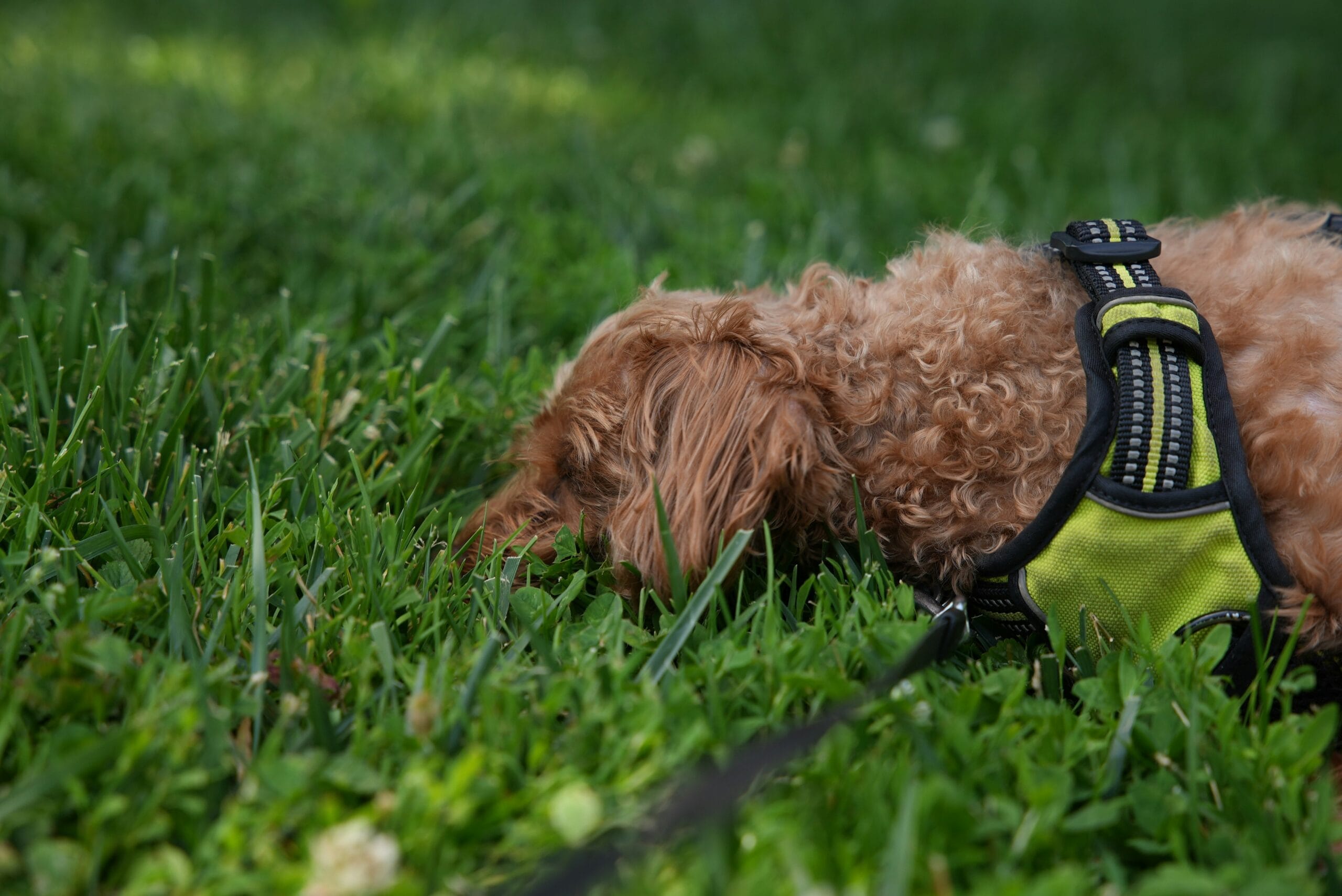
Why does my dog eat grass: How common is grass eating in dogs?
Grass eating is one of the most frequently reported dog behaviors, and research on the subject consistently finds it to be widespread and largely benign. A well-known survey out of the University of California, Davis, School of Veterinary Medicine, followed more than a thousand dog owners and found that a large majority of dogs ate grass or other plants on a regular basis, yet only a small fraction of those dogs showed any sign of illness before doing so, and only about a quarter vomited afterward. In other words, for most dogs, eating grass is simply a normal part of exploring and interacting with their environment, not a red flag on its own.
This matters because many owners assume grass eating always means an upset stomach. The data does not support that assumption. Dogs graze on grass across all life stages, though puppies and younger dogs tend to do it more often, likely because they are more exploratory and mouth-oriented in general.
Why Does My Dog Eat Grass? Top Reasons Explained
No single explanation covers every dog, and researchers have proposed several overlapping reasons. Understanding your own dog’s pattern is more useful than searching for one universal cause.
Dietary fiber and instinct. Some veterinary behaviorists suggest grass eating is a leftover instinct from wild canine ancestors, who consumed the stomach contents of herbivore prey, including partially digested plant matter. This is sometimes called herbal prophylaxis, a theory that grass eating may help expel intestinal parasites in wild canids. Domestic dogs may retain the instinct even without the original purpose.
Taste and texture preference. Many dogs appear to simply enjoy grass, especially young, tender grass in spring. Owners often notice seasonal spikes in grazing when new growth appears.
Boredom or anxiety. Dogs left alone in a yard for long stretches, or dogs with insufficient mental stimulation, may graze as a way to pass time, similar to how some dogs chew furniture or dig out of boredom.
Mild nausea or an unsettled stomach. A minority of dogs do eat grass specifically when they feel queasy, and vomiting afterward can bring temporary relief. This is real, but it is the exception rather than the rule, and it does not mean grass eating always signals nausea.
Pica. In some cases, persistent, compulsive eating of grass or other non-food items reflects pica, a condition that can be linked to nutritional gaps, gastrointestinal disease, or a primarily behavioral drive. Pica warrants veterinary evaluation, particularly if your dog also eats items like rocks, fabric or dirt.
| Feature | Normal grazing | Possible pica or illness |
|---|---|---|
| Frequency | Occasional, especially outdoors during walks or yard time | Frequent, daily, or increasing over time |
| Manner | Calm, selective, often chooses specific patches | Frantic, urgent, indiscriminate |
| Vomiting | Rare, and dog returns to normal quickly if it happens | Repeated vomiting, or vomiting with blood or bile |
| Other behavior | Normal appetite, energy and stool | Reduced appetite, lethargy, diarrhea or weight loss |
| Other items eaten | Grass only | Also eats rocks, fabric, dirt or other non-food items |
Is it safe for my dog to eat grass?
Plain, untreated grass is generally low risk in small amounts, but there are real hazards worth knowing about before you decide whether to let the habit continue unchecked.
Lawn chemicals. Herbicides, pesticides and fertilizers are a genuine concern. If a lawn, park or golf course has been treated recently, grass and soil can carry residues that are unsafe to ingest. Always check for posted treatment notices and keep your dog off treated grass for the period recommended on the product label, typically 24 to 72 hours.
Intestinal parasites. Grass and soil in areas frequented by other animals can carry roundworm or hookworm eggs. This is one reason routine deworming and prompt stool pickup in shared spaces matter, alongside grass eating itself.
Lungworm risk from slugs and snails. In regions where lungworm is present, dogs can become infected by inadvertently ingesting slugs or snails hidden in grass, or their slime trails. Ask your veterinarian whether lungworm prevention is recommended in your area.
Toxic plants mistaken for grass. Not everything green in a yard is safe turf grass. Certain ornamental plants, bulbs and weeds growing among grass can be toxic if chewed or swallowed. If you are unsure what is growing in an area your dog frequents, it is worth having it checked.
Choking or blockage with long blades. Long grass blades can occasionally cause gagging or, rarely, catch in the back of the throat. This is uncommon but worth knowing if your dog suddenly retches or paws at its mouth after grazing.
What to do if your dog eats a lot of grass
For most dogs, no intervention is needed. But if the habit is frequent, messy or you simply want to manage it, these steps help.
Puppies, Seniors, and Grass Eating Across Life Stages
Grass-eating patterns aren’t fixed for a dog’s whole life; they often shift alongside broader developmental and age-related changes. Puppies frequently show the most enthusiastic grazing, consistent with their generally more exploratory, mouth-driven approach to the world, and this often settles somewhat as they mature into calmer adults, though plenty of adult dogs continue grazing regularly for life. Senior dogs sometimes reduce grass eating simply as part of an overall decline in activity and environmental interest, which is a normal aging pattern rather than a concern on its own. However, a senior dog that suddenly starts grazing far more than its established baseline is worth a closer look, since new-onset increased appetite for anything, including grass, can occasionally accompany conditions like Cushing’s disease or diabetes that become more common with age. As with most behavior questions, the useful comparison is a dog’s own established pattern over time, not a fixed universal amount that should apply to every dog regardless of age or individual history.
Frequently asked questions
Does eating grass mean my dog is sick?
Not usually. Most dogs that eat grass show no prior signs of illness, and the behavior is common even in healthy dogs. It becomes a more relevant question only when paired with other symptoms such as vomiting, lethargy or appetite changes.
Should I try to stop my dog from eating grass?
You do not need to stop occasional, calm grazing on safe, untreated grass. It is reasonable to redirect or limit access if your dog grazes on treated lawns, public areas with parasite risk, or grazes so much it interferes with walks or meals.
Why does my dog eat grass and then throw up?
In some dogs, grass eating and vomiting are linked to mild stomach upset, and the vomiting can bring temporary relief. However, this pattern applies to a minority of dogs. If vomiting after grass eating becomes frequent, or includes blood, it is time for a veterinary exam.
Can grass actually hurt my dog?
Plain untreated grass itself is low risk in small amounts. The real hazards are usually what comes with the grass: lawn chemicals, parasite eggs, hidden slugs or snails carrying lungworm, or toxic plants growing alongside turf grass.
Do puppies eat more grass than adult dogs?
Many puppies do graze more often, likely because they are more exploratory and investigate their environment with their mouths more than adult dogs. This typically settles somewhat with age, though individual variation is wide.
Should I worry if my senior dog suddenly grazes much more?
A sudden, marked increase in an older dog is worth a checkup, since new-onset increased appetite for anything, including grass, can occasionally accompany age-related conditions like Cushing’s disease or diabetes.
By Dr. Zahid Afzal, DVM — General Veterinary Hospital, Lahore. This article is for general education and does not replace a full physical examination or personalized treatment plan from your own veterinarian. If your dog is unwell, in distress or repeatedly vomiting, contact a veterinarian promptly.