
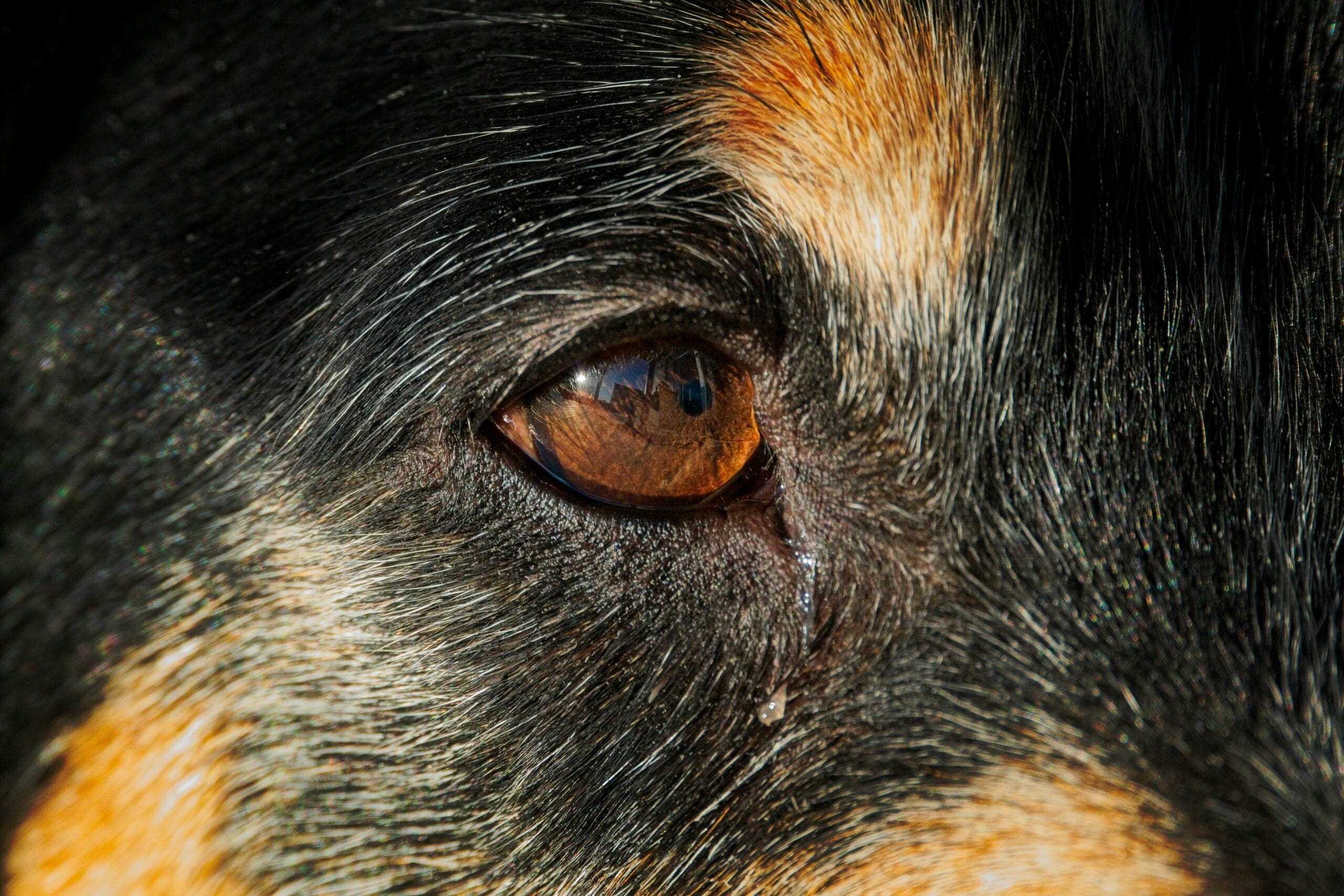
Cherry Eye in Dogs: Causes, Treatment & Surgery
Cherry eye in dogs gets its name from the sudden, alarming red bulge that appears in the corner of a dog’s eye, but the condition itself is more mechanical than medical in origin. This guide explains what’s actually happening anatomically, which dogs are most prone to it, why surgery is now the standard treatment rather than removal, and what recovery looks like.
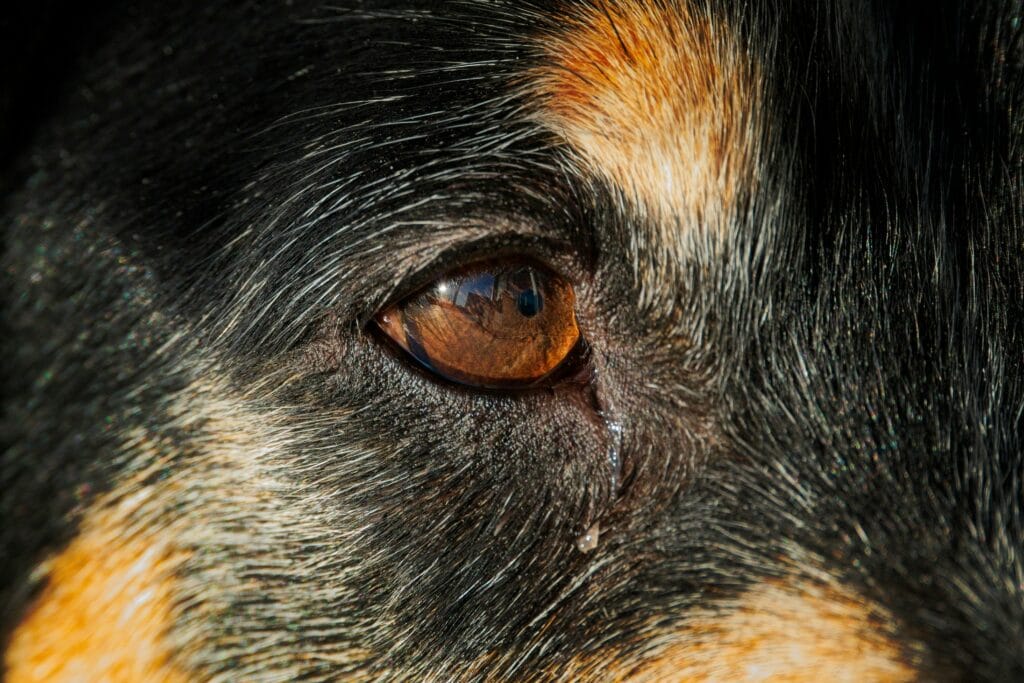
Cherry eye in dogs: What Is Actually Happening in Cherry Eye
Dogs have a third eyelid, a thin membrane in the inner corner of the eye that most owners rarely notice unless something goes wrong with it. This third eyelid contains a gland that produces a substantial portion, some estimates suggest around a third, of a dog’s total tear film. Normally, this gland sits securely in place, anchored by connective tissue. In cherry eye in dogs, that anchoring tissue weakens or fails, allowing the gland to flip up and outward, becoming visible as the characteristic red, rounded mass in the corner of the eye. This is fundamentally a structural, mechanical problem rather than an infection or injury, which is an important distinction, since it explains why antibiotics or eye drops alone don’t resolve it.
Which Dogs Are Most Prone to Cherry Eye
Cherry eye shows a clear breed pattern, strongly suggesting an inherited predisposition in the strength of the connective tissue anchoring the gland. Breeds with a higher reported incidence include Bulldogs, Cocker Spaniels, Beagles, Bloodhounds, Shih Tzus, and Boston Terriers, among others, particularly breeds with a flatter face or looser eyelid conformation. It typically appears in young dogs, often before two years of age, and can affect one eye or, in a meaningful proportion of cases, eventually both, since the same underlying tissue weakness is usually present on both sides even if only one eye prolapses initially.
| Feature | Cherry eye | Other possible causes |
|---|---|---|
| Appearance | Smooth, rounded, fleshy red mass in inner corner | Irregular swelling, discharge, or redness across the eye may suggest infection or injury |
| Onset | Sudden appearance, often in a young dog | Gradual changes may suggest a different underlying issue |
| Pain level | Often minimal discomfort initially | Significant pain, squinting or discharge suggests a different or additional problem |
| Both eyes | Can affect one, then later the other | N/A |
Why Surgery, Not Removal, Is the Standard Now
Veterinary treatment for cherry eye has genuinely evolved over the past several decades. Older approaches sometimes involved simply removing the prolapsed gland entirely, which does resolve the visible bulge but removes a meaningful source of tear production along with it. Since this gland contributes a significant share of a dog’s total tears, removal is now understood to substantially raise the risk of chronic dry eye, a condition called keratoconjunctivitis sicca, later in life, which itself requires lifelong management and can cause ongoing discomfort and corneal damage if poorly controlled. Because of this, current veterinary ophthalmology standards strongly favor surgical repositioning techniques, various methods exist to tuck and re-anchor the gland back into its normal position, preserving tear gland function while resolving the visible prolapse. This is worth understanding if a vet ever suggests simple removal as a first option, since repositioning is now considered the preferred approach whenever technically feasible.
What to Expect From Surgery and Recovery
Cherry eye repositioning surgery is typically performed under general anesthesia as a relatively routine, same-day procedure for most veterinary ophthalmology or general surgery practices. Recovery usually involves a protective cone collar for one to two weeks to prevent the dog from rubbing or scratching at the surgical site, along with prescribed eye drops or ointment during healing. Most dogs recover well with a good cosmetic and functional outcome, though a small percentage of cases experience prolapse recurrence, sometimes requiring a second procedure. Because the underlying tissue weakness is often present on both sides, owners of a dog that develops cherry eye in one eye should watch the other eye for the same issue, even months or years later.
Managing a Dog With Cherry Eye Before Surgery
Can Cherry Eye Be Prevented?
Since cherry eye stems from an inherited weakness in the connective tissue anchoring the gland, there’s no reliable way to prevent it entirely in a genetically predisposed dog, but understanding the risk helps with early recognition and informed decisions. If you’re choosing a puppy from a breed with known predisposition, asking a breeder whether either parent or close relatives have a history of cherry eye can provide useful, if imperfect, risk information, since the tendency does appear to run in family lines. Some veterinary ophthalmologists have explored preventive surgical techniques for at-risk breeds, though this remains uncommon compared to treating the condition once it actually occurs, largely because not every predisposed dog will develop cherry eye even within a high-risk breed. For owners of predisposed breeds, the most practical approach is simply staying alert to the early signs, a temporary, mild pinkness or bulge that resolves and recurs before becoming persistent, and seeking veterinary evaluation promptly rather than waiting to see if a first appearance was a one-time event.
Cherry Eye in Puppies vs. Adult Dogs
While cherry eye is classically described as a young dog’s condition, understanding how it presents differently across ages helps set appropriate expectations. In puppies, particularly in strongly predisposed breeds, cherry eye can appear remarkably early, sometimes within the first several months of life, and some breeders and veterinarians consider it almost an expected possibility in certain lines. Because young tissue often responds very well to surgical repair, outcomes in puppies and young dogs tend to be excellent, with a good long-term prognosis for full gland function and minimal recurrence when repair is performed by an experienced surgeon. Cherry eye appearing for the first time in a fully mature or older dog is less typical and, while it can still reflect the same underlying anatomical weakness simply manifesting later, it’s also worth a slightly more thorough veterinary evaluation to rule out other contributing factors, since the classic presentation so strongly favors younger dogs. Regardless of age at onset, the same surgical repositioning principles apply, and age alone is rarely a barrier to successful treatment for an otherwise healthy dog.
What Happens If Cherry Eye Goes Untreated Long-Term
While cherry eye isn’t usually an acute emergency, leaving it unaddressed for an extended period carries real downsides worth understanding. The exposed gland tissue, no longer protected in its normal position, is prone to ongoing irritation, drying, and secondary inflammation from constant exposure to air and rubbing against eyelids and fur. Over time, chronically exposed and irritated glandular tissue can become enlarged, discolored, or develop a rougher surface texture, which can make surgical repositioning somewhat more technically challenging than repair performed on a fresher prolapse. Persistent irritation also increases the likelihood of a dog rubbing or pawing at the eye, raising the risk of self-inflicted corneal scratches or more significant eye trauma. None of this means an old, chronic cherry eye can’t be successfully treated, most cases still respond well to surgical repair regardless of how long the prolapse has been present, but earlier treatment generally means a more straightforward procedure and a smoother recovery, which is the practical case for not simply living with a cosmetic-seeming bulge indefinitely.
Choosing a Surgeon for Cherry Eye Repair
Not every veterinary practice performs cherry eye repositioning surgery routinely, and outcomes can depend meaningfully on surgical experience with this specific procedure. General practice veterinarians with regular experience in the technique handle many straightforward cases successfully, but for recurrent cases, complicated anatomy, or breeds with especially challenging eyelid conformation, referral to a board-certified veterinary ophthalmologist often provides access to more specialized techniques and equipment. Asking directly how many cherry eye repairs a practice performs, and what their typical recurrence rate looks like, is a reasonable question that most experienced practices answer comfortably. For dogs already showing early signs in the second eye after a first successful repair, proactively discussing timing and approach with the same surgeon who handled the first side often produces the most consistent results, since they’re already familiar with your dog’s specific anatomy and any complicating factors from the first procedure.
Frequently Asked Questions
Is cherry eye painful for dogs?
It’s often not acutely painful initially, though ongoing irritation, drying, and swelling can develop with time, and some dogs do show discomfort, squinting, or pawing at the affected eye.
Can cherry eye go away on its own?
It rarely resolves permanently without treatment, and veterinary evaluation is recommended rather than waiting to see if it self-corrects, since prolonged prolapse can worsen outcomes.
Will my dog go blind from cherry eye?
Cherry eye itself does not typically cause blindness, though untreated cases can lead to chronic irritation and, if the gland is removed rather than repositioned, potential long-term dry eye complications affecting eye comfort and health.
Does pet insurance typically cover cherry eye surgery?
Coverage varies significantly by policy and provider; since cherry eye has a strong breed predisposition, some policies may treat it as a pre-existing or breed-related condition, so checking your specific policy terms is worthwhile.
By Dr. Zahid Afzal, DVM — General Veterinary Hospital, Lahore. This article is for general education and does not replace a full physical examination or personalized treatment plan from your own veterinarian.



One Comment