
Intervertebral Disc Disease (IVDD) in Dogs: Signs, Grading & Treatment
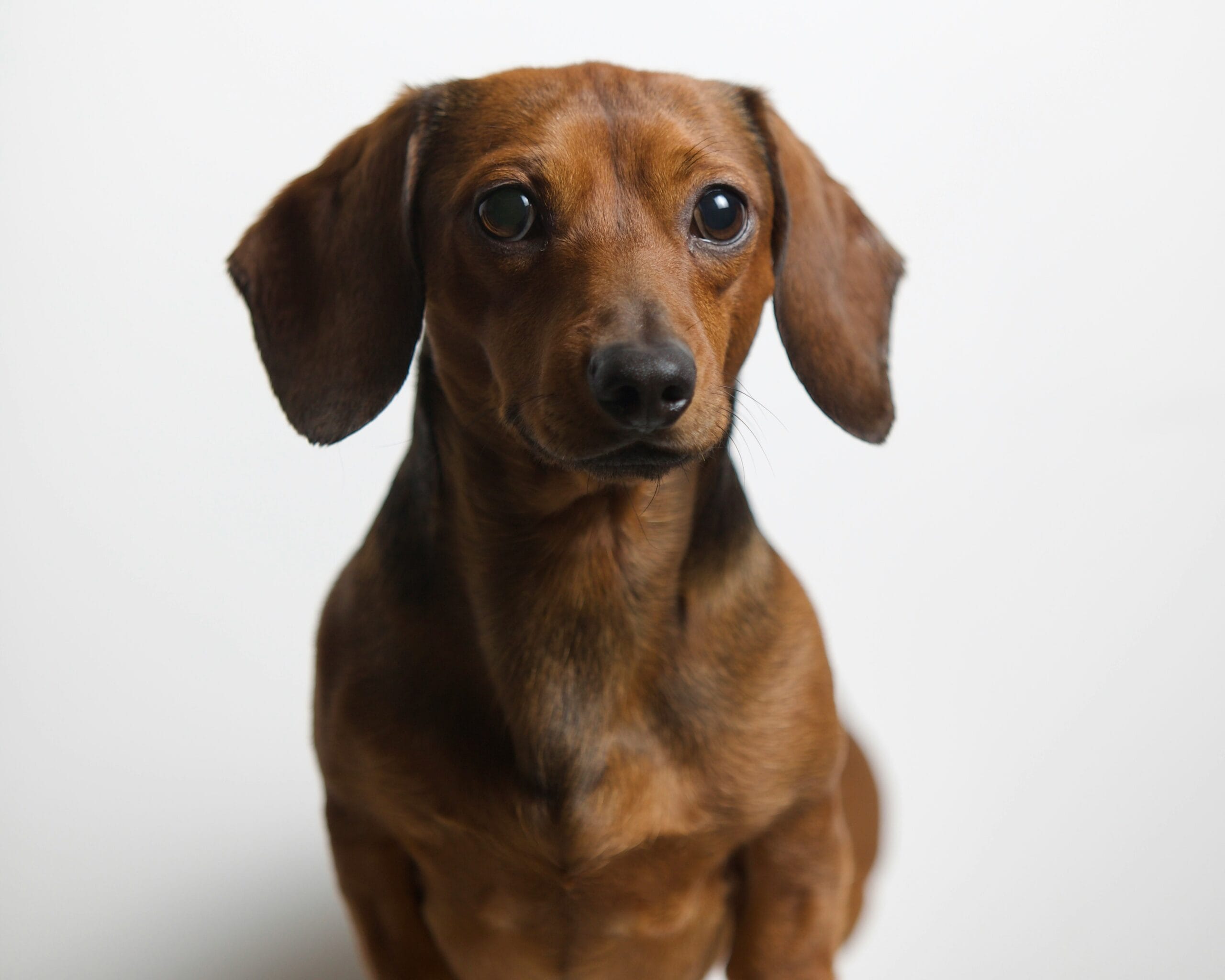
A dachshund suddenly refusing to jump onto the couch, or crying out when picked up, is showing one of the classic early signs of IVDD in dogs, a disc problem that can range from mild discomfort to sudden hind-leg paralysis. This guide explains the two forms of the disease, the grading scale that determines urgency, and why the specific window between onset and treatment genuinely affects whether a dog walks again.
IVDD in dogs: two Types of IVDD
Hansen Type I (acute). A disc suddenly ruptures, expelling its inner material forcefully into the spinal canal, typically causing sudden, dramatic symptoms. This form is classically seen in chondrodystrophic breeds, Dachshunds, Corgis, French Bulldogs, and Beagles among them, often in relatively young to middle-aged dogs, and discs in these breeds tend to degenerate earlier and more extensively than in other dogs.
Hansen Type II (chronic). A disc bulges gradually over months to years rather than rupturing suddenly, causing a slower, more progressive onset of symptoms. This form is more typical in older, larger-breed dogs and tends to present with a gradual decline in coordination or mild, worsening weakness rather than a sudden dramatic event.
IVDD in dogs: the Grading Scale: Why It Matters
Veterinarians classify IVDD severity on a scale, generally from Grade 1 through Grade 5, that directly shapes urgency and treatment decisions rather than being simply descriptive.
| Grade | Signs | Typical approach |
|---|---|---|
| Grade 1 | Pain only, normal walking and leg function | Strict rest, pain management, close monitoring |
| Grade 2 | Pain with mild weakness, wobbly walking | Strict rest and medication; surgery considered if not improving |
| Grade 3 | Unable to bear weight but some voluntary leg movement | Surgery often recommended |
| Grade 4 | No voluntary movement, but pain sensation present in legs | Surgery, ideally promptly |
| Grade 5 | No voluntary movement and no pain sensation (deep pain negative) | Emergency surgery, urgently — time-critical for any recovery chance |
The loss of deep pain sensation marking Grade 5 is the single most important prognostic marker; dogs that reach this stage and receive surgery within roughly 24 hours have meaningfully better odds of regaining function than those where treatment is delayed.
Recognizing the Signs Early
Reluctance to jump or climb stairs. Often the earliest sign, sometimes mistaken for simple stubbornness or laziness.
Crying out when picked up or touched along the back. A clear pain response worth taking seriously rather than dismissing.
A hunched, tense posture. Some dogs hold their back rigidly or arch it in a guarding position.
Wobbly or uncoordinated hind legs. Progressing weakness affecting normal gait.
Dragging the hind legs or complete inability to walk. The most severe presentation, requiring immediate emergency attention.
Diagnosis and Treatment
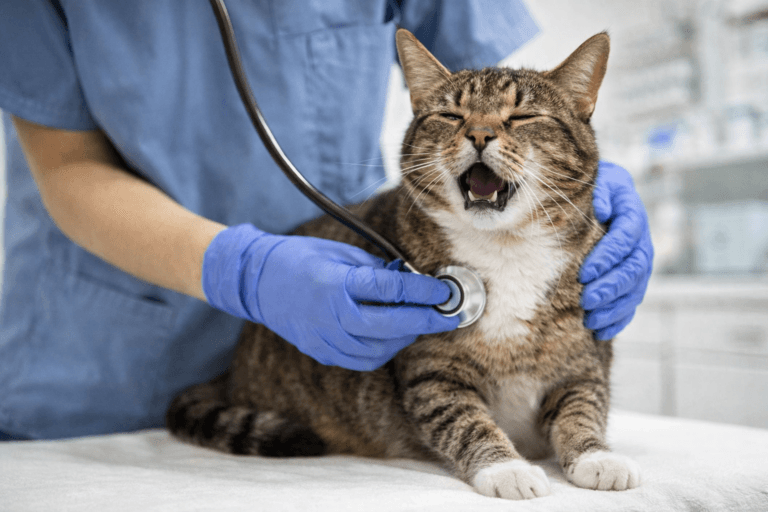
Diagnosis begins with a neurological exam assessing reflexes, pain response, and voluntary movement, which helps assign a grade even before advanced imaging. MRI is considered the gold standard for confirming disc location and severity, though X-rays and CT can provide useful supporting information depending on availability. Treatment depends heavily on grade: milder cases often respond well to strict crate rest, anti-inflammatory medication, and pain management over several weeks, avoiding all jumping, running, and stairs during recovery. More severe cases, particularly Grade 3 and above, often require surgical decompression to remove the offending disc material and relieve pressure on the spinal cord, with outcomes generally better the sooner surgery occurs after severe signs develop.
Recovery and Rehabilitation
Understanding the Deep Pain Test
One specific part of the neurological exam deserves particular explanation, since it’s the single most important prognostic indicator veterinarians rely on. The deep pain test involves applying firm pressure to a toe, typically with hemostats or a similar instrument, and observing whether the dog shows a conscious response, turning to look at the leg, vocalizing, or trying to pull away, rather than simply a reflexive twitch of the leg itself. A reflexive withdrawal alone doesn’t count as a positive response, since spinal reflexes can occur even without the brain actually registering the sensation; what matters is evidence the dog consciously perceived the stimulus. Dogs testing positive for deep pain, even with severe paralysis, generally have a meaningfully better surgical prognosis than dogs testing negative, which is why veterinarians perform and document this test carefully rather than relying on general leg movement alone to judge severity.
What to Expect Financially and Practically
IVDD treatment, particularly surgical cases, represents a genuine financial and logistical commitment worth understanding upfront. Surgery itself, including pre-operative imaging like MRI, the procedure, and hospitalization, is one of the more significant single expenses in general veterinary practice, and access to MRI and specialized neurosurgery may require referral to a larger facility depending on your location. Post-surgical rehabilitation, sometimes involving multiple sessions weekly for months, adds ongoing cost and time commitment beyond the initial procedure. For owners facing genuine financial constraints, having an honest conversation with your veterinarian about realistic options, including conservative management even for moderate cases where surgery isn’t feasible, helps find a workable path forward rather than feeling forced into an impossible choice.
Everyday Life With a Dog at Ongoing Risk
Beyond the acute treatment period, many owners of predisposed breeds make lasting lifestyle adjustments to reduce future risk. Ramps for beds, cars, and furniture become permanent fixtures rather than temporary recovery aids. Some owners invest in supportive harnesses that avoid pressure on the neck and back during walks, and controlled leash walking rather than off-leash running in unpredictable terrain reduces sudden twisting movements that can stress vulnerable discs. None of these steps guarantee prevention, since genetics remain the dominant factor, but they genuinely reduce cumulative mechanical stress over a dog’s lifetime, which many veterinarians consider a reasonable, low-cost way to support long-term spinal health in a breed prone to this condition.
A Closing Thought
IVDD in dogs is genuinely frightening to witness, especially when it strikes suddenly, but veterinary understanding of this condition is well established, and outcomes for promptly treated dogs are frequently good. Recognizing the early warning signs in a predisposed breed, rather than waiting for a dramatic collapse, remains the single most useful thing an owner can do.
Frequently Asked Questions
Can dogs fully recover from IVDD?
Many do, especially with prompt treatment; milder cases often recover well with rest alone, and even surgical cases frequently regain significant or full function, though outcomes vary by severity and how quickly treatment began.
Is IVDD surgery always necessary?
No, milder cases (Grades 1-2) are often managed successfully with strict rest and medication, while more severe cases typically benefit from surgical decompression.
Can IVDD happen more than once in the same dog?
Yes, dogs that have had one episode, particularly predisposed breeds, remain at risk for future episodes at the same or different disc locations throughout life.
Are only small dogs affected by IVDD?
No, while chondrodystrophic small breeds are classically predisposed, IVDD in dogs, particularly the chronic Type II form, can occur in larger breeds too, generally at an older age.
By Dr. Zahid Afzal, DVM — General Veterinary Hospital, Lahore. This article is for general education and does not replace a full physical examination, imaging or personalized treatment plan from your own veterinarian. If your dog suddenly cannot walk, seek emergency care immediately.




2 Comments