
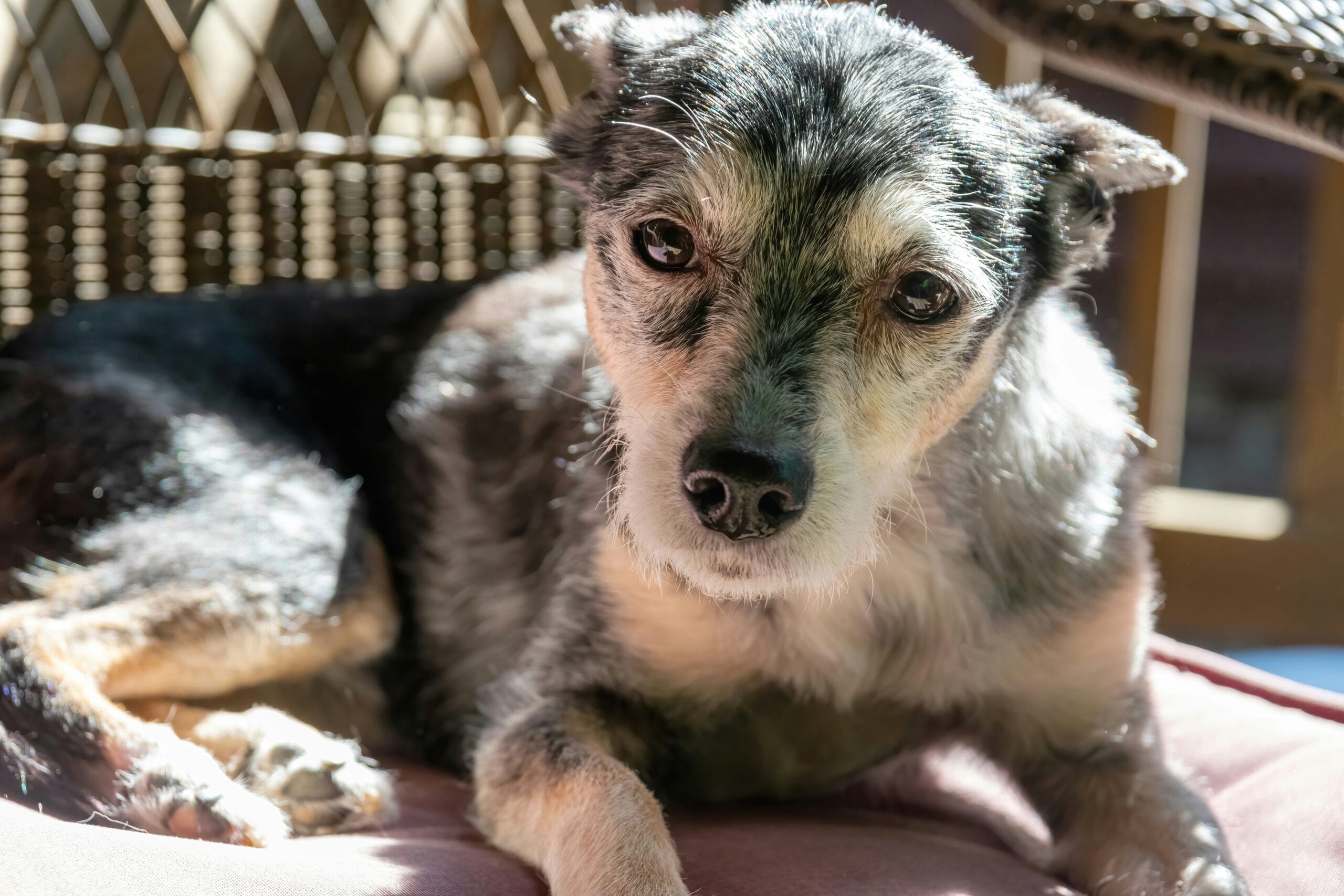
Cushing’s Disease in Dogs: Signs, Diagnosis & Treatment
Cushing’s disease is one of the most common hormonal disorders in older dogs, yet its early signs, increased thirst, a pot-bellied appearance, thinning fur, are easy to dismiss as normal aging. This guide explains what causes Cushing’s disease, how it is diagnosed, and what long-term treatment and monitoring actually involve.
Signs of Cushing’s Disease in Dogs
Increased thirst and urination. Often one of the first noticeable changes, sometimes leading to house-training accidents.
Increased appetite. Dogs may seem constantly hungry or become more food-focused than usual.
Pot-bellied appearance. A characteristic sagging, enlarged abdomen develops due to changes in muscle and fat distribution.
Thinning fur and skin changes. Hair loss, particularly along the trunk, along with thin, fragile skin that bruises more easily.
Muscle weakness and reduced activity. Progressive muscle wasting can lead to weakness, especially in the hind legs.
Panting and lethargy. Increased panting, even at rest, and generally lower energy are common.
| Stage | Signs | Next step |
|---|---|---|
| Early | Increased thirst, urination, appetite | Veterinary exam and baseline bloodwork |
| Progressing | Pot belly, hair loss, thin skin, weakness | Specific Cushing’s testing (ACTH stimulation or LDDS test) |
| Confirmed | Positive specific testing, imaging to locate cause | Long-term oral medication and monitoring |
Cushing’s disease in dogs: What Causes Cushing’s Disease?
Pituitary-dependent (most common). A small, usually benign tumor on the pituitary gland causes it to overproduce a hormone that drives excess cortisol production, accounting for the large majority of cases.
Adrenal-dependent. Less commonly, a tumor on one of the adrenal glands itself directly overproduces cortisol.
Iatrogenic (medication-induced). Long-term use of steroid medications can cause Cushing’s-like signs, which typically improve once the medication is tapered under veterinary guidance.
How Is Cushing’s Diagnosed and Treated?
Diagnosis usually starts with routine bloodwork showing patterns suggestive of Cushing’s, followed by a specific confirmatory test such as an ACTH stimulation test or low-dose dexamethasone suppression test. Imaging, such as an ultrasound, often helps determine whether the pituitary or an adrenal gland is the source. Treatment is typically daily oral medication that controls cortisol production, with regular blood testing to fine-tune the dose over time. Cushing’s disease is generally a lifelong condition managed rather than cured, though many dogs do well for years with consistent treatment.
Living With a Dog on Cushing’s Treatment
Cushing’s Disease vs. Diabetes: Why They’re Easy to Confuse
Cushing’s disease and diabetes share several overlapping early signs, increased thirst, increased urination, and increased appetite, which is why owners and even early screening bloodwork can sometimes point toward either condition before specific testing clarifies things. The distinguishing clues tend to show up in later, more visible signs: Cushing’s disease characteristically produces a pot-bellied appearance, thinning fur and fragile skin, while diabetes more often produces weight loss despite a hearty appetite and, over time, cataracts affecting vision. The two conditions can also occur together, since Cushing’s disease itself can contribute to insulin resistance and make diabetes harder to control in dogs that develop both. Because the overlap is real, veterinarians typically don’t rely on symptoms alone; specific hormone testing is what actually separates the two, and treating for the wrong condition based on symptoms alone can delay proper care. If your dog’s early signs don’t fully resolve with treatment for one condition, revisiting the diagnosis for a possible second, overlapping condition is a reasonable next step.
What to Expect at the First Few Rechecks
Starting Cushing’s treatment isn’t a one-and-done event; the first several months typically involve a structured series of recheck appointments to find the right medication dose safely. A common approach involves a recheck around one to two weeks after starting medication, another around a month in, and then periodic monitoring beyond that once a stable dose is found. Each recheck usually includes bloodwork to assess how the body is responding, since starting too high a dose risks pushing cortisol too low, which carries its own set of symptoms including lethargy, vomiting, or reduced appetite that owners should watch for and report promptly. It’s normal for the dose to be adjusted more than once during this early period; this is expected fine-tuning, not a sign that treatment has failed. Owners often notice increased thirst and urination improve within the first few weeks, while visible coat and skin changes take considerably longer, sometimes several months, to show improvement, since hair regrowth is a slower biological process than changes in blood chemistry.
Quality of Life Considerations for Owners
A Cushing’s diagnosis in an older dog often prompts owners to weigh treatment against their dog’s overall quality of life, particularly when other age-related conditions are also present. In most cases, treatment meaningfully improves comfort and daily wellbeing, since untreated Cushing’s disease commonly causes ongoing thirst, weakness, and increased vulnerability to skin infections and slow wound healing that measurably affect a dog’s day-to-day experience. For dogs with additional serious health conditions, or for owners facing genuine cost constraints, having a candid conversation with your veterinarian about realistic goals, full treatment and monitoring, symptom-focused management of the most bothersome signs, or supportive care alone, helps set expectations rather than feeling locked into an all-or-nothing choice. Many dogs on treatment maintain a good quality of life for years, continuing to enjoy walks, meals, and normal social interaction with their families, which is worth knowing since a new diagnosis can understandably feel overwhelming at first. Regular reassessment of how a dog is actually doing, not just blood values, weight, appetite, activity level, coat condition, general demeanor, is a meaningful part of monitoring alongside the technical bloodwork that adjusts medication dosing.
Trilostane vs. Mitotane: Understanding Treatment Options
Two main medication approaches exist for managing Cushing’s disease, and knowing the basic difference helps owners understand their veterinarian’s recommendation. Trilostane, the more commonly prescribed option today, works by partially blocking cortisol production and is generally given once or twice daily, with dose adjustments guided by regular monitoring bloodwork. Mitotane, an older treatment approach, works differently by selectively affecting the adrenal gland tissue itself, typically involving an initial induction phase followed by a lower maintenance dose; it requires careful monitoring since overtreatment carries meaningful risk of pushing cortisol too low. Most veterinarians today favor trilostane as a first-line option due to its more predictable dosing and generally better safety profile, though mitotane remains a valid option in certain situations. Neither medication cures the underlying pituitary or adrenal abnormality; both work by managing the downstream cortisol overproduction, which is why lifelong treatment and monitoring remain necessary.
Monitoring for Diabetes Alongside Cushing’s Treatment
Because Cushing’s disease and diabetes can occur together, and Cushing’s treatment itself affects insulin sensitivity, veterinarians often watch for diabetes-related signs, increased thirst that doesn’t fully resolve with treatment, unexplained weight loss, or changing appetite, throughout a dog’s Cushing’s management. If these signs persist despite otherwise good Cushing’s control, additional testing for diabetes is a reasonable next step rather than assuming Cushing’s treatment simply needs more time to work.
A Final Word on Patience During Diagnosis
Because Cushing’s disease signs develop gradually and specific testing takes time to arrange and interpret, reaching a confirmed diagnosis can feel slower than owners expect once they suspect something is wrong. This is normal and doesn’t reflect anything being missed; it reflects the genuinely nuanced nature of diagnosing this particular condition accurately.
Keeping Records for the Long Term
Keeping a simple folder, physical or digital, of bloodwork results, medication doses, and vet notes over time helps enormously with Cushing’s long-term management, especially if you ever switch veterinarians or need an emergency clinic to quickly understand your dog’s history.
A Note on Senior Wellness Screening
Because Cushing’s disease is so easy to mistake for ordinary aging, many veterinarians now recommend broader senior wellness bloodwork panels starting around age seven or eight, specifically designed to catch subtle hormonal shifts like this before they become clinically obvious. This overlaps usefully with screening for other age-related conditions, including dog diabetes, in the same senior panel.
Frequently Asked Questions
Is Cushing’s disease in dogs fatal?
Untreated Cushing’s disease can significantly reduce quality of life and contribute to other health problems over time, but with treatment and monitoring, many dogs live comfortably for years.
Can Cushing’s disease be cured?
Generally no. Most cases are managed long-term with daily medication rather than cured, though surgical removal is sometimes an option for an isolated adrenal tumor.
Is increased thirst always a sign of Cushing’s disease?
No. Increased thirst has many possible causes, including diabetes and kidney disease. Veterinary testing is needed to determine the specific cause.
Can Cushing’s disease be mistaken for normal aging?
Yes, this is one of the most common issues. Early signs like mild thirst increase or a slightly rounder belly are easy to attribute to aging, which is why regular senior wellness exams matter.
Can a dog have both Cushing’s disease and diabetes?
Yes, the two conditions can occur together, and Cushing’s disease can make diabetes harder to control, so both may need to be managed simultaneously.
How soon will I see improvement after starting treatment?
Increased thirst and urination often improve within a few weeks, while coat and skin changes typically take several months to visibly improve.
By Dr. Zahid Afzal, DVM — General Veterinary Hospital, Lahore. This article is for general education and does not replace a full physical examination, blood testing or personalized treatment plan from your own veterinarian.




3 Comments