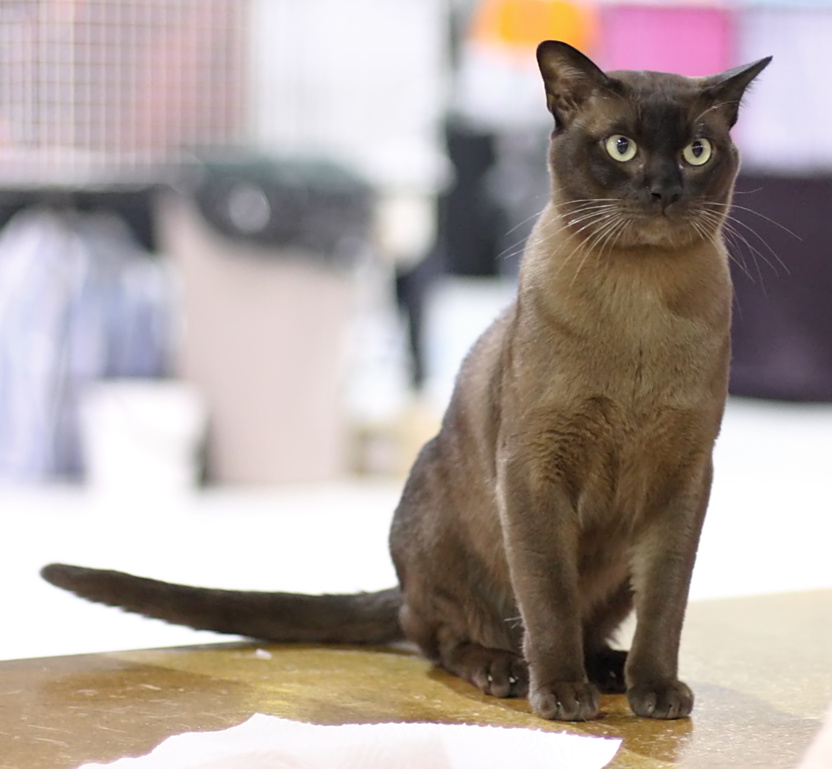
A Burmese cat is often chosen for its close interest in people, compact muscular build and smooth short coat. Those appealing features do not describe a ready-made personality or remove the work of providing suitable care. The most useful question is whether your household can offer the companionship, activity, practical routines and veterinary attention that the individual animal needs.
Spend time learning about the cat beyond its color or a photograph of it resting on someone’s lap. Ask how it behaves when the home is quiet, when visitors arrive and when familiar people leave. This guide explains what to consider before bringing one home, how to organize daily life and how to discuss breed-related health information without assuming every Burmese develops the same problems.
Understand the Burmese cat beyond appearance
The breed is associated with a substantial body under a short close-lying coat, which can make an animal feel heavier than its outline suggests. Coat colors and recognized types vary between registries, and European Burmese and Burmese may be treated separately in some systems. If pedigree status matters to you, ask which registry and recorded lineage describe the actual Burmese cat rather than assuming all labels mean precisely the same thing.
Appearance alone cannot confirm ancestry. A solid-colored shorthaired cat may resemble the breed without having documented parentage, and a companion animal does not need a pedigree to deserve good care. Ask for records where a seller claims registered status, but keep temperament, health and suitability ahead of show terminology. A name on an advertisement is not a health guarantee.
Avoid choosing the most exaggerated head or body shape simply because it looks distinctive online. The animal needs comfortable breathing, eating, movement and grooming. If you have concerns about facial structure or physical function, ask a veterinarian to assess the individual. Describing a feature as a breed characteristic does not establish that it is harmless.
Plan a Burmese cat companionship routine
Many Burmese are described as people-oriented and interested in household activity. That can be enjoyable when you want a cat nearby while reading or working, but it also deserves practical planning if the home is empty for long periods. Ask how the particular animal handles ordinary absences rather than assuming a sociable breed can entertain itself indefinitely.
Companionship should include choice. A cat may follow you from room to room yet dislike being carried, hugged or disturbed during sleep. Offer comfortable places near your usual activities without requiring constant physical contact. An animal that can sit alongside you or withdraw to a quiet bed has more control than one repeatedly picked up because it is expected to be affectionate.
A Burmese cat care plan should include workdays, travel and illness in the household. A dependable caregiver should know feeding, litter and medication routines, as well as the cat’s preferred way to interact. Do not assume acquiring a second cat automatically solves loneliness. Feline relationships vary, and adding another animal introduces its own space, resource and introduction needs.
Give the Burmese cat useful play choices
A lively companion benefits from opportunities to investigate and use ordinary hunting-related behaviors safely. Rotate a few suitable toys, offer short interactive sessions and include pauses that allow watching and planning. Moving a toy continuously at maximum speed may produce frantic activity without giving the cat a satisfying chance to stalk and catch.
Make the home interesting at different levels, with stable resting and climbing options appropriate to the animal’s mobility. A food puzzle can add variety if it is introduced easily and does not replace access to adequate meals. Check toys for loose pieces and put strings or wand toys away after supervised use. Curiosity makes household hazard management important too.
Adapt activities to the individual. A confident youngster may investigate a new puzzle quickly, while an adult in a new home may first need predictable rest and quiet. If your Burmese cat changes its activity suddenly, assess health and environment rather than buying more stimulating equipment. Our guide to subtle feline pain signs describes changes that can appear before an obvious limp or vocal complaint.
Make the first room predictable
Before arrival, prepare a secure room with familiar food where available, water, litter, a comfortable hide and a scratching option. Arrange resources with space between them rather than packing every essential into one tight corner. Check windows, cords, gaps and plants before the cat enters. A sociable reputation does not make a new environment instantly comfortable.
Allow exploration from the carrier without pulling the animal out or immediately introducing the whole family. Some cats approach people quickly while still feeling uncertain about the room. Let eating, resting and toileting settle before expanding access. Keep the original safe area available so exploration has a familiar return point instead of becoming a compulsory tour.
Ask the previous caregiver for practical details, including litter texture, feeding pattern, preferred toys and handling sensitivities. Preserve useful familiar elements during transition. You can make later changes thoughtfully rather than replacing every product at once. Understanding what already works often supports settling more effectively than a large collection of unfamiliar accessories.
Feed the Burmese cat for body condition
Choose a complete diet suitable for the cat’s life stage and any veterinary needs, then measure portions and monitor body condition. A compact muscular appearance can make visual weight assessment difficult, so learn how ribs, waist and muscle should be evaluated with your veterinary team. Do not assume a broad build justifies unlimited food or that every round outline is normal for the breed.
Training rewards and edible extras count within the overall intake. If the animal enjoys food puzzles or short learning sessions, reserve suitable portions from its daily allowance where appropriate. Avoid using a few treats as the main explanation for a diet that otherwise remains unmeasured. A simple written feeding plan helps several caregivers avoid accidental duplicate meals.
Our cat nutrition guide explains life-stage planning and balanced feeding. Ask for advice about persistent appetite changes, increased thirst or weight changes instead of making repeated unsupported diet adjustments. A new symptom deserves assessment even when a food preference seems an easier explanation.
Keep Burmese cat grooming gentle and complete
The short coat is usually easier to maintain than a dense long coat, but it still needs occasional gentle attention and regular observation. Use a suitable soft tool and brief sessions the cat accepts. Check the skin and coat while stroking rather than treating grooming only as removing loose hair. Excessive pressure can irritate skin beneath a smooth-looking surface.
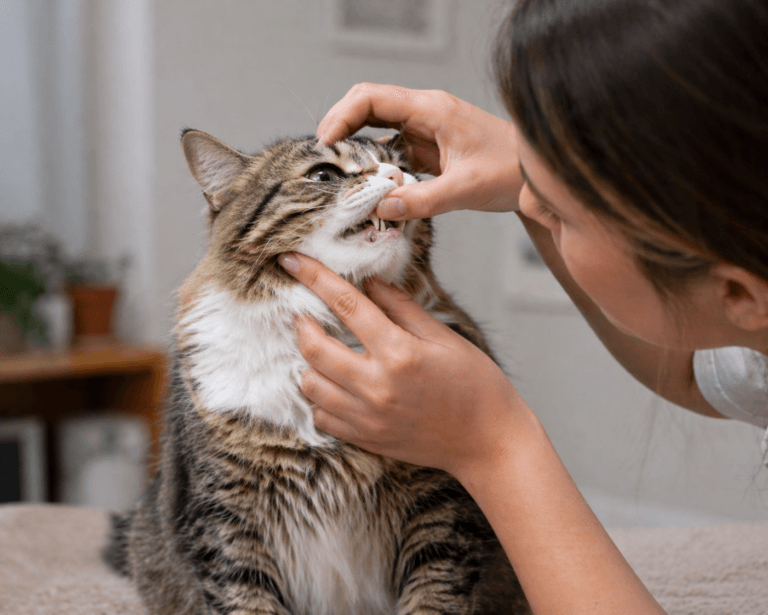
Introduce paw handling, nail care and mouth-related routines gradually. Reward a moment of comfortable participation and stop before the cat struggles. A friendly animal is not automatically comfortable with every procedure. Ask the veterinary team to demonstrate appropriate care if you are unsure, particularly around teeth, nails and ears. Avoid inserting objects into an ear canal or using human dental products.
Record changes such as overgrooming, a dull coat, new mats in an otherwise short coat or reluctance to be touched. These can reflect more than untidy habits. A cat that previously tolerated a brush and now objects may be painful or unwell. Reassess the cause instead of holding it more firmly to finish the routine.
Review Burmese cat genetic records carefully
Ask which conditions were assessed, which animals were tested and whether the reports match the parents’ identities. A broad statement that the line is DNA clear is less useful than named results interpreted in context. Genetic tests examine particular variants; they do not screen every cause of illness or replace a clinical examination. A healthy-looking kitten cannot demonstrate all future outcomes.
Burmese hypokalemia is one inherited condition for which a specific genetic test is available. Affected cats can show muscle weakness, but weakness has many possible causes and must not be diagnosed from breed alone. Discuss relevant testing with the breeder and veterinarian. Do not start potassium supplements or alter treatment on the assumption that a weak Burmese has this disorder.
Other available tests in relevant lines include Burmese head defect and GM2 gangliosidosis. Their significance depends on the lineage and the actual result. Ask a professional to explain affected, carrier and clear terminology for the particular test rather than applying one inheritance pattern to every condition. Carrier status is not the same as a clinical diagnosis in every genetic disorder.
Put breed-related illness in perspective
Health planning should be specific without becoming a prediction that every cat will become ill. Different populations and lines can have different histories, and published concerns should guide sensible questions rather than replace assessment of the individual. Ask the breeder about relatives’ health and request a candid explanation of what has and has not been screened.
Research has examined metabolic differences and diabetes risk in some Burmese populations. That does not mean increased thirst, chewing changes or facial discomfort can be managed through breed-specific home remedies. Tell the veterinarian about the symptoms, timing and lineage information you have. Avoid dismissing a sign because someone says it is normal for Burmese.
A test panel also cannot replace ordinary observation of breathing, appetite, litter use, movement and behavior. Keep useful records from routine veterinary visits and ask when reassessment is appropriate. Preventive care, dental attention and prompt response to change remain important even when all relevant inherited-disease tests are reassuring. Good records support decisions; they do not make ongoing care unnecessary.
Support a Burmese cat around children and pets
Choose introductions according to the animal’s history and current comfort. A cat described as good with families still needs protected rest and an escape route from unwanted attention. Teach children to invite interaction rather than chase, lift or hold the animal in place. Adults should supervise and protect both the cat’s boundaries and the child’s safety.
With another cat, provide separate resources and gradual opportunities to become familiar without forcing close contact. A dog should be managed so it cannot rush, corner or repeatedly follow the newcomer. The goal is comfortable coexistence, not a photograph of all animals on the same sofa during the first week. Individual relationships matter more than an optimistic breed description.
Watch for quieter signs of pressure, such as a cat avoiding a room, waiting to eat or spending unusually long periods hidden. These changes can also have medical causes, so consider the whole picture. Adjust access and seek professional advice where tension persists. Do not expect a social breed to tolerate every household arrangement without support.
Choose a Burmese cat source thoughtfully
Ask about the animal’s actual daily life, veterinary care, social experiences and any known sensitivities. A responsible source should welcome practical questions and provide records rather than focusing only on color, availability or rapid payment. Arrange an independent veterinary examination and understand what support or return arrangements apply if a serious suitability problem emerges.
For a kitten, discuss the age and circumstances of transfer with the relevant professionals and the source. Avoid taking a very young animal simply because it looks ready to play. Early development involves more than eating solid food, and the environment before adoption influences later confidence. Ask what gentle handling and ordinary household experiences have already been introduced.
An adult can offer valuable information about temperament and routine. A rescue assessment should be read as context, not a promise that behavior will be identical in a different home. Give the animal time and preserve practical continuity where possible. The best match is based on what you can provide over the cat’s life, including if work or family arrangements change.
Prepare for veterinary visits and urgent changes
Keep a suitable secure carrier available and make it part of familiar surroundings before it is needed. Preserve veterinary contact information and know how to obtain urgent care. A cat that enjoys people may still find travel or examination stressful, so plan calm handling rather than assuming friendliness removes the need for preparation.
Reduced food intake, abnormal breathing, weakness, difficulty urinating or a sudden change in awareness needs prompt advice. Our article on a cat not eating explains why waiting for a sociable animal to brighten up can be risky. A quiet day may be the most visible sign that something is wrong.
Record relevant details without delaying care to obtain a perfect video or photograph. Tell the veterinary team about prescribed medicines, recent changes and known genetic results. Do not give human painkillers or supplements while trying to interpret symptoms. The purpose of understanding the breed is to ask better questions and support timely care, not to diagnose it yourself.
Is a Burmese cat the right companion?
Consider whether your household can offer regular engagement, stable basic care and flexibility about the cat’s individual preferences. A smooth coat may simplify grooming, while a strong interest in people may make companionship planning more important. Neither characteristic should be treated as a shortcut to low-effort ownership. Look at the actual animal and the ordinary week it would share with you.
Before committing, discuss absence cover, veterinary costs, secure windows, feeding and the needs of existing pets. These practical questions can be answered without needing a perfect home or an expensive accessory collection. They require a dependable plan that remains realistic after the excitement of bringing a new cat home has passed.
A rewarding relationship develops when affection is invited, activity is meaningful and discomfort is noticed early. If you enjoy a cat that may be involved in everyday household life and are prepared to protect its choices as well as enjoy its company, the breed may suit you. Make the decision from evidence about the individual, not a guarantee attached to its name.