
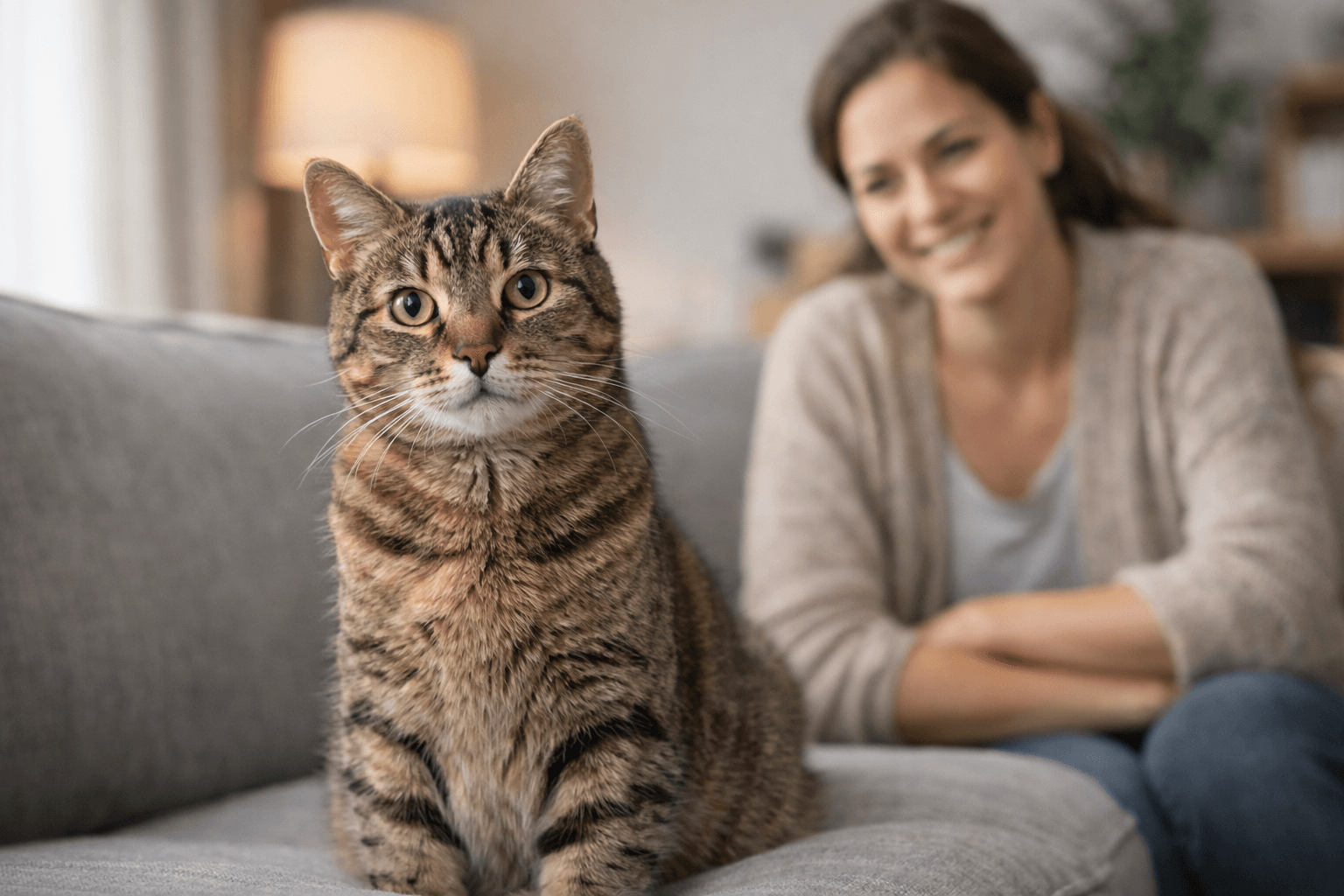
Facts About Cats: Vet-Approved Guide to Feline Biology, Behaviour & Health
Cats are one of the most popular pets in the world, yet even devoted cat parents are often surprised by how different feline biology and behaviour are from dogs and humans. Understanding a few key facts about cats doesn’t just make them more fascinating – it also helps you spot illness earlier, prevent behaviour problems, and give them a longer, happier life.
This vet-approved guide walks you through the most important facts about cats: how their bodies and senses work, what their behaviour really means, which health risks you should never ignore, and how to create a home that truly feels safe and enriching for them. Throughout the article you’ll find links to in-depth guides on specific cat topics from the Vet & Pet Health Guide.
Remember: every cat is an individual. Use these facts as a framework, but always discuss any concerns with your veterinarian – especially if your cat’s behaviour or habits suddenly change.
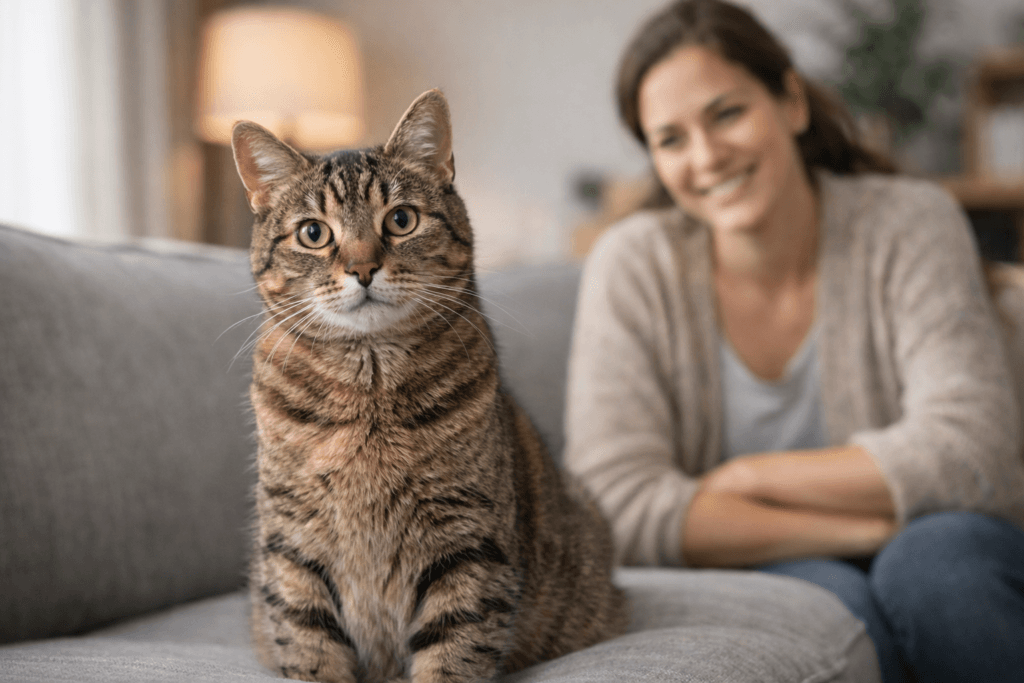
Facts about cats: 1. Basic Cat Biology: How Feline Bodies Are Built
Facts about cats: 1.1 Cats are specialised hunters – even indoor couch potatoes
Your sleepy indoor cat still has the body of a precision hunter. Cats are obligate carnivores, which means they must eat meat to get essential nutrients such as taurine, arachidonic acid and certain vitamins. Their teeth are designed for gripping and shearing rather than chewing plants, and their short digestive tract is built to process high-protein, high-fat prey – not large amounts of carbohydrates.
This hunting design is why many cats prefer frequent small meals rather than two big bowls a day. In the wild, a cat would catch and eat several small prey animals over 24 hours. Food puzzles, scatter-feeding and wet food “mini-meals” can all mimic this natural pattern and help prevent boredom and obesity.
1.2 Super senses: vision, hearing and smell
Cats experience the world very differently from us:
- Vision: Cats see well in low light and are excellent at detecting motion. They don’t see fine detail or colour as well as humans, but their eyes are perfectly adapted for dawn and dusk hunting. If you want a deep dive on feline vision, see our guide on cat eyes and common eye problems.
- Hearing: Cats can hear higher frequencies than humans and even dogs. This helps them detect tiny prey – but it also means loud music, shouting or slamming doors can be more stressful than we realise.
- Smell: Scent is crucial for cats. They use smell to recognise territory, other cats and even you. That’s why strong cleaning products or new perfumes can make them uneasy.
1.3 Flexible spine and incredible agility
Cats have a highly flexible spine and a powerful back end. This allows them to twist in mid-air, sprint rapidly over short distances and land gracefully from high jumps. However, this agility doesn’t make them indestructible. Repeated high jumps, being overweight or previous injuries can all contribute to arthritis in middle-aged and senior cats. Subtle stiffness or hesitating before jumping can be an early sign of joint pain rather than “just getting old”.
1.4 Sleep champions with short bursts of activity
Most adult cats sleep 12–18 hours per day. Deep sleep and short bursts of activity are normal feline patterns. What matters is the quality of their wakeful time: do they play, explore, interact with you and groom? A cat that suddenly sleeps much more, hides, or stops playing may be unwell, stressed or in pain.
Facts about cats: 2. Behaviour Facts: What Your Cat Is Really Telling You
2.1 Cats are social – but on their own terms
There’s a common myth that cats are completely solitary animals. In reality, many cats are social and form strong bonds with humans and other pets, but they prefer to choose when and how they interact. Some cats enjoy cuddling on your lap, others prefer to sit nearby. Respecting their choices builds trust and reduces stress-related problems like inappropriate urination or aggression.
2.2 Territory matters more than “pack rank”
Unlike dogs, cats do not have a pack hierarchy. Their social life revolves around territory: safe resting areas, food, water, litter trays and vantage points. Conflict often happens when these resources are too close together or when new cats are introduced too quickly. In multi-cat homes, provide multiple feeding stations and litter trays in different locations to reduce tension. For more on stress and anxiety in cats, see our guide on separation anxiety in dogs and cats.
2.3 Scratching is a need, not “naughtiness”
Cats scratch for three main reasons: to maintain their claws, stretch their muscles and mark territory with scent glands in their paws. Providing sturdy scratching posts (both vertical and horizontal) near sleeping areas and doorways lets your cat use this natural behaviour appropriately. Punishing scratching often makes stress worse and may damage your bond; redirecting with better scratching options works far better.
2.4 Purring isn’t always a sign of happiness
Most cats purr when relaxed and content, but they can also purr when anxious, in pain or close to death. Researchers believe purring may be a self-soothing behaviour or even help with healing because of the vibration frequency. If your cat is purring but hiding, breathing fast, or not eating, don’t assume everything is fine – context matters. Combine this fact with what you know about your individual cat’s normal behaviour.
2.5 Kneading, head-butting and slow blinks are signs of affection
Many cats “make biscuits” (kneading with their paws) on soft blankets or even on you. This behaviour originates from kittenhood, when kneading around the mother’s teat encourages milk flow. In adult cats, kneading typically signals comfort and bonding. Head-butting (bunting) and slow blinks are also affectionate behaviours – your cat is mixing their scent with yours and signalling trust. Returning a slow blink is a gentle way to say “I love you” in cat language.
Facts about cats: 3. Health & Lifespan Facts Every Cat Parent Should Know
3.1 Indoor cats still need vaccines and parasite control
Because cats are so good at hiding illness, prevention is one of the most important facts to understand. Even indoor-only cats can be exposed to infectious diseases through open windows, shared stairwells, other pets or newly adopted animals. Core vaccinations protect against serious diseases such as panleukopenia and calicivirus. For a detailed schedule and cost breakdown, see our cat vaccination schedule 2025 guide.
Fleas, ticks and intestinal worms can hitch a ride on clothing, shoes or other animals. Regular parasite prevention is essential – especially if you also have dogs or outdoor pets. Combined flea–tick–worm products are convenient, but your vet will help you choose what’s safest for your cat’s age and health.
3.2 Cats are masters at hiding pain and sickness
In the wild, showing weakness makes a cat vulnerable, so domestic cats instinctively hide discomfort. By the time they show obvious signs like crying or limping, they may have been unwell for a while. Subtle changes to watch for include:
- Eating more slowly, chewing on one side or dropping food – can indicate dental pain.
- Jumping less, hesitating before climbing stairs, or avoiding favourite perches – may suggest arthritis.
- Sleeping in unusual places, avoiding family members, or suddenly becoming clingy.
- Changes in litter box habits – straining, visiting more often, or urinating outside the tray.
If your cat stops eating for more than 24 hours, or vomits repeatedly, treat it as urgent. Cats can develop fatty liver disease (hepatic lipidosis) after even a short period without food. Our article on why your cat is not eating and when to worry explains when home monitoring is safe and when to see a vet immediately.
3.3 Average lifespan – and how to help your cat live longer
With good care, many indoor cats now live 14–18 years, and some reach their early twenties. Genetics play a role, but lifestyle has a huge impact. Keeping your cat at a healthy weight, providing regular veterinary checks, and preventing accidents with secure windows and balconies are all powerful longevity tools.
Breed can influence lifespan and health risks. For example, large, heavy-boned breeds like the Norwegian Forest Cat may be predisposed to certain joint and heart issues. Mixed-breed cats can also inherit genetic problems, so routine vet checks are important for every cat, not just pedigrees.
3.4 Spaying and neutering: essential health facts
Spaying female cats and neutering males provides major health and welfare benefits. It prevents unwanted pregnancies, reduces the risk of uterine infection (pyometra) and mammary tumours in females, and decreases roaming, fighting and spraying in males. Some owners worry about fertility myths around cats and humans – if you’re curious, our article on whether cats can cause infertility in people explains the science and how to stay safe during pregnancy.
Facts about cats: 4. Nutrition Facts: What (and How) Cats Should Eat
4.1 High-protein, moisture-rich diets suit feline physiology
Because cats evolved as desert-dwelling hunters, they naturally obtain much of their water from prey. Many cats are poor drinkers, so relying only on dry food can contribute to chronic dehydration and urinary problems in some individuals. Including wet food in your cat’s diet helps increase water intake and can support bladder and kidney health.
Quality matters more than brand. Look for diets that list a named animal protein (such as chicken, turkey or salmon) as the first ingredient and that meet AAFCO or FEDIAF guidelines for complete and balanced nutrition. Senior cats, kittens and cats with medical conditions often need tailored diets – always ask your vet before making big changes.
4.2 Free-feeding vs meal-feeding
Because most indoor cats have fewer opportunities to burn energy, obesity is one of the most common feline health problems. Meal-feeding measured portions rather than leaving a full bowl down all day makes it easier to control calories and notice changes in appetite. Food puzzles and “hunting games” (hiding small portions around the house) provide both mental stimulation and gentle exercise.
4.3 Treats should be less than 10% of daily calories
Cats absolutely can enjoy treats – but they should be just that: a treat. Too many snacks can unbalance an otherwise good diet and quickly add calories. Lean cooked meats, specialised veterinary treats and small portions of your cat’s regular kibble used as rewards are better options than high-salt human foods. Avoid onions, garlic, chocolate, alcohol and xylitol-sweetened items completely, as these are toxic to cats.
Facts about cats: 5. Environmental Enrichment & Mental Health
5.1 Play is not optional – it is a behavioural need
Regular interactive play is one of the most overlooked cat care facts. Short daily sessions with wand toys, “prey” that moves unpredictably, and puzzle feeders help relieve boredom and reduce stress-related behaviours like over-grooming or rough play. Many behaviour issues improve dramatically once a structured play routine is in place.
5.2 Vertical space and hiding places create security
Cats feel safest when they can observe from above and retreat when needed. Provide cat trees, window perches and shelves, along with cosy hiding spots such as boxes or covered beds. In multi-cat homes, multiple routes up and down help cats avoid one another without confrontation. This is especially important for sensitive or shy cats, including some coat-pattern types like tuxedo cats, who often have big personalities but can still feel threatened by sudden changes.
5.3 Litter tray facts many owners don’t know
- General rule: one tray per cat, plus one extra, in different quiet locations.
- Most cats prefer unscented, fine-grained clumping litter.
- Trays should be scooped at least once daily and washed regularly.
- Cats may avoid trays that are too small, covered, next to noisy appliances or placed near food and water.
Changes in litter tray habits are one of the earliest signs of stress or medical trouble. Painful conditions such as cystitis or constipation can cause cats to associate the tray with discomfort and seek other places. Always check with your vet if your cat suddenly starts urinating on beds, couches or the floor.
6. Red-Flag Signs: When Facts Mean “See a Vet Now”
Because cats are so subtle, it helps to have a simple list of symptoms that should always trigger a veterinary visit:
- Not eating for more than 24 hours, or eating dramatically less than usual.
- Repeated vomiting or vomiting combined with lethargy or collapse (see our home treatment for cat vomiting guide for what is and isn’t an emergency).
- Straining in the litter tray, crying, or producing only small drops of urine – especially in male cats, where this can signal a life-threatening blockage.
- Open-mouth breathing, rapid or laboured breathing.
- Sudden hind leg weakness or paralysis.
- Seizures, collapse, or significant trauma (falls, road accidents, dog attacks).
If you’re ever unsure, it is always safer to call your veterinary clinic or an emergency hospital. Our article on emergency first aid for dogs and cats explains what you can safely do at home while you arrange professional help.
7. Quick Cat Facts – Fun Extras
- Whiskers are sensory super-tools: They help cats judge gaps and detect air currents. Never trim them.
- Each cat’s nose print is unique, much like a human fingerprint.
- Coat colour and pattern can influence personality tendencies, but environment and handling are just as important. See our deep-dive into tuxedo cat personalities for an example.
- Cats can form secure attachments to their owners similar to infants and dogs – they really are family members, not “aloof roommates”.
8. Vet-Approved FAQs about Cat Facts
Q1. Are indoor cats really healthier than outdoor cats?
Yes, in most cases. Indoor cats are protected from cars, predators, poisons and many infectious diseases. However, they still need vaccines, parasite control, environmental enrichment and regular vet checks. A bored indoor cat can develop stress and obesity, so think “safe but stimulating”, not “locked inside”.
Q2. Do certain cat breeds cause more allergies?
No breed is truly hypoallergenic. Allergies are triggered mainly by the Fel d 1 protein in saliva and skin oils, not by fur length. Some individuals produce less of this protein, so people may react less to them, but there is huge variation. Regular grooming, HEPA filtration and veterinary advice all help families manage allergies safely.
Q3. Is milk good for cats?
Most adult cats are lactose intolerant. Cow’s milk can cause diarrhoea and stomach upset. Fresh water should be the main drink. If you want to offer a special treat, choose a lactose-free cat milk formulated for pets and keep portions small.
Q4. How can I tell if my cat is happy?
A content cat usually shows a relaxed body posture, normal grooming, steady appetite, playful moments and a willingness to interact on their own terms. Slow blinking, gentle purring while relaxed, and choosing to rest near you are all excellent signs. Use our articles on cat behaviour as a deeper guide to reading feline body language.
Q5. How often should my cat see the vet?
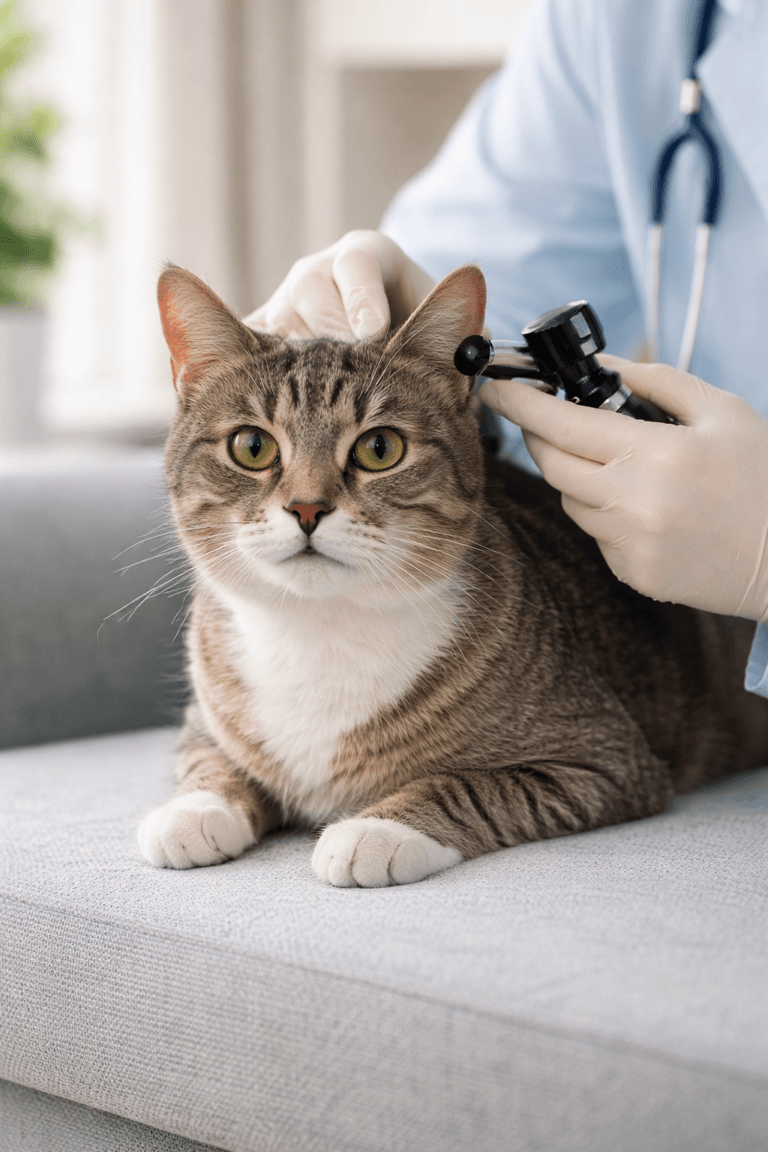
Kittens need several visits in their first year for vaccines, deworming and neutering. Healthy adult cats should have a full check-up at least once a year; seniors (usually 7+ years) often benefit from twice-yearly visits and screening blood tests. Early detection of kidney disease, dental problems or arthritis can add years of good-quality life.
9. Final Thoughts: Turning Cat Facts into Better Care
Knowing the facts about cats – how they think, move, eat and hide illness – turns you from a “food provider” into a true feline guardian. When you understand why your cat scratches, why they suddenly stop eating, or why a small change in behaviour can signal pain, you’re far better equipped to protect their health.
If you’d like to learn more about specific topics, explore our dedicated cat guides on:
- eye health and vision problems
- vomiting and stomach upsets
- loss of appetite and when to worry
- vaccination schedules and costs
For personalised advice, especially if your cat shows any worrying signs, please contact your local veterinarian or book a consultation with the team at GV Animal Hospital. Your cat’s future health starts with the facts you act on today.




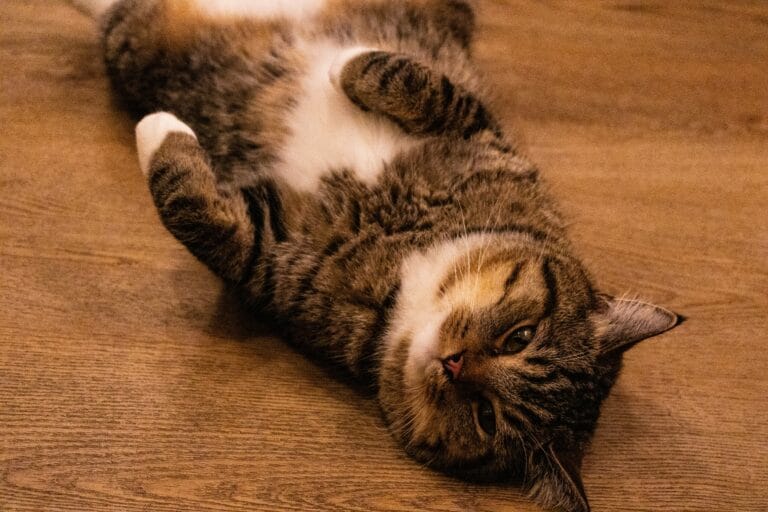
I’ve found that keeping my cat’s environment enriched with toys and climbing spots makes a huge difference in her behavior. It really seems like those instincts never leave them, no matter how domesticated they are.