
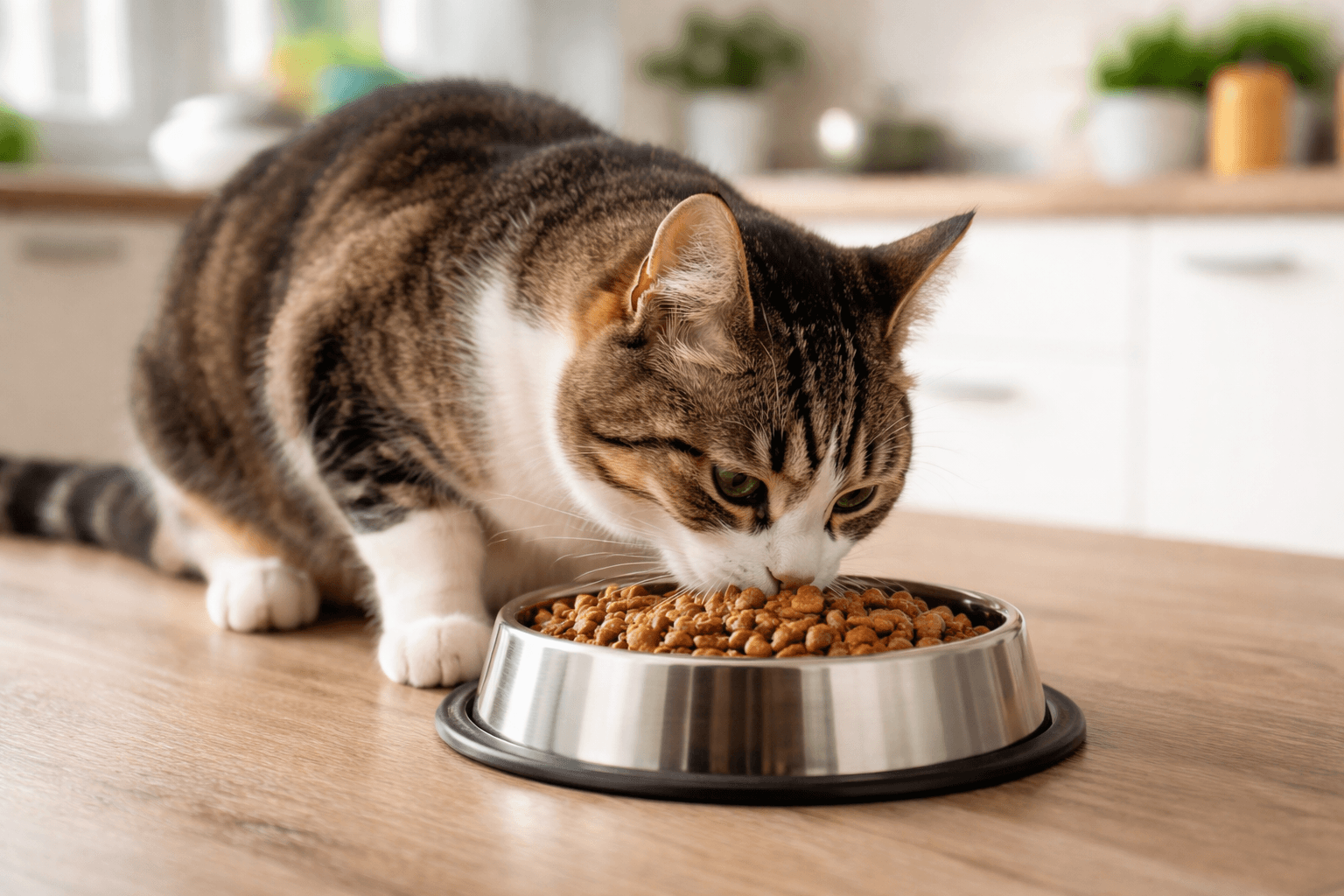
Food choice, portion size and feeding routine all affect a cat’s nutrition. This cat nutrition guide explains nutritional adequacy, life-stage needs, food labels and practical feeding decisions. A suitable diet supports health, but it cannot guarantee prevention of urinary, digestive or other disease.
Disclaimer: This guide is for general education only and does not replace an individual consultation with your veterinarian.
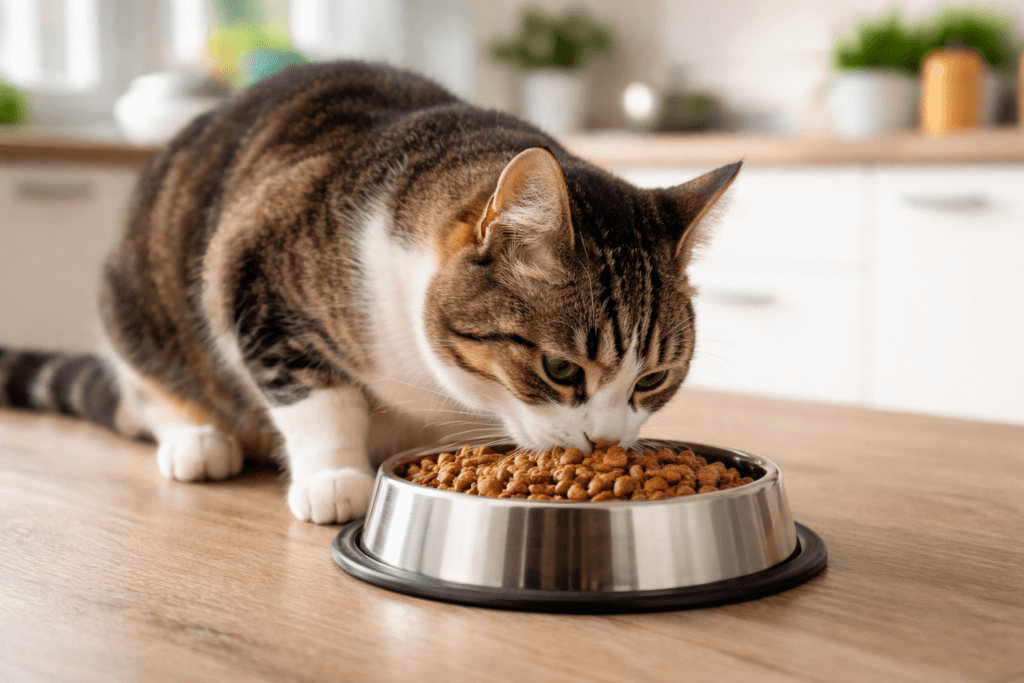
Cat nutrition guide: 1. What Makes a Healthy Cat Diet?
Cats are obligate carnivores. Their bodies are designed to use animal protein and fat as the main fuel. A complete cat diet should provide:
- High-quality animal protein (chicken, turkey, fish, lamb, beef, egg) to build muscles and support organ function.
- Moderate fat for energy and a shiny skin and coat.
- Very low carbohydrates because cats have limited ability to use carbs.
- Essential amino acids such as taurine and arginine.
- Essential fatty acids such as omega-3 and omega-6.
- Balanced vitamins and minerals, especially calcium, phosphorus and B-vitamins.
- Plenty of moisture, especially for cats prone to urinary problems.
When you choose food, look for phrases like “complete and balanced” for your cat’s life stage (kitten, adult, senior) according to AAFCO or FEDIAF standards. That simple check already puts you ahead in creating a safe cat nutrition plan.
Cat nutrition guide: 2. Life-Stage Nutrition: Kittens, Adults & Senior Cats
Cat nutrition guide: 2.1 Kittens (0–12 months)
Kittens grow rapidly and need extra protein, calories, calcium and phosphorus. Always feed a food labelled for “growth” or “kitten”. Avoid home-made diets for kittens unless they are specially formulated by a veterinary nutritionist.
- Feed 3–4 small meals each day to match their small stomachs.
- Offer both wet and dry food to prevent picky eating later in life.
- Monitor stool; very soft stool may mean the food is too rich or being increased too quickly.
- Schedule regular veterinary check-ups to confirm normal growth and body condition.
2.2 Adult cats (1–7 years)
Adult cats need a maintenance diet that prevents both obesity and deficiency. Most healthy indoor cats do well on a good-quality commercial complete diet. A stable adult cat nutrition routine should:
- Use mostly wet food or a mix of wet and dry to support urinary tract health.
- For indoor or neutered cats, include formulas labelled “indoor”, “light” or “weight control” if weight tends to increase.
- Use treats for training only and keep them under 10% of daily calories.
- Check body weight and body condition score every 1–2 months.
2.3 Senior cats (7+ years)
As cats age, kidney disease, dental issues and arthritis become more common. Senior cat nutrition should be gentle on organs but still rich in high-quality protein.
- Moderate protein with very high-quality, easily digestible sources.
- Adjusted minerals (especially phosphorus and sodium) to ease kidney workload.
- Added omega-3 fatty acids, antioxidants and joint-support nutrients.
- Formulas designed to maintain muscle while avoiding excess calories.
Any weight loss, vomiting or change in appetite in a senior cat deserves a veterinary assessment. Our cat vomiting guide explains warning signs and the limits of home care. Repeated vomiting needs veterinary attention.
Cat nutrition guide: 3. Wet vs Dry Food: What’s Best?
Both wet and dry foods can be part of healthy cat nutrition if they are complete and balanced, but they have different advantages.
3.1 Benefits of Wet Food
- Moisture-rich food can increase water intake. It does not by itself prevent every urinary crystal, treat kidney disease or replace a condition-specific diet.
- Usually more palatable for picky cats.
- Lower carbohydrate content in many formulas.
- Can help cats that tend not to drink enough water.
3.2 Benefits of Dry Food
- Convenient and doesn’t spoil quickly in the bowl.
- Good for puzzle feeders and slow feeding toys.
- Often cheaper per calorie than wet food.
- Easier for multi-cat households where food is left down for part of the day.
3.3 Best Option: Mixed Feeding
Wet, dry or mixed feeding can be suitable when the foods are complete, appropriate for the cat and fed in the right amounts. The best arrangement depends on health, calorie needs, preference, storage and practical access; no single mixture is best for every cat.
- Wet food for moisture and palatability.
- Measured dry food for convenience and enrichment.
- Greater flexibility in adjusting calories up or down.
Always provide plenty of fresh water. Consider multiple bowls or a cat water fountain for cats that don’t naturally drink much.
Cat nutrition guide: 4. How Much Should I Feed My Cat?
Feeding amounts depend on body weight, activity level, age, neuter status and the calorie density of the food. Use this process to set up a safe cat feeding plan:
- Check the feeding guide on the food packet based on your cat’s ideal weight.
- Weigh the food using a kitchen scale instead of guessing with cups.
- Track your cat’s body condition score (BCS) every 2–4 weeks. You should feel the ribs easily under a thin fat layer and see a waist from above.
- Adjust by 10–15% up or down depending on weight change over a month.
4.1 Sample Daily Intake for an Indoor Neutered Adult (4–5 kg)
- Food quantity: use the individual calorie target and the actual kcal per pouch, tin or gram printed on the product. An 85 g package has no universal calorie value.
- Mixed feeding: calculate the wet and dry portions from the individual daily calorie target and each product’s actual energy content. Subtract treats and other extras; do not assume a standard number of pouches and grams suits every cat.
Weight-loss programs should always be supervised by your vet, especially if your cat is very overweight or has other health issues.
Cat nutrition guide: 5. Special Diets & Common Health Conditions
Some cats need tailored nutrition because of lifestyle or medical problems. Always involve your veterinarian before changing to a therapeutic diet.
5.1 Indoor & Neutered Cats
- Lower calorie requirement due to less activity.
- Higher risk of obesity and diabetes.
- Choose diets labelled “indoor”, “light”, “sterilised / neutered” and use plenty of play to keep them active.
5.2 Overweight & Obese Cats
- Use a vet-approved weight-management diet instead of just reducing portions.
- Increase play and environmental enrichment, not only food restriction.
- Aim for slow weight loss: about 1–2% of body weight per week.
5.3 Cats with Sensitive Stomachs
- Choose diets described as “sensitive”, “digestive care” or “limited ingredient”.
- Switch foods gradually over 7–10 days to reduce diarrhea or vomiting.
- Persistent vomiting, blood in the stool, weight loss or poor appetite requires veterinary assessment. See our emergency first-aid guide for signs that need urgent care.
5.4 Urinary Tract Problems
- Special urinary diets control minerals and increase urine volume.
- Wet food is especially important in these cats.
- Straining to urinate, frequent trips to the litter box, or blood in urine is an emergency—see a vet immediately.
5.5 Kidney Disease
- Renal diets are lower in phosphorus and controlled in protein to reduce toxin build-up.
- They often contain extra omega-3 fatty acids and B-vitamins.
- Never restrict protein without a confirmed diagnosis; inappropriate restriction can cause muscle loss.
5.6 Diabetes
- Most diabetic cats benefit from high-protein, low-carbohydrate diets.
- Canned food is usually preferred because it is naturally lower in carbohydrates.
- Diet changes must be coordinated with insulin therapy to avoid dangerous low blood sugar episodes.
6. Hydration and Water Intake in Cats
Cats evolved as desert animals and often have a low natural thirst drive. Many will not drink enough water to match a dry-food diet, increasing the risk of urinary problems. To support good hydration and overall cat health:
- Discuss the appropriate food type and moisture intake with your veterinarian, especially when urinary or kidney disease is present.
- Provide several water bowls around the home, away from litter trays.
- Use wide, shallow bowls; many cats dislike dishes that touch their whiskers.
- Offer a cat water fountain if your cat likes running water.
- Add a small amount of water or low-sodium broth to food if recommended by your vet.
Signs of poor hydration include dry gums, lethargy and very concentrated urine. If you notice these, consult your vet, especially in senior or chronically ill cats.
7. Safe Treats & Human Foods for Cats
Treats are useful for training and bonding but should not exceed 10% of daily calories. Some safe options include:
- Commercial cat treats (look for high-protein, low-carb options).
- Small pieces of cooked chicken, turkey or fish (plain, without bones, salt or spices).
- A teaspoon of plain cooked egg once or twice a week.
7.1 Foods That Are Toxic or Unsafe for Cats
- Onions, garlic, chives and leeks.
- Chocolate, coffee, tea and energy drinks.
- Grapes and raisins.
- Alcohol and raw bread dough.
- Dog food as a main diet (nutritionally imbalanced for cats).
- Excess liver, fish-only diets, or raw bones.
- Human vitamin or mineral supplements unless prescribed.
Keep medicines, pesticides and human supplements out of reach; cats are very sensitive to overdoses.
8. Reading Cat Food Labels Like a Vet
Marketing terms on pet food can be confusing. Focus on these key parts of the label to improve your cat nutrition decisions:
- Nutrition adequacy statement: confirms the food is complete and balanced for a certain life stage.
- Ingredients and formulation: an ingredient name or its position on the list cannot establish overall nutritional quality. Animal by-products are not automatically poor-quality ingredients. Check nutritional adequacy, the manufacturer’s expertise, quality-control information and whether the complete food suits your cat.
- Guaranteed analysis: shows minimum protein and fat, and maximum fibre and moisture.
- Calorie content: helps you calculate daily portions accurately.
- Manufacturer contact details: reputable companies provide a phone number or website for questions.
The WSAVA nutrition resources explain questions to ask about formulation, nutritional adequacy, research and quality control. Read the food label and ask the manufacturer or your veterinarian when information is unclear.
9. Practical Feeding Schedule Example
Here is a simple daily routine for a healthy indoor adult cat (4–5 kg) fed a mixed diet. Adjust it to your cat’s needs and to the calorie content of your chosen food.
- Morning: ½ can or pouch of wet food, followed by 5–10 minutes of play.
- Afternoon: Small portion of dry food in a puzzle feeder.
- Evening: ½ can or pouch of wet food.
- Night: A few kibbles hidden around the house for hunting-style games.
Adjust amounts according to your chosen brand and your cat’s body condition score. Avoid free-feeding large bowls of dry food; this is one of the fastest ways to cause weight gain.
10. Raw Diets & Home-Cooked Food: Pros and Cons
Considering cooking for your cat? Read our homemade cat food guide for a closer look at nutritional balance and the limits of DIY diets.
Many owners are interested in “natural” or raw diets. While some cats do well on carefully formulated home-prepared diets, there are important risks that every cat nutrition guide must mention:
- Bacterial contamination: Raw meat can contain Salmonella, E. coli and other pathogens that can make both pets and humans sick.
- Nutritional imbalance: Studies show many home-made and raw recipes are deficient in key nutrients such as calcium, taurine or vitamin D.
- Bone injuries: Raw bones may lead to broken teeth, constipation or intestinal blockage.
If you wish to feed a home-prepared diet, work with a board-certified veterinary nutritionist to create a recipe that meets all requirements for your cat’s life stage and health. Many owners find that combining a high-quality commercial diet with occasional home-cooked toppers is a safer compromise.
11. When to See a Vet About Your Cat’s Diet
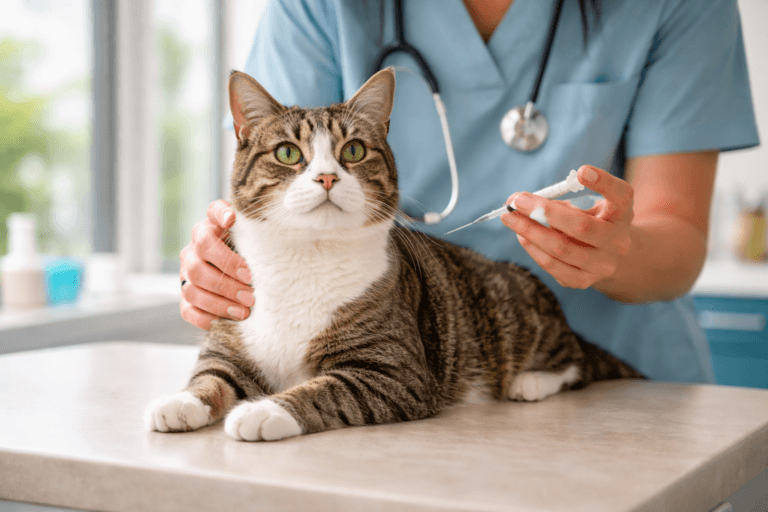
Book a veterinary check-up or online vet consultation if you notice:
- Sudden weight loss or gain.
- Persistent vomiting, diarrhea or constipation.
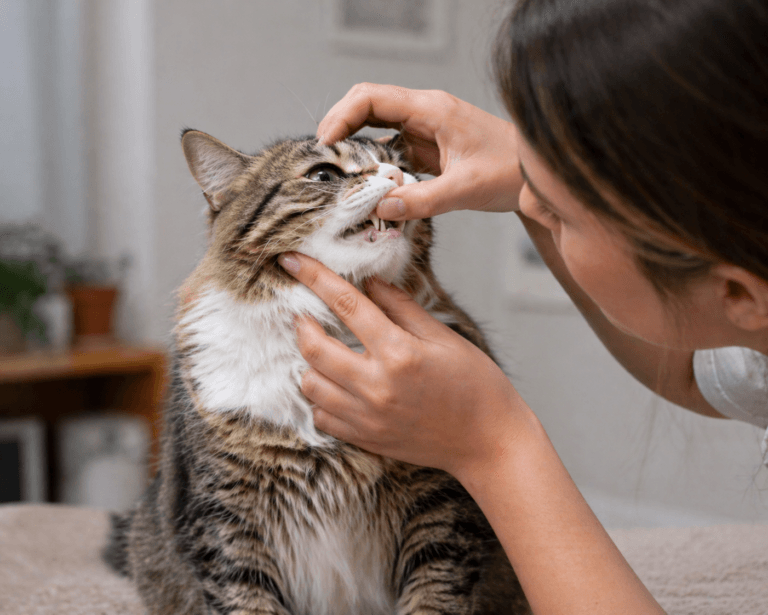
- Strong mouth odour, drooling or difficulty chewing.
- Increased thirst or urination.
- Very dull coat, hair loss or itchy skin.
- Behaviour changes such as hiding, aggression or reduced activity.
These can indicate conditions such as kidney disease, diabetes, hyperthyroidism, food allergy or dental disease—all of which need both medical treatment and nutritional management.
12. Cat Nutrition FAQs
Q1. Can my cat live on home food like curry or milk?
No. Human food rarely provides the right balance of nutrients for cats. Spiced foods may contain onions, garlic and excess salt, while most adult cats are lactose intolerant and develop digestive upset from milk. A complete and balanced cat diet is the safest foundation.
Q2. Is grain-free cat food always better?
Not necessarily. Some grain-free diets are higher in carbohydrates from potatoes or peas than traditional diets. Most cats can digest cooked grains well, unless they have a specific food allergy. Focus on overall nutrient balance and quality protein rather than the presence or absence of grains.
Q3. How often should I change my cat’s food?
If your cat is healthy, there is no need to change brands frequently. However, rotating between two or three similar quality diets can help prevent picky eating and may reduce the risk of intolerance to a single protein source. Any change should be gradual over at least one week.
Q4. My cat is begging all the time. Does that mean she is hungry?
Begging can mean hunger, boredom or simply habit. First, confirm that your cat’s weight and body condition are healthy. Use measured meals, food puzzles and more play sessions. Avoid giving extra food every time your cat meows, or begging will increase.
Q5. Which supplements are really useful for cats?
Most healthy cats eating a complete diet do not need extra vitamins or minerals. However, omega-3 fatty acids from fish oil may support skin, coat and joint health, and probiotics may help some cats with digestive issues. Always choose veterinary-recommended products and discuss doses with your vet.
13. Key Takeaways
- Cats are obligate carnivores and thrive on high-protein, moderate-fat, low-carb diets.
- Choose complete and balanced kitten, adult or senior formulas—home-made diets require veterinary nutritionist support.
- Wet food or mixed feeding supports urinary tract health and hydration.
- Measure portions, monitor body condition, and adjust feeding gradually.
- Special medical conditions (obesity, kidney disease, urinary problems, diabetes) always need a vet-guided diet.
- Use treats wisely, avoid toxic human foods, and read labels carefully.
- Good nutrition, combined with regular veterinary care, is one of the strongest tools for helping your cat live a long, healthy life.
With a clear cat nutrition plan and regular vet advice, you can protect your cat’s health at every life stage and prevent many common diseases before they start.





I truly love your site.. Great colors & theme. Did you develop this site
yourself? Please reply back as I’m hoping to create my
own personal site and would love to find out where you got this from
or what the theme is called. Thanks!
Thanks for your Feedback youcan contact through email at dr.zahidafzal@gmail.com. I also provide services as web developer alongside with my veterinary career. It’s my own written code
Wow, fantastic blog layout! How long have you been blogging for?
you made blogging look easy. The overall look of
your website is wonderful, as well as the content!
Thanks a lot for this appreciation, Well I’m writing articles from 2014 for different publishers but finally from last year on my own website.