
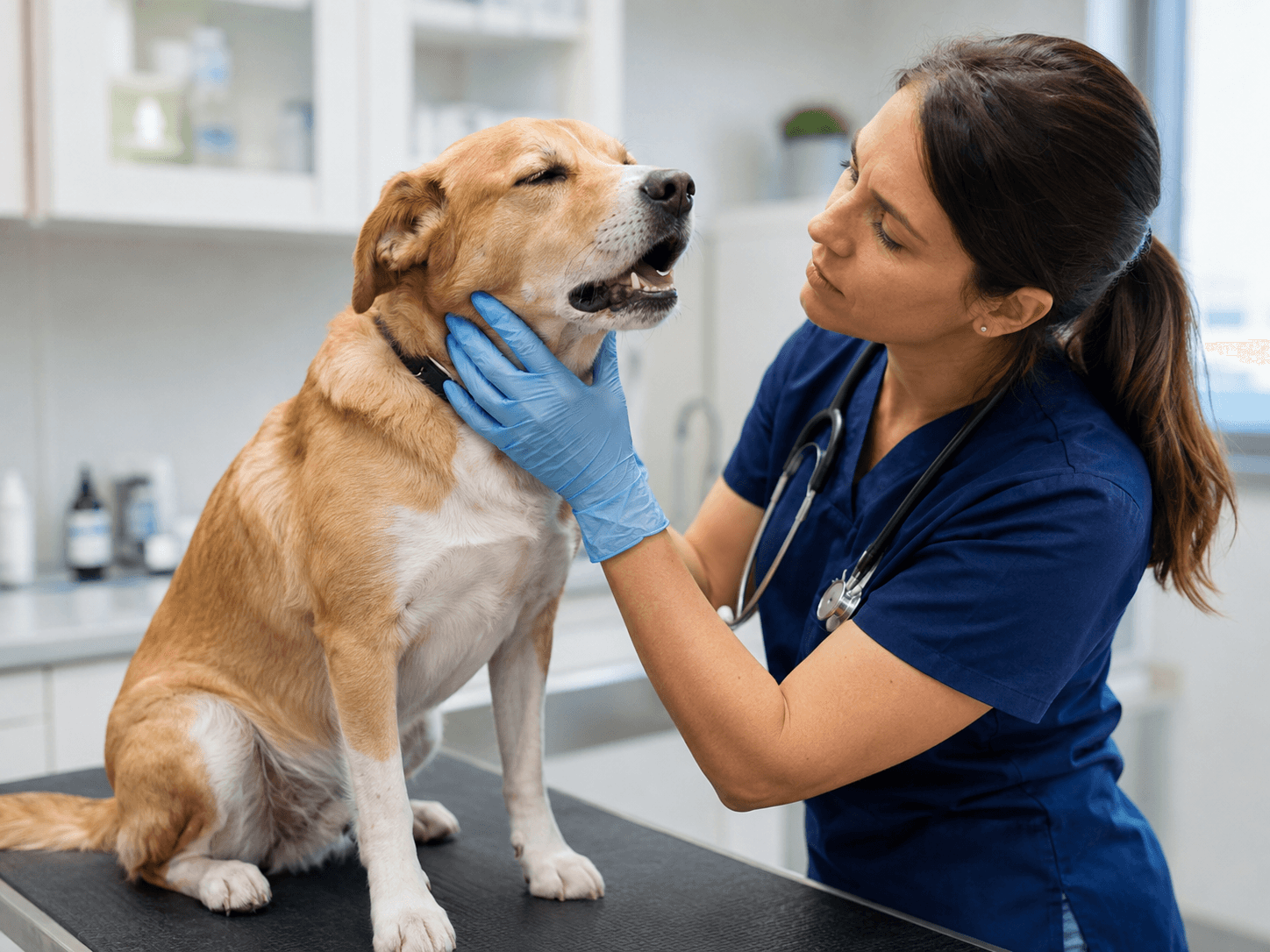
A dog gagging but not throwing up can be reacting to throat irritation, coughing, kennel cough, reverse sneezing, nausea, acid reflux, something stuck in the mouth, or a serious emergency such as bloat. If your dog gagging but not throwing up is also dry heaving, retching, drooling, restless, weak, bloated, breathing abnormally, or repeatedly trying to vomit with nothing coming out, treat it as urgent. A dog gagging but not throwing up should always be judged by the full pattern, not the gagging sound alone.
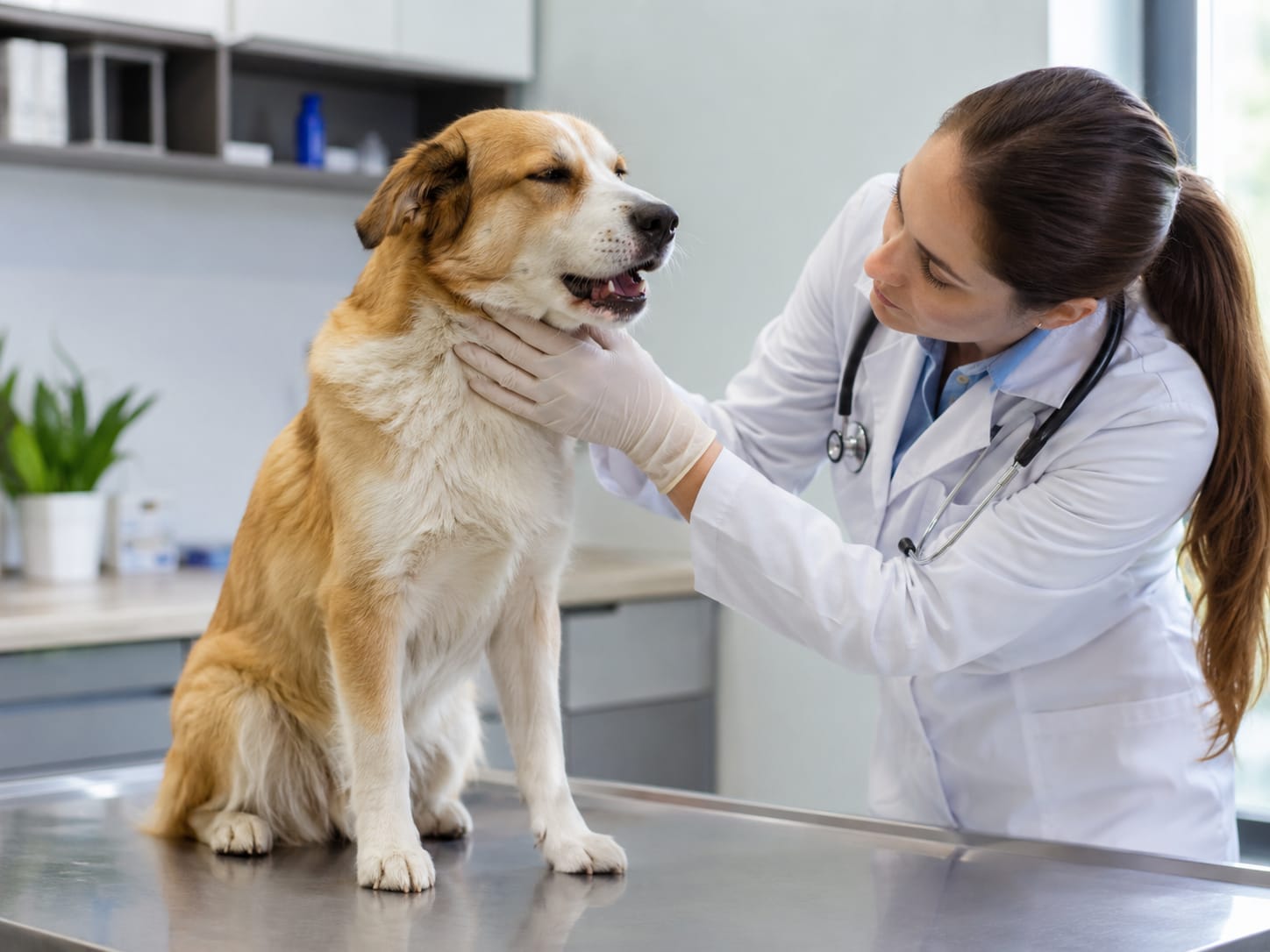
Many dog owners describe the same problem in different ways: “my dog is gagging,” “my dog is dry heaving,” “my dog is coughing like something is stuck,” or “my dog keeps trying to vomit but nothing comes out.” These phrases can point to very different conditions. Some are mild. Some need a routine vet visit. Some need emergency care immediately.
At General Veterinary Hospital, Dr. Zahid Afzal DVM often advises owners to separate three things first: coughing, gagging, and retching. A cough usually comes from the airway. Gagging often feels like throat irritation. Retching or dry heaving is more like vomiting effort without bringing anything up. This difference matters because retching with no vomit can be far more serious than a simple cough.
This guide is written for dog owners who need clear, practical veterinary-style guidance. It explains the most common causes, the red flags, what you can observe safely at home, and when your dog needs urgent veterinary attention.
Emergency First: When Gagging Without Vomiting Is Dangerous
Go to an emergency vet immediately if your dog is gagging or retching and you notice any of these signs:
- Repeated dry heaving or trying to vomit but nothing comes out
- Swollen, tight, or painful belly
- Restlessness, pacing, unable to settle, or standing with a tense posture
- Heavy drooling, pale gums, weakness, collapse, or shock-like signs
- Breathing difficulty, blue gums, choking, or severe distress
- Known or suspected poisoning, foreign body, bone, toy, or string ingestion
- Sudden severe gagging after eating, chewing, or playing with a toy
Do not wait overnight if your dog is repeatedly retching without producing vomit, especially if the belly looks enlarged or the dog appears distressed.
Coughing vs Gagging vs Retching: What Is the Difference?
The first step is to understand what you are seeing. Owners often call every throat sound “gagging,” but dogs can cough, reverse sneeze, gag, choke, or retch in ways that look similar.
Coughing
A cough often sounds like a dry hack, honk, or repeated airway sound. It may happen after excitement, exercise, pressure on the collar, or exposure to other dogs. Kennel cough and airway irritation are common possibilities.
Gagging
Gagging often looks like throat discomfort. The dog may stretch the neck, swallow, lick the lips, or make a choking-type sound. It may happen with phlegm, throat irritation, nausea, or something stuck in the mouth.
Retching / Dry Heaving
Retching looks like vomiting effort. The abdomen may contract, the dog may drool, and nothing comes out. Repeated non-productive retching is a major warning sign for bloat/GDV.
Reverse Sneezing
Reverse sneezing is a snorting or inward-honking episode. It can look scary but is often brief. Your existing guide on dog reverse sneezing explains this in more detail.
If you are unsure which one your dog is doing, record a 20–30 second video. A short video can help your veterinarian distinguish coughing from gagging, choking, reverse sneezing, or retching.
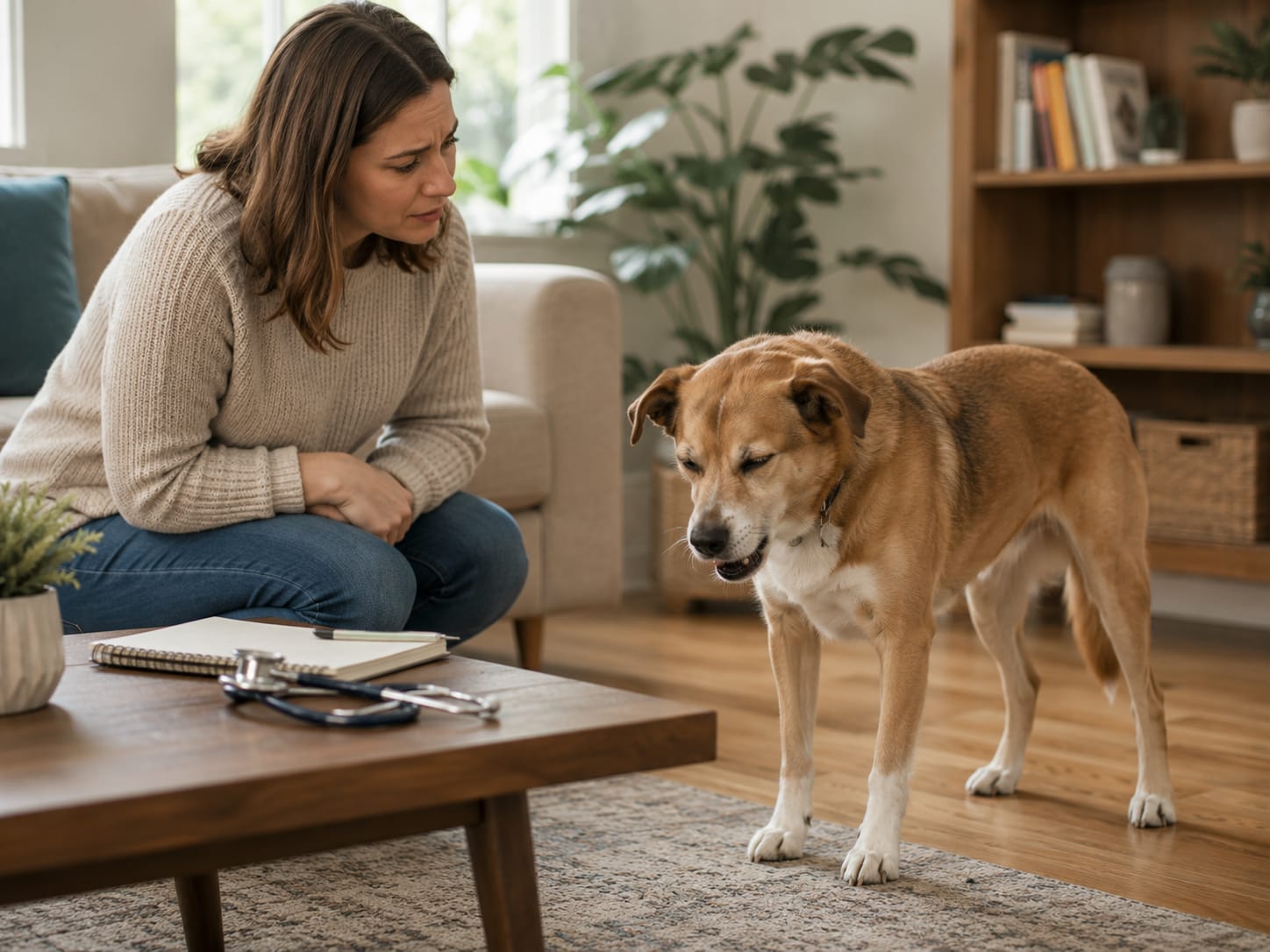
Not Sure If It Is Coughing, Gagging, or Retching?
If your dog is gagging but not throwing up and you are unsure whether it is throat irritation, kennel cough, nausea, or an emergency, you can request online veterinary guidance. Share a short video, your dog’s age, breed, appetite, breathing pattern, and when the signs started.
Start Online Vet Consultation1. Kennel Cough or Canine Infectious Respiratory Disease
One of the most common causes of a dog gagging but not throwing up is a dry, irritating cough from canine infectious respiratory disease, often called kennel cough. The cough may sound harsh, honking, or hacking. Some dogs cough so strongly that they gag or retch at the end.
Kennel cough is more likely if your dog recently visited a boarding facility, grooming salon, dog park, training class, shelter, vet waiting room, or any place where many dogs gather. Some dogs remain bright and eat normally, while others may develop fever, nasal discharge, tiredness, or worsening cough.
Read your full internal guide on kennel cough in dogs if your dog has a dry cough, gagging after excitement, or coughing after pressure on the neck.
However, not every gagging dog has kennel cough. A dog that is repeatedly trying to vomit, has a swollen belly, or is weak should not be treated as a simple respiratory case.
2. Throat Irritation After Barking, Pulling, or Excitement
A dog may gag after heavy barking, leash pulling, collar pressure, excitement, or inhaling dust. The throat and upper airway can become irritated, leading to short coughing or gagging episodes. This is often mild if the dog is otherwise normal.
Clues that throat irritation may be involved include gagging after pulling on the leash, coughing when the collar touches the neck, barking episodes before the gagging started, or brief symptoms that improve with rest.
Use a harness instead of a collar if your dog pulls, especially if the dog is small, brachycephalic, older, or already coughing. But if gagging continues for more than a day or two, becomes frequent, or appears with breathing difficulty, a vet check is safer.
3. Something Stuck in the Mouth or Throat
A dog gagging but not throwing up may have something irritating the mouth, throat, or back of the tongue. Common examples include grass, string, bone fragments, sticks, toy pieces, food pieces, rawhide, fabric, or small foreign material.
Signs may include sudden gagging, pawing at the mouth, drooling, repeated swallowing, coughing, refusing food, panic, or choking sounds. Some dogs continue to breathe normally but appear very uncomfortable.
If your dog is calm and safe to handle, you can briefly look inside the mouth. Do not push your fingers deep into the throat. Do not pull string from the mouth or under the tongue because it may be anchored deeper in the digestive tract. If your dog is distressed, painful, snapping, choking, or struggling to breathe, go to a vet immediately.
4. Nausea, Acid Reflux, or Stomach Upset
Dogs sometimes gag or swallow repeatedly when they feel nauseous. Nausea may also cause drooling, lip licking, grass eating, restlessness, burping, swallowing, or vomiting later. Some dogs appear to gag first, then vomit after several minutes or hours.
If your dog is also licking the lips, swallowing, drooling, or refusing food, your article on dog licking lips constantly is a useful internal link. If vomiting does occur, use your guide on vomiting in dogs.
Occasional mild nausea may pass, but repeated gagging with poor appetite, repeated vomiting, blood, abdominal pain, weakness, or dehydration should be checked by a veterinarian.
5. Bloat or GDV: The Emergency You Must Not Miss
The most serious situation is a dog trying to vomit but nothing comes out. This is often described as dry heaving, non-productive retching, or gagging without throwing up. In large and deep-chested dogs, this pattern can be a warning sign for bloat or gastric dilatation-volvulus, also called GDV.
GDV is an emergency where the stomach becomes dangerously distended and may twist. A dog with GDV may retch repeatedly, drool, pace, stand uncomfortably, look anxious, have a swollen abdomen, breathe harder, become weak, or collapse.
This is not a “wait and see” situation. If your dog is repeatedly retching but nothing comes out, especially with abdominal swelling or distress, go to an emergency vet now. Your detailed internal article on dog bloat and GDV emergency symptoms should be linked prominently in this section.
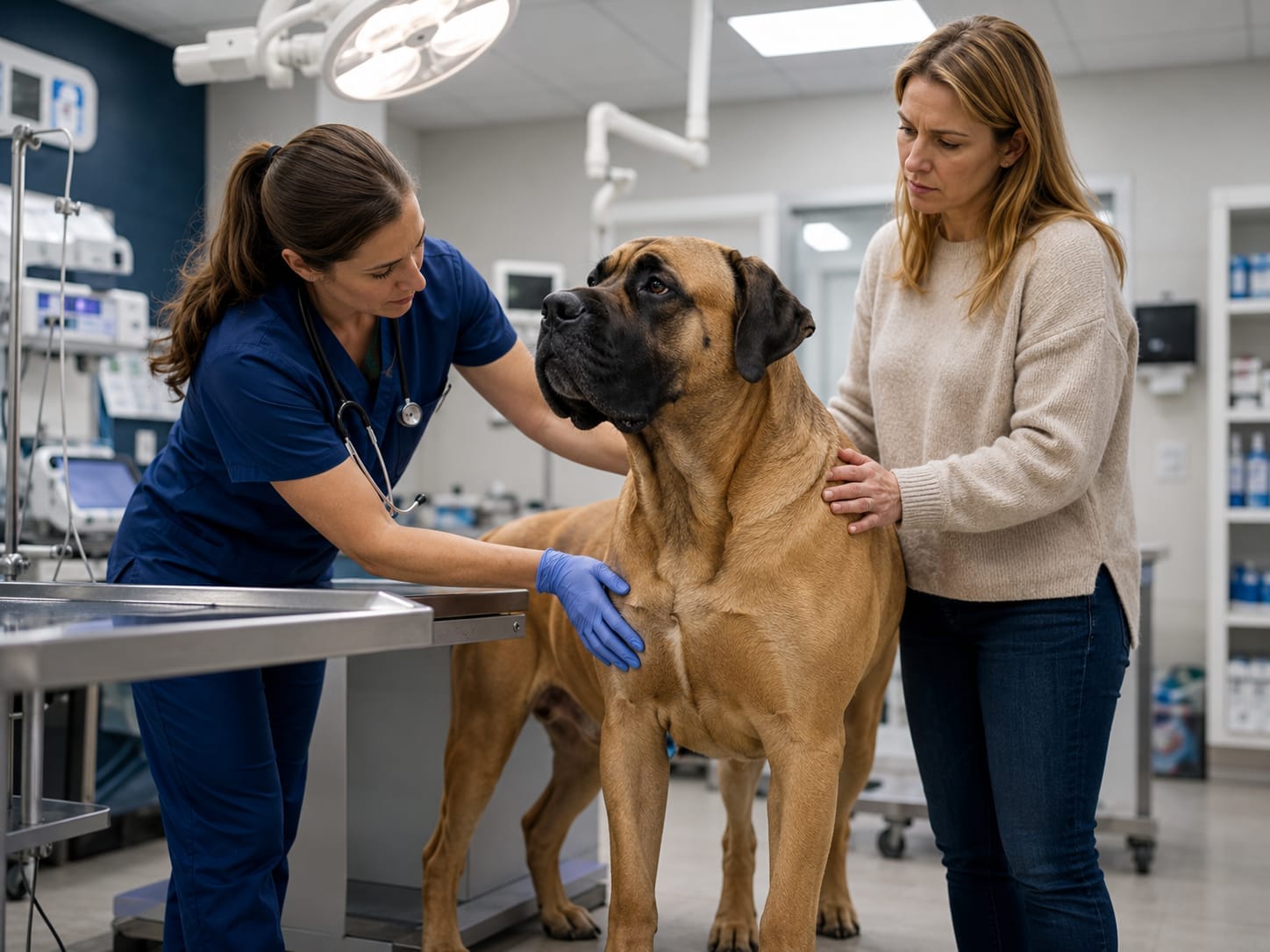
Emergency Pattern: Dog Trying to Vomit But Can’t
If your dog is gagging, retching, or dry heaving and nothing comes out, check for these emergency clues:
- Deep-chested breed such as Great Dane, German Shepherd, Doberman, Boxer, Standard Poodle, Weimaraner, or similar body type
- Swollen, tight, or painful abdomen
- Repeated attempts to vomit without success
- Restlessness, pacing, drooling, or unable to lie down comfortably
- Pale gums, weakness, collapse, or rapid breathing
If these signs are present, do not give food, water, oil, antacids, or home remedies. Go to an emergency veterinary hospital immediately.
6. Collapsing Trachea or Airway Sensitivity
Small dogs may cough or gag because of tracheal irritation or collapsing trachea. This is more common in small breeds and may sound like a honking cough. It can be triggered by excitement, pulling on the leash, pressure on the neck, obesity, heat, or respiratory irritation.
Dogs with airway sensitivity may seem mostly normal between episodes. However, if coughing or gagging becomes frequent, worsens at night, appears with breathing effort, or affects exercise tolerance, the dog needs veterinary assessment.
A harness, weight control, avoiding smoke, and reducing throat pressure can help, but diagnosis and treatment should be guided by a veterinarian.
7. Reverse Sneezing Mistaken for Gagging
Reverse sneezing can look dramatic. A dog may suddenly stand still, extend the neck, snort inward, and make repeated harsh sounds. Owners often think the dog is choking or gagging.
Reverse sneezing is often brief and may be triggered by excitement, dust, allergens, nasal irritation, or pulling. Most episodes stop quickly. However, repeated episodes, nasal discharge, blood, weakness, or breathing difficulty should not be ignored.
For owners who are unsure, link to your existing article on why dogs reverse sneeze.
8. Heart or Lung Disease
Some dogs with heart or lung disease may cough, gag, or seem to clear the throat, especially at night or after activity. This is more likely in senior dogs, dogs with known heart murmurs, dogs with exercise intolerance, or dogs that breathe faster than normal at rest.
Signs that may point beyond simple throat irritation include coughing at night, tiring easily, fainting, rapid breathing while resting, blue or pale gums, swollen abdomen, or sudden weakness. These signs need veterinary attention.
Do not assume a senior dog’s gagging is “just age.” Older dogs can have airway disease, heart disease, dental disease, reflux, or tumors that need proper diagnosis.
9. Dental Disease, Oral Pain, or Mouth Infection
Dental pain and mouth infection can cause drooling, swallowing, lip licking, gagging, bad breath, and reluctance to chew. A dog may gag if there is inflammation near the back of the mouth, a loose tooth, infected gums, oral ulcer, or foreign material stuck between teeth.
Look for bad breath, drooling, pawing at the mouth, chewing on one side, dropping food, or facial swelling. If these signs are present, your dog needs an oral exam. Many dogs continue eating despite dental pain, so appetite alone does not rule it out.
Have a Video of Your Dog Gagging?
A short video can help separate coughing, gagging, reverse sneezing, choking, and retching. If your dog is stable but the signs are confusing, you can send a video through online vet consultation for guidance on what the pattern may suggest.
Ask a Vet OnlineSymptom Guide: What the Pattern May Mean
| What You Notice | Possible Meaning | Best Next Step |
|---|---|---|
| Dry cough followed by gagging | Kennel cough, airway irritation, tracheal sensitivity | Monitor if mild; vet advice if persistent or worsening |
| Repeated retching but nothing comes out | Possible bloat/GDV, obstruction, severe nausea | Emergency vet care, especially with bloating or distress |
| Gagging after eating or chewing | Food irritation, foreign material, throat discomfort, regurgitation | Vet check if repeated, sudden, or painful |
| Gagging with lip licking and swallowing | Nausea, reflux, throat irritation, dental pain | Observe closely; contact vet if ongoing |
| Snorting inward with neck extended | Reverse sneezing or nasal irritation | Usually monitor if brief; vet if frequent or severe |
| Gagging with breathing difficulty | Choking, airway obstruction, severe respiratory disease | Emergency care immediately |
What You Can Safely Check at Home
If your dog is breathing normally, not collapsed, not bloated, and not repeatedly retching, you can collect useful observations before contacting your vet.
1. Record a Short Video
A video is extremely helpful. Record the sound, posture, breathing, and whether the abdomen is moving like vomiting effort. Try to capture one full episode without stressing the dog.
2. Check Breathing
Look at whether your dog is breathing comfortably between episodes. Open-mouth breathing, blue gums, very rapid breathing, or obvious effort are emergency signs.
3. Check the Belly
Gently look at the abdomen from the side and above. A swollen, tight, painful, or rapidly enlarging belly with gagging or retching is urgent.
4. Check the Mouth Only If Safe
If your dog is calm, you can briefly look for obvious material in the mouth. Do not push fingers deep into the throat, and do not force the mouth open if your dog is distressed or painful.
5. Review Recent Exposure
Think about recent boarding, grooming, dog parks, new treats, bones, toys, trash access, chemicals, medications, or rapid eating. This history can help your veterinarian narrow the cause.
What Not to Do
- Do not give human cough medicine without veterinary direction.
- Do not give oil, butter, bread, or home remedies for suspected choking.
- Do not force water or food if your dog is gagging repeatedly.
- Do not wait if your dog is dry heaving with a swollen abdomen.
- Do not pull string or material from the mouth if it seems stuck.
- Do not assume kennel cough if your dog is weak, bloated, or struggling to breathe.
What Your Vet May Check
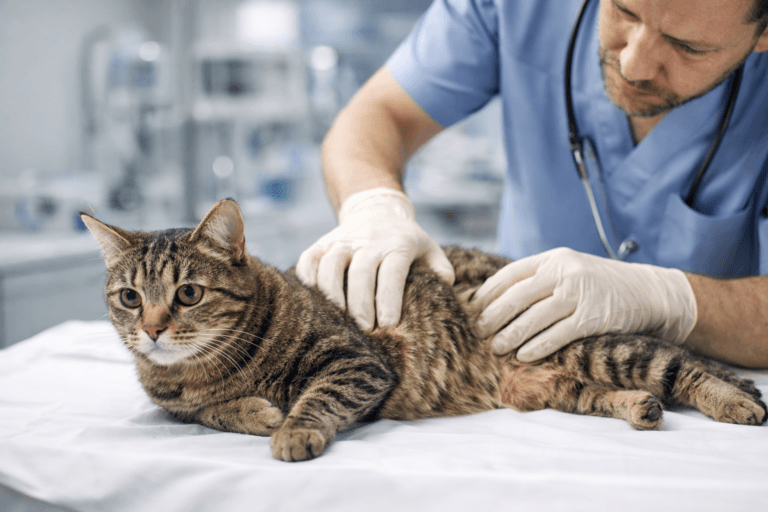
A veterinarian may check your dog’s temperature, gum color, hydration, throat, mouth, lymph nodes, trachea, lungs, heart, abdomen, and breathing pattern. Depending on the signs, your vet may recommend chest X-rays, abdominal X-rays, blood work, oxygen support, cough testing, airway assessment, or emergency stabilization.
Respiratory Exam
Important for kennel cough, bronchitis, pneumonia, collapsing trachea, and airway irritation.
Mouth & Throat Check
Helps identify dental pain, oral wounds, foreign material, swelling, or throat discomfort.
Abdominal Exam
Critical when gagging looks like retching, dry heaving, or trying to vomit without success.
X-rays or Tests
May be needed for bloat, foreign body, pneumonia, heart disease, or chronic gagging.
Get Veterinary Guidance Before the Signs Get Worse
If your dog is gagging but not throwing up, online consultation may help when your dog is stable and you need guidance on whether it looks like cough, nausea, reverse sneezing, or throat irritation. If your dog is bloated, weak, struggling to breathe, or repeatedly retching, go to an emergency vet immediately.
Request Online Vet ConsultationHow to Reduce Future Gagging Episodes
Prevention depends on the cause, but several simple steps may reduce coughing, gagging, and throat irritation in many dogs.
- Use a harness instead of a collar if your dog pulls on the leash.
- Avoid smoke, strong sprays, dusty areas, and irritants.
- Keep vaccinations updated according to your veterinarian’s recommendations.
- Avoid contact with coughing dogs at parks, boarding centers, or grooming salons.
- Use slow feeders for dogs that gulp food quickly.
- Avoid unsafe bones, sticks, small toys, and chew items that break into sharp pieces.
- Keep trash, medications, chemicals, and toxic foods out of reach.
- For deep-chested dogs, discuss bloat prevention and feeding strategy with your vet.
For broader emergency preparation, you can also link your readers to your emergency first aid guide for dogs and cats.
FAQs About Dog Gagging But Not Throwing Up
What should I do when my dog is gagging but not throwing up?
First watch your dog’s breathing and look for repeated vomiting effort, a swollen or painful belly, heavy drooling, pale or blue gums, weakness, or collapse. Any of these needs emergency care. If your dog is breathing comfortably and the episode is brief, remove pressure from the neck, keep the dog calm, record a short video, and contact your veterinarian. Do not give human cough medicine, reach blindly into the throat, or try to induce vomiting unless a veterinarian or animal poison service specifically directs you.
Why is my dog gagging but not throwing up?
Your dog may be gagging because of kennel cough, throat irritation, reverse sneezing, nausea, reflux, dental pain, something stuck in the mouth, airway disease, or an emergency such as bloat. The other signs determine how serious it is.
Is dog gagging but not vomiting an emergency?
It can be. It is urgent if your dog is repeatedly retching with nothing coming out, has a swollen belly, is restless, weak, drooling, pale, collapsed, or struggling to breathe. These signs need emergency care.
Can kennel cough make a dog gag?
Yes. Kennel cough commonly causes a dry hacking cough that may end in gagging or retching. It may worsen after excitement, exercise, or pressure on the neck.
Why does my dog gag at night?
Night-time gagging may happen with airway irritation, kennel cough, reflux, heart or lung disease, collapsing trachea, or post-nasal drainage. Repeated night gagging should be checked, especially in senior dogs.
Why is my dog gagging after eating?
Gagging after eating may suggest eating too fast, throat irritation, regurgitation, reflux, food stuck in the mouth, dental pain, or esophageal disease. Repeated episodes need veterinary assessment.
What does dry heaving in dogs look like?
Dry heaving looks like vomiting effort without producing food or liquid. The abdomen may contract, the dog may drool, and nothing comes out. Repeated dry heaving, especially with bloating, is an emergency.
Should I give my dog cough medicine?
No, not without veterinary advice. Human cough medicines can be unsafe or inappropriate. Treatment depends on whether the cause is cough, infection, nausea, airway disease, foreign material, or emergency bloat.
Final Takeaway
A dog gagging but not throwing up may have a mild cough, throat irritation, kennel cough, reverse sneezing, nausea, reflux, dental pain, or something stuck in the mouth. But the same sign can also appear in serious emergencies, especially when the dog is dry heaving, retching without vomit, bloated, weak, drooling heavily, pale, or struggling to breathe.
The safest approach is to observe the full pattern, record a video if your dog is stable, avoid home medications, and contact a veterinarian when signs persist or worsen. If your dog is repeatedly trying to vomit but nothing comes out, treat it as urgent and seek emergency veterinary care.
Medical disclaimer: This article is for educational purposes only and does not replace veterinary examination, diagnosis, or treatment. If your dog is struggling to breathe, repeatedly retching, bloated, weak, collapsed, choking, or showing pale or blue gums, contact an emergency veterinarian immediately.




4 Comments