Feline Stomatitis: Causes, Symptoms & Treatment
Feline stomatitis is far more severe than ordinary gum disease, causing widespread, intensely painful inflammation throughout the mouth that can leave a cat struggling to eat at all. This guide explains what makes this condition different from typical dental disease, why the standard treatment is more aggressive than most owners expect, and why that treatment is usually remarkably effective.
Feline stomatitis: How Stomatitis Differs From Ordinary Dental Disease
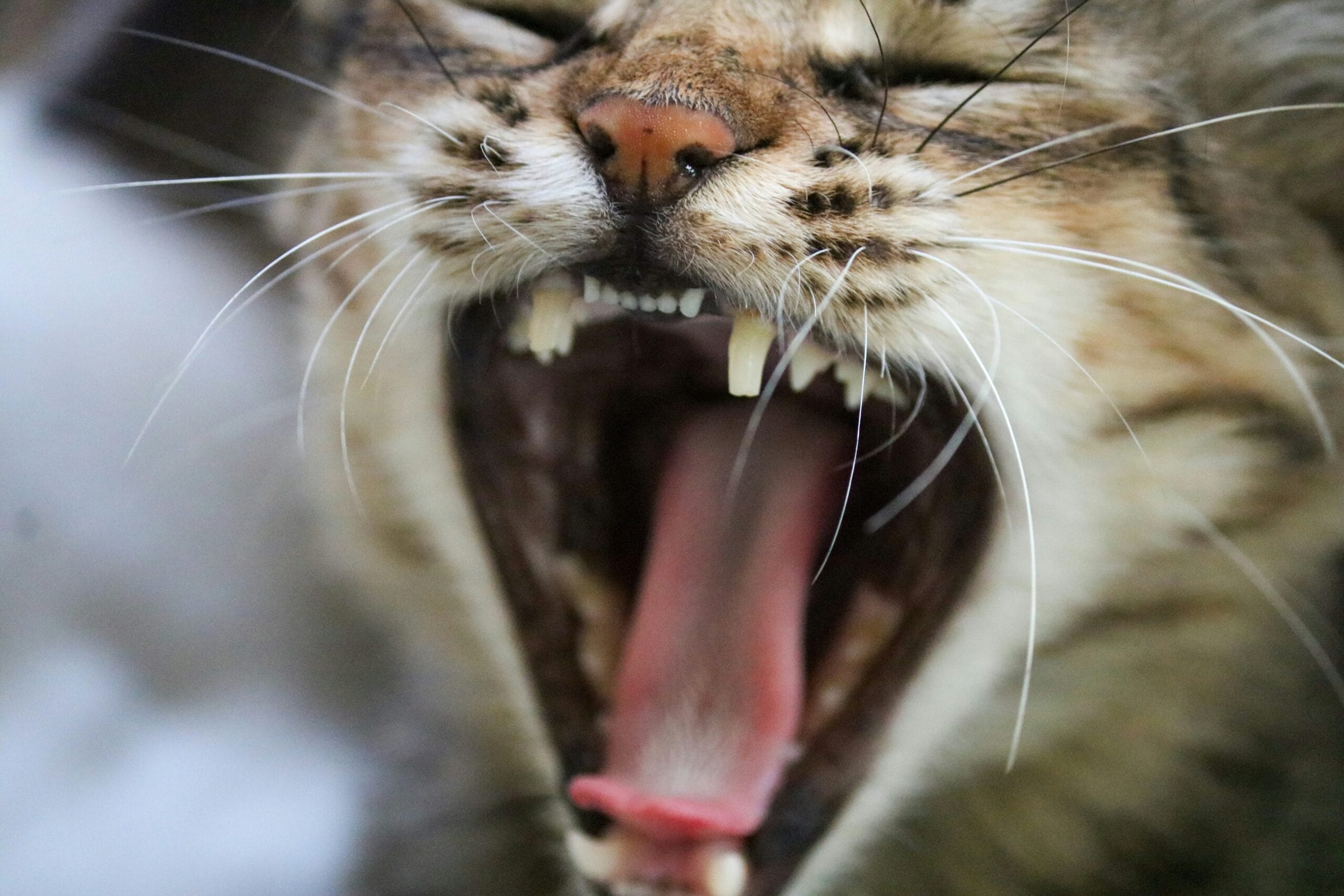
Most cats with typical dental disease show localized gum inflammation along the gumline, generally responsive to a dental cleaning and improved home care. Feline stomatitis is a different, more severe entity: inflammation extends well beyond the gumline into the back of the mouth, throat area and sometimes the tongue, often appearing strikingly red and raw, and causing pain disproportionate to what a routine cleaning would address. The current understanding is that stomatitis reflects an exaggerated, misdirected immune response, the body reacting excessively to dental plaque and bacteria that a typical cat’s immune system would handle without this degree of inflammation, rather than a straightforward infection alone.
Suspected Causes and Contributing Factors
Immune-mediated reaction to plaque. The leading theory involves an overactive immune response to bacteria and plaque on the teeth, essentially the body’s own defense reaction causing more damage than the bacteria themselves.
Viral infections. Calicivirus is strongly associated with stomatitis in many affected cats, and feline leukemia virus and FIV are also considered relevant contributing or complicating factors in some cases, which is part of why viral testing is often included in a stomatitis workup.
Individual immune system factors. Not every cat exposed to the same viral or bacterial triggers develops feline stomatitis, suggesting individual immune system variation plays a genuine role in who develops this exaggerated response.
Recognizing the Signs
Reduced appetite or reluctance to eat. Often one of the most noticeable signs, sometimes appearing as a cat approaching food but hesitating or eating only very slowly.
Drooling, sometimes blood-tinged. Excessive drooling reflects the significant oral pain and inflammation present.
Pawing at the mouth. A response to ongoing discomfort inside the mouth.
Bad breath. Often notably worse than typical dental-related odor.
Weight loss. A consequence of reduced food intake from ongoing pain, sometimes becoming significant if the condition goes unaddressed.
Visible redness at the back of the mouth. Sometimes visible on a careful look, appearing strikingly inflamed compared to typical gum disease.
| Feature | Typical dental disease | Feline stomatitis |
|---|---|---|
| Extent | Localized to gumline | Widespread, extends to back of mouth/throat |
| Pain level | Mild to moderate | Often severe, significantly affecting eating |
| Response to cleaning | Usually good improvement | Often minimal or temporary improvement |
| Standard effective treatment | Cleaning and home care | Often full or near-full tooth extraction |
Why Tooth Extraction Is the Most Effective Treatment
This is the aspect of stomatitis treatment that surprises most owners: since the disease reflects an immune reaction against the teeth and surrounding oral structures, removing most or all teeth removes the trigger the immune system is reacting against, rather than simply treating a symptom. Studies and clinical experience consistently show that full or near-full mouth extraction resolves symptoms completely or provides major improvement in the large majority of affected cats, a considerably higher success rate than cleaning and medication alone achieve for this specific condition. While it sounds like an extreme step, cats function remarkably well without teeth, adapting to eating soft or moistened food, and the relief from chronic pain typically produces a dramatic improvement in overall demeanor and quality of life once healing is complete.
What Recovery Looks Like
Living With a Cat After Full Mouth Extraction
Many owners feel understandably apprehensive about a treatment that involves removing all or nearly all of their cat’s teeth, but the real-world experience is consistently reassuring for most families who go through it. Cats rely far less on chewing than people intuitively assume, since they’re natural carnivores adapted to swallow relatively large pieces of food rather than grinding food thoroughly the way humans do. Post-recovery, most cats transition smoothly to a wet food diet and often show renewed enthusiasm for eating, since the underlying source of chronic pain has been resolved. Grooming, purring, and normal social behavior are unaffected, and most owners report their cat’s overall personality and energy noticeably improve once the constant background pain of stomatitis is gone, sometimes describing it as getting a different, happier cat back.
What Happens If Treatment Is Delayed
Untreated or under-treated stomatitis doesn’t resolve on its own, and delaying appropriate treatment typically means prolonging significant, ongoing pain rather than avoiding a difficult decision. Cats are notably good at masking pain, continuing to eat just enough to survive while experiencing genuine daily suffering, which means the absence of dramatic symptoms doesn’t indicate the condition is mild or resolving. Extended delay also risks progressive weight loss and secondary complications from chronic poor nutrition, compounding the original problem. If your cat has been diagnosed with stomatitis and cleaning or medication alone hasn’t provided lasting relief, revisiting the extraction conversation with your veterinarian sooner rather than later generally serves your cat’s wellbeing better than continued symptom management alone.
Diagnostic Workup Before Treatment
Before committing to a treatment plan, a thorough workup helps confirm the diagnosis and rule out contributing factors that might change the approach. This typically includes a full oral exam under sedation or anesthesia, since a conscious oral exam in a painful cat is often incomplete and uncomfortable for the patient. Dental X-rays help assess the roots and surrounding bone, since some teeth affected by stomatitis show additional changes only visible on imaging. Bloodwork and viral testing for FeLV and FIV are commonly included, both to assess general health before anesthesia and because these viruses can influence the overall treatment plan and prognosis discussion with your veterinarian.
A Closing Thought
Feline stomatitis is one of the clearer examples in veterinary medicine where the most effective treatment isn’t the most conservative one. Cat owners who commit to full mouth extraction, even though it initially sounds severe, are consistently among the most relieved once they see how dramatically their cat’s comfort and appetite improve afterward.
Frequently Asked Questions
Can a cat eat normally without any teeth?
Yes, cats adapt remarkably well to eating without teeth, particularly with a soft or wet food diet, and most show improved rather than worsened eating behavior once chronic mouth pain is resolved.
Is stomatitis the same as gingivitis?
No, gingivitis is typically a milder, localized gum inflammation that responds well to routine dental care, while stomatitis is a more severe, widespread condition often requiring more aggressive treatment.
Does every cat with stomatitis need full mouth extraction?
Not always; some milder or early cases may respond to less extensive treatment, though full or near-full extraction remains the most consistently effective option for confirmed, more severe cases.
Can stomatitis come back after extraction?
Recurrence is uncommon after a thorough full extraction, since the trigger for the immune reaction has been removed, though a small number of cats may need further evaluation if symptoms persist.
By Dr. Zahid Afzal, DVM — General Veterinary Hospital, Lahore. This article is for general education and does not replace a full physical examination or personalized treatment plan from your own veterinarian.