
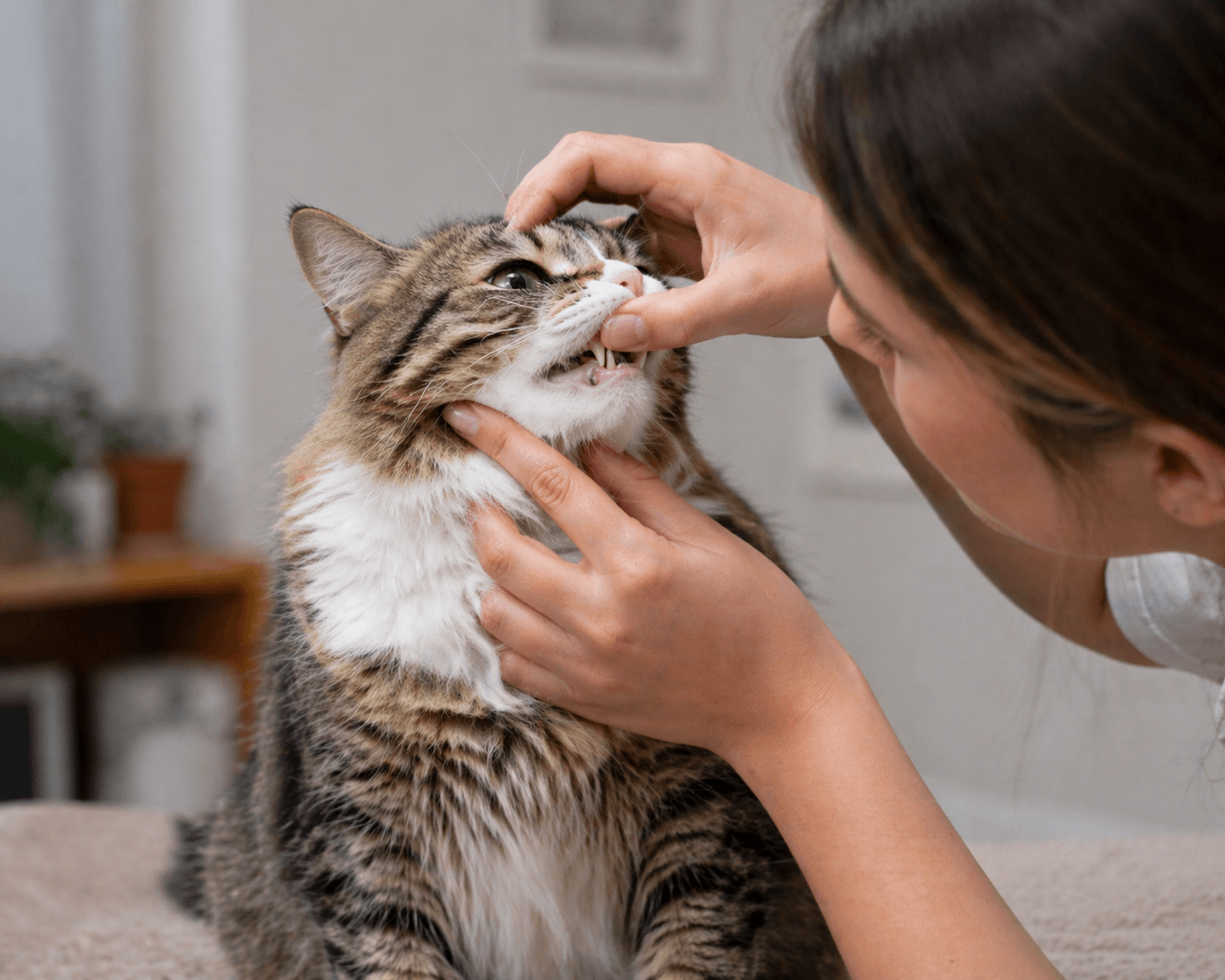
Cat bad breath is one of the most common problems owners notice at home, yet many still assume it is normal. In reality, cat bad breath is often the body’s way of showing that something is wrong inside the mouth or elsewhere in the body. In some cats, cat bad breath starts with mild plaque and tartar. In others, it can point to painful gum disease, tooth root infection, mouth ulcers, kidney disease, or another medical problem that needs treatment. That is why bad breath in cats should never be ignored, especially if it is getting worse or comes with drooling, poor appetite, or weight loss.
At General Veterinary Hospital Lahore, this is a very common complaint. Owners often say, “Doctor, her mouth smells very bad, but she is still eating,” or “We thought it was normal until she stopped chewing properly.” In many of these cases, the cat has already been hiding oral pain for quite some time. Cats are extremely good at masking discomfort. They may continue eating for weeks while quietly suffering from inflamed gums, loose teeth, or mouth ulcers. By the time the smell becomes strong enough for the family to notice from a distance, the disease is often no longer mild.
Some cats develop a foul smell because food particles and bacteria build up around the teeth. Some develop rotten-smelling breath from infected gums. Others develop a strange chemical or urine-like smell when kidney disease is affecting the body. A sweet or unusual odor can sometimes point toward metabolic disease. The smell itself does not give the full diagnosis, but it gives an important clue.
This guide explains what causes bad breath in cats, how to tell the difference between mild and serious cases, what owners can safely check at home, and when a veterinary visit should not be delayed.
Is any bad breath normal in cats?
A mild “cat food smell” right after eating can be normal. But persistent foul breath is not. A healthy cat should not have a strong rotten, infected, or sour smell from the mouth. If you can smell your cat’s breath regularly without trying, there is usually a reason.
| Breath Smell | What It May Mean |
|---|---|
| Mild food odor after meals | Can be normal if temporary |
| Rotten or infected smell | Dental disease, gum infection, oral infection |
| Very strong foul smell with drooling | Mouth ulcers, infection, severe dental pain |
| Chemical or urine-like odor | Kidney disease may be involved |
If the smell is persistent, getting stronger, or paired with behavior changes, it should be treated as a medical sign rather than a cosmetic issue.
The most common causes of cat bad breath
The most common reasons include:
- Dental tartar and plaque buildup
- Gingivitis and periodontal disease
- Tooth root infection or broken teeth
- Mouth ulcers or stomatitis
- Food stuck between teeth or trapped in the mouth
- Kidney disease
- Viral infections affecting the mouth
- Oral tumors, especially in older cats
- Less commonly, metabolic disease or severe digestive illness
1. Plaque, tartar, and dental disease
This is the most common cause of bad breath in cats. Plaque forms when bacteria mix with food particles on the teeth. Over time, plaque hardens into tartar. As tartar builds up, bacteria irritate the gums and create inflammation and infection. This causes the classic foul smell many owners notice.
At General Veterinary Hospital Lahore, many cats with bad breath are found to have moderate to severe tartar even though they are still eating. Owners are often surprised because the cat appears normal at home. But once the mouth is examined closely, the gums are red, the teeth are dirty, and touching the area causes pain.
Signs that dental disease may be involved include:
- Yellow or brown buildup on the teeth
- Red gums
- Pain while chewing
- Dropping food from the mouth
- Chewing only on one side
- Less interest in dry food
In many cases, bad breath is only the first visible warning sign. The disease itself may already be advanced.
2. Gingivitis and periodontal disease
Gingivitis means inflammation of the gums. Periodontal disease is the more advanced stage, where infection affects the tissues supporting the teeth. Both can cause very unpleasant breath. As infection deepens, the mouth becomes painful, the gums may bleed, and teeth may loosen.
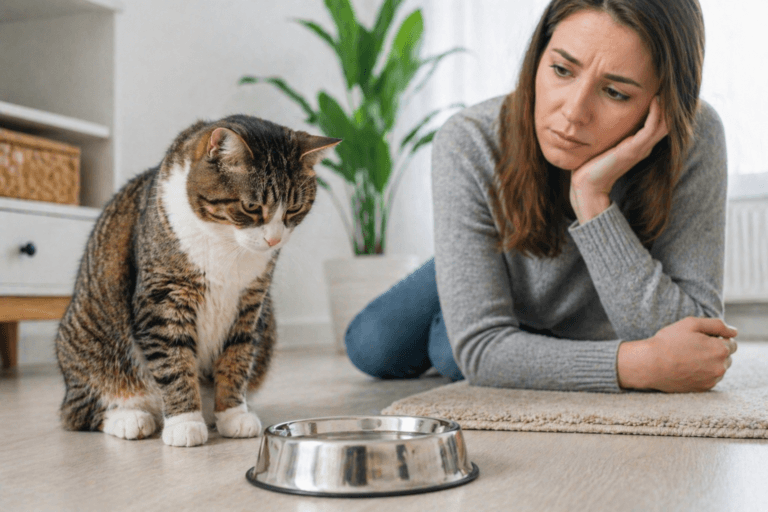
Many cats keep trying to eat despite the pain, but owners may notice slower chewing, food hesitation, or a preference for soft food. At General Veterinary Hospital Lahore, a common real-life pattern is the cat who walks excitedly to the food bowl, sniffs the food, then turns away or only licks gravy. When the mouth is checked, inflamed gums and painful teeth are often the reason.
3. Mouth ulcers and stomatitis
Some cats develop severe inflammation inside the mouth, including ulcers on the gums, cheeks, or tongue. This can happen with viral disease, dental disease, immune-related oral inflammation, or chronic mouth infections. These cats often have extremely bad breath because the tissues are inflamed, infected, and painful.
Stomatitis cases can be especially dramatic. The cat may drool, avoid food, scream when chewing, or paw at the mouth. In these cases, the smell is often strong enough to notice as soon as the cat is near you.
If your cat also drools, your related article on why is my cat drooling fits naturally with this topic.
4. Tooth root infection or broken teeth
Not all mouth problems are visible from the outside. A cat may have a cracked tooth, infected tooth root, or resorptive lesion causing severe pain and bad smell. The mouth may look only mildly dirty from a distance, but the problem deeper inside can be very painful.
One memorable case at General Veterinary Hospital Lahore involved a cat whose owner came only for bad breath. The family thought a dental cleaning would solve everything. On closer examination, one damaged tooth was causing deep pain and infection. Once the painful tooth was properly treated, the cat’s comfort and appetite improved clearly.
5. Kidney disease
Kidney disease is another important cause of bad breath, especially in older cats. When the kidneys are not filtering properly, waste products build up in the blood. This can create a chemical, ammonia-like, or urine-like smell from the mouth. Cats with kidney disease may also develop mouth ulcers, which make the breath even worse.
Bad breath caused by kidney disease is usually not the only sign. Owners may also notice:
- Drinking more water
- Urinating more often
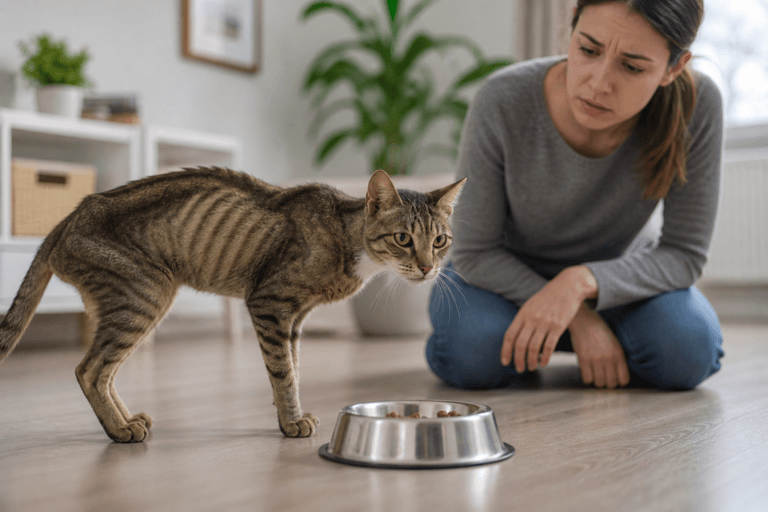
- Weight loss
- Poor appetite
- Vomiting
- Dull coat
At General Veterinary Hospital Lahore, older cats are sometimes brought in for mouth smell alone, but blood testing reveals that kidney disease is also present. That is why persistent bad breath in a senior cat should never be assumed to be only a dental issue. Your article on cat kidney disease connects strongly here.
6. Viral infections and oral disease
Viral infections such as calicivirus can affect the mouth and cause ulcers, pain, drooling, and bad breath. Kittens and unvaccinated cats may be at higher risk. In some cases, the owner first notices a foul smell, then sees eye discharge, sneezing, fever, or poor appetite.
For cats with mouth ulcers and infection signs, your article on feline calicivirus symptoms is a highly relevant internal link.
7. Food debris or something trapped in the mouth
Sometimes bad breath appears because food, string, bone fragments, or debris is stuck in the mouth. This is less common than dental disease, but it happens. The cat may paw at the mouth, chew awkwardly, drool, or stop eating normally. A bad smell can develop quickly if trapped material causes inflammation or infection.
Owners should never pull on anything like a visible string from the mouth without veterinary advice, because it may be anchored deeper and cause more damage if pulled.
8. Oral tumors
In older cats, persistent bad breath can occasionally be caused by a mass or tumor inside the mouth. These cases may also involve drooling, blood in the saliva, facial swelling, visible growths, weight loss, or trouble chewing. This cause is less common than dental disease, but it is one that should not be missed.
How to tell if bad breath is becoming serious
| Signs With Bad Breath | Risk Level | What to Do |
|---|---|---|
| Mild odor only, eating normally | Low to moderate | Book a routine dental check |
| Bad smell with tartar or red gums | Moderate | Book a vet visit soon |
| Bad breath with drooling, pain, not eating | High | Same-day examination |
| Bad breath with weakness, vomiting, mouth bleeding, or severe dehydration | Emergency | Urgent veterinary care |
What you can safely check at home
You can do a basic check if your cat is calm, but do not force the mouth open in a painful cat.
- Look for yellow or brown tartar on the teeth
- Notice if the gums look red
- Watch whether your cat hesitates before chewing
- Check if dry food is being dropped from the mouth
- See whether there is drooling or pawing at the face
- Think about recent appetite changes or weight loss
A gentle outside look is enough for most owners. A full mouth exam often needs proper handling, and some cats with oral pain will resist strongly.
What not to do at home
- Do not ignore persistent bad breath for weeks or months
- Do not force the mouth open if your cat is painful
- Do not use human mouthwash or toothpaste
- Do not assume dental treats will fix advanced disease
- Do not keep changing foods if the real issue is oral pain
When cat bad breath needs urgent care
Bad breath is not usually an instant emergency by itself, but it becomes urgent when it comes with other red flags. Seek prompt or urgent care if your cat has:
- Stopped eating
- Heavy drooling
- Bleeding from the mouth
- Obvious swelling of the face or jaw
- Severe lethargy
- Repeated vomiting
- Pain while opening the mouth
- Very strong chemical or urine-like breath with weakness
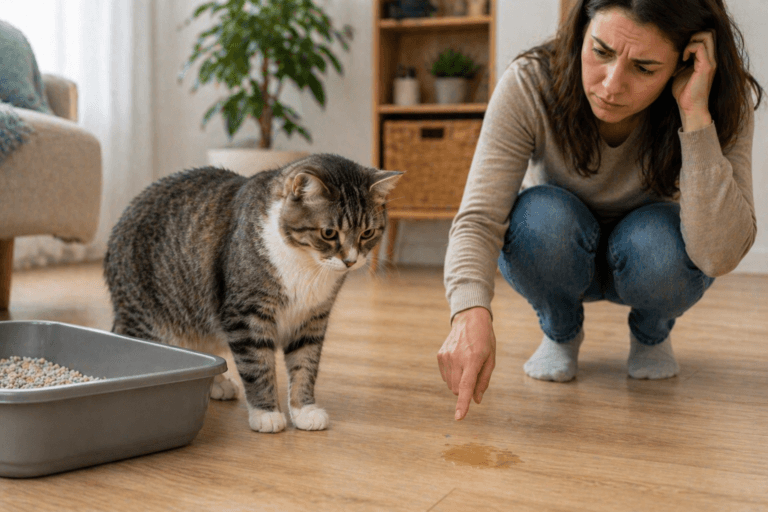
At General Veterinary Hospital Lahore, one older cat was brought in after the owner noticed a very sharp urine-like mouth odor and sudden appetite loss. The family initially thought the smell was only from dirty teeth. Blood testing later showed kidney disease was a major part of the problem. This is exactly why smell changes in the mouth should always be taken seriously when they appear together with body changes.
How veterinarians diagnose the cause
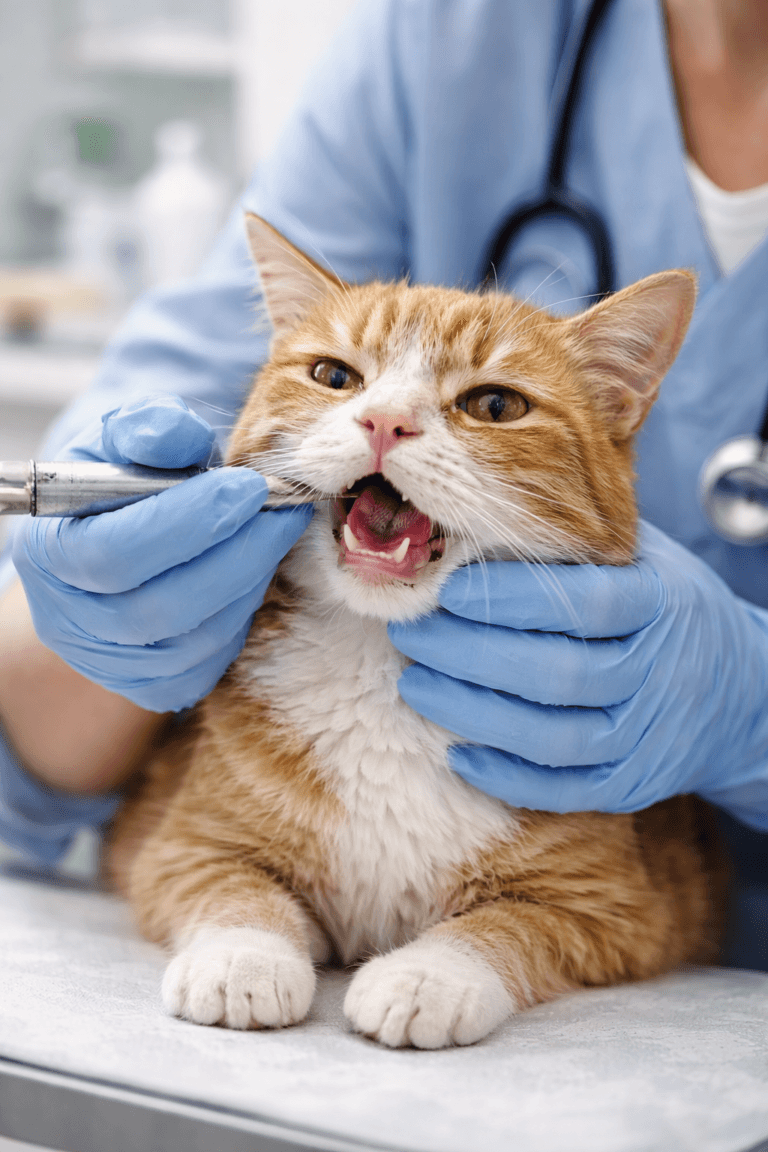
Diagnosis usually starts with a full history and physical examination. The veterinarian will ask when the odor began, whether your cat is eating normally, whether drooling is present, and whether there are other signs like vomiting, weight loss, or drinking more water.
The work-up may include:
- Oral examination of teeth, gums, tongue, and cheeks
- Assessment of tartar, gum inflammation, loose teeth, and ulcers
- Checking for oral masses or wounds
- Blood tests if kidney disease or systemic illness is suspected
- Further dental imaging or treatment planning if deeper tooth disease is present
In many cats, the bad smell comes from more than one issue at once. For example, a senior cat may have dental disease plus kidney disease, or a younger cat may have viral mouth ulcers plus secondary infection. That is why a simple smell check is not enough.
How cat bad breath is treated
Treatment depends on the real cause.
Dental tartar and gum disease
The cat may need professional dental cleaning, treatment of inflamed gums, and removal of badly diseased teeth if necessary.
Mouth ulcers or stomatitis
These cats often need pain control, oral treatment, nutritional support, and management of the underlying cause.
Kidney disease
Treatment focuses on the kidneys, hydration, appetite support, and nausea control, not just the mouth smell.
Foreign material or oral injury
The trapped material must be removed safely and the damaged tissues treated.
Oral tumor
Further testing and a specific medical or surgical plan are needed.
Simple visual severity chart
How to reduce the risk of bad breath in cats
- Schedule regular oral and dental checkups
- Watch for early tartar and gum redness
- Pay attention to appetite changes
- Support preventive care and vaccination
- Address drooling or mouth pain early
- Do not ignore drinking or urination changes in older cats
Preventive care matters because oral disease often develops slowly and quietly. By the time the smell becomes obvious, your cat may already be coping with significant discomfort. Your existing articles on cat vaccination schedule and cats hiding pain are good related reads for owners trying to understand why cats often seem normal even when something is wrong.
Frequently asked questions
Is bad breath in cats always dental disease?
No. Dental disease is the most common cause, but kidney disease, mouth ulcers, infections, tumors, and trapped material in the mouth can also cause bad breath.
Why does my cat have bad breath but still eat normally?
Cats often hide pain very well. A cat may continue eating despite significant oral disease, especially in the early and middle stages.
Can kitten breath smell bad?
Mild food odor may happen, but strong bad breath in a kitten is not normal and should be checked for infection, oral disease, or other problems.
Should I worry if my senior cat suddenly has bad breath?
Yes. Senior cats with new bad breath should be checked because dental disease and kidney disease are both common in older cats.
Final thoughts
Cat bad breath is not something owners should normalize. While mild temporary food odor can happen, persistent cat bad breath usually points to a real problem such as dental disease, mouth ulcers, oral infection, or kidney disease. The earlier the cause is found, the easier it is to relieve pain and protect your cat’s health.
At General Veterinary Hospital Lahore, we often see cats whose families only noticed the smell at first, but closer examination revealed a much bigger issue. Sometimes it is tartar and inflamed gums. Sometimes it is a painful tooth. Sometimes it is an internal disease showing itself through the mouth. That is why bad breath should be treated as a sign, not just an inconvenience.
If your cat has strong mouth odor along with drooling, poor appetite, weight loss, weakness, or visible mouth pain, book a veterinary visit without delay.


This article really highlights an important point — that bad breath in cats is often a sign of something more serious going on, like dental disease or kidney issues. As a fellow pet owner, I’ve seen how cats can hide pain, so it’s reassuring to know that recognizing changes in breath odor can be a key early warning sign. Thanks for the clear breakdown of when to worry and when to seek help.