
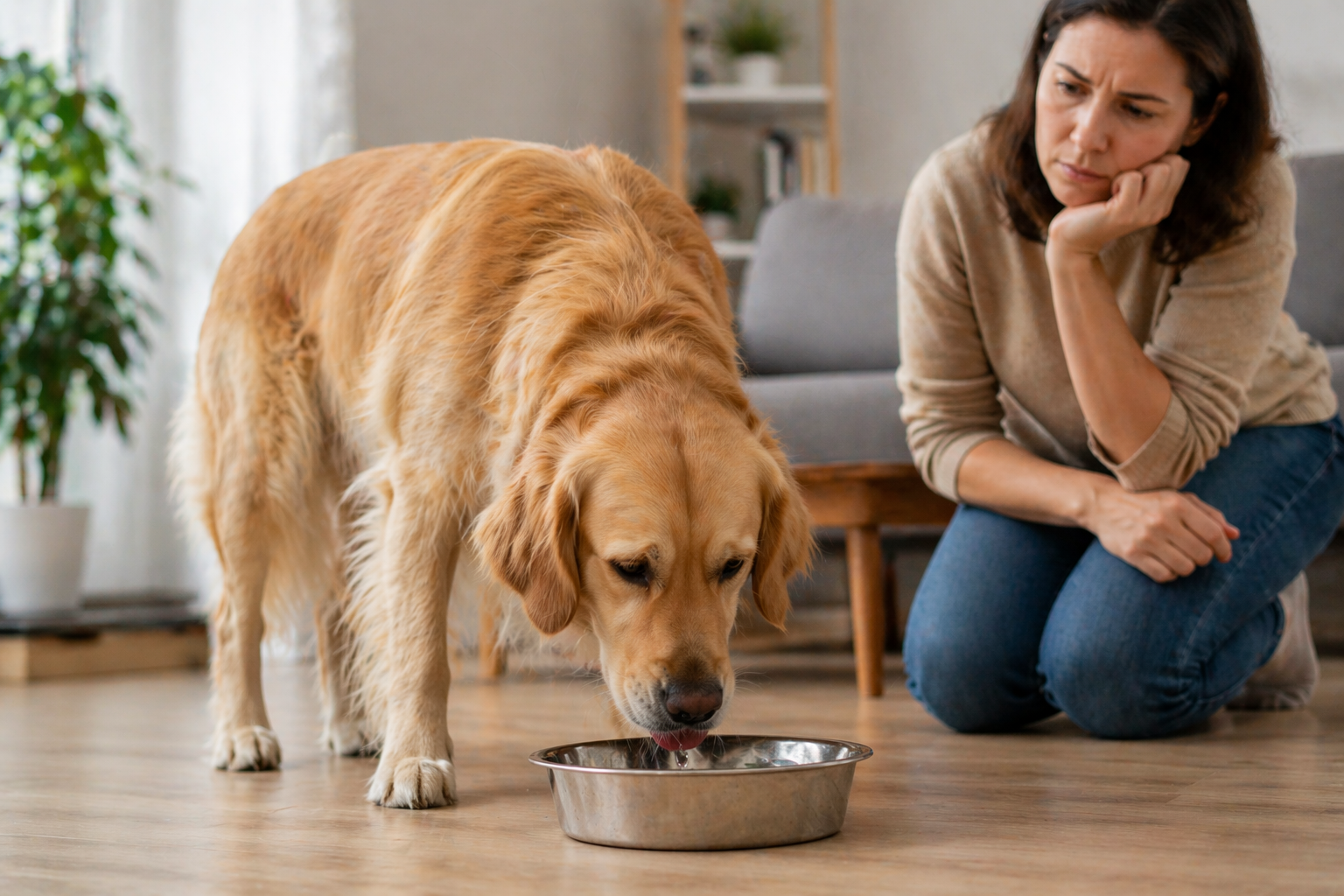
Why is my dog drinking so much water is one of the most common questions owners ask when they notice the water bowl emptying faster than usual. Sometimes why is my dog drinking so much water has a simple answer, such as hot weather, more activity, or eating dry food. But in many cases, why is my dog drinking so much water points toward an underlying medical problem that should not be ignored. Dogs often drink more when the body is trying to replace lost fluids, cool itself, fight illness, or cope with changes in blood sugar, kidney function, hormones, or infection.
At General Veterinary Hospital Lahore, this is a complaint we hear very often. Sometimes the cause is harmless, like a dog returning thirsty after a long walk in warm weather. But in other cases, the extra thirst is the first clue to something much more important. We have seen dogs come in for “drinking too much water” and later find vomiting-related dehydration, uterine infection, kidney disease, or uncontrolled diabetes. That is why a sudden change in drinking should always be looked at in context rather than brushed off as “just weather.”
Many owners notice it in small ways at first. The water bowl needs refilling more often. The dog asks to go outside repeatedly. Accidents start happening indoors. A dog that used to sleep through the night begins waking up to urinate. These changes matter because thirst and urination often go together. In real life, increased water intake is often easier to notice than the disease causing it.
This guide explains when increased thirst may still be normal, what medical problems commonly cause it, what you can check at home, and when your dog should be taken to a veterinarian without delay.
How much water is normal for a dog?
Normal water intake varies with body size, diet, weather, and activity. Dogs eating dry food often drink more than dogs eating wet food. A very active dog in warm weather will also drink more than a quiet indoor dog. This is why owners should focus not only on the amount, but on whether the dog’s pattern has changed.
If your dog suddenly starts drinking far more than usual for more than a day or two, especially without an obvious reason, that is when concern becomes more justified.
| Situation | What It May Mean |
|---|---|
| More water after a hot day or long walk | May be normal |
| More water after switching from wet food to dry food | Can be expected |
| Sudden constant thirst with more urination | Needs medical attention |
| Drinking a lot with vomiting, weakness, or poor appetite | Potentially serious problem |
When drinking more water can still be normal
Not every thirsty dog is sick. There are several normal or temporary reasons a dog may drink more than usual:
- Hot weather
- Heavy exercise or long walks
- Panting after excitement or stress
- A dry food diet
- A salty treat or meal
- Lactation in nursing females
In these cases, the dog usually still looks bright, active, comfortable, and normal in appetite and urination. The increased drinking settles once the trigger settles. If the extra thirst continues beyond that, it deserves a closer look.
The most common medical causes of increased thirst in dogs
The most common reasons include:
- Vomiting or diarrhea causing dehydration
- Fever or infection
- Diabetes mellitus
- Kidney disease
- Liver disease
- Hormonal disorders such as Cushing’s disease
- Pyometra in unspayed female dogs
- Side effects of some medications
- Less commonly, certain cancers or metabolic problems
1. Vomiting, diarrhea, and dehydration
One of the most common reasons a dog starts drinking more is fluid loss from vomiting or diarrhea. When the body loses water through the stomach or intestines, the dog naturally tries to replace it by drinking more. This is sometimes a good compensatory response, but it does not remove the need to find the cause.
At General Veterinary Hospital Lahore, this is something we see very often after dogs are fed oily leftovers, spoiled food, bones, or rich treats. The owner may first notice extra thirst, then the history reveals vomiting, loose stool, or mild stomach upset. In some cases the dog is only mildly affected. In others, dehydration and abdominal pain are already developing.
If your dog also has digestive signs, related articles like vomiting in dogs and dog diarrhea treatment home remedy fit naturally with this topic.
2. Fever or infection
Dogs with fever often drink more. Infection anywhere in the body can increase thirst, especially if it comes with reduced appetite, panting, weakness, or dehydration. Skin infections, urinary infections, uterine infections, lung infections, and internal inflammation can all affect thirst.
A dog with fever may seem quieter than usual, sleep more, eat less, and seek cooler places. Owners sometimes focus only on the water bowl and miss the bigger pattern.
3. Diabetes mellitus
Diabetes is a classic cause of increased thirst and urination in dogs. When blood sugar stays high, the body pulls more water into the urine. That means the dog urinates more and then becomes thirstier. Many diabetic dogs also lose weight despite eating well, or even eating more than usual.
Common clues include:
- Drinking much more than before
- Frequent urination
- Weight loss
- Increased appetite in some dogs
- Lethargy in more advanced cases
At General Veterinary Hospital Lahore, owners sometimes say, “He is eating but getting weaker,” or “She is thirsty all the time and still losing weight.” Those are the kinds of patterns that make diabetes an important consideration.
4. Kidney disease
The kidneys help regulate water balance and remove waste. When kidney function is reduced, dogs often start drinking more and urinating more because the kidneys can no longer concentrate urine properly. Kidney disease can happen in older dogs, after toxin exposure, with severe infection, or secondary to other illnesses.
Dogs with kidney disease may also show:
- Poor appetite
- Vomiting
- Weight loss
- Weakness
- Bad breath in some cases
In some dogs, increased thirst is the earliest sign owners notice. In others, it comes together with appetite loss and repeated vomiting.
5. Cushing’s disease and hormonal problems
Hormonal disease is another common cause of increased drinking and urination, especially in middle-aged and older dogs. Cushing’s disease is one of the best-known examples. These dogs often drink more, urinate more, pant more, and may gradually develop a pot-bellied shape, thinner skin, or hair coat changes.
Because the changes are often gradual, owners may not notice the pattern until the thirst becomes very obvious. A dog that seems hungrier, thirstier, and slower over time deserves investigation rather than simple observation.
6. Pyometra in unspayed female dogs
This is one of the most important causes to remember. Pyometra is a serious uterine infection in unspayed female dogs, and increased thirst is a very common sign. Owners often do not expect this connection, so they may focus on the extra water drinking and not realize it can be an emergency.
Dogs with pyometra may also show:
- Lethargy
- Poor appetite
- Vomiting
- Abdominal discomfort
- Vaginal discharge in some cases
- Fever, though not always
At General Veterinary Hospital Lahore, we have seen unspayed female dogs brought in for “just drinking a lot,” and further questioning revealed appetite loss and recent heat history. In some of those dogs, pyometra was the real diagnosis. This is why increased thirst in an unspayed female should never be taken lightly. Your existing article on pyometra in dogs is a very strong related read here.
7. Medications that increase thirst
Some medicines can make dogs drink more water. Steroids are a common example. Certain drugs can also increase urination, appetite, and panting. If your dog recently started medication and the thirst changed afterward, tell your veterinarian. This does not always mean the medicine is harmful, but the change should still be assessed properly.
8. Liver disease and other internal illness
Liver disease, metabolic disease, and some cancers can also increase drinking and urination. These dogs may show more than thirst alone. Owners may notice vomiting, diarrhea, weakness, abdominal swelling, weight loss, yellowing, or marked lethargy. Extra thirst in these cases is only one part of a bigger medical picture.
Signs that increased thirst is becoming more serious
| Signs With Increased Thirst | Risk Level | What to Do |
|---|---|---|
| Hot day or exercise only, dog otherwise normal | Low | Observe and recheck |
| More drinking for 1–2 days with more urination | Moderate | Book a vet visit soon |
| More drinking with appetite loss, vomiting, weight loss, lethargy | High | Same-day examination |
| More drinking with collapse, severe weakness, repeated vomiting, or pyometra suspicion | Emergency | Urgent veterinary care immediately |
What you can check at home
If your dog is stable and not in distress, you can gather useful information before the clinic visit.
- Notice whether urination has also increased
- Think about changes in weather, exercise, or diet
- Check if your dog is vomiting or has diarrhea
- Watch for appetite changes
- Check for weight loss or weakness
- In female dogs, think about recent heat cycles and spay status
- Note any new medicines
One helpful step is measuring the amount of water offered and the amount left after 24 hours for a day or two. This gives your veterinarian better information than saying “it just seems like a lot.” It does not replace examination, but it can be very useful.
What not to do
- Do not limit water unless your veterinarian specifically tells you to
- Do not assume thirst is only because of weather if it continues
- Do not ignore increased urination or indoor accidents
- Do not treat repeated vomiting or diarrhea as minor if thirst is rising
- Do not delay in an unspayed female dog with increased thirst
Restricting water can be dangerous in dogs with dehydration, fever, diabetes, kidney disease, or infection. The goal is to find the cause, not simply reduce the symptom.
When increased thirst needs urgent care
Your dog should be seen urgently if increased drinking is paired with:
- Repeated vomiting
- Severe diarrhea
- Not eating
- Marked weakness or collapse
- Bloated or painful abdomen
- Possible poisoning
- Heavy panting with heat stress
- Signs suggesting pyometra in an unspayed female
At General Veterinary Hospital Lahore, one unforgettable case involved an older female dog whose family first noticed only that she was standing by the water bowl repeatedly. By the time they came in, she was also dull and off food. The cause was not simple thirst. It was a serious internal infection. Cases like this are why even “just drinking more water” deserves proper attention when other signs start appearing.
For broader urgent care awareness, your existing article on emergency first aid for dogs and cats fits very well with this topic.
How veterinarians diagnose the cause
Veterinary diagnosis begins with history and physical examination. Your veterinarian will ask how long the increased thirst has been happening, whether urination has increased too, what food your dog eats, whether there has been vomiting or diarrhea, and whether any medicines are being given.
The work-up may include:
- Physical examination and hydration assessment
- Temperature check
- Blood tests
- Urine testing
- Blood sugar evaluation
- Imaging when infection, pyometra, or organ disease is suspected
These tests matter because many causes of increased thirst look very similar at home. A diabetic dog, a dog with kidney disease, and a dog with pyometra may all seem “just very thirsty” in the early stage. Proper testing is what separates them.
How increased thirst is treated
Treatment depends completely on the cause.
Dehydration from vomiting or diarrhea
These dogs may need fluid support, anti-vomiting treatment, gut care, and correction of the underlying digestive problem.
Infection or fever
The source of infection needs to be identified and treated properly.
Diabetes
These dogs need a structured plan for blood sugar control, diet, and follow-up monitoring.
Kidney disease
Management may include fluid therapy, diet changes, medication, and ongoing monitoring.
Cushing’s or hormonal disease
These dogs need specific testing and a targeted long-term treatment plan.
Pyometra
This is usually an urgent condition requiring immediate veterinary treatment and often surgery.
Medication-related thirst
Your veterinarian may adjust treatment or monitor the dog more closely depending on the medicine and the clinical picture.
Simple severity chart
Frequently asked questions
Is it normal for dogs to drink more in summer?
Yes, dogs often drink more in hot weather. But if the increase is extreme, lasts beyond the heat exposure, or comes with illness signs, it should not be assumed normal.
Why is my dog drinking more water and peeing more?
This combination is especially important and can be seen with diabetes, kidney disease, hormonal disease, infection, or medication side effects.
Should I worry if my dog is drinking a lot but still eating?
Yes, because some important diseases, especially diabetes and hormonal conditions, can cause increased thirst while appetite initially stays normal or even increases.
Can stress make a dog drink more?
Short-term stress or panting can increase drinking a little, but persistent excessive thirst should not be blamed on stress alone without checking for other causes.
Final thoughts
Why is my dog drinking so much water is a question owners should take seriously, especially when the change is sudden, obvious, or paired with more urination, poor appetite, weakness, vomiting, or weight loss. Sometimes why is my dog drinking so much water has a simple explanation like heat or extra activity. But in many dogs, why is my dog drinking so much water becomes the first visible sign of dehydration, diabetes, kidney disease, hormonal disease, infection, or pyometra.
At General Veterinary Hospital Lahore, we often see dogs do best when their owners act early rather than waiting for the problem to become more obvious. Thirst itself is not the disease. It is a clue. The sooner the reason is found, the better the chance of easier treatment and better recovery.
If your dog is drinking much more than usual and also urinating more, vomiting, losing weight, acting dull, or refusing food, arrange a veterinary visit without delay.


This post really highlights how important it is to pay attention to changes in our dogs’ drinking habits — I’ve seen firsthand how a sudden increase in water consumption can be the early sign of something more serious like diabetes or kidney issues. It’s reassuring to know that while occasional increases might be due to heat or activity, persistent over-drinking should never be ignored. Thanks for the clear breakdown of possible causes and red flags.
This article really highlights how important it is to pay attention to changes in our dogs’ drinking habits — I’ve noticed my own dog drinking more during hot weather, but it’s reassuring to know that increased thirst can also be a sign of something more serious like kidney issues or diabetes. It’s a gentle reminder that while occasional changes might be normal, persistent increases should never be ignored. Thanks for the clear breakdown of possible causes and when to seek help.