
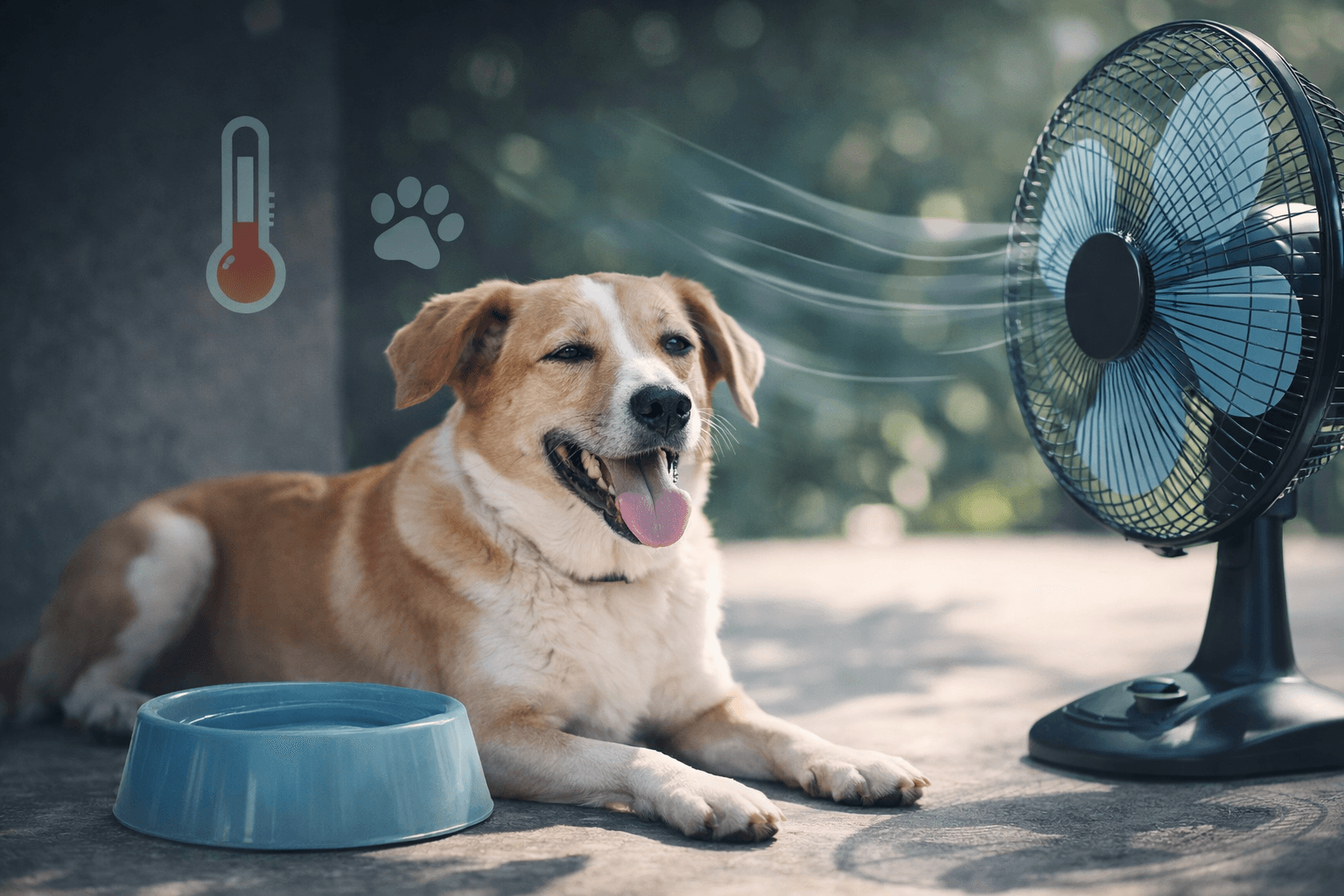
Heatstroke in dogs can start with “just panting” and turn into an emergency faster than most owners expect. In clinic, I see heatstroke in dogs after normal events—an enthusiastic game of fetch, a warm walk, a car stop, or a humid afternoon indoors with poor airflow. The problem with heatstroke in dogs is that dogs cannot sweat like humans; when cooling fails, body temperature rises and organs begin to suffer. If you searched heatstroke in dogs because you’re worried right now, use the Contents below to jump to the first-aid steps and red flags. The goal of this guide is simple: help you recognize early danger signs, cool your dog safely, and know when it’s time to go to an emergency vet.
- Early signs of overheating vs true heatstroke
- Safe first aid cooling steps you can do immediately
- What not to do (common mistakes that worsen outcomes)
- When to treat it as an emergency and go to the vet
- Prevention rules for hot weather (globally)
If you want a general emergency plan for pets (helpful to bookmark), see our guide: Emergency First Aid for Dogs & Cats.
Contents
- What is heatstroke in dogs?
- Why dogs overheat (even on “mild” days)
- Early signs vs severe signs
- Which dogs are at highest risk
- Most common heatstroke triggers
1) What is heatstroke in dogs?
Heatstroke (also called dangerous hyperthermia) happens when your dog’s body cannot get rid of heat fast enough, and core temperature rises to a level that can injure organs. Dogs cool down mainly by panting and by a small amount of heat loss through their paw pads and skin. When the surrounding air is hot or humid, panting becomes less effective—especially if airflow is poor. As temperature rises, the body shifts blood toward the skin in an attempt to cool, which can reduce blood flow to vital organs. This is why heatstroke is not “just dehydration.” It can cause inflammation, blood clotting problems, gut injury, and damage to the brain, liver, and kidneys.
2) Why dogs overheat (even on “mild” days)
Owners often assume heatstroke only happens during extreme heat. In reality, overheating depends on several factors at the same time:
- Humidity: high humidity makes panting less effective because evaporation slows down.
- Airflow: still air (indoors, a parked car, a closed balcony) traps heat around the body.
- Exercise intensity: sprinting, chasing balls, or rough play generates heat quickly.
- Body condition and coat: overweight dogs and thick-coated dogs retain heat longer.
- Breed anatomy: short-nosed (brachycephalic) breeds can’t move air as efficiently.
Also remember that some emergencies can look similar in the first minutes (restlessness, distress, drooling). If your dog’s belly is suddenly swollen, they are repeatedly retching without bringing anything up, or they look severely uncomfortable, read this immediately too: Dog Bloat (GDV) Emergency Guide.
3) Early signs vs severe signs
| Stage | What you may notice | What it means | What to do |
|---|---|---|---|
| Early overheating | Faster panting, warm ears/skin, seeking shade, slowing down, mild drool | Cooling is starting to fail, but recovery can be quick if you act early | Stop activity, move to shade/AC, offer small sips of water, begin gentle cooling |
| Heat stress | Very heavy panting, thick/stringy saliva, bright red gums, rapid heartbeat, vomiting/diarrhea, weakness | Core temperature likely rising; dehydration and inflammation may be starting | Active cooling + call a vet; plan for urgent evaluation |
| Severe heatstroke | Collapse, confusion, stumbling, seizures, pale/blue gums, bloody vomiting/diarrhea, breathing distress | Emergency—risk of shock and organ damage | Cool while traveling and go to emergency vet immediately |
If vomiting or diarrhea is present, dehydration can worsen quickly. For supportive home-care reading (not a replacement for veterinary care), see: Vomiting in Dogs Guide and Dog Diarrhea Treatment (Home Care).
4) Which dogs are at highest risk
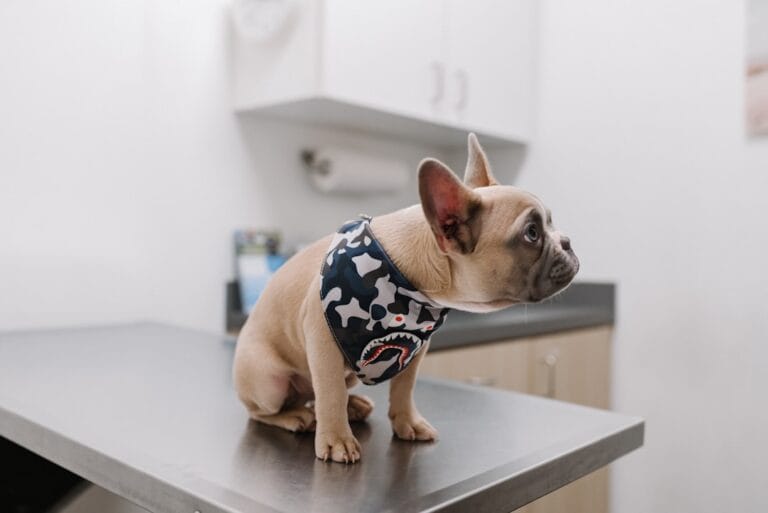
- Short-nosed breeds (French Bulldog, Pug, Boston Terrier): less efficient airflow during panting.
- Overweight dogs: more insulation + higher effort to cool down.
- Puppies and seniors: less efficient temperature regulation, higher dehydration risk.
- Thick-coated dogs: retain heat longer (especially in humidity).
- Dogs with heart/airway disease or dogs on sedatives.
- Highly driven/excitable dogs who won’t stop playing on their own.
5) Most common heatstroke triggers
- Parked cars (even with windows cracked)
- Midday walks or long walks without shade and water
- Intense play (fetch, running with other dogs) in warm/humid weather
- Poorly ventilated indoor spaces (closed rooms, balconies, garages)
- Grooming dryers or warm grooming environments
6) Heatstroke first aid: what to do immediately
Heatstroke in dogs: Step-by-step cooling protocol (safe, vet-approved)
- Stop activity and move to cool air. Shade + air-conditioning is ideal. Airflow matters more than most people realize.
- Offer small sips of cool water. Do not force large drinks. If your dog seems confused or can’t swallow properly, skip water and focus on cooling.
- Wet the body with cool (not icy) water. Focus on the belly, groin, armpits, paws. A shower, hose on gentle flow, or repeatedly re-wet cloths works well.
- Add airflow. Put a fan in front of your dog or run car AC. Evaporation + airflow is powerful cooling.
- Reassess every few minutes. Is panting slowing? Is your dog more alert? Any vomiting, weakness, or wobbliness?
- Call your vet / emergency clinic while cooling. Tell them your dog’s signs and your estimated travel time.
- Travel if needed—keep cooling on the way. AC on, windows for airflow, continue cool water on the underside if safe.
7) Cooling Do’s & Don’ts (quick reference)
| Do | Why it helps | Don’t | Why it’s risky |
|---|---|---|---|
| Cool water on belly/groin + fan | Fast evaporative cooling | Ice bath / freezing water | Can cause shivering and slow heat loss |
| Re-wet cloths repeatedly | Prevents cloth becoming insulation | Leave wet towel covering body | Traps heat once towel warms |
| Small sips of water | Hydration without stomach overload | Force large drinks quickly | Vomiting/aspiration risk |
| Vet evaluation after significant signs | Catches delayed complications | Assume “better = safe” | Internal injury can worsen later |
8) When you should go to the vet (even if your dog looks better)
Many dogs improve after cooling, then develop problems hours later. Heat can injure the gut lining and trigger inflammation that affects the liver, kidneys, and clotting system. You should strongly consider urgent veterinary evaluation if your dog had:
- Collapse, severe weakness, wobbliness, confusion, or fainting (even briefly)
- Vomiting or diarrhea (especially repeated or bloody)
- Very heavy panting that takes more than 10–20 minutes to settle in cool air
- Bright red gums that become pale/gray/blue
- Breathing distress (struggling to inhale, noisy breathing, or open-mouth distress)
- A high-risk body type (short-nosed breeds) or underlying heart/airway disease
9) What your vet may do (so you know what to expect)
Veterinary care depends on severity. In moderate to severe cases, treatment may include controlled cooling, oxygen, IV fluids, anti-nausea medication, and bloodwork to check organ function and clotting. Some dogs need hospitalization for monitoring because complications can develop after the initial crisis.
| Clinic step | Purpose | When used |
|---|---|---|
| IV fluids | Support circulation, protect kidneys, correct dehydration | Most moderate-to-severe cases |
| Oxygen support | Reduce breathing effort, improve oxygenation | Breathing distress or low oxygen concerns |
| Bloodwork + clotting checks | Look for organ injury, dehydration, clotting issues | When heatstroke signs are significant |
| Anti-nausea / GI protection | Reduce vomiting and gut irritation | Vomiting/diarrhea or poor appetite |
| Hospital monitoring | Catch delayed complications early | Severe signs, collapse, abnormal labs |
If your dog also shows repeated retching, extreme restlessness, or a suddenly swollen abdomen, consider bloat/GDV and seek emergency care: Dog Bloat (GDV) Emergency Guide.
10) Aftercare at home (once your vet says it’s safe)
- Quiet rest for 24–72 hours: no running, no heat exposure, short potty breaks only.
- Hydration: offer frequent small drinks. Follow any diet/rehydration plan your vet recommends.
- Temperature awareness: if your dog seems unusually hot, weak, or sleepy, re-check and call your vet.
- Watch for delayed red flags: vomiting, diarrhea, dark urine, poor appetite, weakness, pale gums, or confusion.
11) Prevention that actually works (global, practical rules)
Prevention is mostly about timing, airflow, hydration, and knowing your dog’s limits. Many heatstroke cases happen during normal routines (a midday walk, a short car stop, enthusiastic play). Use these rules anywhere in the world:
| Situation | Safer choice | Extra tip |
|---|---|---|
| Walks in warm weather | Early morning / late evening; shorter routes | Bring water; choose shade; stop if panting becomes intense |
| High humidity | Lower-intensity activity | Humidity reduces evaporative cooling from panting |
| Car travel | AC on + airflow; never leave dog parked | Even “mild” days can turn dangerous fast |
| Play / fetch | Short sets + rest breaks | Excitable dogs won’t self-limit; you must stop the game |
| Short-nosed breeds | Extra caution; indoor enrichment on hot days | Plan as if the day is significantly hotter |
If your dog tends to lick their paws after summer walks (hot pavement irritation can contribute), see: Why Dogs Lick Their Paws.
12) Hot-weather safety checklist (simple monthly habit)
- Walk at cooler times and shorten routes in warm/humid weather.
- Carry water and offer small drinks during breaks.
- Use shade + airflow (fans/AC) whenever possible.
- Stop play the moment panting becomes intense or your dog slows down unexpectedly.
- Never leave a dog in a parked car (even briefly).
- Extra caution for short-nosed, overweight, senior dogs, and dogs with heart/airway disease.
- Know your nearest emergency clinic route before you need it.
13) Real case from General Veterinary Hospital Lahore (anonymized)
A young adult, medium-sized mixed-breed dog was brought to our clinic after a high-energy play session in warm, humid weather. The owner noticed sudden intense panting, thick drool, and weakness during the drive home. On arrival, the dog was restless and hot to the touch, with very fast breathing and gums that looked brighter red than normal. The owner did the most important thing right: they stopped exercise early and came in quickly.
We began controlled cooling immediately (cool water on the underside plus strong airflow), placed an IV catheter for fluids, and monitored temperature, heart rate, and breathing closely. Within a short period, breathing effort eased and the dog became more alert—an excellent sign. Bloodwork showed dehydration and early inflammation, but no major organ injury at that moment. The dog was kept under observation, continued on fluids, and went home later with strict rest instructions and a plan to monitor for delayed vomiting, diarrhea, weakness, or poor appetite. The next-day follow-up was reassuring: appetite was back and energy was improving, because treatment started before collapse or seizures.
14) FAQs about heatstroke in dogs
Can heatstroke happen indoors?
Yes. Poor ventilation, no airflow, high humidity, and excited play indoors can still cause overheating—especially in short-nosed or overweight dogs.
How fast can heatstroke become dangerous?
It can escalate within minutes during intense exercise or in a parked car. Treat sudden heavy panting + weakness as urgent.
Should I use ice packs?
Cool (not freezing) packs can help briefly near the groin/armpit area, but the safest approach for most owners is cool water on the underside plus strong airflow.
My dog vomited after overheating—what should I do?
Vomiting after heat stress is a red flag. Start cooling and contact a vet urgently. For supportive reading only: Vomiting in Dogs Guide.
Could it be something else?
Yes. Some emergencies overlap early. If there is a swollen abdomen or repeated unproductive retching, treat it as bloat/GDV: Dog Bloat (GDV) Emergency Guide.
15) Final note
If you want a complete emergency plan to keep saved for your pets, see: Emergency First Aid for Dogs & Cats.



It’s crazy how quickly heatstroke can develop, especially when we think the weather is just a bit warm. I’ve definitely seen my dog struggle in high humidity even when the temperature seemed fine. The prevention tips are really helpful!