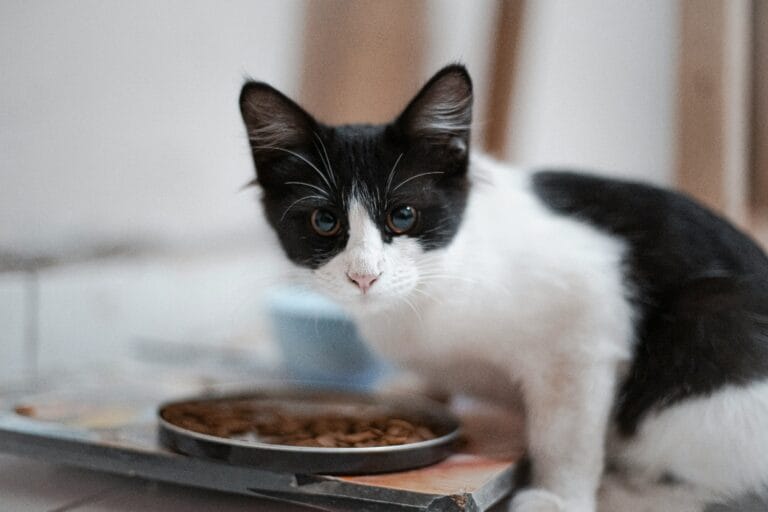
If your cat suddenly stops eating, it can be very worrying. Cats are usually curious about food and even a short period of loss of appetite can be a sign that something is wrong. Unlike some animals, cats cannot safely go without food for long. Prolonged loss of appetite can lead to potentially serious liver disease called hepatic lipidosis.
This complete vet-approved guide explains the most common reasons why cats stop eating, how to check your cat at home, and when you must contact a veterinarian urgently. It is written for cat owners and cat lovers who want safe, evidence-based information rather than guesses from social media.
Medical disclaimer: This article is for educational purposes only and does not replace a physical examination by a veterinarian. If your cat is not eating, always contact your vet for personalised advice.

Why is my cat not eating: Why Loss of Appetite in Cats Is Serious
In cats, even 24 hours without food can be significant, especially in overweight cats, kittens, seniors or cats with existing diseases. When a cat stops eating, the body starts using fat for energy. The liver must process this fat, and if too much is mobilised too quickly, fat accumulates in the liver cells, leading to hepatic lipidosis (fatty liver syndrome). This condition can be life-threatening and often requires intensive veterinary care.
Because of this risk, veterinarians take any case of “cat not eating” very seriously. The goal is to identify and treat the underlying cause quickly, while also supporting hydration and nutrition.
Why is my cat not eating: When Is a Cat Not Eating an Emergency?
Contact your vet or an emergency clinic immediately if your cat is not eating and any of the following are present:
- Not eating for more than 24 hours (or 12 hours in kittens).
- Not drinking or drinking much less than usual.
- Vomiting, especially repeated or with blood.
- Severe diarrhoea, black stools, or blood in the stool.
- Difficulty breathing, rapid breathing, or open-mouth breathing.
- Collapse, weakness, wobbliness, or inability to stand.
- Very swollen or painful abdomen.
- Yellow gums/eyes (possible liver disease).
- Known toxin exposure (lilies, human medicine, rat poison, etc.).
- Recent trauma (fall, road accident, dog attack).
These signs may indicate life-threatening illness. Do not wait to see if your cat starts eating again on their own.
Quick Home Check: How to Assess a Cat That Is Not Eating
Before you call your veterinarian, you can perform a gentle, safe home assessment to collect useful information:
-
Check the mouth.
Look for broken teeth, ulcers, foreign objects, strong bad breath or bleeding. Do not force the mouth open if your cat resists strongly or seems painful. -
Measure temperature if you can.
Normal feline rectal temperature is approximately 38–39.2°C (100.4–102.5°F). A high or low temperature requires prompt vet attention. -
Check hydration.
Gently lift the skin over the shoulders. If it does not spring back quickly, your cat may be dehydrated. Dry gums are also a warning sign. -
Observe litter box habits.
Note any changes in urination or defecation: straining, blood, diarrhoea or no urine at all are all important clues for your vet. -
Notice behaviour.
Is your cat hiding, crying, or unusually aggressive? Behaviour changes often signal pain or systemic illness.
Write these observations down or take short videos. They are very helpful for your veterinarian when investigating why your cat is not eating.
Common Medical Causes of a Cat Not Eating
There are many possible reasons for feline loss of appetite. Some are mild and temporary; others are urgent. Below are the most frequent medical causes seen in veterinary practice.
Why is my cat not eating: 1. Gastrointestinal Problems (Nausea, Vomiting, Diarrhoea)
Any condition that causes nausea, abdominal pain, or vomiting can make a cat stop eating. Examples include:
- Gastritis (inflammation of the stomach lining)
- Dietary indiscretion (eating spoiled food or rubbish)
- Pancreatitis
- Inflammatory bowel disease
- Parasites such as roundworms or hookworms
- Foreign objects in the intestines (string, hair ties, toys)
If your cat is vomiting and not eating, please also read your dedicated guide: Home Treatment for Cat Vomiting – Vet Online Guide for detailed first-aid steps and red flags that require urgent veterinary care.
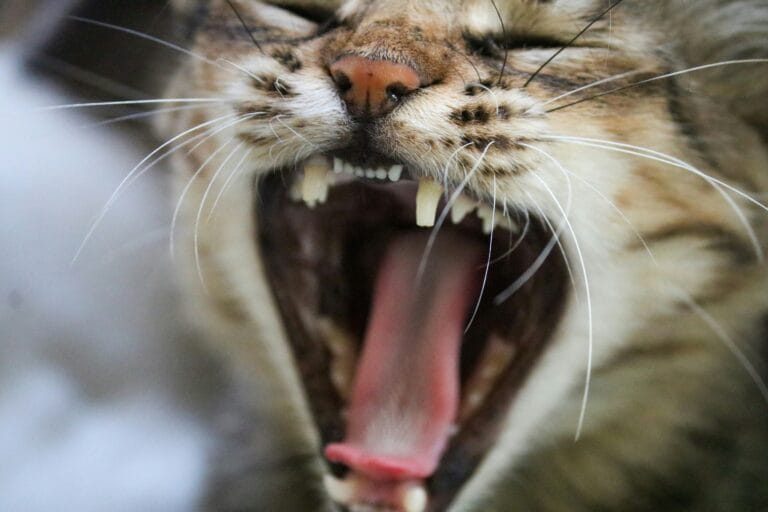
2. Dental and Oral Pain
Cats often stop eating when the mouth is painful, for example due to:
- Severe tartar and gingivitis
- Resorptive lesions (painful “cavities” unique to cats)
- Stomatitis (widespread inflammation of the mouth)
- Broken teeth or jaw injuries
- Ulcers on the tongue or cheeks
- Foreign bodies stuck between teeth or under the tongue
These cats may still be hungry but show signs such as dropping food, chewing on one side, crying during eating, or running away from the bowl.
3. Kidney Disease
Chronic kidney disease is common in older cats. Toxins that are normally filtered by the kidneys can accumulate in the blood, causing nausea, ulcers in the mouth, increased thirst and urination, and loss of appetite. Early diagnosis through blood and urine tests allows better long-term management and improved quality of life.
4. Liver Disease
Liver problems – including hepatic lipidosis, infections, inflammation, or tumours – often present with poor appetite, weight loss, vomiting, and jaundice (yellow gums or eyes). Because fatty liver can also be caused by not eating, it is essential to involve your vet early rather than waiting.
5. Viral & Bacterial Infections
Fever and systemic infections commonly make cats stop eating. Important examples include:
- Upper respiratory infections (cat flu, viral rhinitis)
- Feline panleukopenia (parvovirus in cats)
- Feline immunodeficiency virus (FIV)
- Feline leukaemia virus (FeLV)
- Abscesses from bite wounds
Vaccination helps prevent some of these diseases. For a full schedule, see your guide: Cat Vaccination Schedule 2025: Indoor & Outdoor Cats, Costs & Vet Tips.
6. Pain From Injuries or Other Diseases
Any type of pain can reduce appetite. Causes include trauma, arthritis, spinal problems, abdominal pain, or even severe skin disease. Cats are very good at hiding pain, so subtle clues – such as avoiding jumping, sleeping more, or hiding – are important.
7. Hormonal & Metabolic Disorders
Conditions like diabetes mellitus, hyperthyroidism, electrolyte imbalances, and some endocrine tumours may all lead to reduced appetite, weight loss or sometimes increased hunger followed by sudden refusal of food. These problems are diagnosed with blood tests.
8. Parasites & Toxins
Heavy parasite burdens, especially in kittens, can make cats unwell and less interested in food. Toxins such as lilies, human medicines (e.g. ibuprofen), and insecticides can also cause nausea and organ damage.
For more on worms in cats and safe deworming schedules, read: Cat Worms: Symptoms, Treatment & Deworming Schedule (2025 Vet Guide).
Behavioural & Environmental Reasons a Cat May Not Eat
Not every case of cat not eating is caused by a serious disease. Some cats refuse food due to stress, environment, or changes in routine.
9. Stress, Anxiety & Household Changes
Cats are creatures of habit. Sudden changes can trigger stress-related loss of appetite, for example:
- Moving to a new home
- New human family member or pet
- Construction noise, visitors, or travel
- Conflict with other cats in the household
Stress may show as hiding, over-grooming, urine spraying, or inappropriate toileting. For more on emotional health, see your guide: Separation Anxiety in Dogs and Cats – Vet-Approved Home Training Guide 2025.
10. Food Preferences & Texture Issues
Some cats are simply fussy eaters, especially if they have always been fed the same flavour or texture. Others may prefer:
- Wet food over dry kibble
- Shallow, wide bowls rather than deep ones
- Room-temperature food instead of cold from the fridge
- Quiet, safe feeding areas away from noisy appliances or other pets
However, never assume “fussiness” without first ruling out medical causes, especially if the change in eating behaviour is sudden.
11. Recent Vaccination or Medication
Mild, temporary loss of appetite for 12–24 hours can occur after vaccination or starting some medications. If your cat is otherwise bright and comfortable, offer small palatable meals and monitor closely. If appetite does not return or other symptoms develop, contact your vet.
Safe Home Care for a Cat That Is Not Eating
While waiting for your veterinary appointment, there are a few gentle steps you can take at home to encourage eating and support your cat’s comfort. These suggestions are for mild cases only. If your cat is very unwell, do not delay treatment.
Offer Highly Palatable Food
- Warm wet food slightly to enhance aroma (never too hot).
- Try strong-smelling flavours such as fish, chicken, or liver-based diets.
- Offer small portions frequently rather than one large meal.
- Use shallow, wide bowls or plates to avoid whisker stress.
Encourage Hydration
- Provide fresh water in multiple quiet locations.
- Consider a cat water fountain if your cat prefers running water.
- Add a little warm water or low-sodium chicken broth (without onion/garlic) to wet food.
Reduce Stress and Provide a Safe Space
Create a calm, quiet area with a comfortable bed, litter box, water, and food nearby. Keep other pets and small children away while your cat is recovering.
What You Should NOT Do at Home
- Do not force-feed with syringes unless your vet has shown you how.
- Do not give human medicines such as paracetamol or ibuprofen (they are toxic to cats).
- Do not wait several days “to see if it improves” if your cat is not eating.
- Do not change diets abruptly without veterinary advice in sick cats.
How Vets Diagnose the Cause of a Cat Not Eating
When you bring your cat to the clinic, your veterinarian will start with:
- A full history (diet, environment, previous illnesses, toxin risks).
- Complete physical examination, including mouth, abdomen, heart and lungs.
Depending on findings, recommended tests may include:
- Blood tests (organ function, infection, inflammation, electrolytes).
- Urinalysis (especially in older cats or suspected kidney disease).
- Faecal tests for parasites.
- X-rays or ultrasound to check for foreign bodies, masses or organ changes.
- Dental examination under anaesthesia and dental radiographs.
- Biopsies or specific viral tests (FIV, FeLV) if indicated.
Treatment is tailored to the underlying cause and may include:
- Anti-nausea and anti-vomiting medications.
- Fluid therapy (intravenous or subcutaneous).
- Pain relief.
- Antibiotics or antivirals, when appropriate.
- Special prescription diets.
- Appetite stimulants.
- Feeding tubes in severe cases or when long-term support is needed.
Preventing Future Loss of Appetite in Cats
You cannot prevent every illness, but you can reduce the risk of your cat stopping eating by focusing on preventive care and early detection.
- Follow a regular vaccination schedule appropriate for your region.
- Use vet-recommended parasite control all year round.
- Schedule routine dental checks and cleaning when needed.
- Maintain a healthy body weight – neither underweight nor obese.
- Provide environmental enrichment and stress reduction (scratching posts, hiding places, play).
- Offer a balanced, complete diet suitable for your cat’s life stage.
- Monitor eating, drinking, urination and stool daily so changes are noticed early.
You can also use your Pet Health Calculators to track body condition, ideal weight and calorie needs for your cat.
FAQs: Cat Not Eating
How long can a cat safely go without eating?
Most healthy adult cats should not go without food for more than 24 hours. In kittens, seniors, or sick cats, even 12 hours may be too long. If your cat has not eaten for a day, especially if they are also lethargic or vomiting, contact your vet.
My cat is not eating but is still drinking water. Is that okay?
Drinking is better than not drinking at all, but it does not remove the risk of hepatic lipidosis or other diseases. A cat that is not eating but still drinking needs a veterinary assessment, particularly if the problem lasts more than 24 hours or is accompanied by other symptoms.
Can stress alone make a cat stop eating?
Yes. Stress from household changes, new pets, or conflict with other cats can lead to reduced appetite or complete refusal of food. However, never assume stress is the only cause. A vet exam is important to rule out hidden illness.
Should I change my cat’s food if they stop eating?
It is reasonable to offer a more palatable food (for example, warm wet food or a recovery diet) for a short time. But frequent, sudden diet changes can upset the stomach. Always discuss long-term diet changes with your veterinarian, especially in cats with chronic diseases.
When is a feeding tube needed in cats?
Feeding tubes are recommended when a cat cannot or will not eat enough on their own for several days, particularly if there is risk of hepatic lipidosis or if oral feeding is painful (for example, severe mouth disease). Feeding tubes are well tolerated and can be life-saving in many feline patients.
Trusted Veterinary & Scientific References
- Merck Veterinary Manual – Feline Hepatic Lipidosis & Anorexia
- International Society of Feline Medicine (ISFM) – Feline Friendly Handling & Nutrition
- World Small Animal Veterinary Association (WSAVA) Global Nutrition Committee Guidelines
- American College of Veterinary Internal Medicine (ACVIM) consensus statements on chronic kidney disease and pancreatitis in cats
This article is for educational purposes and is not a substitute for a physical examination and personalised treatment plan from your veterinarian.
Related reading: see our guides to why cats sleep more than usual, cat teeth grinding, and why cats knead, other common feline behaviors worth understanding.