
By Dr. Zahid Afzal, DVM – Veterinarian & Pet Health Writer
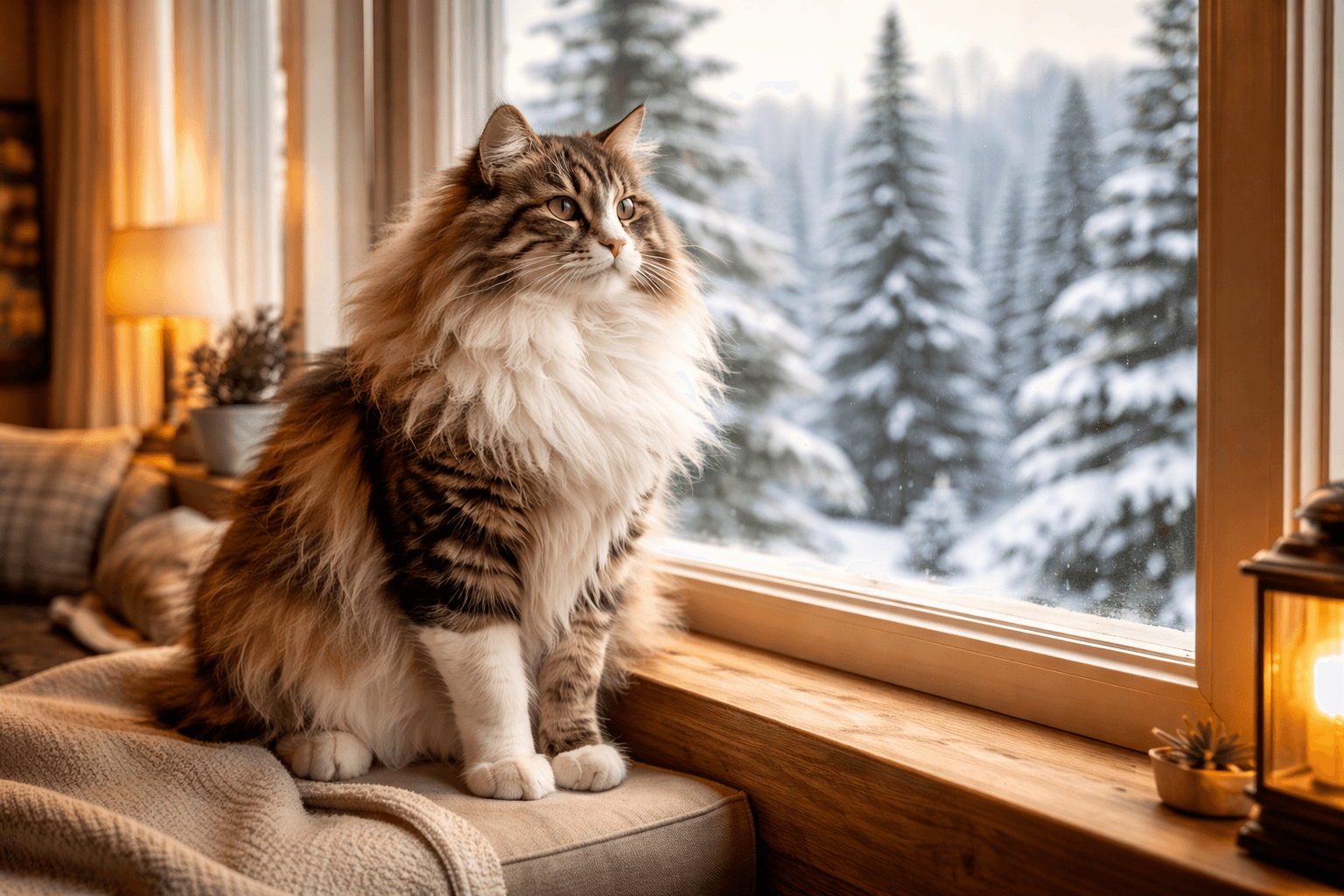
The Norwegian Forest Cat – often called the “Wegie” – is a large, fluffy, and gentle companion that looks like it stepped straight out of a fairy tale forest. With a thick double coat, strong body, and intelligent, friendly personality, this breed is a wonderful choice for many families – as long as you understand their care needs.
In this veterinary-written guide, we’ll cover everything you need to know about the Norwegian Forest Cat, including:
- History and origins of the Norwegian Forest Cat
- Typical temperament and behaviour
- Essential grooming and coat-care tips
- Diet, exercise and indoor enrichment needs
- Common health issues vets see in this breed
- How to choose a healthy kitten or adult cat
- When to call your veterinarian urgently
This article is general education only and cannot replace an in-person veterinary examination. If you ever feel worried about your cat, please contact your local vet or an emergency clinic such as your nearest GV Hospital.
History: A Cat Built for the Forest
Norwegian Forest Cats are an ancient natural breed from Scandinavia. For centuries, they lived on farms and in forests, helping to control rodents and surviving harsh winters. Their thick coat, strong claws and muscular body all developed to cope with cold, snow, and climbing trees.
The breed nearly disappeared in the early 1900s as other cat breeds became popular. Norwegian cat fanciers worked hard to preserve them, and they were officially recognised in Scandinavia in the 1930s. International registries such as FIFe and CFA later granted full recognition, and today the Norwegian Forest Cat is loved worldwide.
Appearance: Big, Fluffy and Powerful
A healthy adult Norwegian Forest Cat is a medium-to-large cat with a strong, athletic build. Males are usually larger than females.
- Body: Long, muscular body; sturdy bone structure; deep chest.
- Head: Triangular face with a straight profile and slightly rounded forehead.
- Ears: Medium to large ears tipped with lynx-like tufts.
- Eyes: Large, almond-shaped eyes that can be green, gold, or copper.
- Tail: Long, full tail, often carried high and proudly.
Coat and colours
The Norwegian Forest Cat’s coat is one of its most striking features. It is:
- Double-layered: A warm, woolly undercoat with a glossy, water-resistant topcoat.
- Seasonal: Thicker in winter; in summer they may look much sleeker.
- Full ruff and britches: A mane around the neck and “pantaloons” on the thighs.
Norwegian Forest Cats can come in almost every colour and pattern – solid, tabby, bicolour, tortie and more. Coat colour does not affect health or temperament.
Temperament: Friendly, Confident and Independent
Although every cat is an individual, many Norwegian Forest Cats share similar personality traits:
- Affectionate but not clingy: They usually bond strongly with their family but also enjoy quiet time alone.
- Calm and confident: Many Wegies are relaxed, steady companions rather than hyperactive cats.
- Intelligent and curious: They enjoy puzzle feeders, climbing structures, and interactive toys.
- Good with children and other pets: With proper introductions, they can live peacefully with dogs and other cats.
Because of their working-cat background, Norwegian Forest Cats often enjoy climbing and viewing their territory from a high perch. A tall, sturdy cat tree or wall shelves are almost essential for this breed.
Living With a Norwegian Forest Cat
Indoor vs outdoor life
Many people assume that a “forest” cat must be happier outdoors. In reality, most vets recommend that Norwegian Forest Cats live primarily indoors or in a secure outdoor enclosure. Free roaming outdoors increases the risk of:
- Road traffic accidents
- Fights with other animals and bite wounds
- Infectious diseases like FIV and FeLV
- Parasites such as fleas, ticks and worms
- Poisoning and intentional harm
Instead, provide safe indoor enrichment: scratching posts, hiding places, window views and daily play sessions. A secure catio or screened balcony can also give your cat fresh air and sunshine.
Exercise and enrichment
Norwegian Forest Cats are athletic. Without enough activity they may gain weight or become bored. Aim for at least two interactive play sessions per day using toys that encourage jumping, chasing and pouncing. Food puzzles, foraging toys, and clicker training can help keep their brain busy.
If your Wegie is a kitten or young adult, schedule extra play before bedtime to reduce night-time zoomies and wake-up calls.
Grooming and Coat Care
Despite their long coat, many Norwegian Forest Cats are not as high-maintenance as people expect. However, regular grooming is still important to prevent matting and hairballs.
Brushing routine
- Normal seasons: Brush two to three times per week using a metal comb and slicker brush.
- Shedding seasons (spring and autumn): Daily brushing may be needed as they blow their coat.
- Areas to check: Armpits, behind the ears, belly and back legs are common tangle spots.
Start grooming when your cat is young and pair each session with gentle praise and treats. If your cat already has mats, do not pull or cut them with scissors – this can easily injure the skin. Ask a professional groomer or your vet clinic for help.
Nail, ear and dental care
As a veterinarian, I recommend:
- Nail trims: Every 2–4 weeks depending on growth.
- Ear checks: Weekly quick check for redness, discharge or odour.
- Dental care: Daily tooth brushing with a cat-safe toothpaste if your cat will allow it.
Dental disease is one of the most common health problems in adult cats. Brushing, dental diets or treats, and regular dental checks with your vet can greatly reduce problems later in life.
Nutrition: Feeding a Norwegian Forest Cat
Norwegian Forest Cats are large cats with a sturdy frame, but that does not mean they should be overweight. Extra kilos put stress on the joints and can lead to diabetes or other metabolic issues.
Choosing the right food
Look for a complete and balanced commercial cat food that meets AAFCO or FEDIAF standards for your cat’s life stage (kitten, adult, senior). High-quality wet or dry food is fine; many owners use a mixture.
- Protein: Cats are obligate carnivores and need animal-based protein.
- Fat: Provides energy and supports skin and coat health.
- Carbohydrates: Should be present in moderate amounts only.
Avoid feeding mainly home-cooked or raw diets unless these have been formulated by a board-certified veterinary nutritionist. Homemade diets can easily become unbalanced in vitamins and minerals. For dogs, we have a detailed guide on vet-approved homemade food, and the same principle applies to cats – balance matters.
Portions and weight control
Follow the feeding guidelines on your cat food bag as a starting point. Then adjust based on your cat’s body condition:
- You should be able to feel, but not see, the ribs easily.
- From above, there should be a visible waist.
- From the side, the belly should tuck up slightly behind the ribcage.
If you’re unsure how much to feed, ask your vet team for a personalised plan.
Common Health Issues in Norwegian Forest Cats
Overall, Norwegian Forest Cats are considered a relatively healthy natural breed. However, like all purebred cats, they have some genetic and lifestyle-related risks. Regular vet checks – at least once a year for healthy adults – are essential.
Hypertrophic cardiomyopathy (HCM)
HCM is a heart disease in which the muscular walls of the heart become thickened. It is one of the most common heart conditions in cats and has been reported in Norwegian Forest Cats. Symptoms may include:
- Quiet or open-mouth breathing
- Rapid breathing at rest
- Reduced activity or fainting (collapse)
- Cold limbs or sudden paralysis in the back legs (a serious clot complication)
Breeding cats should ideally be screened with heart ultrasound (echocardiography) by a veterinary cardiologist, and owners should contact their vet promptly if they see any of the signs above.
Glycogen storage disease type IV (GSD IV)
This rare inherited disease affects how the body stores sugar (glycogen). Kittens with the mutation usually become very ill and may die young. Fortunately, a DNA test is available so responsible breeders can avoid producing affected kittens.
Hip dysplasia and joint problems
Because Norwegian Forest Cats are relatively large, they may develop hip dysplasia or arthritis, especially if overweight. Signs can be subtle:
- Reluctance to jump up or down
- Stiffness after resting
- Difficulty using the litter tray
- Less interest in climbing or playing
Weight control, joint-friendly ramps, and veterinary pain management can greatly improve quality of life in cats with arthritis.
Dental disease
Like other breeds, Norwegian Forest Cats commonly develop tartar, gingivitis, and sometimes resorptive lesions (painful defects in the teeth). Regular dental checks and professional cleaning under anaesthesia, as recommended by your vet, are important preventive care.
Other health considerations
Your vet will also focus on routine preventive care:
- Vaccinations based on local risk and lifestyle
- Parasite prevention (fleas, ticks, worms)
- Spay/neuter surgery unless your cat is part of a registered breeding programme
- Screening blood and urine tests as your cat ages
Choosing a Norwegian Forest Cat Kitten or Adult
Bringing a Norwegian Forest Cat into your family is a big decision. Take your time and look for a responsible breeder or rescue organisation.
Red flags to avoid
- Breeders who will not allow you to see where the cats live.
- No health records or proof of vaccination.
- Kittens leaving the mother before 12–13 weeks of age.
- Very low prices compared to reputable breeders, or pressure to pay quickly.
Questions to ask a breeder
- Are the parents screened for HCM and other known hereditary diseases?
- How are the kittens socialised with people, sounds, and other pets?
- What food and litter are they currently using?
- Will the kitten come with a health guarantee and written contract?
Many wonderful Norwegian Forest Cats and mixes also end up in rescues and shelters. If you are flexible about age and exact pedigree, consider adopting – your vet can help you assess any medical needs.
When to Call the Vet Urgently
Some problems can wait for a routine appointment, but others need rapid action. Contact your vet or local emergency clinic immediately if your Norwegian Forest Cat shows:
- Difficulty or noisy breathing, open-mouth breathing, or breathing rate over 40 breaths/min at rest
- Sudden collapse, weakness, or paralysis (especially back legs)
- Repeated vomiting or attempting to vomit without bringing anything up
- Straining to urinate, crying in the litter tray, or no urine produced – especially in male cats
- Serious trauma (fall from height, car accident, dog attack)
- Severe lethargy, pale gums, or any behaviour that “feels wrong” to you as the owner
For dogs we have a separate guide on recognising life-threatening bloat. The key message is the same for cats: when in doubt, it is safer to call the vet.
Norwegian Forest Cat and Other Pets
With correct introductions, many Norwegian Forest Cats live happily with other pets:
- Dogs: Choose calm, cat-friendly dogs and supervise carefully at first.
- Other cats: Provide multiple litter trays, feeding stations and resting spots to reduce competition.
- Small pets: As natural hunters, Wegies may see rodents or birds as prey. They should never share unsupervised space.
Our detailed tuxedo cat guide includes general tips on cat introductions that also apply to Norwegian Forest Cats.
Frequently Asked Questions About Norwegian Forest Cats
Are Norwegian Forest Cats good for first-time cat owners?
Yes, many first-time owners do very well with this breed. They are generally friendly, robust and adaptable. However, their size and coat mean they still need regular grooming, environmental enrichment and veterinary care.
Do Norwegian Forest Cats shed a lot?
They shed heavily during seasonal coat changes – especially in spring – and moderately the rest of the year. Regular brushing, a good vacuum and lint rollers are part of life with a Wegie.
Are Norwegian Forest Cats hypoallergenic?
No cat breed is truly hypoallergenic. Some people may find their symptoms milder with certain breeds, but Norwegian Forest Cats still produce the Fel d 1 allergen that triggers most cat allergies.
How long do Norwegian Forest Cats live?
With good care, many Norwegian Forest Cats live 13–16 years or more. Indoor lifestyle, high-quality nutrition, weight control, and regular vet check-ups all support a long, healthy life.
Are Norwegian Forest Cats very vocal?
Compared to some breeds, Norwegian Forest Cats are often quieter and have a soft, chirpy voice rather than a loud meow. That said, individual cats vary – some will happily “chat” with their humans.
Bottom Line: Is a Norwegian Forest Cat Right for You?
A Norwegian Forest Cat can be a wonderful companion if you are looking for a gentle, confident, and intelligent cat with a striking appearance. They suit families who:
- Can provide daily grooming and indoor enrichment
- Are prepared for a large, active cat that likes to climb
- Will commit to regular veterinary care and weight control
- Enjoy a calm but playful feline personality
If that sounds like your household, a Norwegian Forest Cat may be the perfect new family member. For any questions about your current or future cat, don’t hesitate to speak with your veterinarian or contact your local GV Hospital.
Related reading: see our guides to why cats sleep more than usual, cat teeth grinding, and why cats knead.




I love how the Norwegian Forest Cat is described as both intelligent and friendly. It must make for such an enjoyable companion! With their thick coat, do you have any advice for keeping matting at bay between grooming sessions?
It’s interesting to learn that the Norwegian Forest Cat has such a strong history in Scandinavian farms. Their dual-purpose role as rodent hunters and family companions really shows how well-rounded these cats are!